
Unit 1: Introduction to Habitat Restoration
Habitat restoration is the process of assisting the recovery of a degraded, damaged, or destroyed ecosystem. This process involves the reintroduction of native species, removal of invasive species, and the restoration of physical conditions…
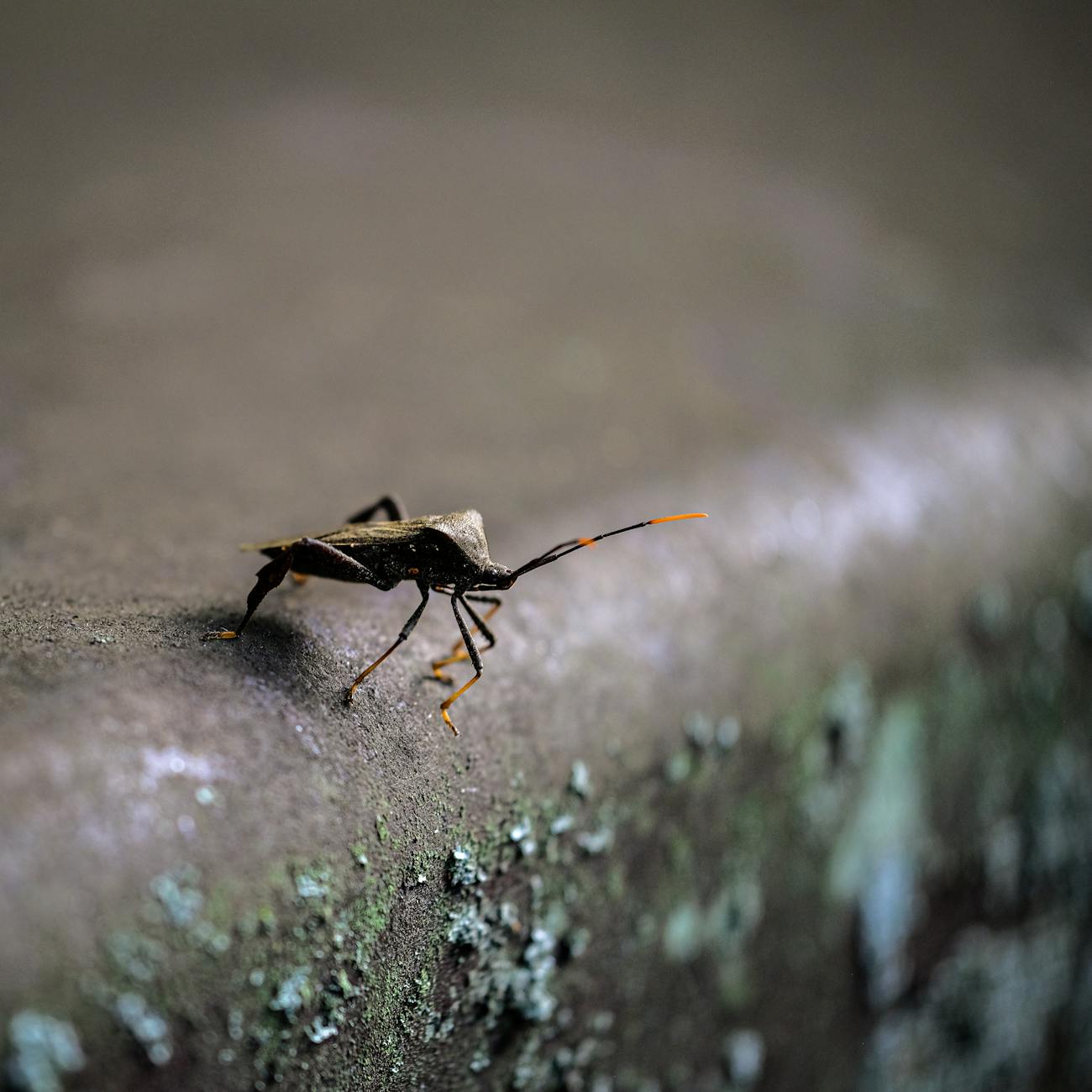
Habitat restoration is the process of assisting the recovery of a degraded, damaged, or destroyed ecosystem. This process involves the reintroduction of native species, removal of invasive species, and the restoration of physical conditions necessary for the ecosystem to function properly. Below are some key terms and vocabulary related to Unit 1: Introduction to Habitat Restoration.
Biodiversity: The variety of plant and animal life in a particular habitat or ecosystem. High biodiversity is essential for a healthy and resilient ecosystem.
Ecosystem: A community of living and non-living things that work together to create a stable environment.
Habitat: The natural environment in which a particular plant or animal species lives.
Habitat degradation: The decline in the quality of a habitat due to human activities or natural processes, making it less suitable for the plants and animals that live there.
Habitat fragmentation: The division of a large habitat into smaller, isolated patches due to human activities such as land development.
Habitat restoration: The process of assisting the recovery of a degraded, damaged, or destroyed ecosystem.
Invasive species: Non-native plants or animals that cause harm to the environment, economy, or human health.
Native species: Plants or animals that naturally occur in a particular region or habitat.
Restoration ecology: The scientific study of the process of assisting the recovery of degraded, damaged, or destroyed ecosystems.
Riparian zone: The area of land adjacent to a river, stream, or wetland.
Succession: The natural process of change in the species composition of an ecological community over time.
Sustainable development: Development that meets the needs of the present without compromising the ability of future generations to meet their own needs.
Examples:
* The restoration of a wetland through the removal of invasive plant species and the reintroduction of native plants and animals. * The creation of a riparian zone along a river to improve water quality and provide habitat for wildlife. * The use of sustainable development practices in habitat restoration projects to minimize the impact on the environment and ensure the long-term health of the ecosystem.
Practical Applications:
* Understanding the key terms and vocabulary related to habitat restoration is essential for anyone working in the field. * Knowing the difference between invasive and native species is crucial for the success of a habitat restoration project. * Understanding the concept of succession can help in planning and implementing a habitat restoration project. * Using sustainable development practices in habitat restoration projects can help to minimize the impact on the environment and ensure the long-term health of the ecosystem.
Challenges:
* One of the main challenges in habitat restoration is the removal of invasive species, which can be time-consuming and costly. * Another challenge is the reintroduction of native species, which may not be readily available or may not survive in the degraded habitat. * Climate change and other global environmental changes can also pose challenges to habitat restoration efforts. * Funding and political will are also major challenges in habitat restoration projects.
In conclusion, habitat restoration is a complex process that involves the reintroduction of native species, removal of invasive species, and the restoration of physical conditions necessary for the ecosystem to function properly. Understanding the key terms and vocabulary related to habitat restoration is essential for anyone working in the field. The challenges of habitat restoration include the removal of invasive species, the reintroduction of native species, climate change, and funding. However, with the right knowledge, skills, and resources, it is possible to successfully restore degraded, damaged, or destroyed ecosystems and protect biodiversity for future generations.
Key takeaways
- This process involves the reintroduction of native species, removal of invasive species, and the restoration of physical conditions necessary for the ecosystem to function properly.
- Biodiversity: The variety of plant and animal life in a particular habitat or ecosystem.
- Ecosystem: A community of living and non-living things that work together to create a stable environment.
- Habitat: The natural environment in which a particular plant or animal species lives.
- Habitat degradation: The decline in the quality of a habitat due to human activities or natural processes, making it less suitable for the plants and animals that live there.
- Habitat fragmentation: The division of a large habitat into smaller, isolated patches due to human activities such as land development.
- Habitat restoration: The process of assisting the recovery of a degraded, damaged, or destroyed ecosystem.