
Unit 4: Plant Identification and Selection
In the field of habitat restoration, the ability to identify and select appropriate plant species is crucial for the success of any restoration project. In this explanation, we will cover key terms and vocabulary related to Unit 4: Plant Id…
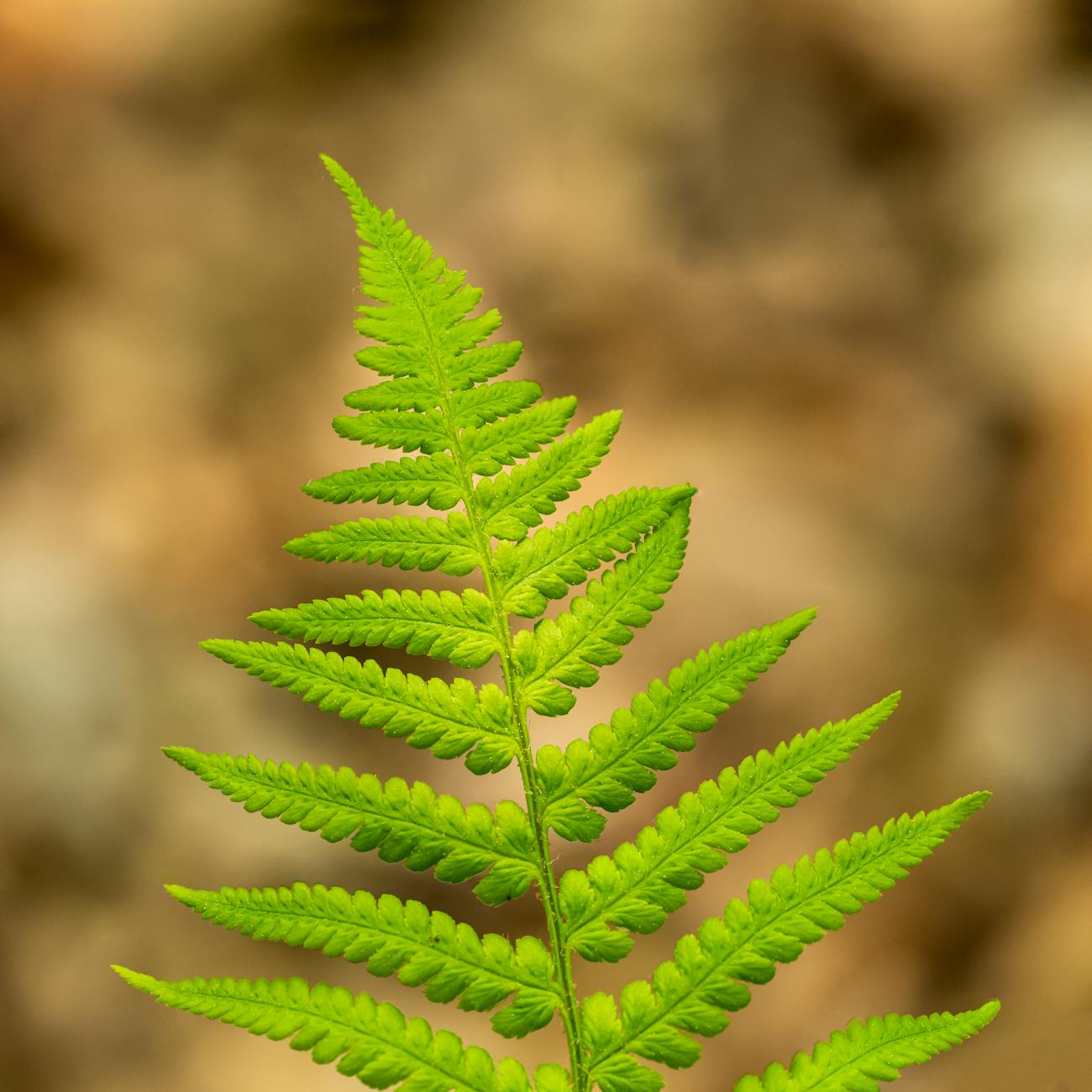
In the field of habitat restoration, the ability to identify and select appropriate plant species is crucial for the success of any restoration project. In this explanation, we will cover key terms and vocabulary related to Unit 4: Plant Identification and Selection in the Professional Certificate in Habitat Restoration Techniques.
1. Plant Identification: The process of recognizing and classifying plants based on their physical characteristics, such as leaves, stems, flowers, and fruits. Proper plant identification is essential for selecting the right species for a restoration project. 2. Plant Selection: The process of choosing the right plant species for a specific habitat restoration project. Factors to consider when selecting plants include the site's soil type, climate, and existing vegetation, as well as the project's goals and objectives. 3. Native Plants: Plants that are indigenous to a specific region or habitat. Native plants are well-adapted to local conditions and provide important ecological functions, such as providing food and shelter for wildlife. 4. Invasive Species: Non-native plants that spread aggressively and cause harm to the environment, economy, or human health. Invasive species can outcompete native plants and disrupt ecosystems, making them a major concern in habitat restoration. 5. Plant Propagation: The process of producing new plants from seeds, cuttings, or other plant parts. Propagation is an important technique for increasing the number of native plants available for restoration projects. 6. Seed Collection: The process of gathering seeds from native plants for propagation or storage. Seed collection should be done in a sustainable manner, taking care not to harm the parent plant or reduce the seed bank in the wild. 7. Seed Bank: A collection of seeds stored for future use in habitat restoration or other conservation efforts. Seed banks can help ensure the survival of rare or endangered species and provide a source of native seeds for restoration projects. 8. Soil Preparation: The process of preparing the soil for planting by removing weeds, debris, and other obstacles. Soil preparation is an important step in ensuring the success of a restoration project, as it provides a clean slate for the new plants to grow. 9. Site Preparation: The process of preparing a site for planting by clearing debris, grading the land, and installing erosion control measures. Site preparation is an important step in creating a suitable environment for the new plants to grow. 10. Planting Plan: A detailed plan that outlines the location, spacing, and number of plants to be planted in a restoration project. A planting plan helps ensure that the right plants are planted in the right places and provides a guide for monitoring and maintaining the site. 11. Planting Techniques: The methods used to plant seeds or seedlings in a restoration project. Common planting techniques include direct seeding, broadcast seeding, and transplanting. 12. Monitoring: The process of tracking the progress and success of a restoration project over time. Monitoring helps restoration practitioners identify any issues or challenges and make adjustments as needed. 13. Maintenance: The ongoing care and management of a restoration site to ensure its long-term success. Maintenance activities may include watering, weeding, and pruning. 14. Succession: The natural process of ecological change over time, where one community of plants and animals is gradually replaced by another. Succession is an important concept in habitat restoration, as it helps practitioners understand how ecosystems evolve and how to promote the establishment of native species. 15. Disturbance: Any event or process that disrupts an ecosystem, such as fire, flooding, or human activity. Disturbance can create opportunities for restoration by creating open spaces for new plant growth and reducing competition from invasive species. 16. Ecological Restoration: The process of assisting the recovery of an ecosystem that has been degraded, damaged, or destroyed. Habitat restoration is a type of ecological restoration that focuses on restoring natural habitats for plants and animals. 17. Riparian Zone: The area along the banks of a river, stream, or other water body. Riparian zones are important habitats for many plant and animal species and provide important ecological functions, such as filtering water and preventing erosion. 18. Wetland: A type of ecosystem that is characterized by saturated soils and the presence of water. Wetlands provide important ecological functions, such as flood control, water filtration, and wildlife habitat. 19. Upland: An area of land that is not
word count: 3000+
Key takeaways
- In this explanation, we will cover key terms and vocabulary related to Unit 4: Plant Identification and Selection in the Professional Certificate in Habitat Restoration Techniques.
- Succession is an important concept in habitat restoration, as it helps practitioners understand how ecosystems evolve and how to promote the establishment of native species.