
Renewable Energy Sources
Renewable Energy Sources form the cornerstone of the European Union’s strategy to achieve climate neutrality by 2050. In the context of the Specialist Certification in EU Energy Law, a precise understanding of the terminology that underpins…
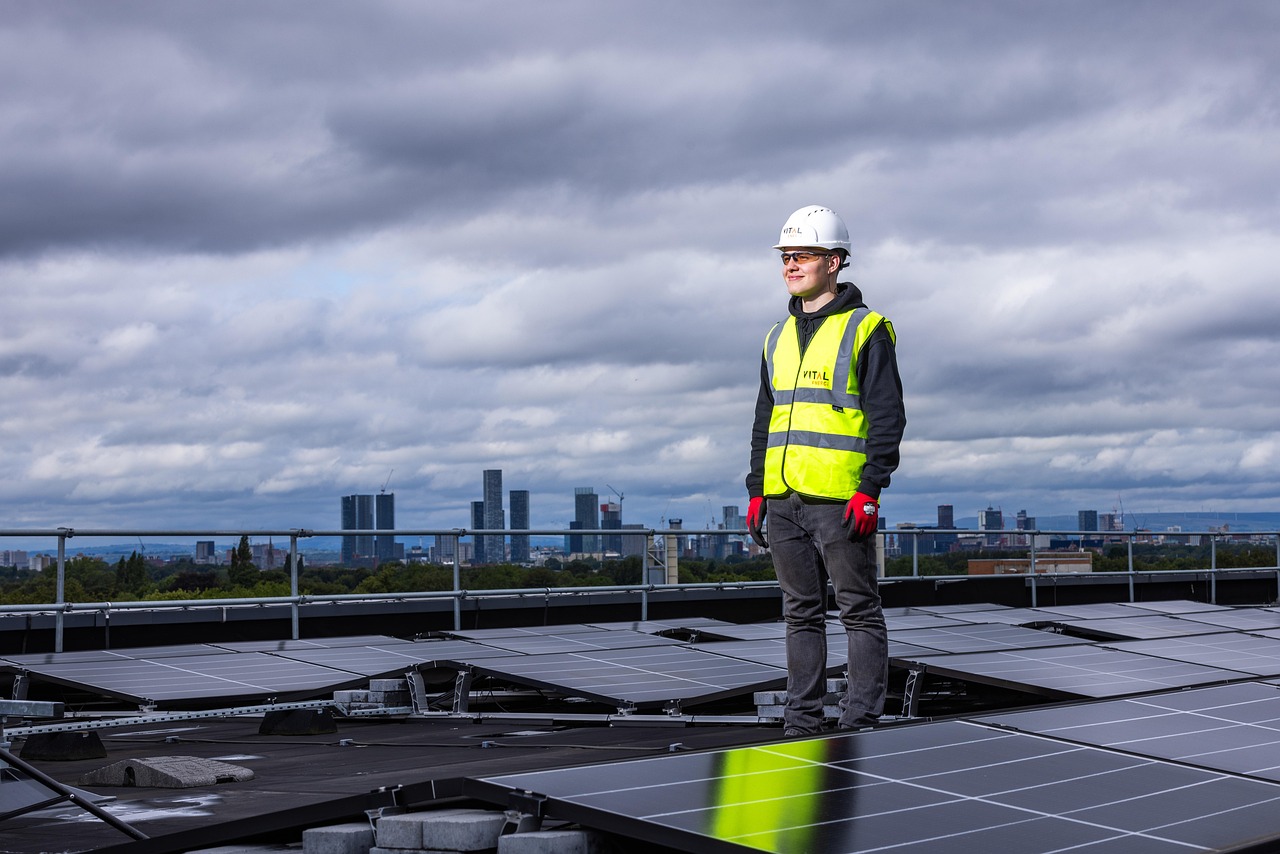
Renewable Energy Sources form the cornerstone of the European Union’s strategy to achieve climate neutrality by 2050. In the context of the Specialist Certification in EU Energy Law, a precise understanding of the terminology that underpins the technical, regulatory and market dimensions of renewables is essential. The following exposition presents the key terms and vocabulary that students must master, organized by technology, policy instruments, market mechanisms, legal concepts and implementation challenges. Each definition is supplemented with practical examples, typical applications and the principal legal issues that arise under EU law.
Solar Photovoltaic (PV) – a technology that converts sunlight directly into electricity using semiconductor cells. The most common configuration is the grid‑connected system, where the generated electricity is fed into the public distribution network. In EU law, solar PV projects are subject to the Renewable Energy Directive (RED II), which sets national targets and defines eligibility criteria for support schemes such as feed‑in tariffs (FIT) and auction‑based contracts. A practical example is the 100 MW solar farm in Spain’s Andalusia region, which received a guaranteed price under a national FIT scheme, later converted to an auction result after the EU’s transition to competitive tendering.
Concentrated Solar Power (CSP) – a solar technology that uses mirrors or lenses to concentrate sunlight onto a receiver, producing high‑temperature heat that drives a turbine to generate electricity. CSP often incorporates thermal storage, allowing generation after sunset. EU policy treats CSP as a “solar” technology under RED II, but the higher capital cost and the need for suitable land have led Member States to apply additional national criteria. Legal challenges often involve the interpretation of “large‑scale” versus “small‑scale” installations for eligibility in support schemes.
On‑shore Wind – wind turbines situated on land, typically in regions with favourable wind speeds. The EU defines on‑shore wind as a “renewable electricity source” eligible for national targets. Member States may apply environmental impact assessments (EIA) under the EIA Directive, requiring public consultation and mitigation measures for projects that could affect protected habitats. An illustrative case is the 300 MW wind farm in the German state of Lower Saxony, which faced litigation over bird migration routes, leading to a modified turbine layout to comply with the Habitats Directive.
Off‑shore Wind – turbines installed in coastal waters, often in the North Sea or the Baltic Sea. Off‑shore wind benefits from stronger and more consistent winds, resulting in higher capacity factors. The EU’s Off‑shore Renewable Energy Strategy encourages the development of offshore clusters, supported by the Strategic Environmental Assessment (SEA) Directive. A notable example is the 1 GW Hornsea Project in the United Kingdom, which required a SEA to assess cumulative impacts on marine ecosystems and fishing activities.
Hydropower – the generation of electricity from the kinetic energy of flowing water. Hydropower is classified into three categories: large‑scale (installed capacity >10 MW), small‑scale (capacity between 0.1 MW and 10 MW) and micro‑hydro (capacity <0.1 MW). The EU distinguishes these categories for support eligibility, with large‑scale projects often subject to the Water Framework Directive (WFD) to safeguard water quality and ecosystem health. The 400 MW La Barge dam in France illustrates the balance between renewable generation and riverine biodiversity protection.
Run‑of‑River (RoR) – a type of hydropower that diverts a portion of a river’s flow through turbines without creating a large reservoir. RoR projects are typically considered low‑impact but still require compliance with the WFD and the EU Biodiversity Strategy. An example is the 20 MW RoR plant on the River Drava in Austria, which obtained a licence after demonstrating minimal alteration of fish migration patterns.
Biomass – organic material derived from plants, animals or microorganisms that can be used for heat, electricity or transport fuels. Under RED II, biomass includes solid fuels (e.G., Wood chips), biogas, and liquid biofuels. The EU imposes sustainability criteria to prevent indirect land‑use change (ILUC) and to protect forest carbon stocks. A practical case is the 50 MW wood‑chip plant in Sweden, which must certify its feedstock under the EU Renewable Energy Guarantees of Origin (GOs) scheme to prove compliance with sustainable sourcing rules.
Biogas – a mixture of methane and carbon dioxide produced by anaerobic digestion of organic waste, agricultural residues or dedicated energy crops. Biogas can be upgraded to biomethane and injected into the natural gas grid. The EU encourages biogas development through the Renewable Energy Support Scheme and the EU Emissions Trading System (ETS)
Biofuels – liquid fuels derived from biomass, used primarily in transport. The EU categorises biofuels into first‑generation (e.G., Rapeseed oil) and second‑generation (e.G., Lignocellulosic ethanol). RED II sets mandatory blending targets (e.G., 10 % Renewable energy in transport by 2020, rising to 14 % by 2030) and sustainability criteria concerning greenhouse‑gas (GHG) emissions reductions. A real‑world example is the 30 % biodiesel blend mandated in Italy, which required importers to secure GOs for the renewable portion.
Geothermal Energy – the exploitation of heat stored in the Earth’s crust for electricity generation or direct heating. Geothermal projects are divided into high‑enthalpy (electricity) and low‑enthalpy (heat). The EU treats geothermal as a renewable source under RED II, but the technology’s site‑specific nature means that national support measures vary widely. The 25 MW geothermal plant in the Hungarian Pannonian Basin illustrates the need for careful drilling permits under the Mineral Rights Directive.
Marine Renewable Energy – includes tidal, wave and ocean thermal energy conversion (OTEC). These technologies are at an early stage of commercial deployment. EU policy encourages research and innovation through the Horizon Europe programme and the European Maritime and Fisheries Fund (EMFF). The 5 MW tidal turbine array in the Bay of Fundy (supported by EU funding) highlights the regulatory challenges related to marine spatial planning and the protection of marine habitats under the Marine Strategy Framework Directive (MSFD).
Renewable Energy Certificates (RECs) – tradable instruments that certify that one megawatt hour of electricity has been produced from a renewable source. In the EU, RECs are known as Guarantees of Origin (GOs). They provide transparency for consumers and enable corporations to claim renewable electricity use. GOs are issued by national issuing bodies and must be registered in the European Energy Certificate System (EECS). For example, a German manufacturing firm may purchase GOs to demonstrate its compliance with corporate sustainability targets.
Feed‑in Tariff (FIT) – a policy mechanism that guarantees a fixed, premium price for renewable electricity over a defined period, typically 15‑20 years. FITs were widely used in the early stages of renewable deployment to provide revenue certainty. The EU has gradually shifted towards competitive tendering, but FITs remain in force in several Member States, such as Belgium and Greece, for specific technologies. Legal disputes often arise over the calculation of the tariff level, especially when there are changes in market conditions or regulatory amendments.
Auction‑Based Support – a competitive bidding process where developers submit price offers for renewable capacity. The EU’s Clean Energy Package encourages auctions as the preferred method for allocating support, aiming to minimise cost to consumers. The 2021 Dutch offshore wind auction, which awarded contracts at a record‑low price of €40/MWh, exemplifies the efficiency gains achievable through this approach. However, auctions can raise concerns about market concentration and the ability of smaller developers to compete.
Power Purchase Agreement (PPA) – a long‑term contract between a renewable energy producer and a buyer (often a utility, corporation or public authority) for the sale of electricity at a pre‑agreed price. PPAs are increasingly used to finance renewable projects, especially in the corporate sector. The EU’s “Corporate PPA” framework provides guidance on contract standardisation and risk allocation. An illustrative case is the 50 MW solar PPA signed by a French retailer with a Spanish solar farm, enabling the retailer to meet its renewable energy commitments.
Net Metering – a billing arrangement that allows small‑scale generators (e.G., Rooftop PV owners) to offset their electricity consumption with self‑generated electricity, receiving credit at the retail rate. While net metering is common in many EU countries, the EU law does not prescribe a specific design, leaving it to national regulators. The Italian “Scambio sul Posto” scheme is a notable example, where surplus solar electricity is compensated through a market‑based price mechanism.
Capacity Factor – the ratio of actual electricity generated over a period to the maximum possible generation if the plant operated at full capacity continuously. Capacity factor is a key performance metric for renewable technologies. For instance, on‑shore wind typically achieves a capacity factor of 30‑40 %, while solar PV ranges from 10‑20 % depending on location and orientation. Understanding capacity factor is essential when assessing the economic viability of projects and when calculating the GHG emission reductions required under RED II.
Levelised Cost of Energy (LCOE) – the average cost per unit of electricity generated over the lifetime of a plant, expressed in € / MWh. LCOE incorporates capital expenditures, operating costs, fuel costs (if any) and the discount rate. EU policymakers use LCOE to benchmark the competitiveness of renewable technologies against fossil‑fuel alternatives. The decreasing LCOE of offshore wind—from € 150/MWh in 2015 to below € 70/MWh in 2023—has been a major driver of policy support.
Grid Connection Capacity – the maximum amount of electricity that a renewable plant can inject into the transmission or distribution network without causing congestion. In the EU, the Network Codes and the Regulation on Electricity Transmission System Operators (TSOs) set out the procedures for allocating connection capacity. Projects that exceed available capacity may need to invest in network reinforcement, which can be a significant cost factor. The 200 MW solar project in Portugal required a new 33 kV line to meet connection requirements.
Ancillary Services – services that help maintain grid stability, such as frequency regulation, voltage control and reserve provision. Renewable generators can provide ancillary services, but their intermittent nature may limit reliability. The EU’s Regulation on Electricity Balancing encourages the integration of renewables into ancillary service markets, requiring TSOs to develop mechanisms for forecasting and compensation. An example is the participation of a 500 MW on‑shore wind farm in the German frequency control market, where it receives payments for providing up‑regulation capacity.
Balancing Responsibility – the obligation of electricity producers to match their generation with real‑time consumption, or to procure balancing services from the market. Under the EU’s Internal Electricity Market (IEM) framework, balancing responsibility is allocated to the party that holds the “balance responsible party” (BRP) status. Renewable generators that lack sufficient forecasting accuracy may transfer balancing responsibility to third‑party aggregators. The French “Powernext” balancing market includes specific rules for renewable BRPs.
Renewable Energy Targets – legally binding obligations set by the EU and individual Member States to achieve a certain share of renewable energy in final consumption. The EU’s overall target for 2030 is at least 40 % renewable energy, as stipulated in the Fit for 55 legislative package. Each Member State must develop a National Energy and Climate Plan (NECP) outlining how it will meet its contribution. For example, the Polish NECP includes a target of 21 % renewable electricity by 2030, with a focus on offshore wind and biomass.
State Aid – financial assistance granted by a Member State that could potentially distort competition and affect trade between Member States. Under the EU State Aid Rules, renewable support schemes such as FITs, subsidies and tax incentives are scrutinised to ensure they are compatible with the internal market. The European Commission’s “Guidelines on State Aid for Environmental Protection and Energy” provide a framework for assessing renewable aid. A notable case involved a Polish wind subsidy that was deemed incompatible because it exceeded the de‑ minimis threshold.
Carbon Capture and Storage (CCS) – while not a renewable technology, CCS is often discussed alongside renewables in the EU’s decarbonisation pathway. The EU’s Innovation Fund allocates resources to large‑scale CCS projects, and the legal regime for CCS is set out in the Directive on the Geological Storage of Carbon Dioxide. Understanding CCS is important for renewable practitioners because it influences the competitive landscape for low‑carbon generation.
Energy Communities – collective organisations of citizens, municipalities or small‑scale producers that generate, consume and share renewable energy. The EU’s Renewable Energy Directive (RED II) introduced a specific definition of “renewable energy communities” and granted them rights to self‑consume, sell surplus electricity and receive priority access to the grid. An example is the 5 MW community solar project in Denmark, where local residents collectively own the installation and benefit from reduced electricity bills.
Smart Grids – electricity networks that use digital communication and automation to optimise the production, distribution and consumption of electricity. Smart grids enable the integration of variable renewable generation, demand‑side response and distributed storage. EU legislation, such as the Regulation on Smart Grids and Flexibility, establishes common standards for interoperability and data exchange. A practical illustration is the pilot project in the Netherlands where smart meters and battery storage are coordinated to smooth solar output fluctuations.
Demand‑Side Management (DSM) – strategies that influence consumer electricity usage patterns to better match renewable supply. DSM includes time‑of‑use tariffs, automated load control and incentive programmes for industrial users. The EU’s Energy Efficiency Directive (EED) encourages Member States to implement DSM measures, while the Regulation on the Governance of the Energy Union requires the inclusion of demand‑response in national energy plans. A case in point is the 10 MW demand‑response programme in Spain, where large‑scale textile producers reduce consumption during peak wind periods.
Renewable Energy Certificates (RECs) Trading – the buying and selling of GOs on secondary markets to facilitate compliance with national renewable targets. The EU’s internal market for GOs is regulated by the Regulation on Guarantees of Origin, which sets out the rules for issuance, transfer and cancellation. The market enables cross‑border procurement of renewable electricity, allowing a company in Belgium to acquire GOs from a wind farm in Ireland. The price dynamics of the GO market reflect supply‑demand imbalances and the stringency of national targets.
Hybrid Renewable Projects – installations that combine two or more renewable technologies, such as wind‑solar farms, or wind‑hydro storage systems. Hybrid projects aim to improve overall capacity factor and reduce intermittency. EU law treats each component according to its technology‑specific provisions, but the combined project may qualify for additional support under the European Fund for Strategic Investments (EFSI). An example is the 150 MW wind‑solar hybrid park in Portugal, which receives a blended incentive reflecting the synergies between the two sources.
Renewable Energy Zones (REZ) – designated geographic areas identified by Member States as having high potential for renewable development, often supported by streamlined permitting procedures. The EU’s Renewable Energy Infrastructure Strategy encourages the creation of REZs to accelerate deployment. In Denmark, the “North Sea REZ” aggregates offshore wind sites, simplifying grid connection applications and reducing administrative delays.
Marine Spatial Planning (MSP) – a process that allocates maritime space for various uses, including renewable energy, shipping, fisheries and conservation. The EU’s Marine Strategy Framework Directive (MSFD) requires Member States to develop MSP plans that consider ecosystem health. Renewable projects, especially offshore wind and tidal, must undergo MSP assessments to avoid conflicts with other maritime activities. The German “North Sea MSP” incorporated wind farm siting, resulting in a coordinated allocation of space.
Environmental Impact Assessment (EIA) – a procedural requirement that evaluates the potential environmental effects of a proposed project before a decision is made. Under the EIA Directive, renewable projects exceeding certain thresholds (e.G., Wind farms >12 MW) must conduct an EIA, including public consultation and mitigation plans. A high‑profile case was the 1 GW offshore wind project in the Netherlands, where the EIA identified impacts on marine mammals, leading to the implementation of mitigation measures such as turbine curtailment during migration periods.
Strategic Environmental Assessment (SEA) – similar to the EIA but applied to plans, programmes and policies rather than individual projects. The SEA Directive ensures that renewable energy strategies are assessed for cumulative environmental effects. National renewable energy action plans (NEAPs) often undergo SEA to align with EU environmental objectives. In Finland, the SEA of the national offshore wind strategy identified potential conflicts with shipping lanes, prompting early stakeholder engagement.
Carbon Intensity – the amount of CO₂ emitted per unit of electricity generated, expressed in gCO₂/kWh. The EU’s Regulation on the Governance of the Energy Union sets a target for reducing the average carbon intensity of the electricity mix. Renewable generators, by definition, have a carbon intensity close to zero, but life‑cycle analyses may attribute emissions to construction, maintenance and de‑commissioning. Accurate carbon intensity calculations are essential for compliance with the EU’s Carbon Border Adjustment Mechanism (CBAM), which may affect imported renewable components.
Life‑Cycle Assessment (LCA) – a methodological framework for evaluating the environmental impacts of a product or system throughout its entire life cycle, from raw‑material extraction to disposal. In renewable energy, LCA is used to assess the GHG emissions, land use and resource consumption of technologies such as solar PV, wind turbines and biofuels. The EU’s European Commission’s Joint Research Centre (JRC) provides guidelines for LCA in the context of the Renewable Energy Directive.
Renewable Energy Communities (RECs) – not to be confused with the certificates, these are legally recognised entities that facilitate collective ownership and operation of renewable assets. The EU law grants RECs the right to self‑consume, to sell excess electricity on the market and to receive priority grid access. The legal framework also ensures that RECs are protected from discriminatory treatment by network operators. A practical illustration is the “Solar Village” project in Italy, where a cooperative of residents jointly owns a 2 MW PV plant and benefits from the rights established in RED II.
Energy Storage – technologies that store energy for later use, essential for balancing the variability of renewables. Storage can be electrical (batteries, pumped hydro, flywheels) or thermal (heat storage, molten salt). The EU’s Regulation on the European Strategic Energy Technology Plan (SET‑Plan) supports storage research, while the Renewable Energy Directive counts storage as part of the renewable supply chain when the stored electricity originates from renewable sources. The 100 MWh battery system attached to a Dutch offshore wind farm is an example of integrated storage that provides frequency regulation services.
Power Purchase Agreements (PPAs) for Renewable Electricity – long‑term contracts that enable corporations to procure renewable electricity directly from generators, often at a fixed price. PPAs are a key financing tool, reducing reliance on subsidies and providing revenue certainty. EU law encourages PPAs through the Corporate Renewable Energy Procurement Guidance, which outlines best practices for risk allocation, regulatory compliance and alignment with the EU Taxonomy for Sustainable Activities. A notable case is the 200 MW wind PPA signed by a German automotive manufacturer with a Danish wind farm, enabling the automaker to meet its EU‑wide sustainability targets.
EU Taxonomy for Sustainable Activities – a classification system that defines which economic activities can be considered environmentally sustainable. Renewable energy generation qualifies as a “green” activity, provided it meets technical screening criteria (e.G., No significant harm to biodiversity). The taxonomy influences investment decisions, corporate reporting and eligibility for green financing. For instance, a solar PV project in Spain must demonstrate compliance with the taxonomy’s criteria on land use and water consumption to attract sustainable investment funds.
Carbon Emissions Trading System (ETS) – the EU’s flagship market‑based mechanism for reducing GHG emissions. While the ETS primarily covers large industrial emitters and power plants, renewable generators can benefit indirectly by receiving free allocation of emission allowances or by participating in the market through the sale of renewable electricity. The EU has proposed extending the ETS to cover the maritime sector, which could affect offshore wind developers by altering the cost of fuel for installation vessels.
Grid Balancing Markets – platforms where electricity producers and consumers trade balancing services to maintain system stability. Renewable generators, due to their variability, are active participants in balancing markets, offering upward and downward regulation. The EU’s Regulation on Electricity Balancing mandates that TSOs establish transparent, non‑discriminatory procedures for market entry. An example is the participation of a 300 MW on‑shore wind farm in the French “EPEX Spot” balancing market, where it receives remuneration for providing ancillary services.
Renewable Energy Certificates (RECs) – Double Counting – a risk where the same renewable generation is claimed by two different parties (e.G., A generator and a consumer). The EU’s GO system includes safeguards to prevent double counting, requiring the cancellation of certificates when they are used for compliance. Cases of double counting have led to investigations by national regulators, emphasizing the importance of robust tracking systems.
Renewable Energy Support Schemes – Compatibility with State Aid Rules – any national scheme that provides financial support to renewable projects must be assessed for compatibility with EU State Aid regulations. The Commission’s “Guidelines on State Aid for Environmental Protection and Energy” set out the conditions under which support can be considered compatible, such as transparency, proportionality and non‑discrimination. A notable example is the French “Feed‑in Premium” scheme, which was approved after demonstrating that the premium levels were based on objective cost calculations.
Energy Communities – Governance and Participation – the legal structure of energy communities must ensure democratic governance, transparency and the involvement of members. RED II requires that at least 50 % of the community’s members be individuals or entities that are not professional energy traders. The governance model influences eligibility for support and the ability to access market mechanisms. The “Green Energy Cooperative” in Belgium exemplifies a well‑structured community that complies with these requirements.
Renewable Energy and the EU Emissions Trading System (ETS) – Carbon Leakage – concerns that stringent climate policies could cause energy‑intensive industries to relocate to countries with weaker regulations. To address carbon leakage, the EU provides free ETS allowances to sectors at risk. Renewable energy projects can indirectly mitigate leakage by reducing the overall carbon intensity of the electricity mix, thereby lowering the cost of compliance for affected industries. The integration of large‑scale offshore wind in the Netherlands has been cited as a factor that reduces the carbon price exposure for nearby chemical plants.
Renewable Energy Project Financing – Green Bonds – debt instruments issued to raise capital for environmentally beneficial projects. The EU’s Green Bond Standard (EU GBS) sets criteria for the use of proceeds, reporting and verification. Renewable projects, such as wind farms and solar parks, often finance construction through green bonds, attracting investors seeking ESG‑aligned assets. The 500 MW offshore wind bond issued by a consortium of European banks illustrates the growing market for renewable finance.
Renewable Energy and the European Climate Law – the Climate Law enshrines the EU’s 2050 climate‑neutrality objective into binding legislation. It requires Member States to develop long‑term strategies that include renewable energy deployment as a core component. Legal compliance involves aligning national renewable targets with the overarching EU goal, monitoring progress through the European Environment Agency (EEA) and adjusting policies as needed. The law also establishes a framework for periodic review, ensuring that renewable pathways remain on track.
Renewable Energy and the EU’s Energy Taxonomy – Sustainable Investment – the taxonomy guides investors in identifying activities that contribute substantially to climate mitigation. Renewable electricity generation is classified as “substantial contribution” if it meets criteria on GHG emissions, land use and biodiversity. Projects that fail to meet these criteria may be excluded from taxonomy‑aligned funds, affecting their ability to raise capital. The classification of a biomass plant in Poland, for instance, depends on demonstrating low GHG intensity and minimal impact on forest carbon stocks.
Renewable Energy and the European Union’s Common Agricultural Policy (CAP) – the CAP provides financial support for rural development, including the promotion of bioenergy and biogas from agricultural residues. The synergy between the CAP and renewable energy policy encourages the use of farm waste for biogas, reducing reliance on fossil fuels and supporting rural economies. A typical example is the 5 MW biogas plant in Romania that processes corn stover, financed partially through CAP rural development funds.
Renewable Energy and the EU Water Framework Directive (WFD) – hydropower projects must comply with the WFD’s objectives of achieving good ecological status for water bodies. This entails assessing impacts on river continuity, fish migration and water quality. The EU has introduced “Ecological Flow” requirements that prescribe a minimum flow to sustain aquatic ecosystems. The 150 MW hydropower project on the Danube required a detailed WFD assessment, leading to the implementation of fish ladders and flow‑regulation measures.
Renewable Energy – Cross‑Border Electricity Trade – the EU’s internal electricity market facilitates the exchange of renewable electricity across member states. Market coupling mechanisms, such as the “Day‑Ahead Coupling” and “Intraday Coupling”, enable efficient allocation of cross‑border capacity. Renewable generators benefit from access to larger markets, which can improve price formation and reduce curtailment. The “North Sea Coupling” project, linking the UK, Denmark, Germany and the Netherlands, has increased the integration of offshore wind into the continental market.
Renewable Energy – Grid Codes – technical specifications that define the requirements for connecting renewable generators to the transmission or distribution network. The EU’s “Network Code on Requirements for Generators” sets out standards for voltage control, frequency response and fault ride‑through capabilities. Compliance with grid codes is mandatory for obtaining a connection permit. For instance, a 250 MW solar farm in France had to install advanced inverter technology to meet the fault ride‑through requirements of the French TSO.
Renewable Energy – Market Incentives for Flexibility – flexibility services, such as demand response and storage, are increasingly valued in the EU’s electricity market. The “Flexibility Market” concept encourages the participation of renewable generators and storage operators, offering remuneration for providing balancing capacity. The EU’s “Regulation on the Governance of the Energy Union” requires Member States to develop national flexibility strategies, which may include incentives for renewable‑based flexibility. A 30 MW battery system coupled with a wind farm in Ireland participates in the Irish “DSO Flexibility Market”, receiving payments for delivering fast frequency response.
Renewable Energy – Certification and Verification – the issuance of Guarantees of Origin (GOs) is overseen by national issuing bodies, which must verify that the electricity originates from a renewable source. The verification process includes metering, data collection and audit procedures. The EU’s “Regulation on Guarantees of Origin” ensures that GOs are traceable, unique and transferable. A typical verification step involves the installation of a dedicated metering point at the renewable generator, which records generation data that is then validated by the issuing body.
Renewable Energy – Interaction with National Energy Strategies – each Member State develops a National Energy and Climate Plan (NECP) that outlines its approach to achieving EU targets. The NECP includes sector‑specific pathways, such as the promotion of offshore wind in the Baltic Sea states or the expansion of solar PV in Mediterranean countries. Alignment between the NECP and EU directives is crucial for legal certainty and for securing financing. The “German Energy Transition (Energiewende)” strategy, for example, integrates ambitious renewable targets with grid expansion plans and storage investments.
Renewable Energy – Public Procurement Rules – the EU’s procurement directives require that public authorities follow transparent, non‑discriminatory procedures when contracting for renewable energy projects. This includes the use of open or restricted procedures, the publication of contract notices in the Official Journal of the European Union (OJEU), and the application of award criteria that consider both price and sustainability. A recent case involved a French municipality that awarded a 20 MW solar contract through a competitive procurement process, ensuring compliance with the “Public Procurement Directive”.
Renewable Energy – Energy Poverty Mitigation – the EU recognises energy poverty as a social challenge and promotes renewable solutions to improve access to affordable, clean energy. Policies such as the “Energy Efficiency Directive” and the “Renewable Energy Directive” support measures like community solar schemes and low‑income tariffs. An example is the “Solar for All” initiative in Portugal, which provides subsidised solar installations for low‑income households, reducing their electricity bills while contributing to national renewable targets.
Renewable Energy – Legal Liability and Insurance – developers of renewable projects must manage risks associated with construction, operation and environmental compliance. Liability can arise from contractual breaches, environmental damage or third‑party claims. EU law influences liability regimes through directives on civil liability for environmental damage (the Environmental Liability Directive) and the “Insurance Distribution Directive”. Renewable projects often secure performance bonds, insurance policies for construction risk (CPI) and environmental liability coverage. The 400 MW offshore wind project in Belgium obtained a comprehensive insurance package that covered installation, operation and environmental risks.
Renewable Energy – Intellectual Property Rights (IPR) – the development of innovative renewable technologies often involves patents, trade‑secrets and licensing agreements. The EU’s “IPR Enforcement Directive” provides a framework for protecting intellectual property, while the “European Patent Convention” governs patent filing. Renewable developers must navigate IPR issues when acquiring technology licences, ensuring that patents are valid in all relevant jurisdictions. A notable case involved a dispute over turbine blade design patents between a German manufacturer and a Danish wind farm developer, resolved through cross‑licensing.
Renewable Energy – Data Protection and Cybersecurity – the integration of digital technologies in renewable energy systems raises concerns about data privacy and cyber‑risk. The EU’s “General Data Protection Regulation (GDPR)” applies to personal data collected by smart meters, demand‑response platforms and energy communities. Additionally, the “Directive on Security of Network and Information Systems (NIS Directive)” imposes obligations on operators of essential services, including TSOs and large renewable generators, to implement appropriate security measures. A 50 MW solar plant in Italy implemented a GDPR‑compliant data management system to handle customer information collected through its community solar platform.
Renewable Energy – Cross‑Cutting Research and Innovation Frameworks – EU research programmes such as “Horizon Europe” fund collaborative projects that advance renewable technologies, grid integration and storage solutions. Funding instruments include “Clusters”, “Missions” and “Innovation Actions”. An example is the “Offshore Wind Innovation Cluster”, which brings together manufacturers, research institutes and TSOs to develop next‑generation turbine designs and floating foundations. Successful projects often benefit from the “European Innovation Partnership on Smart Cities and Communities”, linking renewable energy deployment with urban sustainability.
Renewable Energy – Market Integration of Renewable Gas – the EU’s “Renewable Energy Directive” recognises renewable gases, such as biomethane and hydrogen produced from renewable electricity, as part of the renewable mix. The “Regulation on the Governance of the Energy Union” encourages the development of a renewable gas market, including the establishment of certification schemes for renewable gas and the integration of gas and electricity markets. A practical example is the 1 GW renewable gas project in the Netherlands, where biomethane produced from agricultural waste is injected into the national gas grid, supported by a GO scheme specific to gas.
Renewable Energy – Hydrogen Strategy – the EU’s “Hydrogen Strategy for a Climate‑Neutral Europe” outlines a vision for large‑scale production of green hydrogen using renewable electricity. The strategy sets a target of 40 GW of renewable electrolysis capacity by 2030. Legal instruments such as the “Regulation on the Taxonomy for Sustainable Activities” classify green hydrogen as a sustainable activity, provided it is produced with electricity that meets the renewable criteria. The “North Sea Green Hydrogen” project, which plans to use offshore wind to power electrolyzers, illustrates the convergence of renewable electricity and hydrogen production.
Renewable Energy – Energy Storage Market Regulation – the EU is developing a specific regulatory framework for electricity storage, recognising its role in facilitating renewable integration. The upcoming “Regulation on Electricity Storage” aims to remove barriers, ensure fair access to the grid and promote the participation of storage operators in ancillary service markets. Storage can be owned by renewable generators, third‑party investors or energy communities. A 200 MWh battery system in France, co‑owned by a wind farm operator and a local municipality, participates in the French “Balancing Market” and benefits from the new storage regulation.
Renewable Energy – Social Impact and Just Transition – the EU’s “Just Transition Mechanism” provides financial and technical assistance to regions and sectors most affected by the shift to a low‑carbon economy. Renewable energy projects are a key component of the mechanism, offering new jobs and economic opportunities. The “Coal Region Transition” in Germany includes the repurposing of former coal mines for solar PV and wind development, supported by a dedicated Just Transition Fund. Legal compliance requires that projects demonstrate contribution to social cohesion and environmental sustainability.
Renewable Energy – Interaction with the EU’s Competition Law – dominant market players, such as large renewable developers or energy retailers, must avoid anti‑competitive practices, including abuse of dominant position, collusion or market sharing. The EU’s “Treaty on the Functioning of the European Union (TFEU)”, particularly Articles 101 and 102, governs competition. Cases have arisen where renewable developers were investigated for coordinating bids in auctions, leading to fines and remedial measures. Compliance programmes often include antitrust training and internal controls to mitigate risk.
Renewable Energy – Transparency and Reporting Obligations – the EU requires regular reporting on renewable energy production, consumption and progress towards targets. The “Renewable Energy Statistics” collected by Eurostat provide data on installed capacity, generation and market performance. Additionally, the “Corporate Sustainability Reporting Directive (CSRD)” mandates that large companies disclose their renewable energy usage and related GHG emissions. A practical example is the annual sustainability report of a multinational corporation that details its procurement of 1 GW of renewable electricity through PPAs and the associated GOs.
Renewable Energy – Legal Framework for Cross‑Border Projects – projects that span multiple Member States, such as offshore wind farms located in shared seas, require coordination under EU law. The “Regulation on the Organisation of the Common Market in Electricity” establishes procedures for cross‑border connection, cost allocation and the role of the Agency for the Cooperation of Energy Regulators (ACER). The “North Sea Offshore Wind Farm Consortium”, involving developers from the United Kingdom, Germany, Denmark and the Netherlands, exemplifies the legal coordination needed for cross‑border licensing, grid connection and environmental assessment.
Renewable Energy – Energy Efficiency Interaction – while renewable generation increases the share of clean electricity, energy efficiency measures reduce overall demand, influencing the economics of renewable projects.
Key takeaways
- The following exposition presents the key terms and vocabulary that students must master, organized by technology, policy instruments, market mechanisms, legal concepts and implementation challenges.
- In EU law, solar PV projects are subject to the Renewable Energy Directive (RED II), which sets national targets and defines eligibility criteria for support schemes such as feed‑in tariffs (FIT) and auction‑based contracts.
- Concentrated Solar Power (CSP) – a solar technology that uses mirrors or lenses to concentrate sunlight onto a receiver, producing high‑temperature heat that drives a turbine to generate electricity.
- An illustrative case is the 300 MW wind farm in the German state of Lower Saxony, which faced litigation over bird migration routes, leading to a modified turbine layout to comply with the Habitats Directive.
- The EU’s Off‑shore Renewable Energy Strategy encourages the development of offshore clusters, supported by the Strategic Environmental Assessment (SEA) Directive.
- The EU distinguishes these categories for support eligibility, with large‑scale projects often subject to the Water Framework Directive (WFD) to safeguard water quality and ecosystem health.
- An example is the 20 MW RoR plant on the River Drava in Austria, which obtained a licence after demonstrating minimal alteration of fish migration patterns.