
Energy Efficiency and Savings
Energy efficiency and savings are crucial aspects of the EU energy law, aiming to reduce energy consumption and promote sustainable development. The key concept of energy efficiency refers to the use of technology and practices that minimiz…
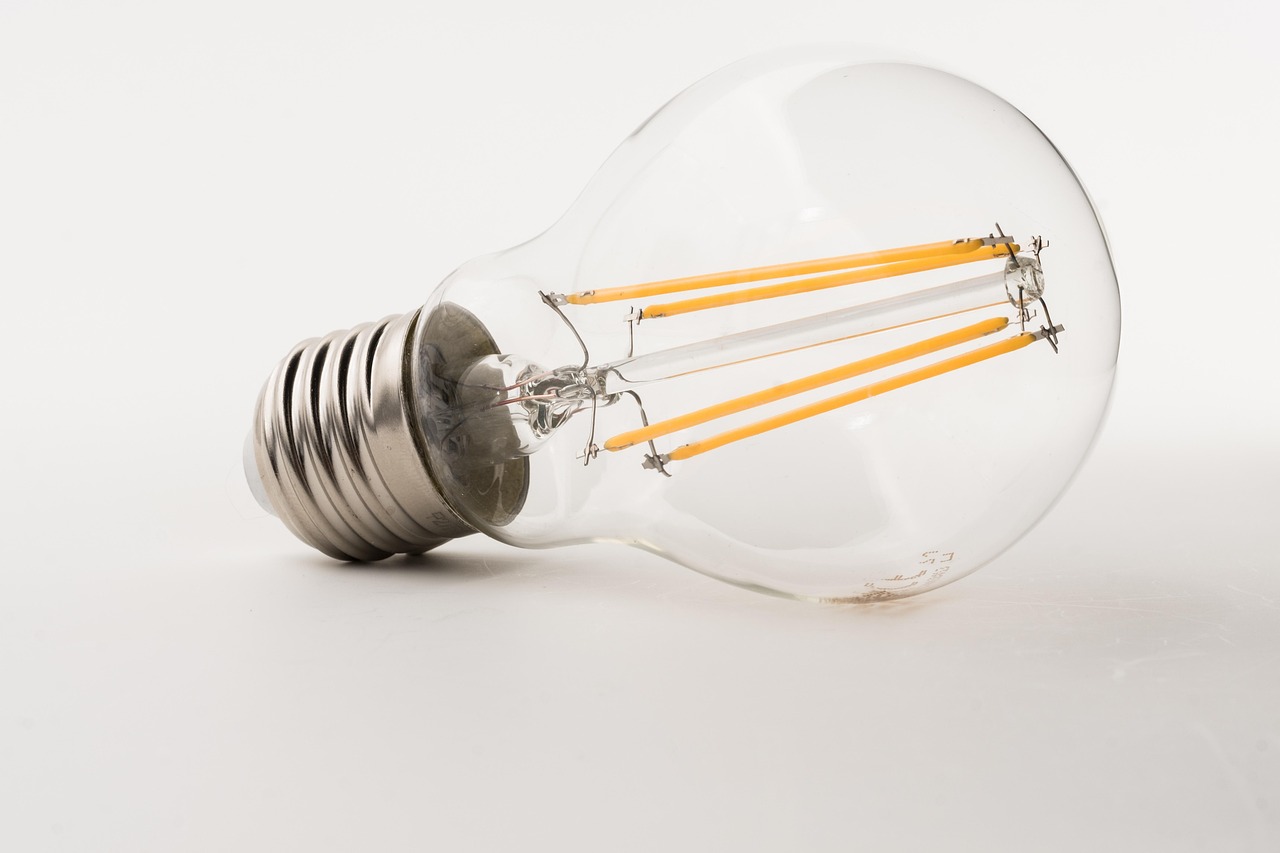
Energy efficiency and savings are crucial aspects of the EU energy law, aiming to reduce energy consumption and promote sustainable development. The key concept of energy efficiency refers to the use of technology and practices that minimize energy waste and optimize energy consumption. This can be achieved through various measures, such as using energy-efficient appliances, improving insulation in buildings, and implementing smart grid systems.
In the context of EU energy law, energy efficiency is a critical component of the EU's climate and energy policy, which aims to reduce greenhouse gas emissions and promote the use of renewable energy sources. The EU has set ambitious targets to increase energy efficiency, including a 32.5% Reduction in energy consumption by 2030. To achieve these targets, the EU has implemented various policies and measures, such as the Energy Efficiency Directive, which sets out binding energy efficiency targets for member states.
One of the key challenges in achieving energy efficiency is the lack of awareness and knowledge about energy-efficient technologies and practices. Many consumers and businesses are not aware of the benefits of energy efficiency, such as cost savings and reduced environmental impact. To address this challenge, the EU has implemented various initiatives, such as the Energy Efficiency Labeling scheme, which provides consumers with information about the energy efficiency of products.
Another important concept in energy efficiency is the idea of energy savings, which refers to the reduction in energy consumption achieved through energy-efficient measures. Energy savings can be achieved through various means, such as improving the insulation of buildings, using low-energy lighting, and implementing energy management systems. The EU has set targets to achieve significant energy savings, including a 10% reduction in energy consumption by 2020.
In addition to energy efficiency and energy savings, the concept of renewable energy is also crucial in the context of EU energy law. Renewable energy sources, such as wind, solar, and hydro power, offer a sustainable alternative to fossil fuels and can help reduce greenhouse gas emissions. The EU has set ambitious targets to increase the share of renewable energy in the energy mix, including a target of at least 32% of renewable energy by 2030.
The EU has implemented various policies and measures to promote the use of renewable energy, such as the Renewable Energy Directive, which sets out binding targets for the use of renewable energy in member states. The directive also establishes a framework for the support of renewable energy, including feed-in tariffs and tax incentives.
Energy storage is also a critical aspect of energy efficiency and savings, as it enables the efficient use of renewable energy sources. Energy storage technologies, such as batteries and pumped hydro storage, can store excess energy generated from renewable sources and release it when needed, reducing the need for fossil fuels and minimizing energy waste.
The EU has implemented various initiatives to promote the development of energy storage technologies, including the Horizon 2020 program, which provides funding for research and development of energy storage technologies. The EU has also established the Energy Storage Association, which brings together industry stakeholders to promote the development and deployment of energy storage technologies.
Building insulation is another key aspect of energy efficiency, as it can significantly reduce energy consumption and greenhouse gas emissions. The EU has implemented various policies and measures to promote building insulation, including the Energy Performance of Buildings Directive, which sets out minimum energy performance requirements for buildings.
The directive also establishes a framework for the certification of buildings, including the use of energy performance certificates, which provide information about the energy efficiency of buildings. The EU has also implemented various initiatives to promote the use of green building materials and sustainable construction practices.
Smart grids are also a critical aspect of energy efficiency and savings, as they enable the efficient use of renewable energy sources and reduce energy waste. Smart grids use advanced technologies, such as smart meters and grid management systems, to manage energy distribution and consumption in real-time.
The EU has implemented various initiatives to promote the development of smart grids, including the Smart Grids Task Force, which brings together industry stakeholders to promote the development and deployment of smart grid technologies. The EU has also established the Smart Grids Association, which provides a platform for industry stakeholders to share knowledge and best practices.
Energy-efficient appliances are also a key aspect of energy efficiency, as they can significantly reduce energy consumption and greenhouse gas emissions. The EU has implemented various policies and measures to promote the use of energy-efficient appliances, including the Eco-Design Directive, which sets out minimum energy efficiency requirements for appliances.
The directive also establishes a framework for the labeling of appliances, including the use of energy labels, which provide consumers with information about the energy efficiency of appliances. The EU has also implemented various initiatives to promote the use of energy-efficient lighting and smart home appliances.
In addition to these measures, the EU has also implemented various policies and initiatives to promote energy efficiency in industry, including the Industrial Emissions Directive, which sets out minimum energy efficiency requirements for industrial processes. The EU has also established the Industrial Energy Efficiency initiative, which provides funding and support for industry stakeholders to improve energy efficiency.
The EU has also implemented various policies and initiatives to promote energy efficiency in transport, including the Alternative Fuels Infrastructure Directive, which sets out minimum requirements for the deployment of alternative fuel infrastructure. The EU has also established the Green Transport initiative, which provides funding and support for the development of green transport technologies.
Energy poverty is also a critical aspect of energy efficiency, as it refers to the inability of households to afford adequate energy services. The EU has implemented various policies and measures to address energy poverty, including the Energy Poverty Directive, which sets out minimum requirements for member states to address energy poverty.
The directive also establishes a framework for the support of energy-poor households, including the use of energy subsidies and social tariffs. The EU has also implemented various initiatives to promote the use of energy-efficient technologies and practices in energy-poor households.
Behavioral change is also a critical aspect of energy efficiency, as it refers to the changes in behavior that individuals and households can make to reduce energy consumption. The EU has implemented various policies and initiatives to promote behavioral change, including the Behavioral Change Initiative, which provides funding and support for initiatives that promote behavioral change.
The EU has also established the Energy Awareness campaign, which aims to raise awareness about the importance of energy efficiency and promote behavioral change. The campaign uses various tools and channels, including social media and public events, to reach a wide audience and promote energy-efficient behaviors.
In addition to these measures, the EU has also implemented various policies and initiatives to promote energy efficiency in the building sector, including the Building Energy Efficiency initiative, which provides funding and support for the development of energy-efficient building technologies. The EU has also established the Building Energy Performance initiative, which aims to improve the energy performance of buildings through the use of energy-efficient technologies and practices.
The EU has also implemented various policies and initiatives to promote energy efficiency in the renewable energy sector, including the Renewable Energy Development initiative, which provides funding and support for the development of renewable energy technologies. The EU has also established the Renewable Energy Platform, which brings together industry stakeholders to promote the development and deployment of renewable energy technologies.
Energy efficiency financing is also a critical aspect of energy efficiency, as it refers to the financial mechanisms and instruments that are used to support energy efficiency investments. The EU has implemented various policies and initiatives to promote energy efficiency financing, including the Energy Efficiency Financial Instrument, which provides funding for energy efficiency projects.
The EU has also established the Energy Efficiency Fund, which provides financing for energy efficiency projects in member states. The EU has also implemented various initiatives to promote the use of green bonds and energy efficiency loans to support energy efficiency investments.
In conclusion, energy efficiency and savings are critical aspects of EU energy law, and the EU has implemented various policies and measures to promote energy efficiency and reduce energy consumption. The key concepts of energy efficiency, energy savings, and renewable energy are crucial in achieving the EU's climate and energy goals, and the EU has established various initiatives and instruments to support the development and deployment of energy-efficient technologies and practices.
The EU has also implemented various policies and initiatives to promote energy efficiency in different sectors, including industry, transport, and buildings. The EU has also established various instruments and mechanisms to support energy efficiency financing, including the Energy Efficiency Financial Instrument and the Energy Efficiency Fund.
Overall, the EU's energy efficiency policies and measures aim to promote sustainable development, reduce greenhouse gas emissions, and improve the competitiveness of the EU economy. The EU's energy efficiency initiatives and instruments provide a framework for the development and deployment of energy-efficient technologies and practices, and support the transition to a low-carbon economy.
The EU's energy efficiency policies and measures also aim to address energy poverty and promote behavioral change, through the use of energy subsidies and social tariffs, and the promotion of energy-efficient technologies and practices. The EU's energy efficiency initiatives and instruments also provide a platform for industry stakeholders to share knowledge and best practices, and to promote the development and deployment of energy-efficient technologies and practices.
The EU's energy efficiency policies and measures are also closely linked to the EU's climate and energy goals, including the reduction of greenhouse gas emissions and the promotion of renewable energy.
In order to achieve the EU's energy efficiency targets, it is essential to promote the development and deployment of energy-efficient technologies and practices, and to support the transition to a low-carbon economy. The EU's energy efficiency policies and measures provide a framework for the development and deployment of energy-efficient technologies and practices, and support the transition to a low-carbon economy.
The EU's energy efficiency policies and measures aim to promote sustainable development, reduce greenhouse gas emissions, and improve the competitiveness of the EU economy.
The EU's energy efficiency policies and measures aim to promote the use of energy-efficient technologies and practices, and to support the development and deployment of renewable energy sources. The EU's energy efficiency initiatives and instruments provide a platform for industry stakeholders to share knowledge and best practices, and to promote the development and deployment of energy-efficient technologies and practices.
Key takeaways
- This can be achieved through various measures, such as using energy-efficient appliances, improving insulation in buildings, and implementing smart grid systems.
- In the context of EU energy law, energy efficiency is a critical component of the EU's climate and energy policy, which aims to reduce greenhouse gas emissions and promote the use of renewable energy sources.
- To address this challenge, the EU has implemented various initiatives, such as the Energy Efficiency Labeling scheme, which provides consumers with information about the energy efficiency of products.
- Energy savings can be achieved through various means, such as improving the insulation of buildings, using low-energy lighting, and implementing energy management systems.
- Renewable energy sources, such as wind, solar, and hydro power, offer a sustainable alternative to fossil fuels and can help reduce greenhouse gas emissions.
- The EU has implemented various policies and measures to promote the use of renewable energy, such as the Renewable Energy Directive, which sets out binding targets for the use of renewable energy in member states.
- Energy storage technologies, such as batteries and pumped hydro storage, can store excess energy generated from renewable sources and release it when needed, reducing the need for fossil fuels and minimizing energy waste.