
Advanced Sculpture Methods
In the Global Certificate Course in Clay Sculpture Creations, advanced sculpture methods involve a range of techniques and tools used to create complex and detailed sculptures. One key term is armature , which refers to the internal framewo…
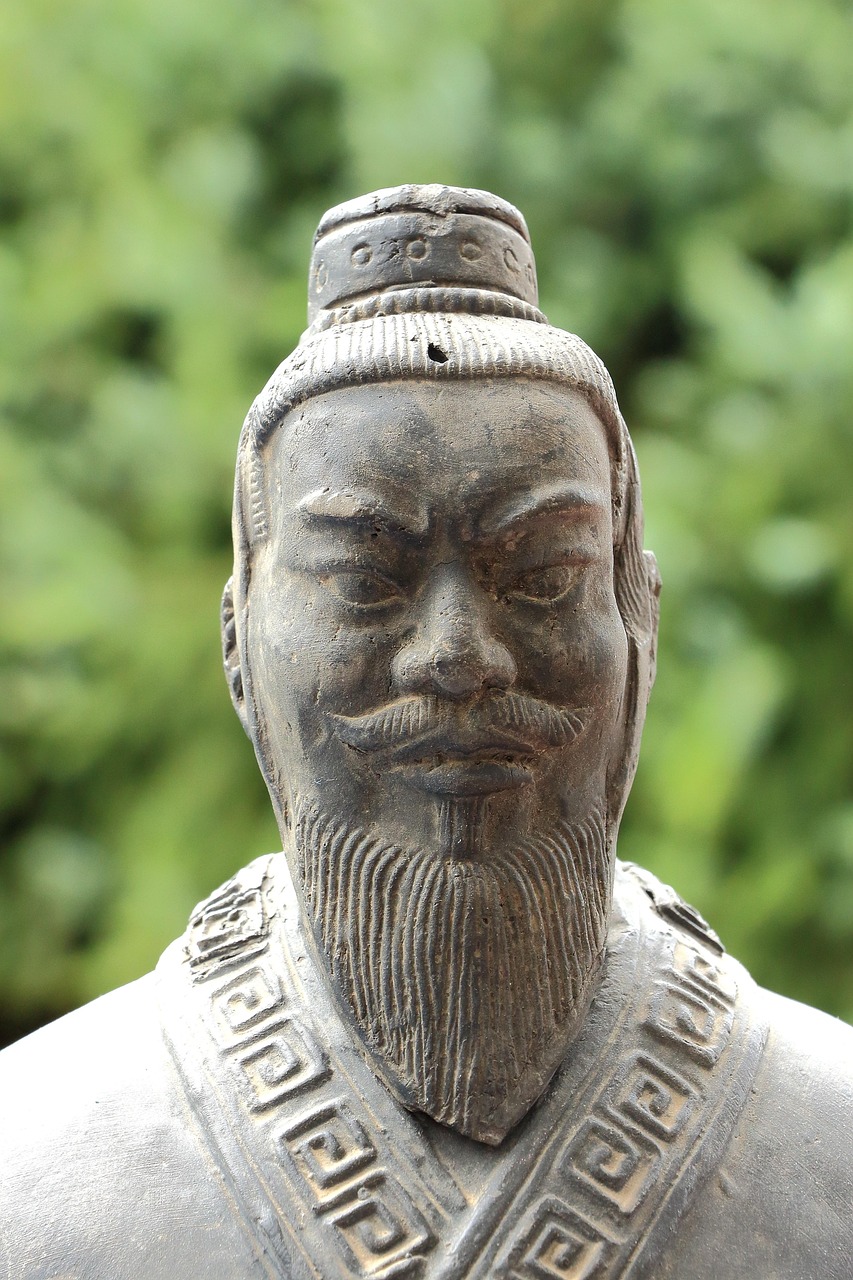
In the Global Certificate Course in Clay Sculpture Creations, advanced sculpture methods involve a range of techniques and tools used to create complex and detailed sculptures. One key term is armature, which refers to the internal framework of a sculpture that provides support and stability. This can be made from a variety of materials, including wire, wood, or metal, and is especially important when creating large or complex sculptures. For example, a sculptor creating a life-size figure might use a wire armature to support the weight of the clay and maintain the pose.
Another important concept is negative space, which refers to the empty space around and within a sculpture. This can be used to create a sense of movement, tension, or drama, and can also help to define the shape and form of the sculpture. Sculptors use calipers to measure and refine the dimensions of their work, ensuring that the proportions are accurate and the details are precise. By carefully considering negative space and using tools like calipers, sculptors can create complex and engaging sculptures that draw the viewer's eye.
Sculptors also use a range of techniques to add texture and interest to their work, including modeling and carving. Modeling involves shaping and smoothing the clay to create a smooth, continuous surface, while carving involves removing material to create intricate details and patterns. For example, a sculptor might use modeling to create a smooth, rounded surface, and then use carving to add intricate details like eyes, hair, or clothing.
In addition to these techniques, sculptors must also consider the materiality of their work, including the type of clay they use and how it will respond to different tools and techniques. Different types of clay have unique properties and challenges, and sculptors must be able to adapt their techniques to suit the material they are working with. For example, a sculptor working with porcelain clay might need to use a more delicate touch and finer tools to avoid damaging the material, while a sculptor working with earthenware clay might be able to use more robust tools and techniques.
As sculptors progress to more advanced techniques, they may encounter challenges like cracking or warpage, which can occur when the clay is not properly supported or when it is subjected to extreme temperatures or humidity. To avoid these problems, sculptors must be able to analyze their work and identify potential risks, taking steps to mitigate them before they become major issues. This might involve using specialized tools or techniques, like reinforcing the clay with wire or fabric, or controlling the environment in which the sculpture is created and fired.
Sculptors must also be able to refine their work, making subtle adjustments to the shape, form, and details of the sculpture to create a cohesive and polished final product. This can involve using a range of tools, from fine loop tools to broad ribbon tools, to smooth and shape the surface of the clay. By carefully refining their work, sculptors can create sculptures that are both visually striking and technically proficient.
In terms of color and surface decoration, sculptors have a wide range of options to choose from, including underglaze pencils, overglaze enamels, and patina solutions. These can be used to add intricate details, patterns, and textures to the surface of the sculpture, and can help to create a sense of depth, contrast, and visual interest. For example, a sculptor might use underglaze pencils to add fine details like eyes or eyebrows, and then use overglaze enamels to add bold, bright colors and patterns.
Sculptors must also consider the context in which their work will be displayed, including the scale and proportion of the sculpture in relation to its surroundings. This can involve creating a maquette or small-scale model of the sculpture, to test and refine the design before creating the full-size version. By carefully considering the context and scale of their work, sculptors can create sculptures that are both visually striking and thought-provoking.
The process of firing and glazing is also critical, as it can greatly affect the final appearance and durability of the sculpture. Sculptors must be able to control the temperature and atmosphere of the kiln, to achieve the desired effects and avoid defects like cracking or warpage. They must also be able to mix and apply glazes, to create a range of colors and textures that enhance the sculpture without overpowering it.
In addition to these technical considerations, sculptors must also be able to conceptualize and develop their ideas, using a range of techniques like sketching and modeling to refine and realize their vision. This can involve exploring different themes and ideas, and experimenting with various materials and techniques to find the best way to express them. By combining technical skill with creative vision, sculptors can create complex and engaging sculptures that challenge and inspire the viewer.
As sculptors work to refine and perfect their craft, they must also be able to analyze and evaluate their own work, identifying areas for improvement and developing strategies to address them. This can involve seeking feedback from peers and mentors, as well as reflecting on their own process and technique. By continually evaluating and refining their work, sculptors can push the boundaries of what is possible and create truly innovative and exceptional sculptures.
The use of technology is also becoming increasingly important in sculpture, with digital tools like 3D printing and CAD software allowing sculptors to create complex and intricate forms with greater ease and precision. These tools can be used to model and simulate the sculpture, allowing the sculptor to test and refine their ideas before creating the physical version. By combining traditional techniques with digital tools, sculptors can create sculptures that are both technically proficient and visually stunning.
In terms of presentation and display, sculptors must be able to design and install their work in a way that showcases its best features and engages the viewer. This can involve creating a pedestal or base for the sculpture, as well as lighting and arranging the surrounding space to create a sense of drama and tension. By carefully considering the presentation and display of their work, sculptors can create a powerful and lasting impression on the viewer.
Sculptors must also be able to document and record their work, using photography and video to capture the sculpture from different angles and perspectives. This can involve using specialized equipment like tripods and lights, as well as software like image editing programs to enhance and refine the images. By creating a portfolio of their work, sculptors can showcase their skills and talents to galleries and collectors, and establish themselves as professional artists.
The process of casting and molding is also important, as it allows sculptors to create multiple copies of their work and to experiment with different materials and techniques. This can involve creating a mold of the sculpture, using materials like plaster or resin, and then casting the sculpture using a range of techniques like bronze or aluminum. By mastering the process of casting and molding, sculptors can create complex and intricate sculptures that are both technically proficient and visually stunning.
In addition to these technical considerations, sculptors must also be able to market and promote their work, using a range of strategies like social media and networking to connect with galleries and collectors. This can involve creating a website or blog to showcase their work, as well as participating in exhibitions and competitions to gain recognition and exposure. By effectively marketing and promoting their work, sculptors can establish themselves as professional artists and build a successful career.
The use of sustainability and eco-friendliness is also becoming increasingly important in sculpture, with sculptors seeking to minimize their impact on the environment and create work that is both technically proficient and responsible. This can involve using recycled or sustainable materials, as well as reducing waste and conserving resources. By prioritizing sustainability and eco-friendliness, sculptors can create work that is not only visually stunning but also responsible and ethical.
In terms of collaboration and community, sculptors must be able to work and communicate effectively with others, including assistants and colleagues, to bring their vision to life. This can involve delegating tasks and managing projects, as well as seeking feedback and support from others. By building strong relationships and networks, sculptors can access new opportunities and resources, and create work that is both technically proficient and innovative.
The process of experimentation and innovation is also critical, as it allows sculptors to push the boundaries of what is possible and create truly original and groundbreaking work. This can involve testing new materials and techniques, as well as exploring new themes and ideas. By embracing experimentation and innovation, sculptors can stay ahead of the curve and create work that is both visually stunning and thought-provoking.
In addition to these technical and creative considerations, sculptors must also be able to manage their time and resources effectively, prioritizing tasks and allocating their energy and attention in a way that allows them to meet deadlines and achieve their goals. This can involve creating a schedule or budget, as well as setting realistic targets and milestones. By effectively managing their time and resources, sculptors can create work that is both technically proficient and professionally presented.
The use of critique and feedback is also important, as it allows sculptors to evaluate and refine their work, identifying areas for improvement and developing strategies to address them. This can involve seeking feedback from peers and mentors, as well as reflecting on their own process and technique. By embracing critique and feedback, sculptors can create work that is both technically proficient and visually stunning.
In terms of historical and cultural context, sculptors must be able to understand and appreciate the rich and diverse heritage of sculpture, from ancient civilizations to modern and contemporary artists. This can involve studying the work of masters and innovators, as well as exploring different styles and movements. By understanding the historical and cultural context of sculpture, sculptors can create work that is both technically proficient and meaningful.
The process of preservation and conservation is also important, as it allows sculptors to protect and conserve their work for future generations, ensuring that it remains stable and intact over time. This can involve using specialized materials and techniques, as well as following established guidelines and standards. By prioritizing preservation and conservation, sculptors can create work that is both technically proficient and long-lasting.
In addition to these technical and creative considerations, sculptors must also be able to network and collaborate with others, including galleries and collectors, to showcase and promote their work. This can involve attending exhibitions and events, as well as building relationships with curators and dealers. By effectively networking and collaborating, sculptors can establish themselves as professional artists and build a successful career.
The use of digital and online platforms is also becoming increasingly important, as it allows sculptors to showcase and promote their work to a global audience, using websites and social media to connect with collectors and galleries. This can involve creating a website or blog, as well as using social media platforms to share their work and engage with others. By effectively using digital and online platforms, sculptors can establish themselves as professional artists and build a global reputation.
In terms of business and entrepreneurship, sculptors must be able to manage their finances and operations effectively, prioritizing tasks and allocating their resources in a way that allows them to meet deadlines and achieve their goals. This can involve creating a business plan or budget, as well as setting realistic targets and milestones. By effectively managing their business and operations, sculptors can establish themselves as professional artists and build a successful career.
The process of evaluation and assessment is also important, as it allows sculptors to evaluate and refine their work, identifying areas for improvement and developing strategies to address them. By embracing evaluation and assessment, sculptors can create work that is both technically proficient and visually stunning.
In addition to these technical and creative considerations, sculptors must also be able to adapt and evolve in response to changing trends and technologies, staying ahead of the curve and pushing the boundaries of what is possible. This can involve exploring new materials and techniques, as well as attending workshops and conferences to stay up-to-date with the latest developments and advances. By effectively adapting and evolving, sculptors can establish themselves as innovative and forward-thinking artists, and build a successful and sustainable career.
Key takeaways
- In the Global Certificate Course in Clay Sculpture Creations, advanced sculpture methods involve a range of techniques and tools used to create complex and detailed sculptures.
- By carefully considering negative space and using tools like calipers, sculptors can create complex and engaging sculptures that draw the viewer's eye.
- Modeling involves shaping and smoothing the clay to create a smooth, continuous surface, while carving involves removing material to create intricate details and patterns.
- In addition to these techniques, sculptors must also consider the materiality of their work, including the type of clay they use and how it will respond to different tools and techniques.
- As sculptors progress to more advanced techniques, they may encounter challenges like cracking or warpage, which can occur when the clay is not properly supported or when it is subjected to extreme temperatures or humidity.
- Sculptors must also be able to refine their work, making subtle adjustments to the shape, form, and details of the sculpture to create a cohesive and polished final product.
- In terms of color and surface decoration, sculptors have a wide range of options to choose from, including underglaze pencils, overglaze enamels, and patina solutions.