
Lighting for Interior Spaces
Lighting for interior spaces is a multidisciplinary field that combines physics, engineering, design, and human factors. Mastery of the terminology is essential for anyone pursuing the Professional Certificate in Technology in Lighting Syst…
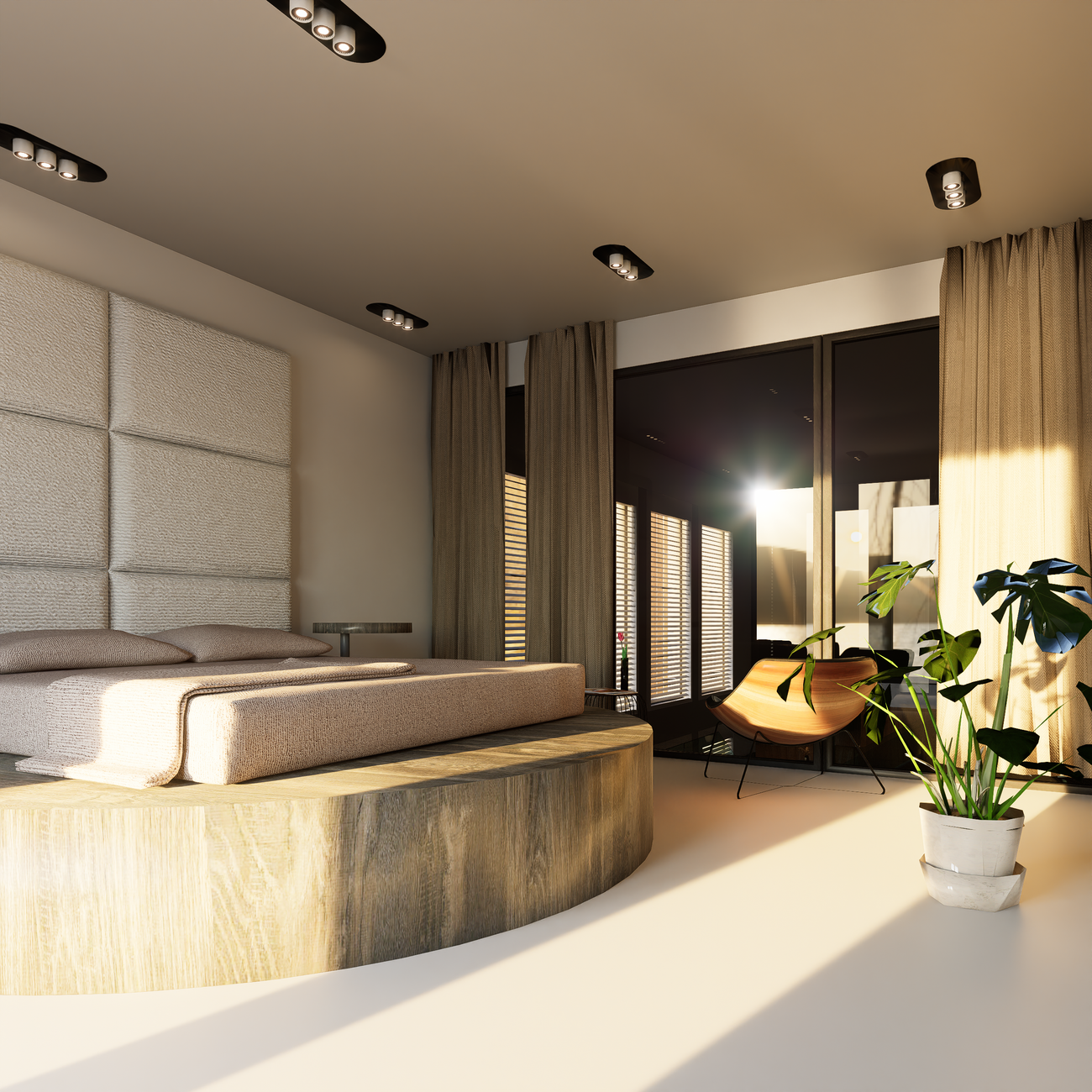
Lighting for interior spaces is a multidisciplinary field that combines physics, engineering, design, and human factors. Mastery of the terminology is essential for anyone pursuing the Professional Certificate in Technology in Lighting Systems, because precise communication underpins successful design, specification, installation, and performance evaluation. The following exposition presents the most important terms and concepts, organized by thematic clusters. Each entry includes a definition, a practical example, typical applications, and common challenges that practitioners may encounter. The content is deliberately detailed to serve as a ready reference for students and professionals alike.
Lumen is the SI unit of luminous flux, representing the total amount of visible light emitted by a source per unit of time. It quantifies the perceived power of light to the human eye, regardless of direction. For example, a 15‑watt LED bulb may produce 1,600 lumens, roughly equivalent to the output of a traditional 100‑watt incandescent lamp. Designers use the lumen rating to determine how many fixtures are required to achieve a target illuminance level in a room. A common challenge is that manufacturers sometimes quote “lumens per watt” without specifying the testing conditions, leading to over‑optimistic expectations of performance.
Lux is the derived unit of illuminance, defined as one lumen per square metre. It measures how much luminous flux is incident on a surface, and therefore directly relates to visual tasks. In an office setting, the recommended task illuminance for computer work is typically 500 lux, whereas a conference room may require only 300 lux for general viewing. To achieve the target, designers calculate the total required lumens and then select fixtures with appropriate distribution characteristics. One frequent difficulty is accounting for surface reflectance; a highly reflective ceiling can increase the measured lux without adding additional light sources, potentially leading to uneven illumination if not properly modeled.
Luminance differs from illuminance in that it describes the amount of light leaving a surface, expressed in candelas per square metre (cd/m²). It is a key factor in evaluating glare and visual comfort. For instance, a glossy office desk may have a high luminance when illuminated, which can cause reflections that hinder reading. Designers mitigate this by selecting matte finishes or adjusting the angle of light fixtures to reduce the view angle. A practical challenge is that luminance is highly dependent on the observer’s position, making it necessary to perform glare analysis from multiple viewpoints.
Candela is the SI unit of luminous intensity, representing the power emitted by a light source in a particular direction, measured in candelas (cd). It is closely related to the beam angle of a fixture. A spotlight with a narrow beam may have a high candela rating, concentrating light into a small area, whereas a diffuser will have a lower candela value but a wider spread. Understanding candela helps in selecting the appropriate fixture for accent lighting, such as highlighting artwork in a gallery. A common mistake is to assume that a higher candela automatically means brighter overall illumination, ignoring the role of beam distribution.
Foot‑candle (fc) is the imperial counterpart to lux, defined as one lumen per square foot. In the United States, many lighting specifications still use foot‑candles, especially in commercial and industrial environments. For example, a manufacturing floor may be required to maintain 100 fc for safety and precision work. Converting between foot‑candles and lux (1 fc ≈ 10.764 lux) is essential when collaborating with international partners who use metric units. Miscommunication can arise if the conversion is overlooked, leading to under‑ or over‑lighting.
Color Temperature is expressed in kelvin (K) and describes the hue of a light source as perceived by the human eye, ranging from warm (≈2 700 K) to cool (≈6 500 K). Warm light has a reddish‑yellow cast, while cool light appears bluish. In residential settings, a warm color temperature is often preferred for living rooms to create a cozy atmosphere, whereas a cooler temperature may be selected for kitchens to enhance task performance. The challenge lies in balancing aesthetic preferences with functional requirements; overly cool lighting in a bedroom can disrupt circadian rhythms and affect sleep quality.
Correlated Color Temperature (CCT) is a more precise term for color temperature, indicating the temperature of a black‑body radiator that most closely matches the hue of the light source. Modern LED products typically list CCT values rather than generic “warm” or “cool” descriptors. For instance, a 4 000 K CCT LED provides a neutral white light that suits both office work and conference presentation. Designers must be aware that CCT can shift over the lifetime of a lamp, especially with phosphor‑based LEDs, potentially altering the visual environment if not accounted for in the design.
Color Rendering Index (CRI) is a quantitative measure of a light source’s ability to reveal the colors of objects accurately, on a scale from 0 to 100. A CRI of 80 or higher is generally acceptable for most interior applications, while critical tasks such as graphic design or medical examination may demand CRI values of 90 or above. For example, a retail clothing store may specify CRI ≥ 85 to ensure that garment colors appear true to customers. A frequent issue is that some high‑efficiency LEDs achieve excellent lumens per watt but have lower CRI, leading to a trade‑off between energy performance and color fidelity.
Spectral Power Distribution (SPD) describes the intensity of light emitted at each wavelength across the visible spectrum. It provides a detailed fingerprint of a source’s color characteristics and is essential for advanced lighting analysis. SPD data can be used to calculate both CRI and CCT, as well as to predict how a light source will interact with colored surfaces. In museum lighting, SPD is crucial for preserving artworks, as certain wavelengths can accelerate pigment degradation. Practitioners must often rely on manufacturer‑provided SPD charts, and a challenge is that these charts may be presented in a simplified form that omits fine spectral peaks.
Luminous Efficacy is the ratio of luminous flux (in lumens) to electrical power (in watts), expressed as lm/W. It indicates how efficiently a lamp converts electricity into visible light. LEDs typically exhibit luminous efficacy values between 80 and 150 lm/W, whereas incandescent lamps are limited to about 15 lm/W. High luminous efficacy reduces energy consumption and operating costs, making it a primary selection criterion for sustainable design. However, achieving high efficacy can sometimes compromise other qualities such as color rendering or lifespan, requiring careful optimization.
Beam Angle defines the spread of light emitted from a fixture, measured as the angle between the two directions at which the intensity falls to 50 % of the maximum on the central axis. A narrow beam angle (e.g., 15°) concentrates light for spot applications, while a wide beam angle (e.g., 120°) provides broad, diffuse illumination. In a conference room, a wide‑angle recessed downlight may be used for general illumination, whereas a narrow‑angle track light can highlight a speaker’s podium. Selecting the correct beam angle is critical to avoid hotspots and to maintain uniformity across the space.
Uniformity Ratio is the ratio of the minimum to the average illuminance within a defined area, often expressed as a percentage. For task lighting, a uniformity ratio of at least 0.7 (or 70 %) is commonly required to ensure even lighting without distracting contrasts. In a laboratory, low uniformity can cause visual strain when reading detailed data. Designers calculate uniformity by mapping illuminance values across the workplane, and a common challenge is that irregular ceiling geometry or obstructions can degrade uniformity, necessitating additional fixtures or diffusers.
Glare refers to the discomfort or visual impairment caused by excessive brightness or contrast between a light source and its surroundings. Glare is quantified using metrics such as the Unified Glare Rating (UGR) for indoor environments. A UGR below 19 is generally acceptable for office spaces, while a lower value may be required for classrooms. Examples of glare include a bright computer monitor reflecting off a glossy ceiling or a spotlight directly in a viewer’s line of sight. Mitigation strategies involve using indirect lighting, louvers, or anti‑glare coatings, but over‑reliance on diffusers can reduce overall illuminance, creating a trade‑off.
Flicker is the rapid variation of light intensity, often perceptible at low frequencies (below 100 Hz) and potentially harmful to human health. LED drivers that use pulse‑width modulation (PWM) can introduce flicker if not properly designed. In a hospital operating room, flicker can cause visual fatigue for surgeons, while in a classroom it may lead to headaches for students. Standards such as IEC 61000‑4‑15 define acceptable flicker thresholds, and designers must select drivers with low flicker index values. A common pitfall is assuming that a light source is flicker‑free because it is rated “high frequency,” without verifying the actual modulation depth.
Color Consistency describes the ability of a lighting system to maintain the same color appearance across multiple fixtures and over time. In retail environments, inconsistent color can lead to misrepresentation of product colors, affecting sales. LED manufacturers address this by binning LEDs based on CCT and CRI, and by providing tighter tolerances for color consistency. However, temperature variations and aging can cause drift, so designers often implement color‑matching procedures during installation and specify replacement policies to preserve visual uniformity.
Ballast is an electrical device that regulates the current to a lamp, particularly in fluorescent and high‑intensity discharge (HID) systems. In magnetic ballasts, an inductive coil limits current, while electronic ballasts use semiconductor circuitry for higher efficiency and lower noise. For example, a 4‑foot fluorescent troffer typically requires an electronic ballast to achieve stable operation and reduce flicker. The challenge with ballasts is that they add to the total system cost and can generate heat, which may affect lamp lifespan if not properly managed.
Driver is the term used for the power supply unit that controls current and voltage for LED luminaires. Drivers may be constant current or constant voltage, and can incorporate dimming capabilities, thermal protection, and surge suppression. A recessed LED downlight often contains a built‑in driver rated for 350 mA constant current. Selecting the correct driver is crucial because mismatched voltage or current can shorten LED life or cause premature failure. Designers must also consider driver efficiency, as losses in the driver reduce the overall system efficacy.
Fixture denotes the complete lighting assembly, including the housing, optics, lamp, and any associated electrical components. Fixtures are classified by mounting method (recessed, surface‑mounted, pendant), application (task, accent, ambient), and technology (LED, fluorescent, incandescent). For instance, a surface‑mounted LED panel is a common ambient fixture in open‑plan offices. Understanding fixture specifications such as IP rating, thermal resistance, and lumen output is essential for ensuring compatibility with the intended environment. A frequent oversight is neglecting to verify that the fixture’s mounting hardware can support the ceiling material, leading to installation difficulties.
Lumen Maintenance Factor (LMF) quantifies the reduction in luminous output of a lamp over time due to lumen depreciation (LD) and dirt accumulation. An LMF of 0.8 indicates that the lamp will retain 80 % of its initial output at the end of its rated life. Designers incorporate LMF into lighting calculations to ensure that the required illuminance is maintained throughout the maintenance cycle. For example, a high‑traffic retail store may experience rapid dirt build‑up, resulting in a lower LMF (≈0.7), which must be compensated by selecting higher‑output fixtures or scheduling more frequent cleaning. Ignoring LMF can lead to insufficient lighting before lamps are replaced.
Daylight Factor (DF) is a metric used to evaluate the contribution of natural light to interior illumination. It is expressed as a percentage of the outdoor illuminance that reaches a given interior point. A DF of 2 % is typical for offices, providing a baseline level of daylight that reduces artificial lighting demand. Designers use daylight modeling tools to calculate DF and to optimize window placement, glazing type, and shading devices. A challenge arises when the DF varies significantly throughout the day, requiring dynamic lighting controls to balance daylight and electric lighting while avoiding glare.
Daylight Harvesting refers to the practice of adjusting electric lighting levels in response to available natural light, using photosensors or occupancy sensors. In an office with large windows, daylight harvesting can reduce energy consumption by up to 30 % by dimming fixtures as sunlight increases. Implementation involves integrating dimmable drivers, control algorithms, and sensor placement strategies. However, improper sensor calibration can cause “flickering” of light levels at sunrise or sunset, leading to occupant discomfort. Designers must therefore perform thorough commissioning and provide user override options.
Lighting Control encompasses a range of technologies that regulate illumination, including dimmers, timers, occupancy sensors, and networked control systems (e.g., DALI, Zigbee, Bluetooth Mesh). Controls enable energy savings, enhance visual comfort, and support flexible space usage. For example, a conference room may use a presence sensor to turn lights on when occupants enter, and a daylight sensor to dim the fixtures when sunlight is present. The main challenges involve ensuring interoperability between devices, avoiding control conflicts, and providing intuitive user interfaces. Poorly designed control schemes can result in lights that remain on unnecessarily or dim to unacceptable levels.
Dimmer is a device that reduces the voltage or current supplied to a lamp, thereby lowering its light output. Dimmers are categorized as leading‑edge (triac) or trailing‑edge (electronic) based on the waveform they produce. LED fixtures typically require trailing‑edge dimmers to avoid flicker and to achieve smooth dimming curves. In a restaurant, a dimmer may be used to create ambiance by lowering light levels in the evening. A common mistake is pairing a dimmer with an incompatible lamp type, which can cause humming, reduced lifespan, or failure to dim at all.
Occupancy Sensor detects the presence of people within a space and triggers lighting actions such as turning on, off, or dimming. Sensors can be passive infrared (PIR), ultrasonic, or dual‑technology, each with distinct detection characteristics. In a restroom, a PIR sensor may activate the lights when someone enters, and automatically switch them off after a set timeout. Challenges include sensor placement (to avoid blind spots), sensitivity adjustment (to prevent false triggers), and integration with other building systems. In high‑traffic areas, frequent on/off cycling can reduce lamp life if not properly managed.
Integrated Luminaire is a lighting product in which the light source, driver, and optics are permanently combined within a single housing. This approach simplifies installation, reduces component count, and often improves reliability. For example, a linear LED panel is an integrated luminaire that provides uniform, high‑efficiency illumination for office ceilings. However, integrated luminaires can limit flexibility; if a different driver is needed for dimming, the entire luminaire may need replacement. Designers must therefore consider future upgrade pathways when specifying integrated products.
Retrofit refers to the process of replacing existing lighting fixtures with newer, more efficient technology while preserving the original mounting and architectural features. A common retrofit scenario involves swapping fluorescent tubes for LED troffers in a warehouse, resulting in reduced energy consumption and lower maintenance costs. The key considerations include compatibility of the new fixture with the existing ballast (ballast‑compatible LEDs versus ballast‑independent units), thermal management, and compliance with local codes. A challenge in retrofit projects is ensuring that the new lighting meets the required illumination levels without creating excessive glare or altering the visual character of the space.
Thermal Management is the system of dissipating heat generated by a lamp or LED to maintain operating temperatures within safe limits. Excessive temperature can accelerate lumen depreciation and cause premature failure. LED fixtures often incorporate heat sinks, thermal pads, and aluminum housings to conduct heat away from the semiconductor junction. In a high‑bay industrial space, a ceiling‑mounted LED fixture may require a larger heat sink to cope with limited airflow. Designers must evaluate the thermal resistance of the fixture, the ambient temperature, and the mounting configuration. Inadequate thermal management is a leading cause of early LED failure, especially in enclosed fixtures.
IP Rating (Ingress Protection) classifies the degree of protection a fixture provides against solid objects (first digit) and liquids (second digit). An IP65 rating, for instance, indicates dust tightness and protection against water jets. In a kitchen or bathroom, fixtures must meet at least IP44 to guard against splashing, while outdoor luminaires often require IP66 or higher to withstand rain and dust. Selecting the correct IP rating is essential for safety and compliance with building codes. A common oversight is installing a low‑IP fixture in a damp environment, leading to corrosion and electrical hazards.
Color Temperature Tunable lighting allows the CCT to be adjusted dynamically, typically via a control interface or preset scenes. Tunable white LEDs can shift from warm (≈2 700 K) to cool (≈6 500 K) to support circadian lighting strategies. In a healthcare setting, warm light may be used in patient rooms during evening hours to promote relaxation, while cool light is employed in staff work areas to enhance alertness. Implementing tunable lighting requires compatible drivers, control protocols, and user education. A challenge is ensuring that the transition between color temperatures is smooth and does not cause visual discomfort.
Circadian Lighting is a design approach that aligns artificial lighting with the body’s natural biological rhythms, primarily by modulating light intensity and spectrum throughout the day. High‑blue content light in the morning can boost alertness, while reduced blue exposure in the evening supports melatonin production. This concept is applied in office spaces, schools, and senior living facilities to improve wellbeing and productivity. The technical implementation involves using LEDs with controllable spectra, calibrated to deliver appropriate illuminance levels at specific times. Practical challenges include balancing circadian goals with visual task requirements and avoiding excessive glare.
LEED (Leadership in Energy and Environmental Design) is a widely recognized green building certification system that awards points for energy efficiency, indoor environmental quality, and sustainable material use. Lighting contributes to LEED credits through measures such as high luminous efficacy, daylight harvesting, use of low‑emitting materials, and commissioning. For a commercial office pursuing LEED v4.1, a lighting design that achieves 75 % reduction in energy use compared to the baseline may earn points in the “Optimize Energy Performance” credit. Designers must document performance data, conduct simulations, and verify compliance during the certification process. A common pitfall is neglecting to include detailed lighting control documentation, which can jeopardize credit eligibility.
IESNA (Illuminating Engineering Society of North America) provides standards and guidelines that shape lighting design practice. Publications such as “Lighting Handbook” and “Recommended Practice for Lighting Design” define recommended illuminance levels, uniformity criteria, and glare limits for various space types. For example, the IESNA recommends a minimum task illuminance of 300 lux for reading in a library. Designers must reference these standards to ensure that their designs meet industry expectations and local code requirements. A challenge is that IESNA recommendations are often prescriptive, requiring designers to adapt them to the specific architectural constraints of a project.
IEC 60598 is the international standard governing the safety of luminaires. It specifies requirements for electrical insulation, mechanical strength, thermal performance, and protection against fire. Compliance with IEC 60598 is mandatory for many markets and is often indicated by a CE mark. When selecting fixtures for a commercial office, designers verify that the product carries IEC 60598 certification to ensure it meets safety criteria. A common compliance issue is the use of non‑certified accessories, such as incompatible dimmers, which can compromise the overall safety of the installation.
ANSI/ASHRAE Standard 90.1 sets minimum energy efficiency requirements for buildings, including lighting power density (LPD) limits. For example, an office space may be limited to 0.9 watts per square foot of lighting power. Designers calculate the total wattage of the proposed lighting system and compare it to the LPD limit to verify compliance. If the design exceeds the limit, strategies such as reducing fixture count, selecting higher‑efficiency LEDs, or incorporating daylight controls are employed. A frequent challenge is reconciling the LPD restrictions with aesthetic ambitions that call for higher fixture density.
Lighting Layout is the arrangement of fixtures within a space, defining spacing, mounting height, and orientation. A well‑planned layout ensures even illuminance, appropriate uniformity, and compliance with glare standards. In a retail boutique, fixtures may be spaced at one‑half the mounting height to achieve a uniform floor illumination of 500 lux. Layout planning often utilizes software tools that generate point‑by‑point illuminance maps, allowing designers to visualize hotspots and dark zones before installation. A common error is neglecting to account for ceiling recesses or decorative elements that can obstruct light distribution, leading to unexpected shadows.
Point‑by‑Point Method (also known as the Nusselt method) is a precise calculation technique that evaluates illuminance at discrete points across a workplane, considering the contribution of each fixture’s luminous intensity distribution. This method is preferred for complex spaces with irregular geometry or mixed use, such as a museum gallery where spotlights and ambient lighting coexist. The process involves inputting fixture photometric data, specifying point coordinates, and summing contributions using the inverse square law. While highly accurate, the point‑by‑point method is computationally intensive and requires detailed data, which can be a barrier for smaller projects.
Lumen Method (or Zonal Cavity Ratio method) is a simplified approach for estimating average illuminance based on total luminous flux, room area, and utilization factor. It is widely used for quick feasibility studies and for spaces with uniform ceiling heights. The formula L = (Φ × UF × MF) / A, where L is the average illuminance, Φ is the total lumens, UF is the utilization factor, MF is the maintenance factor, and A is the floor area, provides a rapid estimate. Designers must select appropriate UF values based on room cavity ratios and surface reflectances. The limitation of the lumen method is that it does not predict localized variations, which may be critical in task‑oriented areas.
Utilization Factor (UF) quantifies the proportion of emitted luminous flux that reaches the workplane, taking into account room geometry, surface reflectances, and fixture distribution. UF values range from 0 to 1, with higher values indicating more efficient use of light. In a well‑designed office, a UF of 0.6 may be achieved, whereas poorly reflective surfaces can reduce UF to 0.3. Designers compute UF using photometric data and room cavity ratios, often with the assistance of lighting design software. A practical challenge is that UF can be highly sensitive to surface finish; changing ceiling paint from matte white to a darker color can significantly lower UF, requiring a redesign.
Room Cavity Ratio (RCR) is a dimensionless number that describes the proportion of wall and ceiling surface area to floor area, influencing the distribution of light within a space. It is calculated as RCR = (5 × H × (L + W)) / (L × W), where H is the cavity height, and L and W are the room length and width. A higher RCR indicates a deeper cavity, which typically reduces the utilization factor because more light is absorbed by walls and ceiling before reaching the workplane. In a high‑bay warehouse with a tall ceiling, the RCR may be as high as 2.5, necessitating fixtures with wide beam angles to compensate. Designers use RCR to select appropriate fixture types and to predict uniformity.
Photometric Data consists of measured or simulated intensity values for a light source, usually presented in an IES file. The data includes luminous intensity (in candelas) at various angles, allowing accurate modeling of fixture performance. When importing a new LED panel into design software, the photometric data file is essential for generating realistic illuminance maps. A common issue is that manufacturers may provide incomplete or outdated IES files, leading to inaccurate predictions. Verifying the authenticity and version of photometric data is therefore a critical step in the design workflow.
Beam Spread describes the angular distribution of light emitted from a fixture, expressed as a percentage of total luminous flux within a given angle. A fixture with a narrow beam spread concentrates most of its light within a small cone, while a wide‑spread fixture disperses light more evenly. For example, a recessed downlight with a 60° beam spread may deliver 70 % of its lumens within that angle, suitable for general ceiling illumination. Designers must match beam spread to the intended application; an overly narrow spread in a large open area can create uneven lighting, whereas an excessively wide spread may reduce illuminance on the target task surface.
Glare Control Devices such as louvers, diffusers, and baffles are used to mitigate direct or reflected glare. In a conference room, a recessed luminaire may be equipped with a diffuser panel that scatters light, reducing the peak intensity that reaches occupants’ eyes. Louvers can be angled to redirect light upward, providing indirect illumination while shielding occupants from direct glare. The selection of appropriate glare control devices requires balancing visual comfort with illuminance levels; adding too much diffusion can lower overall lux values, necessitating additional fixtures or higher output lamps.
Color Temperature Shifting is a feature of tunable white LED systems that allows the CCT to be altered gradually or in discrete steps. This capability supports dynamic lighting scenarios, such as simulating sunrise in a bedroom to aid waking. In practice, a dimmable LED driver that supports PWM or DALI commands can adjust the proportion of warm and cool LED chips, achieving the desired shift. Designers must coordinate the control strategy with the human factors objectives, ensuring that the transition is not abrupt enough to cause visual discomfort. A technical challenge is maintaining consistent CRI across the entire CCT range, as the spectral composition can change.
Spectral Power Distribution Matching is the process of selecting light sources whose SPD closely aligns with a reference spectrum, often used in color‑critical environments. In a textile studio, matching the SPD of the lighting to that of natural daylight (D65) helps designers assess fabric colors accurately. This may involve choosing LEDs with a specific blend of phosphors or employing supplemental “full‑spectrum” lamps. The difficulty lies in obtaining reliable SPD data and in the higher cost of precisely engineered LEDs. In many cases, designers compromise by selecting high‑CRI fixtures that offer an acceptable approximation of the target SPD.
Light Pollution refers to the excessive or misdirected artificial light that brightens the night sky and can have ecological impacts. Interior lighting can contribute to light pollution through light leaking from windows or through over‑illuminated façades. To mitigate this, designers employ shielding, low‑glare fixtures, and controlled lighting schedules. In a corporate campus, installing downlights with proper cut‑off angles and using automated dimming at night can reduce skyglow. Compliance with local ordinances may require documentation of light spill calculations, adding an administrative layer to the design process.
Energy Star is a voluntary program that certifies products meeting specific energy efficiency criteria. Lighting products that achieve Energy Star qualification typically demonstrate high luminous efficacy, low power consumption, and reliable performance. Selecting Energy Star‑rated fixtures can simplify compliance with energy codes and support sustainability goals. However, the certification process focuses primarily on electrical efficiency and may not address aspects such as CRI or flicker, which are also important for interior quality. Designers should therefore evaluate Energy Star status alongside other performance metrics.
Smart Lighting integrates networked communication, sensors, and automation to provide adaptable illumination solutions. Smart luminaires can be controlled via mobile apps, voice assistants, or building management systems, allowing users to adjust brightness, color temperature, and schedules on demand. In a modern office, a smart lighting system may learn occupancy patterns and automatically dim lights in unused zones, achieving significant energy savings. The challenges include ensuring cybersecurity, managing firmware updates, and providing user training to avoid confusion. Interoperability between different vendors’ protocols (e.g., DALI, Zigbee, Bluetooth) remains a critical consideration.
Wireless DALI extends the Digital Addressable Lighting Interface (DALI) protocol into a wireless format, enabling retrofits without extensive cabling. This technology is valuable in historic buildings where running new wiring is undesirable. A wireless DALI gateway can control a series of LED fixtures, providing dimming and scene selection capabilities. Limitations include signal range, potential interference, and the need for battery or mains power for the wireless nodes. Designers must assess the reliability of the wireless link, especially in environments with metal structures that can attenuate the radio signal.
Commissioning is the systematic process of verifying that a lighting system performs as designed. It includes functional testing of controls, measurement of illuminance, verification of glare and uniformity, and documentation of results. In a hospital operating suite, commissioning ensures that surgical lights meet stringent illumination and color rendering standards, and that backup power supplies activate correctly. A common obstacle is the lack of clear commissioning protocols, which can result in incomplete testing and undetected deficiencies. Providing a detailed commissioning plan early in the project mitigates these risks.
Maintenance Planning involves scheduling routine cleaning, lamp replacement, and system checks to sustain lighting performance over time. Because dust accumulation can significantly reduce illuminance—often by 10‑20 % in a year—regular cleaning is essential, especially in high‑dust environments like manufacturing floors. Maintenance plans should also account for the expected lifespan of LEDs, which may be 50 000 hours or more, and schedule replacements accordingly to avoid sudden failures. Integrating maintenance data into a computerized maintenance management system (CMMS) helps track performance trends and budget for future upgrades.
Light Trespass occurs when illumination extends beyond the intended area, causing discomfort or privacy concerns for adjacent spaces. In residential buildings, exterior wall‑mounted fixtures that shine into neighboring windows can be a source of complaint. Designers address light trespass by using recessed fixtures, directional optics, and shielding devices that limit the spread of light. In some jurisdictions, building codes specify maximum allowable illuminance levels outside the building envelope. Failure to control light trespass can result in legal disputes and the need for costly retrofits.
Illuminance Mapping is the visual representation of measured or simulated lux values across a space, often displayed as contour plots. This tool helps designers identify areas of over‑illumination, under‑illumination, and glare. In a museum gallery, an illuminance map may reveal that a spotlight creates a hotspot on a painting, while surrounding walls remain dim. Adjustments can then be made to fixture positioning or beam angle to achieve a more uniform lighting level. The main difficulty lies in obtaining accurate measurements, especially in large or complex spaces where multiple measurement points are required.
Photocell Controls are devices that sense ambient light levels and automatically switch lighting on or off based on a preset threshold. They are commonly used for exterior lighting, such as parking lot luminaires that turn on at dusk. In interior applications, photocells can work in conjunction with daylight sensors to modulate interior lighting levels. A challenge is selecting the appropriate threshold to avoid premature activation during cloudy days or insufficient lighting during overcast conditions. Proper calibration and, when possible, the use of dual‑threshold sensors can improve reliability.
Human‑Centric Lighting (HCL) focuses on designing lighting solutions that support human health, productivity, and wellbeing. HCL integrates circadian lighting principles, glare reduction, and visual comfort into a cohesive strategy. In an open‑plan office, an HCL system may provide bright, blue‑rich light in the morning to boost alertness, then gradually shift to warmer tones in the afternoon to reduce fatigue. Implementing HCL requires interdisciplinary collaboration among lighting designers, architects, and occupational health experts. The primary challenges include balancing energy efficiency with dynamic lighting demands and ensuring that the system is user‑friendly.
LED Bin refers to the grouping of LEDs based on their performance characteristics such as CCT, CRI, and forward voltage. Manufacturers sort LEDs into bins to guarantee consistency within a batch. When assembling a large display panel, selecting LEDs from the same bin minimizes color variation across the panel. In practice, designers may request “tight binning” for critical applications, which can increase cost. A common issue is that bin information is not always disclosed on product datasheets, making it difficult to verify uniformity before purchase.
Thermal Resistance (Rth) quantifies the ability of a material or component to impede heat flow, expressed in °C/W. In LED fixtures, the heat sink’s thermal resistance determines how effectively heat is transferred from the junction to the ambient environment. A lower Rth value indicates better heat dissipation, leading to higher LED efficiency and longer life. Designers calculate the total thermal resistance by summing contributions from the LED package, thermal interface material, heat sink, and ambient convection. Inadequate thermal resistance can cause the LED temperature to rise above the rated maximum, accelerating lumen depreciation and potentially triggering thermal shutdown.
Driver Efficiency measures how effectively a driver converts input power to output power for the LED, expressed as a percentage. High‑efficiency drivers (≥95 %) reduce wasted energy as heat and improve overall system performance. In a large commercial lighting retrofit, selecting drivers with superior efficiency can result in noticeable energy savings across thousands of fixtures. However, drivers with the highest efficiency may have limited dimming range or higher cost. Designers must balance driver efficiency against other requirements such as dimming compatibility, power factor, and harmonic distortion.
Power Factor (PF) is the ratio of real power (watts) to apparent power (volt‑amps) in an AC electrical system, indicating how effectively current is being used. A PF close to 1.0 means that most of the current contributes to useful work, whereas a low PF indicates reactive power that does not perform work but can cause additional losses. Lighting systems with poor PF can increase utility charges and may require correction capacitors. Modern LED drivers often incorporate PF correction circuits to achieve PF values of 0.95 or higher. Designing for high PF helps meet code requirements and reduces the overall load on the electrical distribution system.
Harmonic Distortion arises when non‑linear loads, such as LED drivers, generate current waveforms that contain frequencies that are multiples of the fundamental frequency. Excessive harmonic distortion can cause overheating in transformers, interfere with sensitive equipment, and lead to inaccurate metering. The Total Harmonic Distortion (THD) metric quantifies this effect. In a building with a high density of LED lighting, designers should select drivers with low THD to avoid cumulative harmonic problems. Mitigation techniques include using filters, selecting drivers with active power factor correction, and balancing loads across phases.
Light Distribution Curve (or candela distribution) graphically represents the intensity of light emitted at various angles
Key takeaways
- Mastery of the terminology is essential for anyone pursuing the Professional Certificate in Technology in Lighting Systems, because precise communication underpins successful design, specification, installation, and performance evaluation.
- A common challenge is that manufacturers sometimes quote “lumens per watt” without specifying the testing conditions, leading to over‑optimistic expectations of performance.
- One frequent difficulty is accounting for surface reflectance; a highly reflective ceiling can increase the measured lux without adding additional light sources, potentially leading to uneven illumination if not properly modeled.
- A practical challenge is that luminance is highly dependent on the observer’s position, making it necessary to perform glare analysis from multiple viewpoints.
- A spotlight with a narrow beam may have a high candela rating, concentrating light into a small area, whereas a diffuser will have a lower candela value but a wider spread.
- In the United States, many lighting specifications still use foot‑candles, especially in commercial and industrial environments.
- In residential settings, a warm color temperature is often preferred for living rooms to create a cozy atmosphere, whereas a cooler temperature may be selected for kitchens to enhance task performance.