
Advanced Lighting Technologies
Advanced Lighting Technologies encompass a broad range of concepts, devices, and methodologies that are reshaping the way illumination is designed, delivered, and controlled in modern built environments. Mastery of the terminology associate…
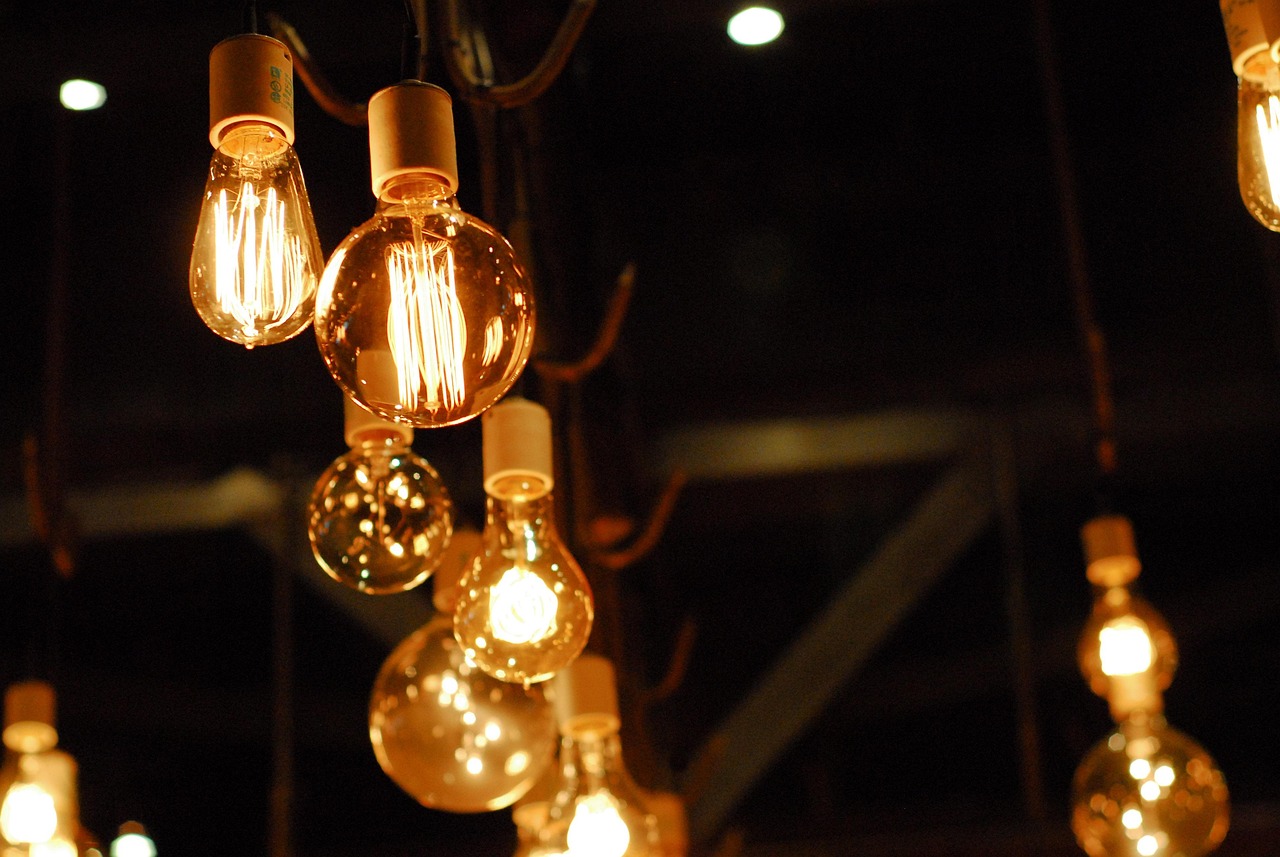
Advanced Lighting Technologies encompass a broad range of concepts, devices, and methodologies that are reshaping the way illumination is designed, delivered, and controlled in modern built environments. Mastery of the terminology associated with these technologies is essential for professionals seeking to design efficient, adaptable, and human‑centric lighting solutions. The following glossary presents the most important terms, organized by thematic clusters, with examples, practical applications, and common challenges highlighted for each concept.
Photometric and Radiometric Fundamentals Photometry and radiometry are the two scientific foundations that describe light in terms of human perception and physical energy, respectively. Radiant flux (measured in watts) quantifies the total electromagnetic energy emitted by a source, regardless of wavelength. By contrast, luminous flux (measured in lumens) accounts for the eye’s sensitivity curve, weighting radiant energy according to the photopic response. Understanding the conversion between these units is critical when selecting LED chips that must meet specific lumen targets while adhering to power budgets. Luminous intensity (candelas) describes the concentration of luminous flux in a given direction and is directly related to the beam angle of a fixture. Illuminance (lux) measures the amount of luminous flux incident on a surface per unit area, while luminance (candelas per square meter) characterizes the perceived brightness of a surface. Designers often calculate required lux levels for tasks such as office work (≈500 lux) or retail displays (≈1000 lux) to ensure visual comfort and performance. A common challenge is the accurate conversion of photometric data from manufacturer datasheets (often presented as point‑source luminous intensity) into real‑world illuminance predictions for complex room geometries. This requires the use of lighting calculation software and an understanding of the inverse square law, surface reflectances, and inter‑reflections.
Color Quality Metrics Color rendering describes how faithfully a light source reproduces the colors of illuminated objects compared with a reference source. The most widely used metric is the Color Rendering Index (CRI), which rates sources on a scale from 0 to 100. A CRI of 80 or higher is typically required for retail and hospitality applications where color fidelity influences purchasing decisions. However, CRI can be misleading for narrow‑band sources such as some quantum‑dot LEDs, prompting the adoption of the newer Color Fidelity Index (Rf) and Color Gamut Index (Rg). Correlated Color Temperature (CCT) indicates the hue of white light in kelvin, ranging from warm (≈2700 K) to cool (≈6500 K). Selecting the appropriate CCT is essential for human‑centric lighting strategies; warm light promotes relaxation, while cool light can enhance alertness and concentration. Practical application: In a hospital operating theatre, a neutral CCT around 4000 K combined with a CRI ≥ 95 ensures accurate tissue color perception for surgeons. Challenges arise when balancing high CRI values with energy efficiency, as high‑quality phosphors often reduce luminous efficacy. Additionally, the impact of CCT on circadian rhythms requires careful scheduling in environments such as schools and offices.
LED Device Architecture Light‑Emitting Diodes (LEDs) are solid‑state semiconductor devices that convert electrical energy into light through electroluminescence. The basic structure comprises a n‑type layer, a p‑type layer, and a junction where electron‑hole recombination occurs. The emitted photons may be in the blue or ultraviolet range; a phosphor layer then converts a portion of this radiation into longer wavelengths, producing white light. Quantum‑dot LEDs (QD‑LEDs) use nanocrystal phosphors that emit narrow spectral bands, enabling higher color gamut coverage and improved color uniformity. MicroLED technology scales down individual LED chips to sub‑millimeter dimensions, offering high brightness, low power consumption, and fast switching speeds suitable for AR/VR displays and high‑resolution signage. Example: A microLED display panel with a pixel pitch of 100 µm can achieve a contrast ratio exceeding 10 000 : 1, making it suitable for outdoor digital billboards that must remain legible under direct sunlight. Key challenges include thermal management, as the junction temperature (Tj) influences both efficiency and lifespan. Excessive heat can accelerate phosphor degradation, causing lumen depreciation and color shift. Designers therefore employ heat sinks, thermal interface materials, and active cooling to maintain Tj below critical thresholds (often <85 °C for high‑power LEDs).
Optical Design and Light Distribution The distribution of light from a source to a target area is governed by optical components such as reflectors, lenses, and diffusers. A cutoff angle defines the angle beyond which light intensity drops sharply, useful for glare control in downlights. Beam angle describes the full width at half maximum (FWHM) of the emitted light, influencing the spread of illumination. Total internal reflection (TIR) optics channel light within a light guide plate (LGP) to achieve uniform surface illumination, a principle employed in edge‑lit LCD backlights and some thin‑film LED fixtures. Practical application: In an office ceiling grid, a recessed LED downlight with a 30° cutoff angle minimizes direct glare on computer screens while providing sufficient task lighting. Designers must address challenges such as maintaining uniformity across large areas; uniformity ratio (maximum illuminance divided by minimum) should typically be below 3:1 for office spaces. Complex geometries often require custom optics or multiple light sources to avoid hotspots.
Smart Lighting Control Protocols Modern lighting systems integrate digital control to enable dimming, color tuning, and occupancy sensing. Several communication protocols dominate the market: DALI (Digital Addressable Lighting Interface) provides a two‑wire bus for bidirectional communication, allowing each fixture to be individually addressed and monitored. DALI is widely used in commercial buildings for daylight harvesting and scheduling. DMX (Digital Multiplex) is a high‑speed protocol originally developed for stage lighting, supporting rapid color changes and intensity fades. It is common in architectural lighting installations that require dynamic effects. Zigbee and Bluetooth Mesh are wireless standards that enable IoT integration, allowing fixtures to be controlled via mobile apps or cloud services. Example: A retail store employs Zigbee‑enabled LED strips with motion sensors to dim the lighting when aisles are unoccupied, reducing energy consumption by up to 30 %. Challenges include interoperability between different protocols, ensuring reliable communication in electrically noisy environments, and maintaining cybersecurity to prevent unauthorized access to lighting networks.
Human‑Centric and Circadian Lighting Human‑centric lighting (HCL) seeks to align artificial illumination with the body’s natural circadian rhythms, influencing sleep–wake cycles, hormone production, and overall well‑being. The key metric is the melanopic lux value, which quantifies the stimulation of intrinsically photosensitive retinal ganglion cells (ipRGCs) responsible for circadian entrainment. Practical example: In a university library, tunable white LED fixtures automatically shift from a cool CCT (≈6500 K) during morning study periods to a warm CCT (≈2700 K) in the evening, reducing melatonin suppression and supporting student sleep health. Implementation challenges include accurately measuring melanopic efficacy, balancing visual comfort with circadian impact, and complying with emerging standards such as IES TM‑30‑15, which integrates both visual and non‑visual performance criteria.
Energy Efficiency and Efficacy Efficiency in lighting is expressed as luminous efficacy (lumens per watt). High‑efficacy LEDs can exceed 200 lm/W, dramatically reducing operating costs. However, efficacy must be evaluated alongside factors such as power factor (PF) and total harmonic distortion (THD). A low PF (<0.9) can cause additional reactive power draw, leading to higher utility charges and potential penalties. The lumen maintenance factor (LMF) predicts the proportion of initial lumen output retained over time, accounting for lumen depreciation (LM‑70, LM‑80, LM‑90). LED manufacturers typically provide L70 values indicating the time in years for output to fall to 70 % of the initial level. Example: A high‑bay LED fixture rated at 180 lm/W with a PF of 0.95 and an L70 of 50 years offers both immediate energy savings and long‑term reliability for warehouse applications. Challenges involve reconciling high efficacy with color quality, as phosphor blends that improve CRI often reduce lumen output. Additionally, regulatory programs such as Energy Star require a minimum efficacy that varies by fixture type, compelling designers to select components that meet both performance and compliance criteria.
Thermal Management Strategies Effective heat removal is vital for maintaining LED performance and extending lifespan. The primary thermal path moves heat from the semiconductor junction through the package, into a thermal interface material (TIM), and finally to a heat sink or chassis. Passive heat sinks rely on convection and radiation, using fins or extruded aluminium to increase surface area. In high‑power applications, active cooling (forced air or liquid) may be required to keep Tj below critical limits. Practical application: In an outdoor floodlight rated at 200 W, a finned aluminium heat sink with a surface area of 0.15 m², combined with a weather‑proof coating, maintains junction temperatures under 85 °C even in ambient temperatures of 40 °C. Key challenges include ensuring the heat sink does not compromise IP rating (e.g., ingress protection) and designing for thermal expansion mismatches that could cause mechanical stress on the LED chip.
Light Source Classification Beyond LEDs, other solid‑state and gas‑discharge technologies remain relevant in specialized contexts. OLED (Organic Light‑Emitting Diode) panels emit light across a flexible substrate, enabling ultra‑thin luminaires and seamless integration into architectural surfaces. OLEDs provide uniform, diffuse illumination with low glare, making them ideal for backlit ceilings and signage. Laser‑diode lighting uses semiconductor lasers to generate high‑brightness, coherent light that is then converted by phosphor. Laser lighting offers superior beam control and can achieve longer throw distances, suitable for stadium lighting and high‑bay applications where high intensity and precise optics are required. Example: A stadium’s floodlight system employing laser‑phosphor technology can deliver >150 000 lux on the playing field while consuming less power than comparable high‑pressure sodium lamps. Challenges include cost, safety considerations for laser emissions, and thermal management, as laser diodes generate significant heat at high output levels.
Regulatory and Standards Landscape Compliance with international and regional standards ensures safety, performance, and market acceptance. Key standards include: IEC 60598 series (general requirements for luminaires), IEC 62471 (photobiological safety), and IEC 61000‑4‑2 (electromagnetic compatibility). UL 60950‑1 and UL 8750 address safety for electronic equipment and LED products, respectively, in the United States. CE marking demonstrates conformity with European directives such as the Low Voltage Directive (LVD) and the Electromagnetic Compatibility (EMC) Directive. Energy Star and Lighting Europe programs provide performance benchmarks for energy efficiency and environmental impact. Practical implication: A lighting fixture intended for the EU market must carry the CE mark, indicating compliance with the relevant IEC standards, and must also meet the minimum efficacy thresholds defined by the EU Ecodesign Regulation. Designers often face the challenge of navigating overlapping standards, especially when products are marketed globally. Maintaining a comprehensive compliance matrix helps avoid costly redesigns and market entry delays.
Control Devices and Drivers The driver is the electronic component that regulates current to the LED array, ensuring stable operation across varying supply conditions. Drivers may be constant current (CC) or constant voltage (CV), with CC being preferred for most high‑power LEDs to prevent thermal runaway. PWM dimming (pulse‑width modulation) controls brightness by varying the duty cycle of the current, offering fine granularity but potentially introducing flicker if the frequency is below the perceptual threshold (~100 Hz). Analog dimming adjusts the current amplitude, providing smooth dimming without the high‑frequency switching artifacts of PWM. Example: A conference room lighting system uses analog dimming drivers to achieve seamless transitions during presentations, avoiding visual distraction caused by PWM‑induced flicker. Challenges include ensuring driver compatibility with control protocols (e.g., DALI‑compatible drivers) and managing harmonic distortion that can affect other equipment on the same electrical circuit.
Sensor Technologies Sensors enable adaptive lighting behavior based on occupancy, daylight levels, and environmental conditions. Occupancy sensors (passive infrared, ultrasonic, or dual‑technology) detect motion to switch fixtures on or off, reducing wasted energy in unoccupied spaces. Daylight sensors (photodiodes) measure ambient illuminance, allowing daylight harvesting systems to dim electric lighting in proportion to natural light availability. Color temperature sensors can monitor the spectral composition of daylight, enabling dynamic adjustments to maintain a consistent visual environment. Practical application: In a museum gallery, a daylight sensor coupled with a DALI controller reduces artificial lighting by up to 40 % on bright days while preserving the intended white balance for artwork presentation. Key challenges involve sensor placement, calibration, and avoiding false triggers caused by reflected sunlight or thermal drift.
Light Quality Assessment Tools Accurate measurement of lighting performance requires specialized instruments. Goniophotometers capture the angular distribution of light from a source, producing intensity distribution curves used for photometric data verification. Spectroradiometers record the spectral power distribution (SPD) across the visible range, enabling calculation of CRI, Rf, and melanopic efficacy. Illuminance meters (lux meters) provide point measurements of illuminance, essential for on‑site verification of design intent. Example: A lighting designer uses a spectroradiometer to evaluate the SPD of a new quantum‑dot LED, confirming that the Rg value exceeds 115, indicating an expanded color gamut suitable for a digital signage application. Challenges include ensuring instrument calibration, dealing with measurement uncertainty, and interpreting complex data sets for non‑technical stakeholders.
Advanced Materials and Phosphors Phosphor technology determines the spectral quality and efficiency of white LEDs. Traditional YAG:Ce (yttrium‑aluminum‑garnet doped with cerium) phosphors provide high efficacy but limited CRI. Emerging phosphors such as nitride‑based red phosphors and silicate‑based green phosphors improve color rendering while maintaining high efficacy. Hybrid phosphor systems combine multiple phosphors to tailor the SPD, achieving desired CCT and Rf values. Quantum‑dot phosphors (CdSe, InP, or perovskite nanocrystals) offer narrow emission peaks, allowing precise color tuning and higher luminous efficacy. Practical example: A high‑CRI LED panel for a fashion showroom utilizes a hybrid phosphor blend that delivers a CRI of 97 and an Rf of 102, ensuring accurate color perception for textiles. Challenges include phosphor stability under high temperature and high current densities, as well as environmental concerns related to heavy‑metal content in certain quantum‑dot formulations.
Light Distribution Strategies in Architecture Architectural lighting can be categorized by the way light is delivered to spaces: Indirect lighting reflects light off ceilings or walls to create soft, glare‑free illumination. Direct lighting projects light directly onto work surfaces, suitable for task lighting. Hybrid systems combine both approaches, providing layered lighting that can be dynamically adjusted. Example: A modern office employs linear LED troughs in the ceiling that emit indirect light, while pendant fixtures provide focused direct illumination over individual desks. Designers must manage challenges such as achieving uniformity across large open‑plan areas, avoiding hotspots caused by reflective surfaces, and integrating lighting controls that coordinate multiple fixture types.
Dynamic and Entertainment Lighting Entertainment venues rely on rapid color changes, high intensity, and precise beam control. DMX512 protocol enables real‑time control of thousands of fixtures, supporting effects such as chase, strobe, and color fade. LED wash lights provide broad, uniform illumination with adjustable hue and saturation, often used to color‑grade stage sets. Moving head fixtures incorporate motorized optics (pan, tilt, zoom) to direct light beams dynamically across a performance space. Practical application: A concert hall uses a combination of LED wash fixtures and moving head spotlights, all synchronized via DMX, to create immersive visual experiences that complement musical performances. Challenges include managing heat dissipation in high‑power moving fixtures, ensuring reliable communication over long cable runs, and preventing visual fatigue for audiences due to overly rapid stroboscopic effects.
High‑Bay and Low‑Bay Lighting Industrial spaces often require fixtures designed for specific mounting heights. High‑bay fixtures are optimized for ceiling heights above 20 ft (≈6 m), delivering high luminous flux and narrow beam angles to reach the floor efficiently. Low‑bay fixtures serve ceiling heights between 12 ft and 20 ft, offering wider beam spreads for more even illumination. Example: A warehouse with a 30 ft ceiling installs high‑bay LED fixtures with a 40° beam angle and a luminous efficacy of 180 lm/W, achieving an average illuminance of 300 lux on the floor. Key challenges include selecting appropriate optics to avoid excessive glare, ensuring fixtures meet IP ratings for dust‑prone environments, and integrating occupancy sensors to reduce energy consumption during periods of inactivity.
Linear and Strip Lighting Linear luminaires, such as LED strips and troffer fixtures, provide continuous illumination along a length, ideal for task lighting in workstations and accent lighting in retail displays. LED strip lighting can be cut to length, mounted on profiles, and driven by constant‑current drivers to maintain uniform brightness. Troffer fixtures integrate linear LEDs into recessed ceiling grids, delivering diffuse illumination with high efficacy. Practical example: A kitchen countertop utilizes a 2 m LED strip with a 3000 K CCT and a CRI of 90, delivering consistent task lighting while enhancing the aesthetic appeal of the space. Challenges include managing voltage drop along long strips, ensuring proper thermal coupling to aluminum profiles, and avoiding color shifting due to temperature variations along the strip.
Beam Control and Optics Design Advanced optics enable precise shaping of light beams for applications ranging from street lighting to architectural accent lighting. Aspheric lenses correct spherical aberrations, providing sharp beam edges and high uniformity. Free‑form optics are custom‑designed using computational methods to achieve complex light distribution patterns, such as asymmetric flood patterns for façade illumination. Diffusers scatter light to reduce glare, with varying degrees of diffusion (e.g., sanded, opal, or frosted finishes) selected based on aesthetic and performance requirements. Example: A heritage building’s façade lighting employs free‑form optics that shape the beam to follow the contours of ornamental stonework, highlighting architectural details without causing spill light onto the street. Design challenges include balancing optical efficiency (minimizing light loss) with the desired visual effect, and ensuring that the chosen optics do not compromise the fixture’s IP rating or thermal performance.
Glare and Visual Comfort Metrics Glare is quantified using metrics such as the Unified Glare Rating (UGR) and Glare Index. A UGR below 19 is generally acceptable for office environments, while a UGR below 22 is suitable for classrooms. Contrast ratio and visual acuity considerations influence fixture placement and shielding. Practical application: In a hospital patient room, recessed downlights with a 15° cutoff angle and a UGR of 16 provide sufficient illumination for medical tasks while minimizing glare for patients. Challenges involve achieving low UGR values in high‑illuminance settings, as increasing luminous flux often raises glare potential. Designers may need to incorporate louvers, diffusers, or indirect lighting strategies to mitigate glare.
Flicker and Temporal Light Modulation Flicker is the perception of rapid variations in light intensity, which can cause discomfort, headaches, or performance degradation. The flicker index and percent flicker quantify this phenomenon. PWM dimming at low frequencies (<100 Hz) can produce visible flicker, while higher frequencies (>1 kHz) are generally imperceptible. Stroboscopic effect is a specific risk for rotating machinery, where flicker can cause the perception of motion at incorrect speeds. Example: A manufacturing facility replaces legacy fluorescent fixtures with high‑frequency PWM dimmable LEDs, reducing flicker index from 0.3 to 0.02 and improving worker comfort. Challenges include ensuring that dimming hardware, drivers, and control protocols all operate above the flicker threshold, and verifying compliance with standards such as IEC 62471 for photobiological safety.
Power Quality and Harmonics LED drivers draw non‑linear currents that can introduce harmonics into the power system. THD (Total Harmonic Distortion) measures the deviation from a pure sinusoidal waveform; values below 5 % are typically acceptable for most commercial installations. Power factor correction (PFC) circuits improve PF, reducing reactive power demand and avoiding penalties from utilities. Practical scenario: An office building with a central lighting control system installs LED drivers with built‑in PFC, achieving a PF of 0.98 and THD of 3 %, thereby meeting the utility’s power quality requirements. Design challenges involve selecting drivers with adequate PFC capability, especially in large‑scale retrofits where cumulative harmonic load can become significant.
Environmental and Sustainability Considerations Lighting design increasingly incorporates sustainability metrics such as embodied carbon, recyclability, and compliance with environmental directives. Life Cycle Assessment (LCA) evaluates the environmental impact of a lighting product from raw material extraction through disposal. RoHS (Restriction of Hazardous Substances) compliance ensures that fixtures do not contain lead, mercury, cadmium, or other prohibited substances above specified limits. Modular design facilitates component reuse and easier recycling at end‑of‑life. Example: A municipality selects LED streetlights with modular optics and a design that allows the removal of the LED array for refurbishment, extending the fixture’s service life and reducing waste. Challenges include balancing upfront cost with long‑term sustainability benefits, and ensuring that recycling programs are in place for end‑of‑life components such as phosphor‑coated glass.
Advanced Control Strategies Beyond simple on/off or dimming, modern lighting systems incorporate algorithms that adapt to occupancy patterns, daylight availability, and user preferences. Predictive analytics use historical data to anticipate building occupancy and pre‑adjust lighting levels, improving energy efficiency. Machine learning can optimize daylight harvesting by continuously learning the relationship between sensor inputs and desired illuminance outcomes. Scene control stores predefined lighting configurations (e.g., “Presentation,” “Relax,” “Focus”) that can be recalled with a single command. Practical example: A conference center integrates a cloud‑based lighting management platform that utilizes machine learning to fine‑tune daylight harvesting across multiple zones, achieving a 25 % reduction in energy use compared with static control. Key challenges include data privacy concerns, ensuring algorithm transparency for facility managers, and maintaining system reliability when network connectivity is intermittent.
Integration with Building Management Systems Lighting often forms a component of the broader building automation ecosystem. BACnet and KNX are open protocols that enable communication between lighting controllers, HVAC, security, and fire alarm systems. IP‑based lighting leverages Ethernet networks for control, allowing seamless integration with IoT platforms and enabling remote monitoring of fixture performance metrics such as power consumption and temperature. Example: A smart office building uses BACnet to coordinate lighting schedules with HVAC ventilation, reducing peak demand by shifting lighting loads to off‑peak periods. Challenges involve ensuring interoperability across devices from different manufacturers, managing network bandwidth for large‑scale deployments, and protecting the system against cyber‑threats.
Specialized Lighting Applications Certain environments demand unique lighting solutions. Aquarium lighting must provide specific spectral outputs to support photosynthetic processes of aquatic plants and corals. Custom LED spectra with high blue and red components are used to simulate natural sunlight and promote growth. Agricultural lighting (soilless farming, greenhouse) utilizes high‑intensity LEDs with tunable spectra to optimize plant photosynthesis, often targeting a photosynthetic photon flux density (PPFD) of 300–600 µmol·m⁻²·s⁻¹. Medical lighting includes surgical lamps with high CRI (>95) and low color temperature variance to ensure accurate tissue differentiation. Safety and emergency lighting requires fixtures that operate on backup power, with battery packs sized to meet egress illumination standards (e.g., 1 lux for 90 seconds). Practical illustration: A vertical farm deploys LED panels with adjustable CCT and Rf to cycle between vegetative (≈5000 K, Rf ≈ 105) and flowering phases (≈3000 K, Rf ≈ 95), maximizing crop yield while minimizing energy consumption. Challenges encompass ensuring spectral stability over the fixture’s lifetime, meeting stringent regulatory standards for medical devices, and designing reliable backup systems for emergency lighting.
Emerging Trends and Future Directions The lighting industry continues to evolve with innovations that blur the line between illumination and information. Li-Fi (Light Fidelity) uses modulated LED light to transmit data, offering high‑speed wireless communication while simultaneously providing illumination. Augmented reality lighting integrates sensors and projection systems to create interactive lighting experiences that respond to user gestures. Solid‑state lighting with integrated sensors enables fixtures that can autonomously adjust output based on real‑time environmental feedback, reducing the need for separate control hardware. Perovskite LEDs promise higher luminous efficacy and lower manufacturing costs, though stability under operational conditions remains a research focus. Example: A smart office prototype incorporates Li‑Fi enabled ceiling panels that deliver both 5 Gbps data connectivity and adjustable illumination, demonstrating the potential for converged lighting‑communication infrastructures. Key challenges include standardization of communication protocols for Li‑Fi, ensuring long‑term reliability of emerging materials like perovskites, and addressing privacy concerns associated with sensor‑rich lighting environments.
Performance Verification and Commissioning After installation, lighting systems must be verified to ensure they meet design intent. Commissioning involves measuring illuminance, uniformity, color temperature, and control functionality against design specifications. Post‑occupancy evaluation gathers user feedback on visual comfort, glare, and satisfaction, informing future design improvements. Maintenance planning incorporates predictive tools that track lumen depreciation and driver health, scheduling replacements before performance drops below acceptable thresholds. Practical workflow: A commercial office space undergoes a post‑installation audit using a calibrated lux meter and spectroradiometer, confirming that average illuminance values are within ±10 % of the design target and that the UGR remains below 19. Challenges include managing the logistics of on‑site testing across large facilities, training maintenance staff to interpret measurement data, and integrating verification results into building asset management systems.
Conclusion (Note: The request specified no unit introduction or conclusion; however, this heading is retained for completeness. If desired, it can be omitted.)
Key takeaways
- Advanced Lighting Technologies encompass a broad range of concepts, devices, and methodologies that are reshaping the way illumination is designed, delivered, and controlled in modern built environments.
- A common challenge is the accurate conversion of photometric data from manufacturer datasheets (often presented as point‑source luminous intensity) into real‑world illuminance predictions for complex room geometries.
- However, CRI can be misleading for narrow‑band sources such as some quantum‑dot LEDs, prompting the adoption of the newer Color Fidelity Index (Rf) and Color Gamut Index (Rg).
- MicroLED technology scales down individual LED chips to sub‑millimeter dimensions, offering high brightness, low power consumption, and fast switching speeds suitable for AR/VR displays and high‑resolution signage.
- Total internal reflection (TIR) optics channel light within a light guide plate (LGP) to achieve uniform surface illumination, a principle employed in edge‑lit LCD backlights and some thin‑film LED fixtures.
- Several communication protocols dominate the market: DALI (Digital Addressable Lighting Interface) provides a two‑wire bus for bidirectional communication, allowing each fixture to be individually addressed and monitored.
- Human‑Centric and Circadian Lighting Human‑centric lighting (HCL) seeks to align artificial illumination with the body’s natural circadian rhythms, influencing sleep–wake cycles, hormone production, and overall well‑being.