
Food-Based Enrichment Techniques
Food‑based enrichment refers to the intentional manipulation of a ferret’s diet to promote natural foraging behaviors, mental stimulation, and physical activity. The core idea is to transform a simple feeding event into an interactive exper…
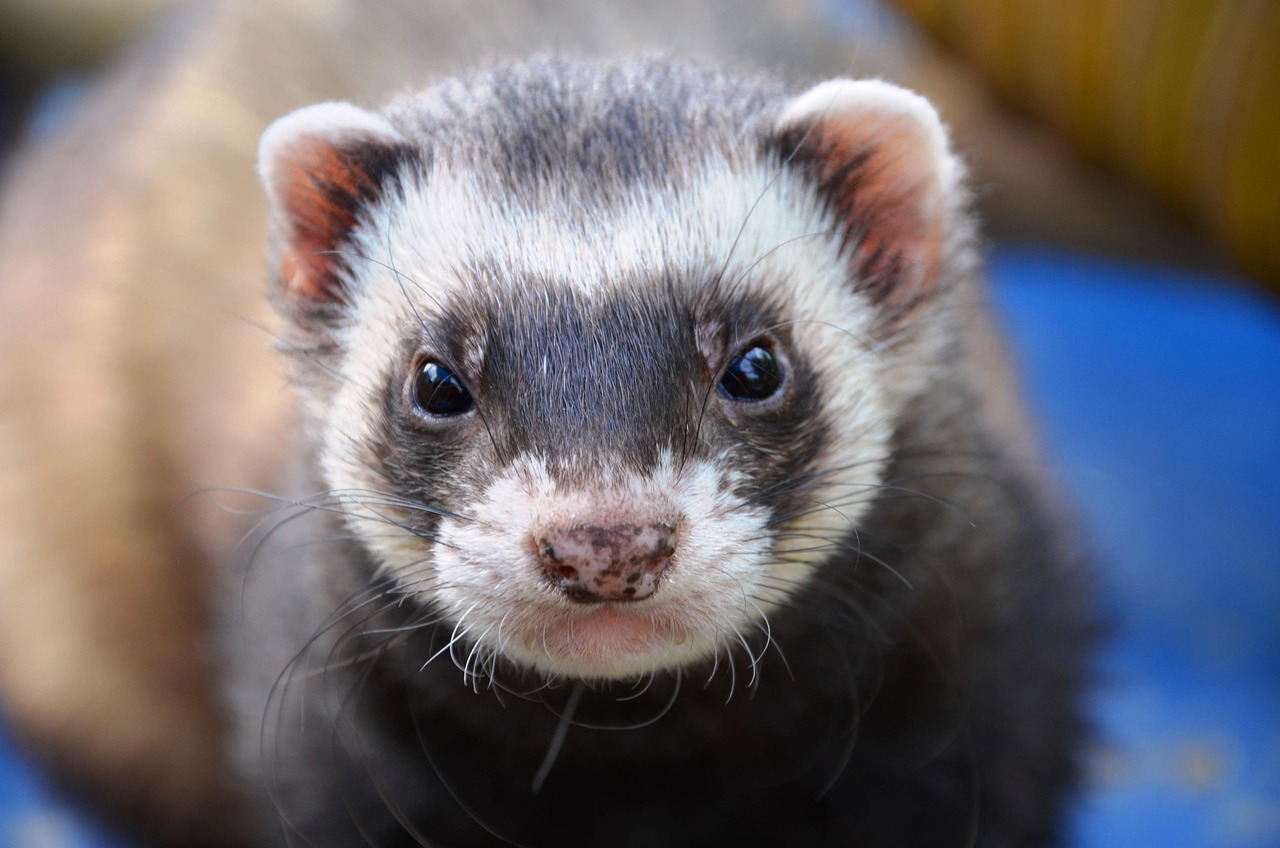
Food‑based enrichment refers to the intentional manipulation of a ferret’s diet to promote natural foraging behaviors, mental stimulation, and physical activity. The core idea is to transform a simple feeding event into an interactive experience that mirrors the hunting and scavenging patterns ferrets exhibit in the wild. By varying the form, presentation, and accessibility of food, caretakers can address both nutritional needs and behavioral health. For example, replacing a static bowl of kibble with a series of small, concealed meat pieces encourages the ferret to sniff, dig, and manipulate objects, thereby engaging its olfactory and tactile senses. The term is distinct from nutritional supplementation, which focuses solely on adding vitamins or minerals without altering the feeding process.
Dietary enrichment is a broader concept that encompasses any modification of the ferret’s diet to increase variety, challenge, and engagement. This may include rotating protein sources, incorporating novel textures, or adding scent‑enhanced treats. Practical application often involves a weekly schedule where chicken, rabbit, and fish are alternated, each presented in a different format such as shredded, whole, or freeze‑dried. A common challenge is maintaining a balanced nutrient profile while introducing variety; caretakers must track macro‑ and micronutrient intake to avoid deficiencies or excesses.
Novel food items are ingredients that are not part of the ferret’s regular diet but are safe and nutritionally appropriate. Introducing a new protein, such as duck or venison, can stimulate curiosity and provide a sensory novelty that mimics the unpredictable nature of prey in the wild. When using novel foods, it is essential to observe the ferret for signs of digestive upset and to introduce them gradually over a period of several days. A practical example is offering a small piece of cooked duck breast on a wooden spoon, allowing the ferret to wrestle the morsel free, thereby combining taste novelty with a physical challenge.
Prey‑based enrichment involves presenting whole or partially processed prey items that require the ferret to use its natural hunting skills. This can include frozen mouse carcasses, whole insects, or small fish. The key is to ensure the prey is appropriately sized to prevent choking and that any bones are soft enough to avoid dental damage. Caretakers often thaw frozen prey in a sealed bag and then place it inside a fabric pouch or a cardboard tube, creating a “hunt” scenario. Challenges include sourcing ethically sourced prey and managing the increased odor that can affect household members.
Foraging puzzle is a device or construct that hides food and requires the ferret to solve a problem to retrieve it. Common designs include PVC tubes with removable caps, treat‑filled kongs, or DIY cardboard mazes. The puzzle’s difficulty can be adjusted by altering the number of steps needed to access the food, the size of the openings, or the type of barrier (e.G., A sliding door versus a snap‑fit lid). An example of a simple foraging puzzle is a rolled towel with a strip of kibble tucked inside; the ferret must unroll the towel to locate the treat. A frequent challenge is ensuring the puzzle is durable enough for the ferret’s strong jaws while remaining safe (no sharp edges).
Texture variation refers to providing foods with differing consistencies, such as soft pâtés, crunchy jerky, and gelatinous gels. Ferrets naturally seek a range of textures, and offering this variety can prevent boredom and promote oral health. For instance, a meal plan might include a smooth liver pâté for one feeding, a crunchy rabbit chew for the next, and a gelatin‑based treat on another day. The practical application requires careful portion control, as some textures are more calorie‑dense than others. The challenge lies in sourcing high‑quality products that maintain nutritional balance across textures.
Scent enrichment utilizes aromatic compounds to stimulate the ferret’s highly developed sense of smell. Adding a few drops of ferret‑safe essential oil (such as lavender or chamomile) to a treat can create a calming effect, while strong meat aromas can increase excitement and motivation to hunt. One common method is to lightly spray a dry food pellet with a diluted broth before placing it in a puzzle. Care must be taken to avoid overpowering scents that could cause respiratory irritation. The challenge is to select scents that are both appealing and non‑toxic.
Visual enrichment involves using color and movement to attract the ferret’s attention to food items. While ferrets have limited color vision, they can perceive contrast and motion. Placing a bright‑colored food item on a dark surface, or using a small motorized toy that carries a treat, can create an engaging visual cue. An example is a rotating treat dispenser that slowly reveals a piece of chicken as it turns. The difficulty is ensuring the visual stimulus does not become a source of stress; ferrets can be startled by rapid movements, so gradual introduction is recommended.
Auditory enrichment adds sound elements to the feeding experience. This could be as simple as crinkling a paper bag before presenting a treat, or using a small bell that rings when a puzzle is solved. The sound serves to reinforce the reward and can help the ferret associate certain noises with successful foraging. A practical application is a treat‑filled tin with a lid that makes a gentle click when opened, encouraging the ferret to repeat the behavior. Overuse of loud noises, however, can cause anxiety, so moderation is key.
Temporal enrichment focuses on the timing and frequency of feeding events. Instead of providing a single large meal, caretakers may break the daily ration into several smaller feedings spread throughout the day. This mimics the irregular hunting success of wild ferrets, keeping their metabolic rate stable and reducing the risk of obesity. A common schedule includes three main meals and two snack sessions, each featuring a different type of enrichment (e.G., A puzzle for the morning snack, a scent‑enhanced treat for the evening). The main challenge is maintaining consistency, as irregular feeding times can lead to stress and digestive upset.
Caloric density is the amount of energy contained in a given volume or weight of food. When designing enrichment, it is crucial to balance the desire for diverse, engaging foods with the need to control overall caloric intake. High‑calorie treats such as cheese or certain jerky products should be offered in limited quantities. For example, a ferret might receive a small cube of cheese as a reward for solving a puzzle, but the rest of the day’s diet should be lower in fat. Monitoring body condition scores helps ensure that enrichment does not inadvertently promote weight gain.
Macronutrient balance refers to the proportion of proteins, fats, and carbohydrates in the ferret’s diet. Ferrets are obligate carnivores, requiring a diet high in animal protein and low in carbohydrates. Enrichment items should respect this balance; for instance, a fruit‑based treat might be acceptable in tiny amounts but should not replace protein‑rich foods. A practical way to maintain balance is to calculate the protein contribution of each enrichment item and adjust the base kibble accordingly. The challenge is that many commercially available enrichment toys are designed for omnivorous species and may contain excessive carbs.
Micronutrient adequacy ensures that essential vitamins and minerals are present in sufficient quantities. When introducing novel foods or treats, caretakers must verify that the overall diet still meets ferret‑specific requirements for taurine, vitamin A, and B‑complex vitamins. For example, a diet that heavily features fish may lack adequate taurine, leading to retinal degeneration. Supplementation can be achieved through fortified treats or by rotating protein sources that naturally contain the needed micronutrients. The difficulty lies in tracking micronutrient intake without sophisticated software; simple spreadsheets can be used to log daily consumption.
Safety considerations encompass all aspects of preventing injury or illness during food‑based enrichment. This includes selecting appropriate food sizes, avoiding bones that can splinter, and ensuring that any containers used are non‑toxic and free of small parts that could be swallowed. For instance, a wooden block with drilled holes can serve as a puzzle, but the wood must be untreated and sanded smooth. Regular inspection of enrichment devices for wear and tear is essential. A common challenge is that ferrets’ sharp teeth can quickly damage plastic toys, creating sharp edges that pose a hazard.
Hygiene protocols are vital for preventing bacterial contamination, especially when using raw meats or fish. All raw ingredients should be stored at proper refrigeration temperatures, and any surfaces or tools that come into contact with them must be cleaned thoroughly with a mild disinfectant. After each feeding session, any reusable puzzle should be rinsed, washed, and dried before the next use. An example protocol is to soak a treat‑filled silicone mold in a solution of diluted vinegar for five minutes, then rinse with running water. The challenge is balancing thorough cleaning with the need to keep the scent of the food enticing; over‑cleaning can remove attractive aromas.
Ethical sourcing involves obtaining food items in a manner that respects animal welfare and environmental sustainability. When selecting prey‑based enrichment such as frozen mice, caretakers should choose suppliers that follow humane euthanasia practices and avoid wild‑caught specimens that may carry parasites. For plant‑based additives, organic certification can reduce exposure to pesticides. An example of ethical sourcing is purchasing a bulk pack of farm‑raised rabbit ribs from a certified humane farm. The difficulty is that ethically sourced items may be more expensive, requiring budget adjustments.
Environmental impact addresses the ecological footprint of the enrichment program. Using locally sourced proteins reduces transportation emissions, while minimizing waste (e.G., Composting food scraps) helps lower the overall environmental burden. A practical approach is to repurpose vegetable peels from the kitchen as bedding material after they have been thoroughly baked to eliminate pathogens. The challenge is that some enrichment items, such as exotic spices or imported treats, may have a larger carbon footprint, so careful selection is needed.
Behavioral monitoring is the systematic observation of a ferret’s response to enrichment activities. Caretakers should note changes in activity level, curiosity, and problem‑solving ability. For example, a ferret that consistently manipulates a puzzle to retrieve food may demonstrate improved cognitive function, whereas a ferret that ignores the same puzzle may be experiencing stress or boredom. Recording these observations in a daily log helps identify which enrichment strategies are most effective. The challenge is maintaining consistent observation without influencing the animal’s natural behavior.
Enrichment rotation involves regularly changing the types of food‑based enrichment to prevent habituation. A rotation schedule might include a week of scent‑focused treats, followed by a week of texture‑focused puzzles, then a period of prey‑based offerings. This systematic change keeps the ferret’s interest high and encourages the development of a broader range of skills. Practical implementation can be as simple as labeling containers with the week’s theme and swapping them out on a set day. A common obstacle is ensuring that the rotation does not create nutritional gaps; careful planning and record‑keeping are required.
Reward timing refers to the interval between a ferret’s successful interaction with an enrichment item and the delivery of the food reward. Immediate rewards reinforce the behavior more effectively than delayed ones. For instance, when a ferret opens a latch on a puzzle, the treat should be released instantly to strengthen the association. Delayed rewards can be used intentionally to increase difficulty, but only after the animal has mastered the basic task. The challenge is that some puzzles have mechanical delays that cannot be easily adjusted, requiring the caretaker to select appropriate devices for the ferret’s skill level.
Problem‑solving skills are the cognitive abilities that enable a ferret to figure out how to obtain food from a complex setup. Enrichment items that require multiple steps—such as moving a platform, pulling a string, and then opening a lid—help develop these skills. An example is a multi‑compartment feeder where each compartment must be opened in a specific order to access the final treat. Monitoring the ferret’s success rate provides insight into its cognitive health; a decline may signal stress or illness. The difficulty lies in calibrating the challenge so it is not too easy (leading to boredom) or too hard (causing frustration).
Physical activity integration ensures that enrichment also promotes movement. Food puzzles can be placed at varying heights or distances, encouraging the ferret to climb, jump, and explore. For example, hanging a small bag of treats from a low branch forces the ferret to stretch and use its claws. When designing such activities, it is important to provide safe surfaces and avoid slippery areas that could cause injury. A challenge is balancing the need for physical exertion with the ferret’s natural tendency to rest frequently; over‑exertion can lead to fatigue.
Social enrichment incorporates the presence of other ferrets or humans during feeding. Feeding two ferrets together with shared puzzles can promote cooperative play, while solitary feeding may be preferable for shy individuals. Human interaction, such as hand‑feeding small pieces of meat, can strengthen the bond and provide positive reinforcement. However, competition for food can cause stress, so caretakers must monitor interactions closely. A practical tip is to provide multiple identical puzzles simultaneously to reduce rivalry. The challenge is ensuring that dominant individuals do not monopolize the enrichment resources.
Habituation mitigation involves strategies to prevent ferrets from becoming desensitized to enrichment items. This can be achieved by varying the placement, difficulty, and type of food offered. For instance, moving a puzzle from the corner of the enclosure to the opposite side forces the ferret to discover it anew. Introducing occasional “wildcard” items—such as a rare treat not normally part of the diet—can also rekindle interest. The challenge is that frequent changes may cause confusion if the ferret relies on predictable routines for security; a balance must be struck.
Stress reduction is a crucial goal of food‑based enrichment, as it can alleviate anxiety and prevent stereotypic behaviors. Calm‑inducing scents, low‑intensity lighting, and quiet environments during feeding sessions contribute to a relaxed atmosphere. Offering a soft, warm food like a warm chicken broth can have a soothing effect, especially for ferrets recovering from illness. A practical application is to schedule enrichment sessions during the ferret’s natural active periods, typically dawn and dusk, to align with its circadian rhythm. The challenge is managing external stressors such as loud household noises that may interfere with the enrichment experience.
Training integration combines enrichment with obedience or trick training. Using food as a lure, caretakers can teach a ferret to perform commands such as “come,” “spin,” or “target.” Once the behavior is mastered, the reward can be delivered through a puzzle, reinforcing both the skill and the enrichment. An example is teaching a ferret to place a paw on a target pad, then releasing a treat from a hidden compartment beneath the pad. The difficulty lies in maintaining consistency and avoiding over‑use of food as the sole motivator, which can diminish the intrinsic value of the enrichment itself.
Health monitoring during enrichment includes regular checks of weight, coat condition, dental health, and gastrointestinal function. Food‑based enrichment can reveal early signs of health issues; for example, a ferret that suddenly refuses to manipulate a puzzle may be experiencing dental pain. Caretakers should keep a health diary that logs any changes in eating patterns related to enrichment activities. An example protocol is to weigh the ferret weekly and compare the data to baseline values, adjusting the caloric content of enrichment accordingly. The challenge is distinguishing between normal variability and clinically significant changes.
Allergen awareness is essential when introducing new food items. Some ferrets may develop sensitivities to certain proteins, such as beef or fish, manifesting as skin irritation or digestive upset. Introducing a new protein should be done gradually, monitoring for any adverse reactions over a 7‑day period. Practical steps include keeping a log of each novel food introduced, noting any observed symptoms. If an allergic reaction occurs, the offending food must be removed immediately, and a veterinarian consulted. The challenge is that subclinical allergies may not be obvious, requiring careful observation.
Portion control ensures that enrichment does not lead to over‑feeding. Even low‑calorie puzzles can add up if multiple sessions are provided throughout the day. A useful method is to pre‑measure treats using a kitchen scale and record the exact weight given each time. For example, a 5‑gram piece of chicken breast placed inside a puzzle should be counted toward the daily protein allowance. The difficulty arises when spontaneous play leads to additional, unrecorded treats being offered; disciplined record‑keeping helps mitigate this risk.
Food safety standards dictate that all ingredients used in enrichment meet regulatory guidelines for pet food. This includes ensuring that raw meats are free from pathogens such as Salmonella and that any processed treats have been manufactured under controlled conditions. Caretakers should source products from reputable manufacturers and verify batch numbers for traceability. An example is checking the expiration date on a pack of freeze‑dried rabbit nuggets before use. The challenge is that small‑scale or homemade enrichment items may lack formal certification, requiring extra vigilance.
Cost‑effectiveness balances the benefits of enrichment with financial constraints. While high‑quality prey items and specialized puzzles can be expensive, many effective strategies use inexpensive household materials. For instance, a cardboard roll from a paper towel tube can serve as a foraging tunnel, and frozen peas can act as a cool, crunchy treat. By planning a budget and prioritizing items that provide the greatest behavioral return on investment, caretakers can maintain a robust enrichment program without overspending. The challenge is ensuring that cost‑saving measures do not compromise safety or nutritional adequacy.
Customization allows enrichment to be tailored to the individual ferret’s preferences, age, and health status. A young, energetic ferret may thrive on fast‑moving puzzle toys, while an older ferret with arthritis may need low‑impact, soft‑textured treats. Observing each ferret’s behavior and adjusting the enrichment accordingly leads to higher engagement. For example, a senior ferret may benefit from a shallow dish filled with soft pâté, reducing the need to dig. The difficulty is that customization requires ongoing assessment and may increase the complexity of inventory management.
Cross‑species enrichment explores the possibility of sharing enrichment concepts between ferrets and other small carnivores, such as minks or skunks. While each species has unique needs, many principles—such as prey simulation and puzzle solving—are transferable. An example is adapting a ferret‑specific foraging tube for use with a mink, adjusting the opening size to suit the different jaw structure. The challenge lies in respecting species‑specific dietary requirements and behavioral differences to avoid inappropriate feeding practices.
Research evidence supports the efficacy of food‑based enrichment in improving welfare outcomes. Studies have shown that ferrets provided with regular foraging challenges display reduced stereotypic pacing and increased exploratory behavior. Incorporating evidence‑based practices, such as using high‑protein, low‑carb treats, aligns enrichment with scientific recommendations. Caretakers can stay informed by reviewing peer‑reviewed articles and attending professional workshops. The challenge is translating research findings into practical, day‑to‑day activities without requiring specialized equipment.
Regulatory compliance ensures that enrichment practices adhere to local animal welfare laws and institutional policies. Some jurisdictions may have specific guidelines on the use of live prey, requiring permits or prohibiting certain practices altogether. Caretakers must familiarize themselves with these regulations and document compliance, such as maintaining records of prey sourcing and disposal methods. An example is a facility that logs each batch of frozen mouse carcasses received, noting the supplier’s certification. The difficulty is navigating differing regulations across regions, especially for organizations that operate internationally.
Documentation is the systematic recording of enrichment activities, dietary intake, and observations. A comprehensive log should include date, time, type of enrichment, food item used, portion size, and any notable behaviors. This documentation not only facilitates continuity of care but also provides data for evaluating the program’s success. For instance, a chart tracking puzzle completion rates over several months can reveal trends in engagement. The challenge is maintaining consistent, accurate records without it becoming overly burdensome; digital tools or simple spreadsheets can streamline the process.
Staff training is essential for ensuring that everyone involved in ferret care understands the principles of food‑based enrichment. Training sessions should cover safe handling of raw ingredients, proper cleaning of puzzles, and observation techniques for behavioral monitoring. Practical exercises, such as assembling a DIY foraging tube, reinforce learning. A common obstacle is turnover among staff, which can lead to gaps in knowledge; regular refresher courses help mitigate this issue.
Owner education extends enrichment concepts to private ferret owners who may not have access to specialized equipment. Providing clear, printable guides that illustrate how to create simple enrichment items from household materials empowers owners to implement effective programs. For example, a step‑by‑step illustration for making a treat‑filled fabric pouch can be included in a welcome packet. The challenge is ensuring that owners understand and follow safety guidelines, such as avoiding small detachable parts that could be swallowed.
Environmental enrichment synergy emphasizes the integration of food‑based enrichment with other enrichment modalities, such as structural enrichment (tunnels, platforms) and social enrichment (group housing). A well‑designed enclosure that incorporates climbing elements, hideouts, and foraging stations creates a holistic environment that meets multiple needs simultaneously. For instance, placing a treat‑filled tube near a hammock encourages the ferret to transition between resting and foraging. The difficulty is balancing space constraints while providing sufficient variety.
Seasonal variation takes into account changes in temperature, daylight, and ferret behavior across the year. In colder months, offering warm, moist foods can provide comfort, while in warmer periods, chilled treats may be more appealing. Seasonal fruits, such as small pieces of melon in summer, can be introduced sparingly as a novelty. Planning a seasonal calendar helps ensure that enrichment remains appropriate year‑round. The challenge is that some seasonal foods may be higher in sugar, requiring careful portion control.
Behavioral enrichment goals define the intended outcomes of each food‑based activity, such as increasing exploration, reducing aggression, or enhancing problem‑solving. Setting clear goals allows caretakers to select the most suitable enrichment type. For example, if the goal is to reduce pacing, a high‑challenge puzzle that requires multiple steps may be appropriate. Conversely, if the goal is to provide comfort to a stressed ferret, a simple scent‑enhanced treat may be more effective. The challenge is measuring progress toward these goals, which requires systematic observation and data collection.
Multi‑sensory enrichment combines several sensory modalities—taste, smell, touch, sight, and sound—within a single activity. A comprehensive enrichment station might feature a scented chewable treat placed inside a transparent tube that rattles when moved, offering visual and auditory cues along with the food reward. This multi‑sensory approach can stimulate a broader range of neural pathways, promoting overall well‑being. Designing such stations requires creativity and attention to safety, ensuring that each sensory element does not become a hazard. The difficulty is avoiding overstimulation, which can lead to anxiety in some individuals.
Enrichment evaluation involves assessing the effectiveness of each food‑based activity through quantitative and qualitative metrics. Quantitative data may include the number of times a ferret interacts with a puzzle, the time taken to retrieve the treat, or the frequency of stereotypic behaviors before and after implementation. Qualitative observations encompass changes in demeanor, social interaction, and overall vitality. A structured evaluation framework enables caretakers to refine the program, discarding ineffective items and enhancing successful ones. The challenge is allocating sufficient time for thorough evaluation without disrupting routine care.
Resource sustainability encourages the use of recyclable or biodegradable materials in enrichment construction. For instance, cardboard tubes, paper bags, and natural wood blocks reduce environmental impact compared to plastic toys. When these items are discarded, they can be composted or recycled, aligning the enrichment program with broader sustainability goals. An example is using a biodegradable paper straw as a treat holder, which can be shredded after use. The difficulty lies in ensuring that sustainable materials still meet durability and safety standards required for ferret play.
Innovation and creativity drive the continual development of new enrichment ideas. Caretakers are encouraged to experiment with unconventional food combinations, such as blending small amounts of fruit puree into a meat paste, or using ice cubes to create a cool, melt‑based challenge. Documenting successful innovations and sharing them with the wider ferret‑care community fosters collective learning. The challenge is maintaining a balance between creativity and adherence to nutritional and safety guidelines, ensuring that novel ideas do not compromise the ferret’s health.
Professional collaboration highlights the importance of working with veterinarians, nutritionists, and behaviorists to design an evidence‑based enrichment program. Regular consultations can help tailor food selections to specific health conditions, such as adjusting protein sources for a ferret with renal issues. Joint workshops allow for the exchange of ideas and the development of standardized protocols. A practical example is a quarterly meeting where the veterinary team reviews health records and suggests modifications to the enrichment plan. The challenge is coordinating schedules and integrating multidisciplinary input into a cohesive strategy.
Technology integration explores the use of automated dispensers, sensors, and apps to streamline enrichment delivery. Smart feeders can release measured portions at predetermined intervals, reducing labor while ensuring consistent timing. Motion sensors can detect when a ferret engages with a puzzle, triggering a camera to record the interaction for later analysis. While technology offers convenience, caretakers must remain vigilant to prevent reliance on devices that may malfunction. For instance, a malfunctioning dispenser that releases excess food could lead to rapid weight gain. The challenge is selecting reliable technology that complements, rather than replaces, hands‑on interaction.
Risk assessment is a systematic process for identifying potential hazards associated with each enrichment activity and implementing mitigation strategies. Risks may include choking, bacterial contamination, allergic reactions, or environmental stressors. A risk matrix can be used to rank each hazard by likelihood and severity, guiding prioritization of safety measures. For example, a high‑risk item such as a live insect requires strict containment protocols, while a low‑risk item like a soft treat may only need basic hygiene. The challenge is maintaining an up‑to‑date risk assessment as new enrichment items are introduced.
Contingency planning prepares caretakers for unexpected events that may disrupt the enrichment routine, such as power outages affecting automated feeders or supply shortages of specific prey items. Having backup enrichment options—like spare puzzles or alternative protein sources—ensures continuity of care. A practical plan might include a list of readily available household items that can be repurposed as foraging devices. The difficulty lies in anticipating all possible disruptions and maintaining an inventory that balances preparedness with storage limitations.
Ethical enrichment philosophy underpins the entire approach, emphasizing respect for the ferret’s natural behaviors, autonomy, and well‑being. This philosophy guides decision‑making, ensuring that enrichment is never used as a mere entertainment tool but as a means to enhance the animal’s quality of life. Practitioners are encouraged to reflect on the purpose of each activity, asking whether it aligns with the ferret’s innate needs. The challenge is avoiding anthropomorphic assumptions that may lead to inappropriate enrichment choices; a grounded, species‑specific perspective remains essential.
Continuous improvement is the final guiding principle, encouraging ongoing refinement of the enrichment program based on feedback, observations, and emerging research. Regular review cycles—monthly or quarterly—allow caretakers to adjust strategies, retire ineffective items, and introduce fresh concepts. By fostering a culture of learning and adaptability, the enrichment program remains dynamic and responsive to the evolving needs of the ferret population. The challenge is sustaining motivation and resources for continual evaluation, but the payoff is a consistently high standard of animal welfare.
Key takeaways
- For example, replacing a static bowl of kibble with a series of small, concealed meat pieces encourages the ferret to sniff, dig, and manipulate objects, thereby engaging its olfactory and tactile senses.
- Practical application often involves a weekly schedule where chicken, rabbit, and fish are alternated, each presented in a different format such as shredded, whole, or freeze‑dried.
- A practical example is offering a small piece of cooked duck breast on a wooden spoon, allowing the ferret to wrestle the morsel free, thereby combining taste novelty with a physical challenge.
- Prey‑based enrichment involves presenting whole or partially processed prey items that require the ferret to use its natural hunting skills.
- The puzzle’s difficulty can be adjusted by altering the number of steps needed to access the food, the size of the openings, or the type of barrier (e.
- For instance, a meal plan might include a smooth liver pâté for one feeding, a crunchy rabbit chew for the next, and a gelatin‑based treat on another day.
- Adding a few drops of ferret‑safe essential oil (such as lavender or chamomile) to a treat can create a calming effect, while strong meat aromas can increase excitement and motivation to hunt.