
Social Dynamics and Group Enrichment
social hierarchy describes the ordered ranking of individuals within a ferret group. In ferret colonies, hierarchy often emerges through subtle displays such as body posture, tail positioning, and scent marking rather than overt aggression.…
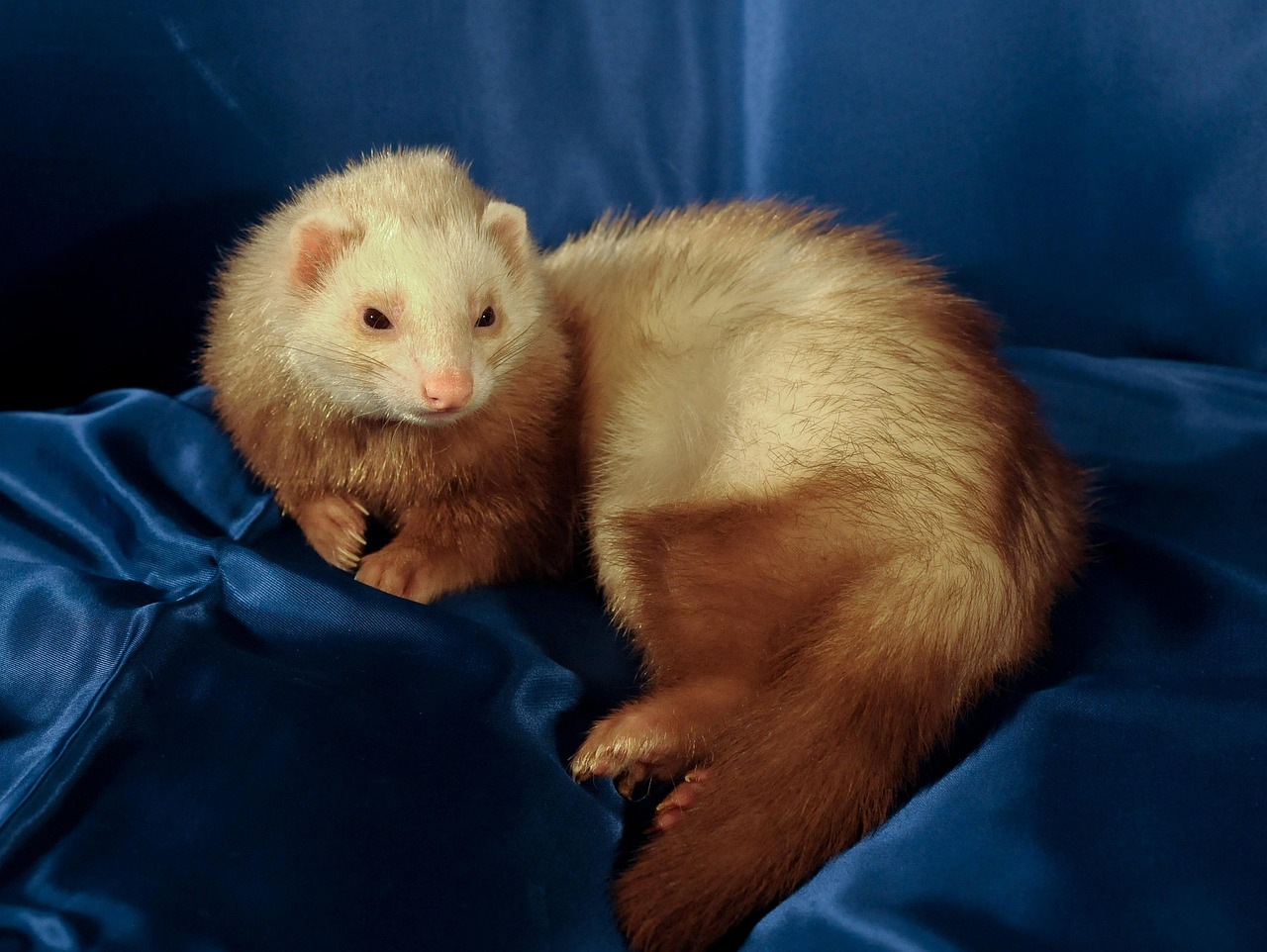
social hierarchy describes the ordered ranking of individuals within a ferret group. In ferret colonies, hierarchy often emerges through subtle displays such as body posture, tail positioning, and scent marking rather than overt aggression. Understanding hierarchy helps caretakers predict which individuals are likely to dominate resources like food, resting spots, and preferred tunnels. For example, a dominant male may claim the central nest box, while subordinate females use peripheral tunnels. Recognising these patterns enables the design of enrichment that distributes resources more evenly, reducing tension and encouraging participation from lower‑ranking members.
dominance refers to the ability of an individual to assert control over a specific resource or social situation. Dominance is not a fixed trait; it can shift with changes in group composition, age, or health status. In practice, a caretaker might observe a dominant ferret consistently arriving first at a new puzzle feeder, thereby limiting access for others. To mitigate this, enrichment can be staged with multiple identical feeders placed at opposite ends of the enclosure, allowing subordinates to engage without direct competition.
submissive behavior includes actions such as lowered body posture, reduced vocalizations, and avoidance of eye contact. Submissive ferrets often retreat to hidden burrows or the back of the enclosure when a dominant individual approaches. Recognising these signals is crucial for early intervention before stress escalates. A practical application is to monitor submissive individuals during group enrichment sessions and provide private retreat zones that are not visible to dominant members, ensuring that all ferrets have safe spaces to withdraw.
play behavior is a vital component of ferret social dynamics. Play manifests as chase, mock fighting, and gentle biting, often accompanied by high‑frequency vocalizations. Play serves both a social bonding function and a means of practicing motor skills. Enrichment that encourages play, such as rotating tunnels or introducing new interactive toys, can enhance group cohesion. However, unmonitored play may become aggressive if dominance hierarchies are not respected, so caretakers should observe the intensity of play and intervene when bites become forceful.
territoriality in ferrets is expressed through scent marking with anal glands, cheek glands, and urination. Ferrets establish personal zones within the enclosure, and overlapping territories can lead to conflict. Providing multiple scent‑rich zones, such as separate bedding piles or distinct tunnel sections, allows each ferret to maintain a personal area while still participating in group activities. Enrichment that respects territorial boundaries reduces the likelihood of stress‑induced aggression.
group cohesion refers to the overall stability and cooperative interaction among ferrets. Cohesion is fostered by shared enrichment experiences, synchronized feeding times, and regular social grooming. A practical example is the use of communal grooming stations where ferrets can perform allogrooming; this activity reinforces social bonds and lowers cortisol levels. When cohesion wanes, caretakers may notice increased isolation, reduced play, and heightened aggression, signalling a need to adjust enrichment strategies.
enrichment is any stimulus that encourages natural behaviours, improves welfare, and reduces boredom. Enrichment can be classified into cognitive, sensory, physical, and social categories. Cognitive enrichment, such as puzzle feeders, challenges problem‑solving abilities. Sensory enrichment may involve introducing novel scents or textures. Physical enrichment includes climbing structures and tunnels, while social enrichment focuses on opportunities for interaction with conspecifics. A balanced enrichment program incorporates all four types to address the complex needs of ferrets.
stimulus in the context of enrichment is any object, event, or change that elicits a response from the animal. Stimuli can be static, like a fixed tunnel, or dynamic, like a moving toy. The effectiveness of a stimulus depends on its relevance to ferret natural behaviours. For instance, a scent‑based stimulus that mimics prey can trigger hunting instincts, leading to more vigorous exploration. When selecting stimuli, caretakers should consider novelty, safety, and the potential for over‑stimulation.
cognitive enrichment engages the ferret’s problem‑solving and learning capacities. Puzzle feeders that require manipulation of levers, sliders, or rotating parts to access food are common examples. These devices not only provide mental stimulation but also encourage fine motor skills. A challenge arises when a dominant ferret monopolises the puzzle, preventing others from participating. To address this, multiple identical puzzles should be distributed throughout the enclosure, ensuring equitable access and preventing frustration among lower‑ranking individuals.
sensory enrichment targets the ferret’s heightened senses of smell and touch. Introducing safe, natural materials such as shredded paper, dried grass, or pine shavings can provide tactile variety. Scent enrichment may involve placing small amounts of prey‑derived oils or herbs in specific tunnels. Care must be taken to avoid overwhelming the ferret’s olfactory system; gradual introduction of new scents helps prevent stress. Monitoring behavioural responses, such as increased sniffing or exploratory digging, indicates successful sensory engagement.
physical enrichment promotes movement, exercise, and exploration. Vertical space, such as climbing platforms and multi‑level tunnels, mimics the three‑dimensional environment ferrets use in the wild. Providing sturdy branches or ropes encourages climbing and hanging behaviours, which are natural for ferrets. Rotational physical enrichment, where structures are periodically rearranged, maintains novelty and prevents habituation. Challenges include ensuring that all components are securely anchored to prevent collapse, which could cause injury.
social enrichment focuses on interactions with other ferrets or, in some cases, with humans. Group play sessions, shared feeding, and cooperative problem‑solving tasks strengthen social bonds. For example, a group puzzle that requires two ferrets to simultaneously pull separate levers before releasing food encourages cooperation. When social enrichment is poorly managed, dominance hierarchies can lead to exclusion of certain individuals. Caretakers should observe interactions and intervene by providing additional resources or adjusting group composition as needed.
resource distribution is the strategic placement of food, water, bedding, and enrichment items within the enclosure. Evenly distributed resources reduce competition and promote equitable access. In practice, multiple feeding stations placed at opposite ends of the enclosure allow lower‑ranking ferrets to feed without confronting dominant individuals. Similarly, providing several water bottles or shallow dishes prevents crowding. When resources are clustered, aggression often spikes, indicating a need for redistribution.
space allocation concerns the amount of floor and vertical area available per ferret. Ferrets are highly active and require ample space to sprint, tunnel, and explore. A general guideline suggests at least 1.5 Square meters of floor space per ferret, supplemented by vertical structures that add equivalent usable area. Insufficient space leads to heightened stress, increased aggression, and reduced exploratory behaviour. Regular assessment of space utilization, especially after group changes, ensures that each ferret has sufficient territory.
vertical space adds a three‑dimensional component to the enclosure, allowing ferrets to climb, hang, and view their environment from different heights. Incorporating platforms, ladders, and suspended tunnels mimics natural arboreal pathways. Vertical enrichment also provides escape routes for submissive individuals seeking to avoid dominant encounters. When designing vertical space, ensure that platforms are stable, have non‑slippery surfaces, and are accessible via gentle slopes to prevent injury.
hiding places are essential for ferrets to retreat and feel secure. Naturalistic hiding spots, such as log tunnels, fabric tubes, or insulated boxes, allow ferrets to regulate social exposure. Providing multiple hiding places throughout the enclosure prevents any single individual from monopolising the most desirable retreat. In practice, a cluster of small fabric tubes placed near the periphery offers secluded areas for shy ferrets, while a larger communal nest can serve as a shared sleeping zone.
burrowing opportunities satisfy the ferret’s instinct to dig and create nests. Substrate options like shredded paper, soft wood shavings, or coconut fibre enable safe burrowing without posing respiratory hazards. Enrichments such as buried treats encourage natural foraging behaviours. Care must be taken to monitor substrate cleanliness, as excessive buildup can harbour parasites. Rotating burrowing substrates maintains novelty and reduces the risk of monotony.
climbing structures enhance physical activity and provide viewpoints for surveillance. Simple wooden ladders, rope bridges, and rope loops can be integrated into the enclosure. Ferrets often use climbing structures to escape from dominant peers, so placement should consider sightlines and escape routes. Regular inspection for wear and tear is crucial to prevent accidents.
interactive toys engage ferrets in active play. Toys that move autonomously, such as battery‑operated rolling balls, stimulate chase behaviours. Toys that require manipulation, like treat‑dispensing balls, combine physical and cognitive enrichment. When selecting interactive toys, ensure they are made of non‑toxic materials and have no small parts that could be ingested.
puzzle feeders are a cornerstone of cognitive enrichment. They can range from simple tube dispensers to complex multi‑step puzzles. The key to effective puzzle feeders is matching difficulty to the ferret’s skill level; too easy leads to boredom, too hard leads to frustration. A practical approach is to start with a low‑resistance puzzle and gradually increase complexity as the ferret demonstrates proficiency.
rotational enrichment involves periodically changing the location or type of enrichment items. This practice prevents habituation, a state where animals become indifferent to static stimuli. For example, rotating the positions of tunnels, swapping puzzle feeders, and introducing new textures every two weeks maintains interest. Documentation of rotation schedules aids in evaluating the impact on behavioural indicators.
novelty is the introduction of new stimuli that capture attention. Novel objects should be safe, appropriate in size, and free of sharp edges. Ferrets are naturally curious, and novel items can spark exploratory behaviours. However, excessive novelty can overwhelm the animal, leading to stress. A balanced approach introduces one or two new items at a time, monitoring reactions for signs of anxiety.
predictability provides a sense of security through consistent routines. While novelty is important, predictable feeding times, cleaning schedules, and enrichment sessions help reduce uncertainty. Ferrets thrive when they can anticipate events, which lowers cortisol levels. Caretakers should aim for a rhythm that incorporates both predictable elements and periodic novelty.
behavioral monitoring is the systematic observation and recording of ferret activities. Using an ethogram—a catalogue of species‑specific behaviours—caretakers can track frequencies of play, aggression, grooming, and other actions. Regular monitoring allows early detection of stress, hierarchy shifts, or health issues. For instance, a sudden increase in solitary hiding may indicate a social disruption requiring intervention.
ethogram is a detailed list of observable behaviours, each defined with clear criteria. For ferrets, an ethogram might include categories such as “chase”, “allogrooming”, “scent marking”, “submissive retreat”, and “vocalization”. By assigning codes to each behaviour, caretakers can quantify activity patterns and assess the effectiveness of enrichment interventions. Accurate ethograms require training to ensure inter‑observer reliability.
baseline behavior refers to the typical pattern of activities exhibited by a ferret group under stable conditions. Establishing a baseline provides a reference point for detecting deviations caused by environmental changes, health issues, or enrichment modifications. Baseline data are collected over several weeks to account for natural variability. Once established, any significant departure—such as increased aggression or reduced play—signals the need for corrective action.
behavioral indicators are specific actions that signal welfare status. Positive indicators include frequent play, social grooming, and relaxed body posture. Negative indicators encompass prolonged hiding, excessive self‑grooming, and aggression. By tracking these indicators, caretakers can assess the impact of enrichment and adjust strategies accordingly. For example, a rise in “self‑grooming” after introducing a new scent may suggest sensory overload.
vocalizations in ferrets consist of a range of sounds, from high‑pitched squeaks during play to low growls during aggression. Vocal patterns can provide insight into emotional states. A sudden increase in distress calls after a group reshuffle may indicate social tension. Caretakers should become familiar with the typical vocal repertoire to interpret changes accurately.
body language is a primary mode of communication among ferrets. Posture, tail position, ear orientation, and fur condition convey dominance, submission, or anxiety. An erect posture with a raised tail often signals confidence or dominance, while a lowered body with a tucked tail indicates submission. Recognising these cues enables timely interventions to prevent escalation.
posture can be described as “standing tall”, “crouched”, or “lying flat”. Each posture correlates with specific social contexts. For instance, a ferret that adopts a crouched posture while approaching a dominant individual may be signalling appeasement. Adjusting enclosure design to allow multiple postural options—such as elevated platforms for tall postures and low tunnels for crouching—supports natural communication.
tail position is a subtle yet informative cue. An upright tail often accompanies exploratory behaviour, while a lowered tail may indicate fear or submission. When designing enrichment, provide areas where ferrets can raise their tails comfortably, such as open spaces with clear sightlines, to encourage confident exploration.
facial expression in ferrets is less obvious than in mammals with expressive faces, but ear position and whisker orientation can indicate mood. Forward‑pointed ears and relaxed whiskers suggest calmness, whereas flattened ears and stiff whiskers denote agitation. Enrichment that encourages relaxed facial cues—like gentle scent exposure—can promote overall welfare.
grooming serves both hygienic and social functions. Self‑grooming maintains coat health, while allogrooming reinforces social bonds. An increase in allogrooming after a group enrichment activity often reflects successful social integration. Conversely, a decline may signal social disruption. Providing grooming‑friendly substrates, such as soft fleece blankets, encourages both self‑ and social grooming.
allogrooming is the act of one ferret grooming another. This behaviour strengthens alliances and reduces tension. Enrichment that facilitates allogrooming includes providing wide, comfortable bedding where ferrets can lie together. Observing the frequency of allogrooming can serve as a metric for group cohesion.
social play is characterised by reciprocal chasing, gentle biting, and mock fighting. It is essential for developing motor skills and social competence. Structured play sessions, where caretakers introduce a novel toy that encourages group interaction, can enhance social play. However, monitoring is necessary to ensure that play does not become overly competitive, especially in groups with strong hierarchies.
linear hierarchy describes a straightforward ranking where each individual has a clear position relative to others—dominant, middle, subordinate. In ferret groups, a linear hierarchy may be evident when a single male consistently accesses the prime nest box and the rest follow a predictable order. Linear hierarchies are easier to manage because resource allocation can be tailored to each rank, reducing conflict.
despotic hierarchy is a more rigid structure where one or few individuals exert disproportionate control over resources, often leading to suppression of lower‑ranking members. In ferret colonies, a despotic hierarchy may manifest as a dominant pair monopolising food and preferred tunnels, causing chronic stress in subordinates. To mitigate despotic tendencies, caretakers can increase resource abundance and introduce barriers that limit direct dominance displays.
egalitarian hierarchy reflects a more fluid ranking where dominance is shared or less pronounced. Ferret groups with an egalitarian structure tend to display frequent cooperative behaviours, such as shared nesting and collective foraging. Enrichment that promotes cooperation—like group puzzle feeders requiring simultaneous action—supports egalitarian dynamics. Maintaining such a balance may be challenging if new individuals are introduced, as they can disrupt the existing equilibrium.
group stability refers to the persistence of social structure over time. Stable groups exhibit predictable interactions, low aggression, and consistent use of enrichment. Stability is influenced by factors such as age distribution, sex ratio, and health status. When a stable group is perturbed—by the introduction of a new ferret or a health event—caretakers must monitor for signs of instability, such as increased fights or changes in sleeping patterns.
group turnover describes the rate at which individuals enter or leave a group. High turnover can destabilise hierarchies, leading to increased aggression and stress. To minimise turnover effects, gradual introductions, quarantine periods, and careful matching of temperament are essential. Enrichment protocols may need to be adjusted during turnover phases, providing additional hiding places and resources to accommodate newcomers.
stressors are any factors that elevate physiological stress responses, such as elevated cortisol. In ferret groups, stressors can be environmental (noise, temperature fluctuations), social (dominance challenges), or procedural (handling). Identifying and reducing stressors through targeted enrichment—like sound‑absorbing materials for noise reduction—improves overall welfare.
environmental stressors include temperature extremes, poor ventilation, and inadequate lighting. Ferrets thrive in temperatures between 16 °C and 24 °C with moderate humidity. Enrichment that regulates microclimates, such as shaded tunnel sections and heated pads, helps mitigate environmental stress. Regular monitoring of temperature and humidity ensures that conditions remain within optimal ranges.
social stressors arise from interactions within the group, such as frequent aggression or competition for resources. Providing multiple feeding stations, ample bedding, and discrete retreat zones reduces social stress. When social stress persists despite enrichment, a temporary separation of aggressive individuals may be necessary to allow the group to re‑establish balance.
conflict resolution involves strategies to defuse aggression and restore harmony. Techniques include environmental modifications (adding barriers), behavioural interventions (redirecting attention with a toy), and, when necessary, temporary isolation of the aggressor. Successful conflict resolution often results in a measurable decrease in aggressive vocalizations and an increase in cooperative behaviours.
intervention strategies are planned actions taken to address identified welfare concerns. These may range from low‑level interventions, such as repositioning enrichment items, to high‑level actions, such as re‑grouping ferrets based on temperament assessments. A structured decision‑making framework—assessment, planning, implementation, and evaluation—guides effective interventions.
positive reinforcement is the addition of a rewarding stimulus following a desired behaviour, increasing the likelihood of its recurrence. In ferret enrichment, rewarding a ferret that successfully solves a puzzle with a treat reinforces problem‑solving. Consistency in timing and type of reward is critical for effective learning.
negative reinforcement involves the removal of an aversive stimulus when a desired behaviour occurs. For example, a ferret may learn to press a lever to stop a mild, non‑painful buzzing sound. While effective, negative reinforcement should be used sparingly, ensuring that aversive stimuli never reach harmful levels.
shaping is the gradual reinforcement of successive approximations toward a target behaviour. A caretaker might first reward a ferret for approaching a puzzle, then for touching it, and finally for manipulating a lever. Shaping allows complex behaviours to be taught without overwhelming the animal.
desensitization reduces fear responses by exposing the ferret to a stimulus at low intensity and gradually increasing exposure. Introducing a new scent at a faint concentration, then slowly intensifying it, helps the ferret become accustomed without stress. This technique is valuable when integrating novel enrichment that may initially be perceived as threatening.
habituation is the decreased response to a repeated, non‑threatening stimulus. Over‑use of a particular toy can lead to habituation, where the ferret loses interest. To prevent habituation, rotate toys and vary enrichment types regularly. Monitoring engagement levels helps identify when habituation occurs.
stress manifests physiologically (elevated heart rate, cortisol) and behaviourally (hiding, aggression). Chronic stress impairs immune function and reduces reproductive success. Enrichment that offers control—such as allowing choice of feeding location—can buffer stress effects. Regular health checks and behavioural observations are essential for early detection.
aggression may be overt (biting, lunging) or subtle (staring, blocking access). In ferret groups, aggression often stems from competition over limited resources or disruptions in hierarchy. Mitigating aggression involves increasing resource availability, providing escape routes, and using enrichment to channel energy into positive activities like play. Persistent aggression may necessitate re‑grouping.
bonding describes the formation of strong social connections between individuals. Bonded ferrets often engage in mutual grooming, share sleeping spaces, and synchronize activity cycles. Enrichment that encourages joint problem‑solving—such as paired puzzle feeders—strengthens bonds. Observing increased proximity and synchronized behaviours after enrichment indicates successful bonding.
pairing involves intentionally matching two ferrets for cohabitation based on temperament, age, and sex. Successful pairing reduces loneliness and promotes natural social behaviours. Pairing should be conducted gradually, beginning with visual and scent contact before full integration. Monitoring for signs of compatibility—mutual grooming and low aggression—is essential.
group composition encompasses the demographic makeup of the ferret colony, including sex, age, and health status. A balanced composition, with a mix of mature adults and juveniles, often yields dynamic yet stable groups. Over‑representation of a single sex can lead to increased competition, while a lack of juveniles may reduce play opportunities. Adjusting composition based on observed dynamics can optimise welfare.
sex ratio refers to the proportion of males to females within a group. An even sex ratio generally promotes stability, whereas a skewed ratio may intensify competition for mates or dominance. In mixed‑sex groups, providing separate but adjacent nesting areas can reduce conflict while allowing natural interactions.
age distribution influences the activity levels and social needs of the group. Younger ferrets are more playful and may dominate physical spaces, while older ferrets prefer quieter, secluded areas. Enrichment should cater to both ends of the spectrum: High‑energy toys for juveniles and soft bedding for seniors. Regular assessment ensures that age‑related needs are met.
resource abundance is the overall quantity of food, water, and enrichment items available. High resource abundance typically lowers competition, but excessive abundance can reduce motivation to engage with enrichment. Finding a balance—providing enough resources to prevent scarcity while maintaining challenge—optimises engagement.
resource scarcity can be intentional, creating a mild challenge that encourages problem‑solving. However, extreme scarcity leads to stress, aggression, and health decline. When implementing scarcity as a training tool, ensure it is temporary and paired with positive reinforcement to avoid negative welfare impacts.
environmental complexity describes the structural richness of the enclosure, including tunnels, platforms, and varied substrates. Complex environments promote exploration, problem‑solving, and reduced boredom. Adding layers of complexity—such as interlocking tunnels with hidden compartments—stimulates natural foraging and investigative behaviours.
social complexity refers to the variety and depth of interactions within the group. Enrichments that foster social complexity include group games, shared tasks, and cooperative puzzles. A socially complex group demonstrates higher resilience to stress and better cognitive performance. Caretakers can enhance social complexity by rotating group members periodically, provided that introductions are carefully managed.
monitoring tools include video recording, activity trackers, and behavioural checklists. Video allows retrospective analysis of subtle interactions, while activity trackers can quantify movement patterns. Checklists based on the ethogram provide a quick reference for daily observations. Integrating multiple tools offers a comprehensive picture of group dynamics.
data collection should be systematic, consistent, and recorded in a central log. Variables such as frequency of play, number of aggressive encounters, and time spent in enrichment zones are tracked. Statistical analysis of collected data can reveal trends, informing adjustments to enrichment protocols. Maintaining accurate records also supports certification requirements for the Global Certificate Course.
evaluation criteria for enrichment effectiveness include increased play frequency, reduced aggression, balanced use of resources, and stable hierarchy. Qualitative measures—such as observed happiness or relaxed posture—complement quantitative data. Regular evaluation, at least monthly, ensures that enrichment remains responsive to the group’s evolving needs.
challenge identification involves recognizing obstacles that hinder enrichment success. Common challenges include limited space, resource monopolisation by dominant individuals, and habituation to existing toys. Addressing these challenges may require enclosure redesign, adding more enrichment items, or implementing rotation schedules. Early identification prevents escalation of welfare issues.
solution implementation follows a structured approach: Identify the problem, design a targeted enrichment modification, apply the change, and monitor outcomes. For example, if a dominant ferret monopolises a tunnel, the solution might involve installing a semi‑transparent partition to create two parallel tunnels, allowing simultaneous use. Monitoring should focus on whether subordinate ferrets begin to use the new tunnel.
feedback loop is the continuous process of observing, adjusting, and reassessing enrichment. A robust feedback loop ensures that interventions are data‑driven and responsive. Caretakers should schedule regular review meetings to discuss observations, share successful strategies, and plan future modifications.
collaborative learning encourages caretakers to exchange knowledge about enrichment practices. Forums, workshops, and peer‑reviewed case studies facilitate the spread of effective techniques. Collaborative learning also promotes standardisation of terminology, ensuring that all participants use the same definitions for key concepts such as “dominance” and “social play”.
cultural considerations may influence enrichment preferences. Ferrets from different regions may have varying exposure to stimuli, affecting their responsiveness. Tailoring enrichment to local preferences—such as incorporating region‑specific scents or materials—can enhance engagement. Nonetheless, core principles of safety and natural behaviour remain universal.
ethical standards guide the design and implementation of enrichment. All enrichment must avoid causing pain, fear, or injury. Ethical considerations also include respecting the ferret’s autonomy, allowing choice, and providing opportunities for natural behaviours. Documentation of ethical compliance is often required for certification and institutional review.
risk assessment evaluates potential hazards associated with each enrichment item. Factors such as material toxicity, size relative to the ferret’s mouth, and structural stability are examined. A risk matrix helps prioritise modifications, ensuring that high‑risk items are removed or altered before introduction.
maintenance protocols outline routine cleaning, inspection, and repair of enrichment items. Regular maintenance prevents the buildup of pathogens, wear‑related injuries, and loss of functionality. A schedule might include weekly cleaning of fabric tunnels, monthly inspection of climbing structures, and quarterly replacement of worn puzzle components.
training for caretakers equips staff with the skills to observe, interpret, and respond to ferret behaviours. Training modules cover ethogram usage, stress sign identification, and proper handling techniques. Competent caretakers are essential for the successful implementation of social dynamics and group enrichment programs.
continual professional development encourages ongoing learning about advances in ferret welfare, enrichment technology, and behavioural science. Participation in conferences, webinars, and peer‑reviewed publications keeps caretakers abreast of emerging best practices, ensuring that enrichment strategies remain state‑of‑the‑art.
technology integration introduces tools such as automated feeders, motion‑activated toys, and environmental sensors. These technologies can enrich the environment while reducing labor intensity. However, technology must be vetted for safety, durability, and relevance to natural ferret behaviours before deployment.
future directions include research into virtual enrichment, such as projection‑based stimuli that simulate moving prey, and the use of AI‑driven monitoring systems that flag abnormal behaviours in real time. Anticipating these developments prepares caretakers to adopt innovative solutions that further enhance social dynamics and group enrichment.
Key takeaways
- Recognising these patterns enables the design of enrichment that distributes resources more evenly, reducing tension and encouraging participation from lower‑ranking members.
- To mitigate this, enrichment can be staged with multiple identical feeders placed at opposite ends of the enclosure, allowing subordinates to engage without direct competition.
- A practical application is to monitor submissive individuals during group enrichment sessions and provide private retreat zones that are not visible to dominant members, ensuring that all ferrets have safe spaces to withdraw.
- However, unmonitored play may become aggressive if dominance hierarchies are not respected, so caretakers should observe the intensity of play and intervene when bites become forceful.
- Providing multiple scent‑rich zones, such as separate bedding piles or distinct tunnel sections, allows each ferret to maintain a personal area while still participating in group activities.
- A practical example is the use of communal grooming stations where ferrets can perform allogrooming; this activity reinforces social bonds and lowers cortisol levels.
- Physical enrichment includes climbing structures and tunnels, while social enrichment focuses on opportunities for interaction with conspecifics.