
Hotel Risk Assessment
risk assessment is the systematic process of identifying, analysing, and evaluating potential events that could negatively affect the achievement of an organisation’s objectives. In the hotel environment the objective is the safety of guest…
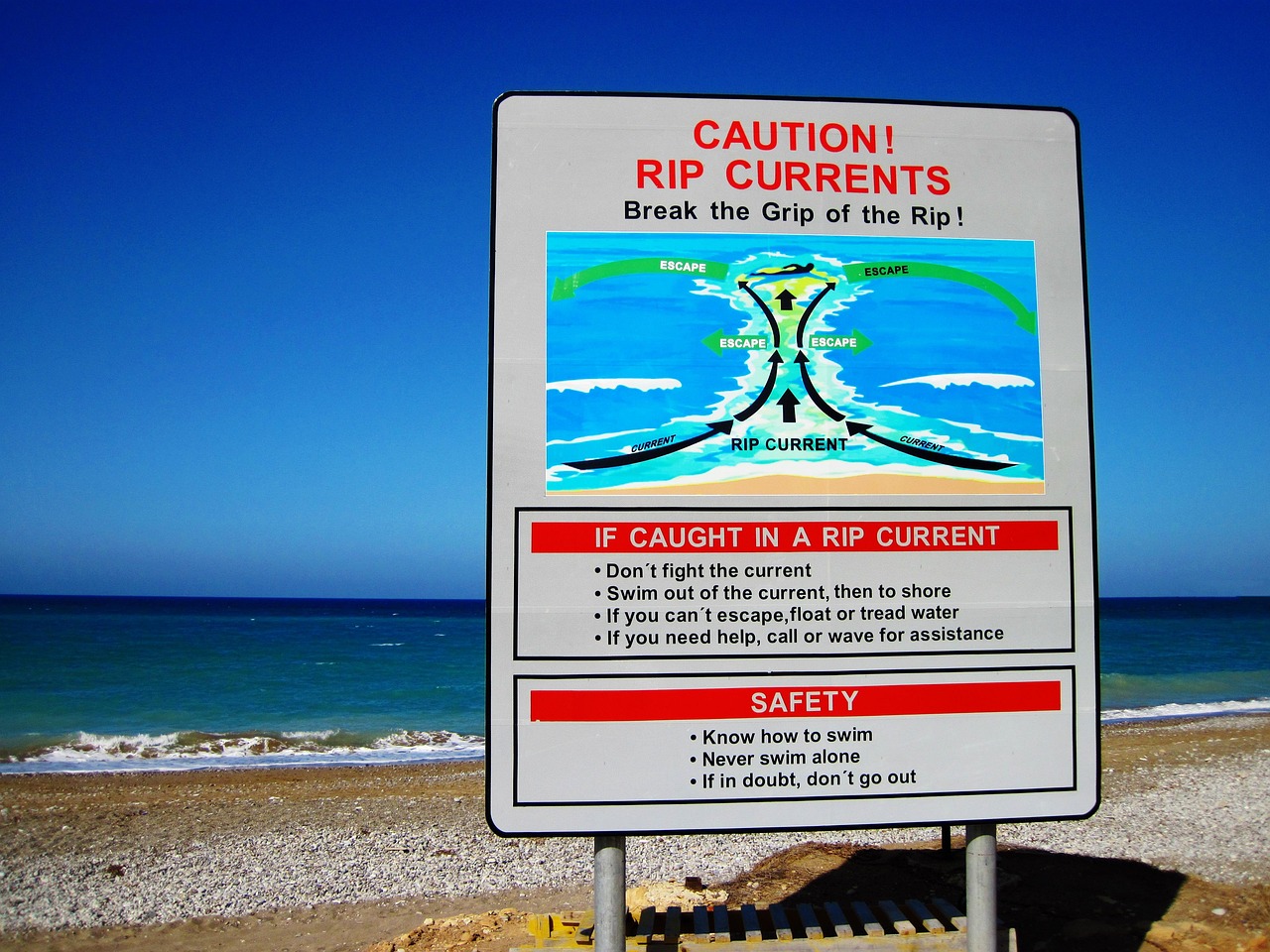
risk assessment is the systematic process of identifying, analysing, and evaluating potential events that could negatively affect the achievement of an organisation’s objectives. In the hotel environment the objective is the safety of guests, staff, assets and reputation. The first step is to recognise that a hotel is a complex operation with multiple points of interaction – front desk, housekeeping, food and beverage, recreational facilities and back‑of‑house services. Each of these areas presents unique hazards that must be examined. For example, a swimming pool may pose drowning risks, while a kitchen introduces fire and slip hazards. By mapping out every functional zone, the assessor creates a comprehensive picture of where risk may originate. The outcome of a thorough risk assessment is a prioritized list of hazards that guides the allocation of resources to mitigate those that pose the greatest threat to safety and business continuity.
A hazard is any source of potential damage, injury or adverse health effect. In hotel risk terminology hazards are classified as physical, chemical, biological, ergonomic or psychosocial. Physical hazards include moving machinery in laundry rooms, unsecured electrical cords in guest corridors, and structural weaknesses in older buildings. Chemical hazards arise from cleaning agents, pool chemicals and pest control substances. Biological hazards involve pathogens that can spread through food service or through contaminated linens. Ergonomic hazards are present when staff must lift heavy mattresses or push carts over uneven surfaces, leading to musculoskeletal injuries. Psychosocial hazards encompass workplace stress, harassment or violence that can affect both staff and guests. Understanding the full spectrum of hazards enables the hotel to develop tailored control measures for each category.
The term threat refers to any circumstance or event with the potential to cause loss or damage. In a hospitality setting threats can be natural, technological or human‑made. Natural threats include earthquakes, hurricanes, floods and severe storms that can compromise the structural integrity of a property. Technological threats involve system failures such as power outages, HVAC breakdowns or data breaches that affect reservation systems. Human‑made threats range from criminal activity, such as theft, fraud or vandalism, to terrorism and active shooter incidents. Distinguishing between the different types of threats is essential because each demands a specific response strategy. For instance, a fire threat requires a robust fire detection and suppression system, while a cyber‑threat necessitates strong network security protocols and staff training in data protection.
A vulnerability is a weakness that can be exploited by a threat to cause harm. Vulnerabilities in hotels often stem from inadequate physical security measures, outdated technology, insufficient staff training, or poor maintenance practices. An example of a physical vulnerability is a lack of secure access control on service elevators, which could allow unauthorised individuals to move between floors unnoticed. Technological vulnerabilities may include unpatched software on point‑of‑sale terminals that allow hackers to capture credit‑card data. Human vulnerabilities arise when staff are not trained to recognise suspicious behaviour, making them less likely to intervene in a potential robbery. By identifying these weaknesses, management can prioritize corrective actions that reduce the likelihood of a threat successfully exploiting a vulnerability.
The concept of likelihood quantifies the probability that a particular hazard will materialise into an incident. Likelihood is often expressed using a scale ranging from “rare” to “almost certain.” In practice, assessors examine historical incident data, industry statistics and expert judgement to assign a likelihood rating. For example, a hotel located in a flood‑prone region may assign a high likelihood rating to water damage, whereas a boutique hotel in a dry inland area may rate flood likelihood as low. Likelihood assessments also consider the effectiveness of existing controls; a well‑maintained fire alarm system reduces the likelihood that a small kitchen fire will evolve into a full‑scale blaze. Accurate likelihood estimates are crucial for balancing resources across multiple risk scenarios.
Impact describes the potential consequences of a risk event should it occur. Impacts are measured in terms of financial loss, operational disruption, reputational damage, legal liability and human injury or loss of life. In a hotel, the impact of a data breach may be primarily financial and reputational, leading to fines, loss of customer trust and reduced bookings. Conversely, a fire in a guest wing could result in severe physical injury, loss of life, extensive property damage and a prolonged shutdown of the affected area. Impacts are often categorised using a severity scale such as “minor,” “moderate,” “major” and “catastrophic.” By combining impact and likelihood, risk assessors develop a risk rating that informs decision‑making and prioritisation of mitigation efforts.
The risk matrix is a visual tool that plots likelihood against impact to produce a colour‑coded representation of risk levels. Typically, the matrix is divided into zones – green for low risk, yellow for medium risk, orange for high risk and red for critical risk. When a hazard is plotted on the matrix, the resulting colour indicates the urgency with which it should be addressed. For instance, a medium‑likelihood threat with a high impact may fall into the orange zone, signalling that mitigation measures are required but may not be as urgent as a red‑zone risk. The risk matrix facilitates communication between management, security personnel and other stakeholders by providing a clear, at‑a‑glance summary of the risk landscape.
A control is any measure taken to reduce the likelihood or impact of a risk. Controls can be administrative, technical, physical or procedural. Administrative controls include policies, procedures, training programmes and audits. Technical controls involve electronic systems such as fire detection sensors, intrusion alarms, access control readers and video surveillance. Physical controls consist of barriers, locks, safes and structural reinforcements. Procedural controls are the step‑by‑step actions that staff follow during normal operations and emergencies, such as evacuation drills and incident reporting protocols. Effective control strategies often combine multiple types of controls to create a layered defence, sometimes referred to as “defence in depth.” For example, a fire safety programme may incorporate fire‑resistant construction, automatic sprinkler systems, smoke detectors, staff training and regular fire drills.
The term mitigation refers to the process of reducing risk to an acceptable level through the implementation of controls. Mitigation strategies in hotels may involve upgrading infrastructure, enhancing staff competencies or revising operational procedures. For instance, to mitigate the risk of water damage from a leaking roof, a hotel might install a waterproof membrane, conduct routine roof inspections and develop a rapid response plan for water‑related incidents. Mitigation is an ongoing activity; controls must be maintained, tested and updated to remain effective as conditions change. The success of mitigation efforts is measured by a reduction in the risk rating on the risk matrix, indicating that the likelihood or impact has been lowered.
Residual risk is the amount of risk that remains after all feasible controls have been applied. No risk can be completely eliminated; therefore, management must decide whether the residual risk is within the organisation’s risk appetite. In a hotel, residual risk might be accepted for low‑impact, low‑likelihood events such as minor equipment failures that can be quickly repaired. However, residual risk that exceeds the acceptable threshold must be addressed through additional controls, transfer mechanisms (such as insurance) or, in extreme cases, by discontinuing the risky activity altogether. Understanding residual risk helps senior leadership allocate resources effectively and ensures that risk‑taking decisions are aligned with business objectives.
Risk appetite defines the level of risk an organisation is willing to accept in pursuit of its goals. Hotels with a strong brand reputation may have a low appetite for security breaches, whereas a budget‑oriented property may accept higher operational risks in exchange for cost savings. Risk appetite is communicated through policies, governance frameworks and the selection of risk‑tolerance thresholds on the risk matrix. It serves as a guide for decision‑makers when evaluating whether to implement additional controls, transfer risk through insurance or accept the risk as is. Aligning risk appetite with the hotel’s strategic objectives ensures that risk management supports, rather than hinders, business performance.
Risk register is a documented record of identified risks, including their descriptions, likelihood, impact, risk rating, existing controls, mitigation actions, owners and status. The register serves as a living document that tracks the evolution of each risk over time. In the hotel context, a risk register might list “unauthorised key card duplication” as a risk, assign a medium likelihood and high impact rating, note existing controls such as encrypted key cards and staff training, and record mitigation actions such as upgrading to RFID‑based access control. Regular review of the risk register ensures that new hazards are captured, controls are verified and mitigation progress is monitored. An up‑to‑date risk register is a cornerstone of effective risk governance.
Key card security is a specific vocabulary item that describes the methods used to protect electronic room‑key systems from tampering, cloning or unauthorised use. Modern hotels employ magnetic stripe or RFID key cards that encode guest information and access rights. Vulnerabilities arise when cards are lost, stolen or duplicated, potentially allowing unauthorised entry into guest rooms or restricted areas. Controls include encryption of card data, regular rotation of access codes, de‑activation of lost cards within minutes and staff training on proper handling procedures. An example of a practical application is the integration of a key‑card management system with the property management system (PMS) to automatically revoke access when a reservation is cancelled. Challenges include balancing guest convenience with security, especially for high‑turnover properties where key cards are issued and reclaimed frequently.
Access control refers to the mechanisms that regulate who may enter specific areas of a hotel and under what conditions. Access control systems can be mechanical, such as lock and key, or electronic, such as card readers, biometric scanners and mobile‑based credentials. Effective access control reduces the likelihood of unauthorised intrusion, theft and violent incidents. For example, a hotel may restrict access to the service elevator to staff only, using a badge‑reader that logs entry times. Practical challenges include ensuring that access rights are promptly updated when staff change roles, managing visitor access without compromising security, and integrating access control data with incident reporting systems for rapid investigation.
Closed‑circuit television (CCTV) is a surveillance technology that captures video footage of designated areas for security monitoring and incident investigation. In a hotel, CCTV cameras are typically installed in lobbies, parking lots, corridors, entrances, exits and high‑risk zones such as cash handling areas. The presence of CCTV serves as both a deterrent and a tool for post‑event analysis. Best practices include ensuring adequate coverage, maintaining appropriate resolution, storing footage securely for a defined retention period, and complying with privacy regulations. Practical applications may involve real‑time monitoring by security personnel, remote viewing by management during emergencies, and using video analytics to detect suspicious behaviour such as loitering or tailgating. Challenges include balancing guest privacy concerns with security needs and managing the cost of installation and ongoing maintenance.
Fire safety plan is a comprehensive document that outlines procedures for preventing, detecting, containing and extinguishing fires. The plan includes fire risk assessments, fire protection systems (sprinklers, alarms, extinguishers), evacuation routes, assembly points, roles and responsibilities, and training requirements. A well‑crafted fire safety plan is essential for compliance with local fire codes and for protecting lives and property. For instance, a hotel may designate specific stairwells as fire‑exit routes, install smoke detectors in each guest room, and conduct monthly fire drills with staff. Practical challenges involve ensuring that evacuation routes remain clear of obstacles, keeping fire‑extinguishing equipment serviced, and updating the plan whenever the layout of the hotel changes due to renovation or expansion.
Emergency response encompasses the actions taken immediately after an incident to protect life, limit damage and restore normal operations. In hotels, emergency response procedures cover a wide range of scenarios, including fire, medical emergencies, natural disasters, terrorist threats and active shooter incidents. Key components of an effective emergency response include clear communication channels (public address systems, mass‑notification apps), designated incident commanders, predefined assembly points, and post‑incident debriefs. For example, during a severe thunderstorm, an emergency response plan may direct staff to secure outdoor furniture, protect electronic equipment, and inform guests of shelter locations. Challenges include maintaining staff readiness through regular training, coordinating with external emergency services, and ensuring that response plans are adaptable to different types of incidents.
Business continuity is the capability of a hotel to continue delivering essential services during and after a disruptive event. A business continuity plan (BCP) identifies critical functions, such as reservation processing, guest check‑in, food service and revenue management, and outlines strategies to maintain or quickly restore these functions. The BCP incorporates risk assessment findings to prioritise resources and includes backup arrangements for power, communications, data, and personnel. For instance, a hotel may maintain an off‑site data centre for its PMS, have generators to support essential lighting and HVAC, and cross‑train staff so that key roles can be covered if primary personnel are unavailable. Practical challenges include testing the BCP regularly, managing costs associated with redundancy, and updating the plan as the hotel’s operations evolve.
Incident reporting is the systematic documentation of any event that deviates from normal operations and has the potential to affect safety, security or business performance. Incident reports capture details such as date, time, location, persons involved, description of the event, immediate actions taken and recommendations for future prevention. In the hotel industry, incident reporting is critical for learning from near‑misses, identifying trends, and complying with regulatory requirements. For example, a guest who slips in the lobby should be recorded, investigated, and used to inform preventive measures such as improving floor mat placement or adjusting cleaning schedules. Challenges include encouraging staff to report incidents without fear of reprisal, ensuring consistency in reporting formats, and integrating incident data into risk analysis tools.
Root‑cause analysis (RCA) is a method used to identify the fundamental underlying factors that lead to an incident or failure. Rather than treating only the symptoms, RCA seeks to uncover systemic issues that, if corrected, will prevent recurrence. Common techniques include the “5 Whys,” fishbone diagrams and fault‑tree analysis. In a hotel setting, an RCA might be performed after a fire alarm activation that turned out to be a false alarm caused by a faulty smoke detector. By tracing the issue to inadequate maintenance schedules, management can implement more rigorous testing protocols to avoid future false alarms. Practical challenges involve allocating time and expertise to conduct thorough analyses and ensuring that findings lead to actionable improvements rather than being filed away without follow‑up.
Security audit is an independent evaluation of a hotel’s security policies, procedures, physical protections and technology systems. Audits examine compliance with internal standards, industry best practices and legal regulations. The audit process typically includes document review, interviews with staff, walkthroughs of facilities, testing of alarm systems and assessment of access‑control logs. Findings are documented in an audit report that highlights strengths, weaknesses, non‑conformities and recommendations for corrective action. For example, an audit may reveal that CCTV footage is retained for only 30 days, which may be insufficient for investigations; the recommendation would be to extend retention to 90 days. Challenges include coordinating audit activities without disrupting guest services and ensuring that audit recommendations are implemented in a timely manner.
Threat intelligence refers to the collection and analysis of information about potential or active threats that could impact hotel security. Sources of threat intelligence include law‑enforcement alerts, industry newsletters, social‑media monitoring, and information‑sharing platforms such as the Hotel Security Consortium. By staying informed about emerging threats—such as new phishing campaigns targeting hotel reservation systems—security managers can proactively adjust controls and training. Practical application may involve updating fire‑wall rules to block malicious IP addresses identified in recent threat reports. Challenges include filtering out noise from relevant data, ensuring that intelligence is disseminated to the appropriate personnel, and integrating it into existing risk management processes.
Physical security assessment is a focused evaluation of the hotel’s tangible protective measures, such as perimeter fencing, lighting, locks, barriers and surveillance equipment. The assessment examines the effectiveness of these measures in deterring and detecting unauthorised entry, vandalism and other physical threats. For instance, a physical security assessment might reveal that the parking lot is poorly illuminated, creating a potential safety hazard for guests returning after dark. Recommendations would then include installing motion‑sensor lighting and adding signage to improve visibility. Challenges include balancing aesthetic considerations with security needs, especially in boutique hotels that aim for a specific design ambience.
Information security encompasses the policies, procedures and technical safeguards used to protect data from unauthorised access, alteration, disclosure or destruction. Hotels handle large volumes of personal data, including guest identification, payment information and health records. A breach of this data can result in significant financial penalties, loss of customer trust and legal liability. Controls in information security include encryption, firewalls, intrusion detection systems, regular patch management, and staff awareness training on phishing. An example of practical application is the implementation of tokenisation for credit‑card transactions, which replaces sensitive card numbers with non‑sensitive equivalents. Challenges involve keeping pace with evolving cyber threats, ensuring compliance with regulations such as GDPR or PCI‑DSS, and fostering a culture of security among all employees.
Legal compliance denotes adherence to laws, regulations, standards and contractual obligations that govern hotel operations. In the risk assessment context, legal compliance includes fire safety codes, occupational health and safety regulations, data‑protection statutes, accessibility requirements and licensing conditions. Failure to comply can result in fines, litigation, loss of operating permits and reputational harm. For example, non‑compliance with fire‑alarm testing frequency mandates could lead to regulatory penalties and increased liability in the event of a fire. Practical steps to ensure legal compliance involve maintaining a compliance calendar, conducting regular inspections, and staying informed about legislative changes that affect the hospitality sector. Challenges include the complexity of multi‑jurisdictional requirements for hotels operating in multiple regions and the need to align internal policies with external mandates.
Risk communication is the process of sharing risk information with stakeholders in a clear, timely and actionable manner. Stakeholders in a hotel include owners, senior management, employees, guests, suppliers, insurers and regulatory bodies. Effective risk communication ensures that each group understands its role in risk mitigation and can respond appropriately. For instance, informing guests about the location of emergency exits through in‑room signage and digital welcome messages enhances preparedness. Internally, regular briefings on emerging threats, such as updated phishing tactics, keep staff alert. Challenges involve translating technical risk language into understandable messages, avoiding information overload, and maintaining consistency across different communication channels.
Insurance is a risk‑transfer mechanism whereby a hotel purchases policies to cover financial losses arising from specific events, such as property damage, business interruption, liability claims or cyber incidents. Insurance does not eliminate risk but provides a safety net that can help the hotel recover financially after a loss. Selecting appropriate coverage requires a thorough understanding of the hotel’s risk profile, as identified through risk assessment. For example, a hotel located in a coastal area prone to hurricanes may need a separate windstorm endorsement in addition to standard property insurance. Practical challenges include estimating appropriate coverage limits, managing deductibles, and ensuring that policy exclusions do not leave critical gaps in protection.
Risk mitigation plan is a documented roadmap that outlines the steps, responsibilities, timelines and resources required to reduce identified risks to an acceptable level. The plan is derived from the risk register and prioritises actions based on risk ratings. Elements of a risk mitigation plan include the description of the control to be implemented, the person responsible (risk owner), the target completion date, required budget, and performance indicators to monitor effectiveness. For example, to mitigate the risk of unauthorised entry into the rooftop pool area, the plan may specify installing a biometric access gate, assigning a security guard during peak hours, and conducting monthly inspections of the gate’s functionality. Challenges involve securing sufficient funding, coordinating across departments, and tracking progress against the plan’s milestones.
Risk owner is the individual or department accountable for managing a specific risk throughout its life cycle. The risk owner is responsible for implementing controls, monitoring risk status, reporting changes, and ensuring that mitigation actions are completed. In a hotel, the risk owner for housekeeping‑related slip hazards might be the Housekeeping Manager, while the risk owner for cyber‑security threats could be the IT Director. Clear assignment of risk ownership prevents ambiguity and ensures that each risk receives focused attention. Challenges include avoiding the diffusion of responsibility, especially for cross‑functional risks that span multiple areas, and providing risk owners with the authority and resources needed to execute mitigation measures.
Key performance indicator (KPI) in risk management is a measurable value that demonstrates how effectively a hotel is achieving its risk‑related objectives. KPIs allow management to track progress, identify trends and make data‑driven decisions. Common risk‑related KPIs include the number of incidents reported per month, average time to resolve security breaches, percentage of staff trained on emergency procedures, and compliance audit scores. For instance, a KPI of “95 % of staff completing fire‑drill training annually” provides a clear target that can be monitored and reported to senior leadership. Practical challenges involve selecting KPIs that are truly indicative of risk performance, ensuring accurate data collection, and avoiding KPI overload that can dilute focus.
Continuous improvement is the ongoing effort to enhance risk management practices through regular review, feedback, learning and adaptation. In the hotel context, continuous improvement may involve conducting post‑incident reviews, updating the risk register after each audit, incorporating lessons learned from industry best‑practice forums, and revising training curricula to reflect new threats. The Plan‑Do‑Check‑Act (PDCA) cycle is a popular framework for driving continuous improvement. For example, after implementing a new electronic door‑lock system, the hotel would monitor lock‑failure incidents (Check), analyse root causes (Do), adjust maintenance procedures (Act) and then re‑evaluate performance (Plan). Challenges include maintaining momentum over time, allocating resources for improvement activities, and ensuring that changes are effectively communicated and embedded in daily operations.
Security culture refers to the shared values, attitudes and behaviours that influence how staff perceive and act on security matters. A strong security culture encourages proactive reporting, vigilant observation, adherence to procedures and a sense of collective responsibility for safety. In hotels, fostering a security culture can be achieved through regular training, leadership endorsement, recognition programmes for security‑aware behaviour, and open channels for staff to raise concerns. For example, a “Security Champion” program that designates enthusiastic employees to promote best practices can reinforce the desired culture. Practical challenges include overcoming complacency, especially in low‑risk periods, and aligning the security culture with the broader service‑oriented hospitality ethos.
Scenario planning is a strategic technique used to explore how different future conditions could affect the hotel’s risk profile. By developing multiple plausible scenarios—such as a pandemic outbreak, a major cyber‑attack or a natural disaster—management can test the robustness of existing controls and identify gaps. Scenario planning helps prioritize investments in resilience and informs business continuity strategies. For instance, a scenario that assumes a prolonged power outage may reveal the need for additional generator capacity and fuel storage. Challenges include selecting realistic scenarios, avoiding analysis paralysis, and ensuring that insights from scenario planning are translated into concrete action plans.
Supply‑chain risk encompasses the vulnerabilities and threats associated with the procurement and delivery of goods and services essential to hotel operations. Suppliers may pose risks such as delivery delays, quality issues, financial instability or cyber‑security weaknesses. For example, a food‑service supplier experiencing a contamination event could impact guest health and lead to reputational damage. Mitigation strategies include diversifying suppliers, conducting supplier audits, establishing contractual clauses for performance and security standards, and maintaining safety stock for critical items. Practical challenges involve balancing cost considerations with risk mitigation, managing relationships with multiple vendors, and monitoring supplier performance in real time.
Visitor management is the process of controlling and monitoring the access of non‑employee individuals to hotel premises. This includes guests, contractors, delivery personnel, event attendees and maintenance crews. Effective visitor management reduces the likelihood of unauthorised access and enhances overall security posture. Common tools include sign‑in registers, badge issuance, escort policies and electronic visitor‑tracking systems. For example, a hotel may issue temporary RFID badges to contractors, which are automatically deactivated at the end of the workday. Challenges include ensuring that visitor procedures do not hinder guest experience, maintaining accurate records, and integrating visitor data with incident reporting systems.
Security incident response team (SIRT) is a dedicated group of personnel tasked with managing and coordinating actions during a security event. The SIRT typically includes representatives from security, operations, communications, IT, legal and senior management. Their responsibilities encompass initial assessment, containment, communication with stakeholders, coordination with external emergency services, evidence preservation and post‑incident analysis. In a hotel, the SIRT may be activated during a bomb threat, coordinating evacuation, liaising with law enforcement and providing updates to guests. Practical challenges involve ensuring that team members are trained, that clear command structures are established, and that the team can operate effectively under high‑stress conditions.
Physical asset protection refers to measures designed to safeguard the hotel’s tangible resources, such as furniture, equipment, artwork, cash and inventory. Controls may include secure storage rooms, alarm‑protected safes, inventory tracking systems, and regular asset audits. For instance, a hotel may implement a cash‑handling policy that requires dual control for cash deposits, with transactions recorded in a secure ledger. Asset protection not only reduces financial loss but also supports insurance claims and compliance with accounting standards. Challenges involve balancing accessibility for operational needs with the need for strict security controls, and ensuring that staff are aware of and adhere to asset‑protection procedures.
Psychological safety is a concept that addresses the mental well‑being of employees and guests, recognising that fear, stress or anxiety can impair decision‑making and increase vulnerability to accidents or security incidents. In hotels, psychological safety initiatives may include stress‑management workshops for staff, clear protocols for handling aggressive guests, and support services for employees affected by traumatic events. For example, after a violent incident, offering counselling to affected staff can help mitigate long‑term psychological impacts and maintain morale. Challenges include destigmatising mental‑health discussions, providing adequate resources, and integrating psychological safety considerations into broader risk‑management frameworks.
Operational risk denotes the risk of loss resulting from inadequate or failed internal processes, people, systems or external events that affect day‑to‑day hotel functions. Operational risks can manifest as service disruptions, quality failures, compliance breaches or safety incidents. An example is a failure in the property‑management system that prevents reservations from being recorded, leading to overbooking and guest dissatisfaction. Mitigating operational risk involves robust process design, regular training, system redundancies and continuous monitoring. Challenges include identifying hidden process weaknesses, maintaining consistency across multiple locations, and adapting to evolving technology platforms.
Strategic risk is the risk that the hotel’s long‑term objectives may be compromised by external forces such as market shifts, regulatory changes, competitive pressures or macro‑economic trends. Strategic risks are typically less immediate than operational risks but can have profound impacts on profitability and sustainability. For instance, a shift in consumer preferences toward eco‑friendly accommodations may pose a strategic risk to a hotel that has not invested in sustainable practices. Addressing strategic risk involves scenario analysis, market research, investment in innovation and alignment of risk appetite with strategic planning. Practical challenges include forecasting long‑term trends accurately, securing leadership commitment, and integrating risk considerations into strategic decision‑making.
Risk‑based scheduling is the practice of allocating inspection, maintenance and training activities according to the risk level of assets or processes. High‑risk areas, such as fire‑suppression systems or high‑traffic elevators, receive more frequent attention, while lower‑risk components are inspected less often. This approach optimises resource utilisation and ensures that critical controls are maintained in a timely manner. For example, a hotel may schedule monthly fire‑alarm testing for guest‑room detectors, quarterly inspections of sprinkler heads, and annual comprehensive fire‑system audits. Challenges include establishing accurate risk rankings, avoiding schedule fatigue among staff, and ensuring that risk‑based schedules are documented and adhered to.
Regulatory audit is a formal examination conducted by government or industry bodies to verify that a hotel complies with applicable laws, codes and standards. Audits may cover fire safety, health and sanitation, occupational health, data protection and accessibility. The audit process typically involves document review, site inspection, interviews with personnel and testing of systems. Findings may result in citations, fines or corrective action orders. For instance, a health‑department audit might uncover inadequate food‑storage temperatures, prompting immediate corrective measures. Practical challenges include preparing for audits without disrupting guest services, maintaining up‑to‑date documentation, and responding promptly to audit findings.
Security governance refers to the framework of policies, procedures, roles, responsibilities and oversight mechanisms that guide and control an organisation’s security activities. Effective security governance ensures alignment with corporate objectives, regulatory requirements and risk appetite. In a hotel, governance structures may include a Security Steering Committee, defined security policies, regular reporting to senior management and periodic performance reviews. Governance also encompasses accountability for security decisions, resource allocation and continuous improvement. Challenges include integrating security governance with other governance domains such as finance or compliance, and ensuring that governance processes are agile enough to respond to emerging threats.
Risk transfer is the strategy of shifting the financial consequences of a risk to another party, typically through insurance contracts, outsourcing or contractual agreements. While risk transfer does not eliminate the underlying hazard, it reduces the financial exposure of the hotel. For example, outsourcing laundry services can transfer the operational risk of equipment failure to the service provider, who assumes responsibility for maintenance and downtime. Similarly, a hotel may purchase cyber‑insurance to cover costs associated with data‑breach remediation. Practical challenges involve accurately assessing the scope of coverage, negotiating favourable terms, and ensuring that transferred risks are still monitored for performance.
Risk tolerance defines the acceptable level of variation in risk exposure that an organisation is prepared to withstand. It differs from risk appetite in that tolerance is more specific, often expressed as thresholds for individual risk metrics. In a hotel, risk tolerance might be set as “no more than two guest injuries per year” for slip‑and‑fall incidents, or “maximum downtime of 24 hours for critical IT systems.” Establishing clear tolerance levels enables managers to make objective decisions about when to implement additional controls or accept the existing risk. Challenges include determining realistic tolerance thresholds, communicating them effectively to staff, and monitoring compliance through key performance indicators.
Security incident log is a chronological record of all security‑related events, including details such as date, time, location, description, persons involved, response actions and outcomes. Maintaining an accurate incident log supports trend analysis, compliance reporting and continuous improvement. For instance, analysing the incident log may reveal a pattern of unauthorized access attempts during night shifts, prompting a review of staffing levels and lighting. Practical considerations include ensuring that the log is tamper‑proof, accessible to authorised personnel, and integrated with the broader risk management system. Challenges involve encouraging consistent reporting, preventing under‑reporting of minor incidents, and protecting the confidentiality of sensitive information.
Threat modelling is a systematic approach to identifying potential attack vectors, adversary capabilities and likely targets within a system. In a hotel, threat modelling might focus on the reservation platform, assessing how attackers could exploit vulnerabilities to gain unauthorised access to guest data. The process typically involves defining assets, identifying potential adversaries, enumerating attack pathways, and assessing the likelihood and impact of each scenario. Threat modelling informs the design of security controls, such as implementing multi‑factor authentication, network segmentation and regular vulnerability scanning. Challenges include keeping the model up‑to‑date as technology evolves and ensuring that the modelling effort translates into actionable security enhancements.
Security policy is a formal document that outlines the principles, rules and responsibilities governing the protection of assets, information and people. A comprehensive security policy for a hotel covers areas such as access control, data protection, incident response, visitor management, and employee conduct. The policy provides a baseline for developing procedures, training programmes and compliance audits. For example, a policy may state that all staff must wear identification badges while on premises, and that any lost badge must be reported within 15 minutes. Effective policies are clear, concise, regularly reviewed and communicated to all relevant parties. Challenges include ensuring that policies remain relevant amidst changing threats, achieving buy‑in from staff, and enforcing adherence without impeding operational efficiency.
Security training is the educational component of risk management that equips employees with the knowledge and skills to recognise, prevent and respond to security threats. Training programmes may include topics such as emergency evacuation, handling aggressive guests, recognising phishing emails, and proper use of security equipment. Effective training is interactive, scenario‑based and reinforced through regular refreshers. For instance, conducting a tabletop exercise on a simulated bomb threat helps staff internalise roles and communication protocols. Practical challenges involve balancing training frequency with operational demands, customizing content for diverse employee groups, and measuring the impact of training on actual security performance.
Incident escalation is the process of raising a security event to higher levels of authority when its severity exceeds predefined thresholds. Escalation ensures that appropriate resources and decision‑makers are engaged promptly. In a hotel, a minor door‑forced entry might be handled by on‑site security staff, while a coordinated armed intrusion would trigger escalation to senior management, law enforcement and possibly the media liaison team. Escalation procedures are documented in the incident response plan and include clear criteria, communication channels and responsibilities. Challenges include avoiding unnecessary escalations that can cause alarm fatigue, ensuring that escalation pathways are well‑understood, and maintaining rapid response times under pressure.
Security risk register is a specialised version of the general risk register that focuses exclusively on security‑related risks. It contains entries for threats such as theft, vandalism, cyber‑attacks, terrorism, insider threats and physical breaches. Each entry includes the risk description, likelihood, impact, existing controls, mitigation actions, owners and status. Maintaining a dedicated security risk register enables security managers to monitor trends, allocate resources strategically and report to senior leadership. For example, a rising trend in attempted credit‑card fraud may be reflected in the register, prompting the implementation of enhanced transaction monitoring. Challenges involve keeping the register current, integrating it with broader risk‑management tools, and ensuring that mitigation actions are tracked to completion.
Security performance metrics are quantitative or qualitative measures used to evaluate the effectiveness of security controls and programmes. Metrics may include the number of security incidents per month, average response time to alarms, percentage of staff completing security training, and compliance audit scores. By tracking these metrics, management can assess whether security objectives are being met and identify areas for improvement. For instance, a high average response time to fire alarms may indicate a need for additional training or equipment upgrades. Practical challenges include selecting metrics that truly reflect security performance, ensuring data accuracy, and avoiding metric overload that can obscure meaningful insights.
Security risk assessment framework provides a structured methodology for conducting risk assessments consistently across the hotel’s various functions. Common frameworks include ISO 31000, NIST SP 800‑53, and the Hotel Security Standard (HSS). The framework outlines steps such as context establishment, risk identification, analysis, evaluation, treatment, monitoring and review. Adopting a recognised framework ensures that assessments are comprehensive, repeatable and aligned with industry best practices. For example, using ISO 31000, a hotel would start by defining its risk context, then identify hazards, assess likelihood and impact, and finally select appropriate controls. Challenges include tailoring the framework to the unique operational environment of hospitality and ensuring staff are trained in its application.
Security audit trail is a chronological record that documents system and user activities related to security controls, providing evidence of compliance and supporting forensic investigations. In a hotel, audit trails may capture access‑card usage logs, CCTV footage timestamps, alarm activation records, and changes to security configurations. Maintaining an immutable audit trail enables investigators to reconstruct events leading up to an incident, verify that controls were functioning, and demonstrate compliance with regulatory requirements. Practical considerations include ensuring secure storage of audit data, defining retention periods, and restricting access to authorised personnel only. Challenges involve managing large volumes of log data, protecting the integrity of the trail, and integrating disparate logs into a unified analysis platform.
Security risk communication plan outlines how risk information will be disseminated to internal and external stakeholders during normal operations and crisis situations.
Key takeaways
- The first step is to recognise that a hotel is a complex operation with multiple points of interaction – front desk, housekeeping, food and beverage, recreational facilities and back‑of‑house services.
- Physical hazards include moving machinery in laundry rooms, unsecured electrical cords in guest corridors, and structural weaknesses in older buildings.
- For instance, a fire threat requires a robust fire detection and suppression system, while a cyber‑threat necessitates strong network security protocols and staff training in data protection.
- An example of a physical vulnerability is a lack of secure access control on service elevators, which could allow unauthorised individuals to move between floors unnoticed.
- Likelihood assessments also consider the effectiveness of existing controls; a well‑maintained fire alarm system reduces the likelihood that a small kitchen fire will evolve into a full‑scale blaze.
- Conversely, a fire in a guest wing could result in severe physical injury, loss of life, extensive property damage and a prolonged shutdown of the affected area.
- For instance, a medium‑likelihood threat with a high impact may fall into the orange zone, signalling that mitigation measures are required but may not be as urgent as a red‑zone risk.