
Emergency Response Planning
Emergency Response Planning is the systematic process of preparing a hotel to effectively respond to incidents that threaten the safety of guests, staff, and property. This planning involves identifying potential hazards, assessing risks, e…
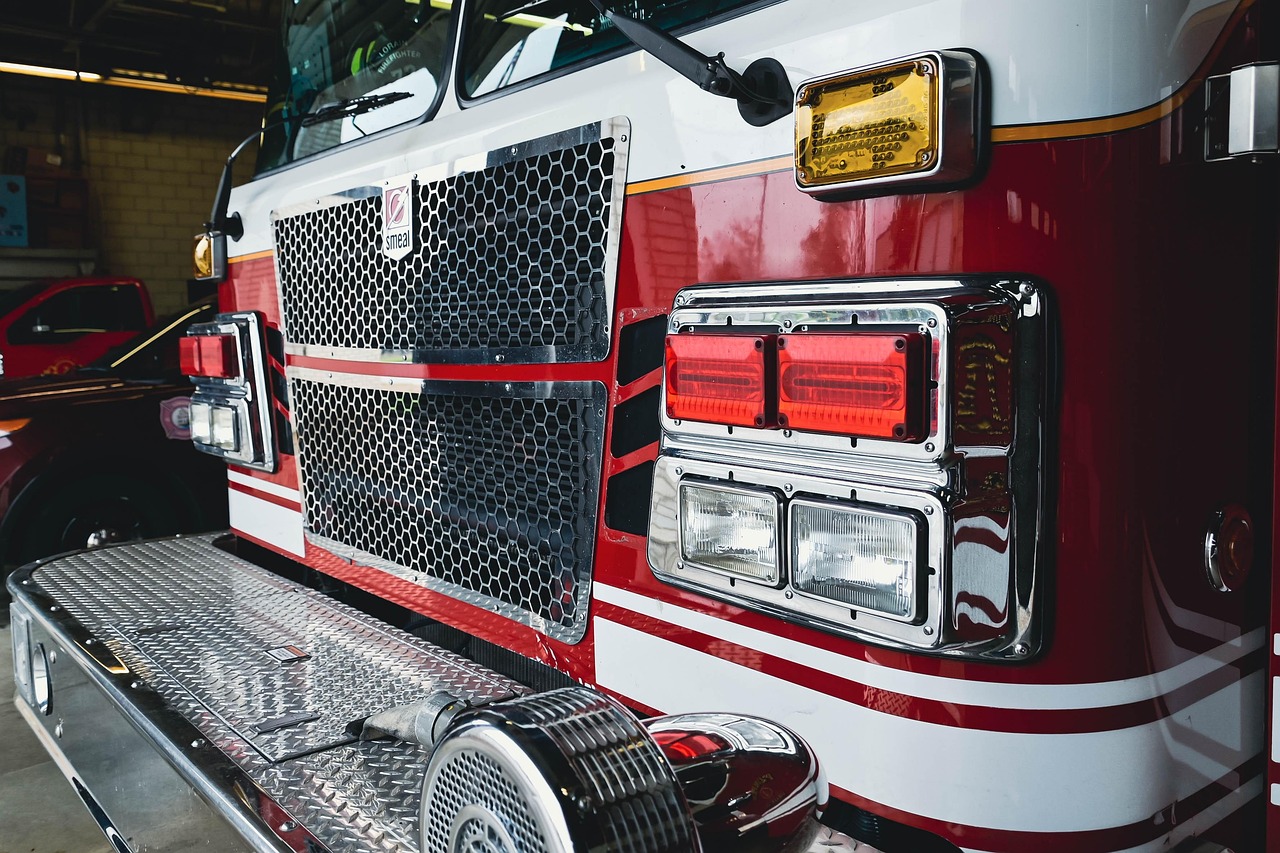
Emergency Response Planning is the systematic process of preparing a hotel to effectively respond to incidents that threaten the safety of guests, staff, and property. This planning involves identifying potential hazards, assessing risks, establishing clear lines of authority, and creating detailed procedures that can be activated quickly. In the hospitality environment, the unique mix of transient populations, complex building layouts, and high levels of service expectations make a robust plan essential. For example, a large resort with multiple dining venues, a conference center, and a swimming pool must consider a wider range of scenarios than a boutique city hotel, yet both require a structured approach to protect life and maintain business continuity.
Risk Assessment is the foundational activity that determines the likelihood and impact of various emergencies. It involves a systematic evaluation of hazards such as fire, flood, severe weather, terrorism, and health crises. The assessment should consider the probability of occurrence, the number of occupants potentially affected, and the potential financial and reputational damage. A practical application is the use of a risk matrix where each hazard is plotted against its likelihood and impact, allowing managers to prioritize resources. One challenge in conducting a thorough risk assessment is obtaining accurate data on rare events; hotels often rely on historical incident reports, local emergency services statistics, and industry benchmarks to fill gaps.
Hazard Identification is the process of cataloguing all sources of potential danger within the hotel environment. Hazards can be physical (e.G., Faulty wiring), chemical (e.G., Cleaning agents), biological (e.G., Contagious illness), or human-made (e.G., Active shooter). A detailed inventory might list each kitchen appliance, laundry equipment, and pool chemical storage area, noting any known deficiencies. In practice, the housekeeping department may discover a leaking gas line during routine inspections, prompting immediate corrective action. The main difficulty is maintaining an up‑to‑date inventory as renovations and equipment upgrades occur frequently.
Threat Assessment focuses specifically on intentional or malicious hazards such as terrorism, vandalism, or cyber‑attacks that could disrupt hotel operations. It involves analyzing intelligence sources, monitoring local security trends, and evaluating the hotel’s exposure based on its location, clientele, and visibility. For instance, a hotel located near a high‑profile event venue may be at higher risk for crowd‑related incidents. Conducting a threat assessment often requires collaboration with law enforcement and private security firms, which can be logistically complex and may raise concerns about information sharing.
Incident Command System (ICS) is a standardized, flexible management structure used to coordinate emergency response across multiple agencies and internal staff. The system defines roles such as Incident Commander, Operations Section Chief, Planning Section Chief, Logistics Section Chief, and Finance/Administration Section Chief. By using a common terminology and hierarchy, hotels can integrate seamlessly with external responders. In a fire scenario, the Incident Commander—usually the General Manager or designated security manager—takes charge, while the Operations Section organizes evacuation and fire suppression, the Planning Section gathers information for ongoing decisions, the Logistics Section ensures needed equipment arrives, and the Finance Section tracks expenses. A common challenge is ensuring that all staff understand their responsibilities within the ICS framework, which requires regular training and drills.
Emergency Operations Center (EOC) is a designated space within the hotel—or a nearby off‑site location—where senior management, security personnel, and key department heads convene to coordinate the response. The EOC is equipped with communication tools, maps, and status boards. During a severe weather event, the EOC might monitor storm forecasts, issue shelter‑in‑place orders, and coordinate with local emergency services. One practical issue is ensuring the EOC remains functional when primary utilities fail; hotels must therefore provide backup power and redundant communication channels.
Standard Operating Procedure (SOP) documents provide step‑by‑step instructions for specific emergency actions. SOPs cover topics such as fire alarm activation, evacuation of guests with disabilities, and medical emergency response. For example, an SOP for a fire in the kitchen might specify that the chef shuts off the gas valve, activates the nearest fire extinguisher, and alerts the front desk while the fire alarm is manually pulled. SOPs must be concise, written in plain language, and regularly reviewed. The main challenge lies in preventing SOPs from becoming static documents; they should evolve with new technology, regulatory changes, and lessons learned from drills.
Evacuation Plan outlines the routes, procedures, and responsibilities for moving guests and staff to safety. It includes primary and secondary exits, assembly points, and methods for accounting for all occupants. In a high‑rise hotel, the evacuation plan may designate stairwell A as the primary egress route, while stairwell B serves as an alternate for guests with mobility impairments. Practical application involves posting clear signage, conducting regular drills, and training front‑desk staff to assist guests who require assistance. A common difficulty is ensuring that evacuation routes remain clear of obstacles such as luggage carts, housekeeping carts, or temporary construction barriers.
Fire Safety Plan integrates fire detection, suppression, and evacuation components. It details the location of smoke detectors, fire alarm pull stations, sprinkler heads, and fire extinguishers. The plan also assigns responsibilities for fire wardens, who conduct sweep checks to confirm that no one is left behind. In practice, a fire safety plan may require the kitchen manager to perform a pre‑service fire extinguisher inspection each shift. One challenge is coordinating fire safety measures with other building systems, such as HVAC, to prevent smoke spread while maintaining guest comfort.
Medical Emergency Plan defines how the hotel will respond to injuries or sudden illnesses. It includes the location of first‑aid kits, automated external defibrillators (AEDs), and trained medical responders. For example, a hotel may have an AED on each floor near the fitness center, with staff members certified in cardiopulmonary resuscitation (CPR) during each quarterly training cycle. The plan also outlines procedures for contacting emergency medical services (EMS), providing basic life support, and documenting the incident. A key challenge is maintaining the readiness of medical equipment, as batteries and supplies can degrade if not regularly checked.
Business Continuity Plan (BCP) ensures that essential hotel functions can continue during and after an emergency. It identifies critical processes—such as reservation handling, revenue management, and guest services—and outlines strategies for maintaining them. For instance, a BCP might include a cloud‑based reservation system that can be accessed from any location if the on‑site server is compromised. Practical application also involves establishing alternate work sites for staff if the hotel is temporarily unusable. One difficulty is balancing the cost of redundant systems with the potential loss of revenue during an extended disruption.
Crisis Management refers to the broader strategic handling of an emergency that impacts the hotel’s reputation, legal standing, or financial stability. It involves coordinated communication, decision‑making, and post‑incident analysis. A crisis such as a high‑profile security breach may require the General Manager to work closely with public relations, legal counsel, and law enforcement to manage media inquiries and mitigate reputational damage. The main challenge is the rapid evolution of public perception, especially on social media, which demands swift, accurate, and transparent communication.
Communication Protocol establishes how information is transmitted before, during, and after an incident. It defines the hierarchy of messages, approved spokespersons, and the channels to be used—such as intercom announcements, text alerts, or social media posts. For example, a protocol might state that the Public Information Officer (PIO) issues all external statements, while the front desk manager provides internal updates to guests via the in‑room television system. Challenges include ensuring that all staff are familiar with the protocol and that communication tools remain operational under adverse conditions.
Chain of Command clarifies the order of authority and responsibility. It ensures that decisions flow from senior management to operational staff without confusion. In practice, the chain of command may be depicted on a simple chart displayed in staff rooms, showing that the General Manager oversees the Security Manager, who in turn directs the Night Shift Supervisor. Maintaining a clear chain of command can be difficult in large hotels where departmental silos exist; regular cross‑department briefings help reinforce the structure.
Situation Report (SitRep) is a concise, factual update that captures the current status of an incident, actions taken, resources deployed, and anticipated needs. It is typically compiled by the Planning Section Chief and disseminated to all relevant parties. During a flood, a SitRep might note water levels, affected guest rooms, and the number of staff assigned to relocate guests. The main challenge is producing accurate SitReps in real time while managing the chaos of an unfolding event.
Emergency Notification System is the technology used to alert staff and guests of an impending or ongoing emergency. Systems may include loudspeakers, SMS alerts, mobile apps, or dedicated paging devices. For instance, a hotel might use a mass‑notification platform that sends a push notification to guests’ smartphones with evacuation instructions. Practical considerations involve ensuring that the system can reach all occupants, including those with hearing impairments; integrating visual alerts such as flashing lights can address this need. A common obstacle is keeping contact information up‑to‑date for transient guests.
Mass Notification is a specific type of emergency notification aimed at large numbers of people simultaneously. It often employs multiple channels to increase redundancy. An example is a coordinated alert that triggers the fire alarm, sends a text message, and displays a banner on the hotel’s Wi‑Fi login page. The challenge lies in avoiding “alert fatigue,” where frequent non‑critical messages cause recipients to ignore future alerts. Proper calibration of thresholds for mass notification helps mitigate this risk.
Alarm System includes fire alarms, intruder alarms, and emergency sirens. These devices provide immediate audible warnings that an incident is occurring. In a hotel corridor, a fire alarm might be accompanied by a strobe light to aid guests with hearing loss. Practical maintenance includes monthly testing, battery replacement, and ensuring that alarm sounds are audible throughout all guest areas. One difficulty is balancing the need for loud alerts with the risk of causing panic among guests unfamiliar with alarm sounds.
Panic Bar is a door hardware component that allows a door to be opened from the inside by pressing a horizontal bar, even when locked from the outside. Panic bars are required on egress doors in many jurisdictions. For example, a ballroom’s main entrance may be equipped with a panic bar to enable rapid evacuation. The main challenge is ensuring that panic bars are not obstructed by decorative elements or furniture, which could impede their function during an emergency.
Guest Safety is the overarching goal of all emergency response measures. It encompasses physical protection, psychological reassurance, and clear communication. Practical actions include providing guests with printed evacuation maps upon check‑in, training front desk staff to speak calmly during alarms, and offering temporary shelter or assistance for guests with special needs. A persistent challenge is that guests may be unfamiliar with the property layout, making it essential to provide orientation and clear signage.
Staff Training is the process of educating employees on emergency procedures, equipment use, and their specific roles. Training methods include classroom sessions, hands‑on drills, and e‑learning modules. For instance, housekeeping staff may receive quarterly training on how to operate fire extinguishers and assist guests with mobility issues. The biggest obstacle is scheduling training without disrupting hotel operations; staggered sessions and online resources can help balance learning with service delivery.
Drills and Exercises are practical rehearsals of emergency scenarios. They range from simple fire drills to complex multi‑agency simulations. A fire drill might involve pulling the alarm, evacuating guests, and conducting a headcount at the assembly area. A functional exercise could simulate a cyber‑attack on the reservation system, requiring coordination between IT, security, and senior management. Challenges include maintaining realism without causing unnecessary alarm among guests and ensuring that lessons learned are captured and integrated into SOPs.
Tabletop Exercise is a discussion‑based scenario where participants walk through the steps of an emergency response without physically moving. It allows managers to explore decision‑making processes and identify gaps in planning. For example, a tabletop exercise on a chemical spill might involve the safety manager, the kitchen supervisor, and the front desk manager outlining containment, guest notification, and coordination with local hazardous‑materials teams. The primary difficulty is keeping participants engaged and ensuring that the exercise surfaces realistic issues rather than theoretical ones.
Functional Exercise involves actual deployment of resources and personnel to test specific functions, such as activating the emergency lighting system or setting up a temporary command post. In a functional exercise for a power outage, the facilities team would switch to backup generators, test emergency lighting, and verify that critical systems like fire alarms remain operational. A common challenge is the logistical effort required to coordinate multiple departments and external partners while minimizing disruption to guests.
Full‑Scale Exercise is the most comprehensive type of drill, involving real‑time activation of all components of the emergency plan, often with external agencies such as fire, police, and EMS. For a full‑scale fire scenario, the hotel would sound alarms, evacuate guests, and allow fire crews to practice suppression tactics on a controlled burn area. The benefits include validating the entire chain of command and identifying unforeseen weaknesses. However, full‑scale exercises are resource‑intensive, may require temporary closure of certain facilities, and must be carefully scheduled to avoid guest inconvenience.
After‑Action Review (AAR) is a structured debrief that occurs after a drill or real incident. It examines what went well, what needs improvement, and how to implement corrective actions. Participants discuss performance against objectives, document findings, and assign responsibility for follow‑up tasks. A practical example is an AAR after a fire drill that reveals the assembly area’s signage was partially obscured, leading to a corrective work order. The main challenge is ensuring that AAR recommendations are not merely documented but actually integrated into future training and SOP revisions.
Lessons Learned are the insights gained from the AAR that inform future planning. They may involve procedural changes, equipment upgrades, or policy adjustments. For instance, a lesson learned from a simulated active‑shooter scenario could be the need for additional secure rooms or enhanced communication protocols with local law enforcement. The difficulty lies in translating abstract observations into concrete, measurable improvements and tracking their implementation over time.
Recovery Phase follows the immediate response and focuses on restoring normal operations, repairing damage, and supporting affected individuals. It includes activities such as repairing fire‑damaged rooms, providing counseling to staff, and processing insurance claims. In practice, a recovery team may prioritize guest room repairs to minimize revenue loss while simultaneously coordinating with the finance department to document expenses for insurance reimbursement. A key challenge is balancing rapid reopening with ensuring that all safety systems have been fully restored and tested.
Incident Commander is the individual with ultimate authority over the response effort. The Incident Commander sets objectives, allocates resources, and makes critical decisions. In a hotel, this role is often filled by the General Manager or a designated security manager, depending on the incident’s severity. The Incident Commander must maintain situational awareness, communicate effectively with both internal staff and external responders, and ensure that the response aligns with the established Emergency Response Plan. One challenge is transitioning command when the Incident Commander becomes unavailable, requiring a clear succession plan.
Operations Section is responsible for implementing tactical actions to achieve the objectives set by the Incident Commander. This includes evacuation, fire suppression, medical assistance, and securing the incident site. In an active‑shooter scenario, the Operations Section may coordinate with law enforcement to establish a perimeter, conduct rescue, and clear the area. Practical difficulties include ensuring that Operations personnel have the necessary training and equipment, and that they can adapt quickly to evolving conditions.
Planning Section gathers and analyzes information, develops the incident action plan, and monitors progress. It produces SitReps, forecasts resource needs, and updates the Incident Commander on emerging threats. For example, during a severe storm, the Planning Section might track rainfall data, predict flooding zones, and recommend shelter‑in‑place orders. A common obstacle is the rapid collection and validation of data in a chaotic environment, which can be mitigated by pre‑designated data sources and templates.
Logistics Section provides the support required to sustain operations, including equipment, supplies, transportation, and facilities. In a fire emergency, Logistics would ensure that fire extinguishers are restocked, that additional staff are brought in to assist with evacuation, and that temporary shelter spaces are prepared. The main challenge is maintaining an inventory of emergency supplies that is both comprehensive and regularly refreshed, as items such as batteries and medical kits have limited shelf lives.
Finance/Administration Section tracks costs, processes reimbursements, and handles administrative matters such as personnel time records and procurement. During a prolonged power outage, this section would document expenses for generator fuel, overtime pay for staff, and any guest compensation. A practical issue is ensuring that financial documentation complies with insurance requirements and regulatory standards, which often demand detailed, time‑stamped records.
Public Information Officer (PIO) manages all communication with the media, public, and stakeholders. The PIO prepares press releases, coordinates interviews, and ensures consistent messaging. In a high‑profile security incident, the PIO must balance transparency with protecting ongoing investigations and guest privacy. Challenges include managing misinformation that can spread rapidly on social media platforms; a proactive media strategy and regular updates can help mitigate reputational risk.
Liaison Officer serves as the point of contact between the hotel and external agencies such as police, fire, EMS, and government officials. The Liaison Officer facilitates the exchange of information, requests resources, and ensures that external responders are briefed on hotel layout and guest demographics. For instance, during a chemical spill, the Liaison Officer would provide the hazardous‑materials team with floor plans, ventilation system details, and a list of guests with respiratory conditions. One difficulty is maintaining up‑to‑date contact information for all relevant agencies, especially in regions with multiple jurisdictions.
Mutual Aid refers to agreements with neighboring hotels, local businesses, or emergency services to share resources during a crisis. A mutual‑aid arrangement might allow a nearby hotel to provide additional staff or temporary accommodation for displaced guests if the primary hotel becomes uninhabitable. Practical implementation requires formal memoranda of understanding (MOUs) that outline the scope of assistance, liability, and reimbursement terms. The primary challenge is coordinating mutual‑aid activation quickly, as legal approvals can delay the deployment of resources.
Redundancy is the inclusion of backup systems to ensure continuity when primary systems fail. This can include duplicate communication networks, secondary power supplies, and parallel data storage. For example, a hotel may have both a land‑line phone system and a VoIP system to guarantee that guests can reach the front desk during a telecom outage. Implementing redundancy can be costly, and the challenge is determining the optimal level of backup that balances risk reduction with budget constraints.
Backup Power systems, such as generators and uninterruptible power supplies (UPS), supply electricity when the main grid is unavailable. They are critical for maintaining fire alarm operation, emergency lighting, and essential HVAC functions. In practice, a hotel’s backup generator should be tested monthly, with fuel levels monitored and automatic transfer switches inspected. A common issue is that generators may fail to start due to lack of maintenance, underscoring the need for a rigorous testing schedule.
Emergency Lighting provides illumination along egress routes, exit signs, and assembly areas when normal lighting fails. It typically operates on battery power and must meet illumination levels set by building codes. Practical application includes installing photoluminescent signs that glow without electricity and ensuring that emergency lights are not obstructed by decorative fixtures. The challenge is that battery‑powered lights degrade over time; regular inspections and battery replacements are essential.
Signage includes directional signs, exit signs, and hazard warnings. Effective signage uses clear symbols, contrasting colors, and universal language to guide guests regardless of language proficiency. For instance, a “EXIT” sign with a green background and white lettering conforms to many international standards. A practical issue is ensuring that signage remains visible after renovations or redecorations; periodic audits help maintain compliance.
Wayfinding refers to the design of spatial cues that help guests navigate the property. This includes floor‑level maps, color‑coded corridors, and digital kiosks. In an emergency, wayfinding aids can reduce confusion and speed evacuation. For example, a hotel may use a distinct color band on the carpet to denote the primary evacuation route. The main challenge is integrating wayfinding with aesthetic design, ensuring that safety cues do not compromise the guest experience.
Assembly Area is a pre‑designated safe location where guests and staff gather after evacuation for accountability and further instructions. It should be protected from hazards, have sufficient space, and be clearly marked. A typical assembly area might be a parking lot with a large “Assembly Point” sign and a shaded area for inclement weather. Practical considerations include providing water, first‑aid supplies, and a method for taking roll calls. A challenge is controlling crowd flow and preventing re‑entry into dangerous zones.
Shelter‑in‑Place is a protective strategy where occupants remain in a safe location within the building rather than evacuating. This is used when evacuation routes are compromised or when external hazards (e.G., Chemical cloud) make movement unsafe. In a hotel, a designated shelter‑in‑place room may be reinforced, equipped with ventilation controls, and stocked with emergency supplies. The challenge lies in identifying suitable rooms, ensuring they are accessible to all guests, and communicating the shelter‑in‑place order clearly.
Lockdown is a protocol that restricts movement within the hotel, securing doors and limiting access to interior spaces. It is often employed during threats such as an active shooter or bomb threat. For instance, during a lockdown, the front desk may lock exterior doors, secure internal corridors, and instruct guests to remain in their rooms with doors locked. A practical obstacle is training staff to execute a lockdown silently and efficiently without causing panic.
Evacuation Routes are the paths designated for guests and staff to exit the building safely. They must be free of obstacles, clearly marked, and sufficiently wide to accommodate the maximum expected occupancy. Primary routes are the main egress paths, while secondary routes provide alternatives if the primary path becomes blocked. In practice, hotels conduct regular inspections to ensure that carts, luggage, and decorative items do not obstruct these routes. A frequent challenge is maintaining route clearance during high‑traffic periods such as peak check‑out times.
Primary Exit is the main door or set of doors used for evacuation under normal conditions. It is typically the most direct path to the outside and must be equipped with panic bars and illuminated signage. For example, a hotel lobby may have a double‑wide primary exit that opens onto a street with a curb cut for wheelchair access. Ensuring that the primary exit remains operational during construction or renovation is a key logistical concern.
Secondary Exit provides an alternative egress path if the primary exit is unusable. It may be located on a different side of the building or on a different floor. A hotel might designate a service stairwell as a secondary exit, ensuring it is also equipped with emergency lighting and signage. The challenge is that secondary exits are sometimes less familiar to guests; regular drills that incorporate both primary and secondary exits help build familiarity.
Emergency Supplies encompass items needed to sustain occupants during a crisis, such as water, non‑perishable food, blankets, and sanitation kits. Hotels often store supplies in designated “emergency caches” located near assembly areas. Practical use includes distributing supplies to guests who are stranded after a severe weather event. A challenge is rotating stock to prevent spoilage and ensuring that supplies are accessible to staff with limited mobility.
First Aid Kit contains basic medical supplies for treating minor injuries. It should be readily available on each floor, in the kitchen, and at the front desk. Items typically include bandages, antiseptic wipes, scissors, and gloves. In practice, a hotel may assign a staff member each shift to check the kit’s contents and expiration dates. The main difficulty is ensuring that all staff know the exact location of the kits, particularly in large properties with many floors.
AED (Automated External Defibrillator) is a life‑saving device used to treat sudden cardiac arrest. AEDs should be placed in high‑traffic areas such as the lobby, near the gym, and on each floor’s main corridor. Staff members receive certification in AED use during annual safety training. A challenge is maintaining device readiness, which includes regular self‑test checks and battery replacement according to manufacturer guidelines.
Personal Protective Equipment (PPE) includes items such as gloves, masks, goggles, and protective clothing that protect responders from hazards. During a chemical spill, staff may need chemical‑resistant gloves and respirators. Practical application involves maintaining a PPE cache, providing training on proper donning and doffing, and ensuring that PPE is readily accessible. A common barrier is the cost of maintaining a diverse inventory of PPE for different hazard types.
Hazardous Materials (HAZMAT) refers to substances that pose a risk to health, safety, or the environment. Hotels manage HAZMAT in areas such as laundry chemicals, pool chlorination systems, and kitchen cleaning agents. A HAZMAT plan outlines containment procedures, spill response, and evacuation zones. For example, a leak of pool chlorine must be contained, the area ventilated, and guests in adjacent rooms evacuated. The primary challenge is ensuring that all staff who handle these substances are trained in proper handling and emergency response.
Spill Response is the set of actions taken to contain and clean up a hazardous material release. It includes isolation, notification of qualified personnel, use of absorbent materials, and disposal according to regulations. In a hotel, a spill response kit may contain absorbent pads, neutralizing agents, and protective gear. Practical challenges involve rapid identification of the material type and ensuring that response actions do not exacerbate the hazard.
Fire Suppression systems are engineered to control or extinguish fires automatically. Common types include sprinkler systems, gaseous agents, and foam systems. Sprinklers are often installed throughout guest rooms and public areas, activating when a certain temperature is reached. Practical considerations include regular inspections, ensuring that sprinkler heads are not obstructed by décor, and maintaining water pressure. A challenge is balancing fire suppression effectiveness with guest comfort, particularly in areas where water damage could be extensive.
Sprinkler System is a network of pipes and sprinkler heads that discharge water when a fire reaches a predetermined temperature. In hotels, sprinkler heads are typically recessed to maintain aesthetic appeal while providing coverage. The system must be designed to meet local fire codes, which specify spacing, flow rates, and water supply requirements. Maintenance challenges include corrosion, accidental activation, and ensuring that the system’s pressure remains within design limits.
Fire Extinguishers are portable devices used to combat incipient fires. They are classified by the type of fire they can extinguish—Class A for ordinary combustibles, Class B for flammable liquids, Class C for electrical fires, and Class K for cooking‑oil fires. Hotels must position extinguishers near potential fire hazards, such as kitchen areas (Class K) and electrical rooms (Class C). Practical issues include ensuring that staff can identify the correct type of extinguisher for a given fire and that extinguishers are inspected annually.
Smoke Detector devices sense the presence of smoke particles and trigger an alarm. They are installed throughout guest rooms, corridors, and service areas. Modern detectors may be interconnected, allowing a single alarm to activate all devices in the building. A challenge is preventing false alarms caused by cooking smoke or steam, which can be mitigated by using combination heat‑smoke detectors in kitchens.
Carbon Monoxide Detector monitors for the presence of carbon monoxide, a colorless, odorless gas that can be lethal. These detectors are essential in areas with fuel‑burning appliances, such as boiler rooms and guest room kitchens. Practical application includes integrating carbon monoxide alarms with the fire alarm system so that both warnings are broadcast simultaneously. The main difficulty is ensuring regular battery replacement and sensor calibration.
Alarm Activation refers to the process of initiating an emergency signal. This can be done manually via pull stations, automatically by detectors, or remotely through a control panel. In a hotel, a front desk manager may manually activate the alarm during a security breach while awaiting police arrival. Challenges include preventing unauthorized activation and ensuring that all occupants receive the alarm promptly.
Emergency Call (911) is the universal number for contacting emergency services. Hotel staff must be trained to provide concise, accurate information, including the nature of the emergency, exact location, and any immediate hazards. Practical training includes role‑play scenarios where staff practice calling 911 under stress. A common issue is language barriers; multilingual staff or translation tools can help convey critical details to dispatchers.
Incident Log is a chronological record of events, actions taken, and observations made during an emergency. It serves as a legal document, a source for after‑action reviews, and a reference for insurance claims. For example, an incident log may note the time the fire alarm was triggered, the number of guests evacuated, and the arrival time of fire crews. The challenge is maintaining accuracy while managing the crisis; assigning a dedicated staff member to the log can improve reliability.
Documentation encompasses all records related to emergency planning, training, drills, incidents, and corrective actions. Proper documentation ensures compliance with regulatory bodies, facilitates audits, and supports continuous improvement. In practice, hotels maintain a secure digital repository for all emergency‑related files, with version control and access logs. A key difficulty is safeguarding sensitive information, such as guest evacuation details, while still providing necessary access to authorized personnel.
Legal Liability refers to the potential for lawsuits arising from failure to adequately protect guests or staff during an emergency. Hotels can be held responsible for negligence if they do not follow recognized safety standards or fail to maintain equipment. Practical mitigation includes adhering to local building codes, conducting regular inspections, and maintaining comprehensive insurance coverage. The challenge is staying current with evolving legal requirements and industry best practices.
Insurance provides financial protection against losses resulting from emergencies. Policies may cover property damage, business interruption, liability, and workers’ compensation. Hotels should work with insurers to ensure coverage includes specific hazards identified in their risk assessment, such as flood or terrorism. A practical issue is that insurance premiums can increase after a claim, prompting the need for proactive risk reduction measures to keep costs manageable.
Regulatory Compliance involves meeting the requirements set by governmental agencies, fire codes, health departments, and industry standards. Compliance is verified through inspections, certifications, and audits. For example, a hotel must comply with the International Building Code (IBC) for fire egress and the Occupational Safety and Health Administration (OSHA) standards for workplace safety. The main challenge is navigating differing regulations across jurisdictions, especially for hotels operating in multiple countries.
OSHA (Occupational Safety and Health Administration) sets standards for workplace safety in the United States. Hotels must follow OSHA regulations regarding hazard communication, emergency exits, and employee training. Practical steps include posting OSHA-required signage, conducting regular safety talks, and maintaining records of employee training. A difficulty is that OSHA standards may be updated periodically, requiring continuous monitoring and policy adjustments.
Local Fire Code dictates the design, installation, and maintenance of fire protection systems. Compliance ensures that fire alarms, sprinklers, and egress pathways meet safety thresholds. Hotels typically engage fire protection engineers to review plans and conduct inspections. A common obstacle is interpreting ambiguous code language, which may necessitate consultation with local fire officials.
Building Code provides the overarching framework for structural safety, including load capacities, stair dimensions, and accessibility requirements. Hotels must integrate building‑code compliance into renovation projects and new construction. For instance, the code may require that all stairways have a minimum width of 44 inches to accommodate evacuation. The challenge lies in retrofitting older properties to meet modern code standards without compromising historic features.
Guest Evacuation focuses on the safe and orderly removal of guests from danger zones. It includes accounting for special needs, such as mobility‑impaired guests, children, and language barriers. Practical application may involve assigning a staff member to each floor to assist guests with luggage and guide them to assembly points. A persistent challenge is ensuring that guests understand evacuation instructions, especially when they are unfamiliar with the property layout.
Staff Responsibilities define the specific duties each employee must perform during an emergency. Responsibilities are often outlined in role‑specific SOPs. For example, housekeeping may be tasked with securing guest rooms, while front‑desk staff manage check‑in/out procedures and communication. The main challenge is ensuring that all staff, including part‑time and seasonal employees, receive consistent training and understand their responsibilities.
Role Assignment is the process of designating specific tasks to individuals before an incident occurs. This includes assigning fire wardens, first‑aid responders, and communication liaisons. Role assignment should be documented in a responsibility matrix and reviewed regularly. Practical difficulties arise when staff turnover is high; maintaining an up‑to‑date matrix requires ongoing coordination with human resources.
Cross‑Training enables staff to perform multiple functions, increasing flexibility during emergencies. For instance, a concierge may be cross‑trained as a fire warden, allowing them to assist with evacuation while still providing guest services. This approach improves resilience but requires additional training time and resources. The challenge is balancing cross‑training with the need for staff to master their primary responsibilities.
Incident Reporting is the formal process of submitting detailed accounts of emergencies to management, regulators, and insurers. Reports typically include timelines, actions taken, casualties, property damage, and lessons learned. In practice, an incident report may be filed within 24 hours of an event, using a standardized template. A major hurdle is encouraging staff to report near‑misses, which are valuable for proactive risk mitigation but may be perceived as punitive.
Decontamination involves removing hazardous substances from personnel, equipment, and the environment after exposure. In a chemical spill, decontamination may require shower stations, protective gear removal, and waste disposal in accordance with hazardous‑material regulations. Practical implementation includes designating decontamination zones and training staff on proper procedures. A key challenge is ensuring that decontamination does not impede evacuation or cause additional hazards.
Recovery Planning outlines the steps necessary to restore normal operations after an emergency. It includes damage assessment, repair prioritization, guest compensation, and staff support. For example, after a flood, the recovery plan may schedule interior restoration of affected rooms, while offering displaced guests alternative accommodations. The difficulty lies in coordinating multiple vendors, managing guest expectations, and maintaining cash flow during the reconstruction period.
Business Impact Analysis (BIA) assesses the potential effects of disruptions on hotel operations, revenue, and reputation. The BIA identifies critical functions, such as reservation processing and food service, and quantifies the financial loss associated with downtime. Practically, a BIA might reveal that a loss of power for more than two hours would result in a 15 % revenue decline due to room cancellations. Conducting a BIA can be complex, requiring data collection from multiple departments and forecasting models.
Continuity of Operations (COOP) is a structured approach to ensure that essential functions continue during a crisis. COOP plans include alternate work sites, remote work capabilities, and succession planning. In a hotel context, COOP may involve relocating reservation staff to an off‑site call center if the main office is compromised.
Key takeaways
- Emergency Response Planning is the systematic process of preparing a hotel to effectively respond to incidents that threaten the safety of guests, staff, and property.
- One challenge in conducting a thorough risk assessment is obtaining accurate data on rare events; hotels often rely on historical incident reports, local emergency services statistics, and industry benchmarks to fill gaps.
- In practice, the housekeeping department may discover a leaking gas line during routine inspections, prompting immediate corrective action.
- Conducting a threat assessment often requires collaboration with law enforcement and private security firms, which can be logistically complex and may raise concerns about information sharing.
- The system defines roles such as Incident Commander, Operations Section Chief, Planning Section Chief, Logistics Section Chief, and Finance/Administration Section Chief.
- Emergency Operations Center (EOC) is a designated space within the hotel—or a nearby off‑site location—where senior management, security personnel, and key department heads convene to coordinate the response.
- For example, an SOP for a fire in the kitchen might specify that the chef shuts off the gas valve, activates the nearest fire extinguisher, and alerts the front desk while the fire alarm is manually pulled.