
Nutrition for Athletic Performance
Athletes require a well-planned diet to achieve optimal performance, and understanding key terms and vocabulary in nutrition is essential for this purpose. One of the primary concerns for athletes is their energy balance , which refers to t…
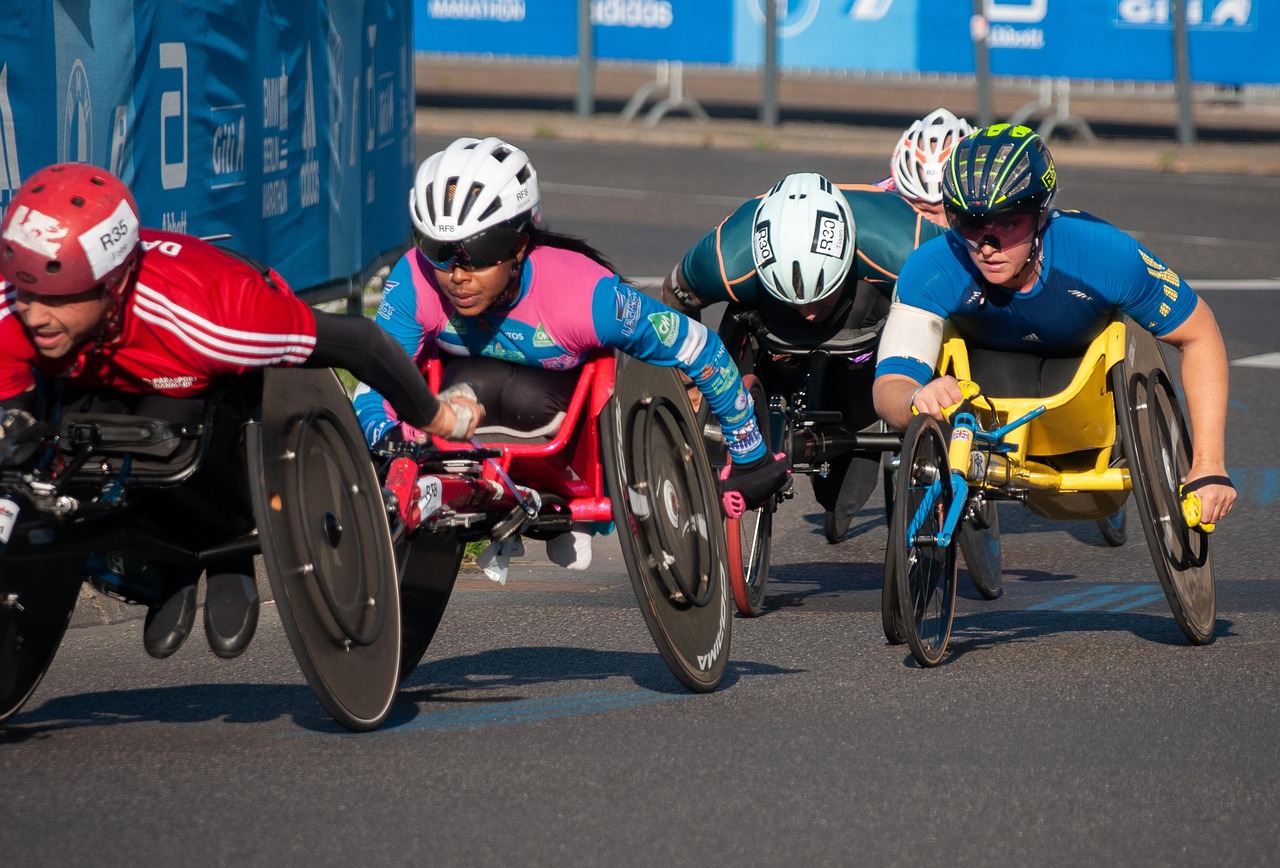
Athletes require a well-planned diet to achieve optimal performance, and understanding key terms and vocabulary in nutrition is essential for this purpose. One of the primary concerns for athletes is their energy balance, which refers to the balance between the energy they consume and the energy they expend. When athletes achieve a positive energy balance, they are consuming more energy than they are expending, which can lead to weight gain and potentially improved performance in certain sports. On the other hand, a negative energy balance occurs when athletes expend more energy than they consume, leading to weight loss and potentially decreased performance.
Adequate hydration is also crucial for athletes, as it helps regulate body temperature, transport nutrients, and remove waste products. Athletes who do not consume enough fluids may experience decreased performance, fatigue, and other health problems. The amount of fluid an athlete needs depends on various factors, including their age, sex, weight, climate, and intensity of exercise. For example, athletes who participate in endurance sports such as distance running or cycling may require more fluids than those who participate in team sports such as soccer or basketball.
In addition to hydration, athletes must also consume adequate macronutrients, which include carbohydrates, proteins, and fats. Carbohydrates are an essential source of energy for athletes, particularly those who participate in high-intensity sports. They are broken down into glucose and stored in the muscles and liver as glycogen, which can be rapidly converted back into glucose and used for energy. Athletes who consume adequate carbohydrates can improve their performance, delay fatigue, and reduce their risk of injury.
Proteins are also essential for athletes, as they help build and repair muscle tissue. Athletes who participate in sports that involve strength training, such as weightlifting or football, may require more protein than those who participate in endurance sports. Additionally, proteins can help athletes recover from exercise by reducing muscle soreness and improving muscle function. The recommended daily intake of protein for athletes varies depending on their age, sex, weight, and sport, but most athletes require between 1.2 And 1.6 Grams of protein per kilogram of body weight per day.
Fats are also an essential part of an athlete's diet, as they provide energy, help absorb vitamins, and maintain healthy cells. However, not all fats are created equal, and athletes should focus on consuming healthy fats such as polyunsaturated and monounsaturated fats. These types of fats can help reduce inflammation, improve heart health, and support the absorption of fat-soluble vitamins. On the other hand, athletes should limit their intake of saturated and trans fats, which can increase their risk of heart disease and other health problems.
In addition to macronutrients, athletes must also consume adequate micronutrients, which include vitamins and minerals. Vitamins are essential for various bodily functions, including energy production, immune function, and cell growth. Athletes who do not consume enough vitamins may experience decreased performance, fatigue, and other health problems. For example, a deficiency in vitamin D can increase an athlete's risk of stress fractures and other bones problems.
Minerals are also essential for athletes, as they help regulate various bodily functions, including fluid balance, nerve function, and muscle contraction. Athletes who participate in sports that involve intense physical activity may require more minerals than those who participate in low-intensity sports. For example, athletes who participate in endurance sports such as distance running or cycling may require more electrolytes such as sodium and potassium to help regulate fluid balance and prevent dehydration.
Athletes must also be mindful of their caloric intake, as consuming too many or too few calories can negatively impact their performance. Athletes who consume too few calories may experience decreased performance, fatigue, and other health problems, while those who consume too many calories may experience weight gain and decreased performance. The recommended daily intake of calories for athletes varies depending on their age, sex, weight, and sport, but most athletes require between 15 and 20 percent more calories than their sedentary counterparts.
In addition to caloric intake, athletes must also consider their meal frequency and timing. Athletes who participate in sports that involve intense physical activity may require more frequent meals to help regulate blood sugar and prevent low energy. For example, athletes who participate in endurance sports such as distance running or cycling may require a pre-exercise meal that includes complex carbohydrates and proteins to help regulate blood sugar and provide energy.
Athletes must also consider their supplementation needs, as some supplements can help improve performance, reduce injury risk, and support overall health. For example, protein supplements can help athletes increase their protein intake and support muscle growth and repair. Additionally, creatine supplements can help athletes increase their muscle strength and endurance, while beta-alanine supplements can help athletes delay fatigue and improve their high-intensity exercise performance.
However, athletes must be cautious when using supplements, as some can have negative side effects or interact with other medications. For example, anabolic steroids can help athletes increase their muscle mass and strength, but they can also have serious health consequences, including liver damage and cardiovascular disease. Additionally, stimulants such as caffeine and amphetamines can help athletes increase their alertness and energy, but they can also have negative side effects, including insomnia and anxiety.
In terms of practical applications, athletes can use various strategies to optimize their nutrition and improve their performance. For example, athletes can keep a food diary to track their food intake and identify areas for improvement. Additionally, athletes can work with a registered dietitian or other qualified professional to develop a personalized nutrition plan that meets their unique needs and goals.
Athletes can also use various technologies to track their nutrition and performance. For example, athletes can use mobile apps to track their food intake and physical activity, while wearable devices such as fitness trackers and smartwatches can help athletes track their heart rate, distance, and other performance metrics. Additionally, athletes can use blood tests and other lab tests to monitor their nutrition status and identify areas for improvement.
However, athletes must also be aware of the challenges and barriers that can impact their nutrition and performance. For example, athletes may face time constraints that make it difficult to prepare healthy meals, while travel and competition schedules can disrupt their nutrition routine. Additionally, athletes may face financial constraints that limit their access to healthy foods and supplements, while socio-cultural factors such as peer pressure and cultural norms can influence their food choices and nutrition behaviors.
In terms of solutions to these challenges, athletes can use various strategies to optimize their nutrition and performance. For example, athletes can plan ahead and pack healthy snacks to take with them on the go, while meal delivery services and other convenient options can help athletes access healthy foods when they are traveling or have limited time. Additionally, athletes can work with a registered dietitian or other qualified professional to develop a personalized nutrition plan that takes into account their unique needs and challenges.
Athletes can also use various strategies to stay motivated and on track with their nutrition plan. For example, athletes can set specific goals and objectives for their nutrition and performance, while tracking progress and celebrating successes can help athletes stay motivated and engaged. Additionally, athletes can use positive self-talk and other mindset strategies to overcome obstacles and stay focused on their goals.
In terms of future directions for nutrition and performance, there are many exciting developments on the horizon. For example, personalized nutrition is becoming increasingly popular, with many athletes using genetic testing and other advanced technologies to develop personalized nutrition plans that take into account their unique genetic profile and physiological needs. Additionally, plant-based diets are becoming increasingly popular, with many athletes adopting vegan and vegetarian diets to improve their health and performance.
Overall, nutrition plays a critical role in an athlete's performance, and understanding key terms and vocabulary in nutrition is essential for optimizing nutrition and achieving success in sports. By staying up-to-date with the latest research and developments in nutrition and performance, athletes can gain a competitive edge and achieve their goals. Whether an athlete is a professional or amateur, a well-planned nutrition strategy can help them perform at their best and achieve their full potential.
Key takeaways
- When athletes achieve a positive energy balance, they are consuming more energy than they are expending, which can lead to weight gain and potentially improved performance in certain sports.
- For example, athletes who participate in endurance sports such as distance running or cycling may require more fluids than those who participate in team sports such as soccer or basketball.
- They are broken down into glucose and stored in the muscles and liver as glycogen, which can be rapidly converted back into glucose and used for energy.
- Athletes who participate in sports that involve strength training, such as weightlifting or football, may require more protein than those who participate in endurance sports.
- On the other hand, athletes should limit their intake of saturated and trans fats, which can increase their risk of heart disease and other health problems.
- In addition to macronutrients, athletes must also consume adequate micronutrients, which include vitamins and minerals.
- Minerals are also essential for athletes, as they help regulate various bodily functions, including fluid balance, nerve function, and muscle contraction.