
Power Usage Effectiveness Assessment
In the context of data centers, energy efficiency is a critical aspect of their operations, as it directly impacts their environmental sustainability and financial viability. One key metric used to assess the energy efficiency of data cente…
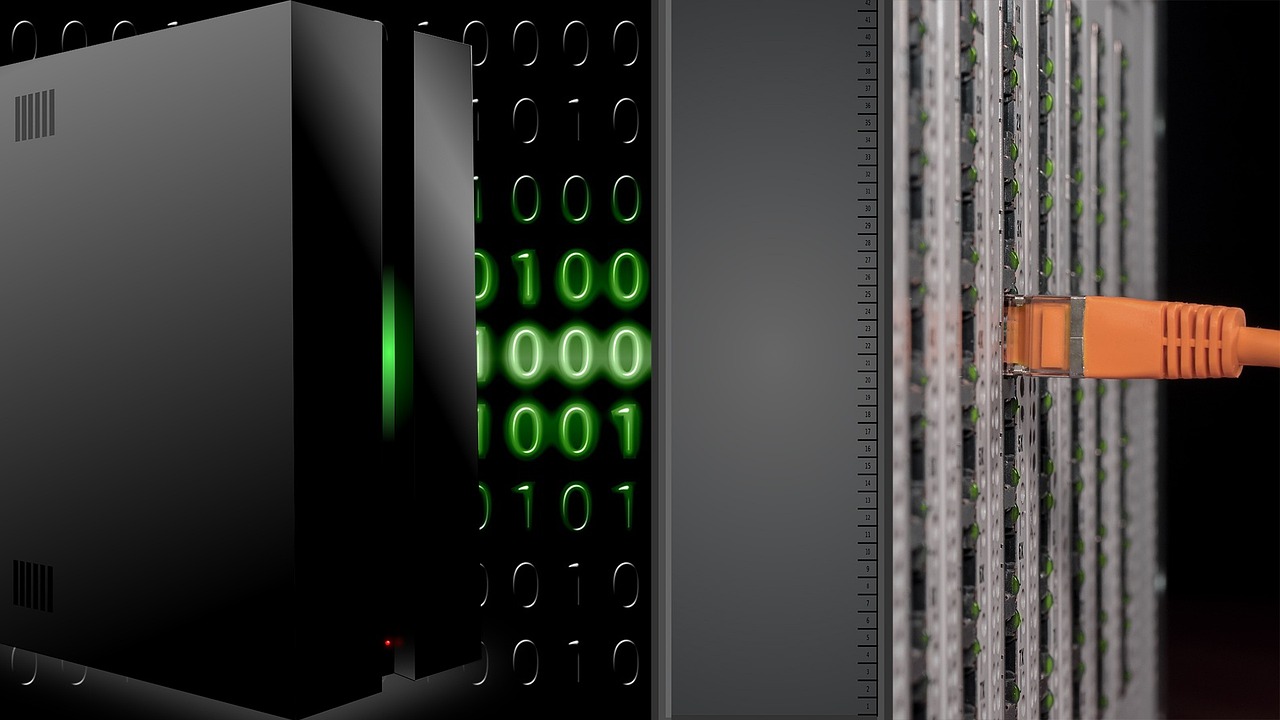
In the context of data centers, energy efficiency is a critical aspect of their operations, as it directly impacts their environmental sustainability and financial viability. One key metric used to assess the energy efficiency of data centers is the Power Usage Effectiveness, commonly referred to as PUE. PUE is a ratio that compares the total power consumed by a data center to the power consumed by the IT equipment. The total power consumed by a data center includes power used for cooling, lighting, and other support infrastructure, in addition to the power used by the IT equipment.
A lower PUE value indicates that a data center is more energy-efficient, as it means that a larger proportion of the total power consumed is used for the IT equipment, rather than for support infrastructure. PUE values can range from 1, which would indicate that all power consumed by the data center is used for the IT equipment, to values greater than 2, which would indicate that more power is consumed by support infrastructure than by the IT equipment. In practice, a PUE of 1 is not achievable, as some power will always be required for support infrastructure, such as cooling systems and lighting.
The PUE metric was first introduced by the Uptime Institute, a research organization that focuses on data center performance and efficiency. The Uptime Institute defined PUE as the ratio of the total power consumed by a data center to the power consumed by the IT equipment. This definition has since been widely adopted by the data center industry, and PUE has become a standard metric for assessing the energy efficiency of data centers.
To calculate PUE, data center operators need to measure the total power consumed by the data center and the power consumed by the IT equipment. The total power consumed by the data center can be measured using meters installed at the main electrical feed to the data center. The power consumed by the IT equipment can be measured using meters installed at the power distribution units (PDUs) that supply power to the IT equipment.
Once the total power consumed by the data center and the power consumed by the IT equipment have been measured, the PUE can be calculated using the following formula: PUE = Total Power / IT Power. For example, if the total power consumed by a data center is 1,000 kW and the power consumed by the IT equipment is 600 kW, the PUE would be 1.67 (1,000 kW / 600 kW).
A PUE of 1.67 would indicate that for every kilowatt of power consumed by the IT equipment, the data center consumes an additional 0.67 kilowatts of power for support infrastructure. This is a relatively high PUE value, indicating that the data center has significant opportunities for energy efficiency improvements. In contrast, a data center with a PUE of 1.2 would indicate that for every kilowatt of power consumed by the IT equipment, the data center consumes an additional 0.2 kilowatts of power for support infrastructure.
This would indicate that the data center is more energy-efficient than the one with a PUE of 1.67, but still has opportunities for further improvement. The PUE metric has several benefits, including its simplicity and ease of use. It provides a straightforward way to compare the energy efficiency of different data centers, and it can be used to track changes in energy efficiency over time.
However, the PUE metric also has some limitations. One limitation is that it does not account for the efficiency of the IT equipment itself. A data center with very efficient IT equipment may have a higher PUE than a data center with less efficient IT equipment, simply because the efficient IT equipment requires less power to operate. Another limitation of the PUE metric is that it does not account for the environmental conditions in which the data center operates.
For example, a data center located in a hot and humid climate may require more power for cooling than a data center located in a cooler and drier climate, even if the two data centers have similar IT equipment and support infrastructure. To address these limitations, the Green Grid, a consortium of data center operators and manufacturers, has proposed a number of additional metrics that can be used in conjunction with PUE.
These metrics include the Water Usage Effectiveness (WUE) metric, which measures the amount of water used by a data center per unit of IT equipment, and the Carbon Usage Effectiveness (CUE) metric, which measures the amount of greenhouse gas emissions associated with a data center per unit of IT equipment.
The WUE metric is calculated by dividing the annual water consumption of a data center by the IT equipment power usage. The CUE metric is calculated by dividing the annual greenhouse gas emissions of a data center by the IT equipment power usage. These metrics can provide a more comprehensive picture of the environmental sustainability of a data center, and can be used to identify opportunities for improvement.
In addition to the PUE, WUE, and CUE metrics, data center operators can use a number of other metrics to assess the energy efficiency of their facilities. These metrics include the Energy Reuse Factor (ERF), which measures the proportion of energy that is reused within the data center, and the Power Recovery Effectiveness (PRE) metric, which measures the proportion of energy that is recovered from the data center's waste heat.
The ERF metric is calculated by dividing the amount of energy reused within the data center by the total energy consumption of the data center. The PRE metric is calculated by dividing the amount of energy recovered from the data center's waste heat by the total energy consumption of the data center. These metrics can provide a more detailed understanding of the energy efficiency of a data center, and can be used to identify opportunities for improvement.
To improve the energy efficiency of a data center, operators can implement a number of strategies, including the use of air side and water side economizers. Air side economizers use outside air to cool the data center, rather than relying on mechanical cooling systems. Water side economizers use water to cool the data center, rather than relying on mechanical cooling systems.
These systems can be highly effective in reducing the energy consumption of a data center, particularly in climates where the outside air temperature is cool enough to be used for cooling. Another strategy that data center operators can use to improve energy efficiency is to implement a hot aisle containment system.
This involves enclosing the hot aisles in the data center, where the IT equipment exhausts its waste heat, to prevent the waste heat from mixing with the cool air in the cold aisles. This can help to improve the efficiency of the cooling system, by allowing the cooling system to focus on cooling the cold aisles, rather than trying to cool the entire data center.
Data center operators can also improve energy efficiency by using virtualization and consolidation techniques to reduce the number of physical servers in the data center. This can help to reduce the energy consumption of the IT equipment, as well as the energy consumption of the support infrastructure, such as cooling systems and power distribution units.
In addition, data center operators can use dynamic smart cooling systems, which can adjust the cooling output based on the real-time heat load of the IT equipment. These systems can help to improve the efficiency of the cooling system, by ensuring that the cooling output is matched to the actual cooling needs of the IT equipment.
Furthermore, data center operators can use advanced monitoring and management systems to track the energy consumption and performance of the IT equipment and support infrastructure. These systems can provide real-time data on the energy consumption and performance of the data center, allowing operators to identify opportunities for improvement and make data-driven decisions.
The use of artificial intelligence and machine learning algorithms can also help to improve the energy efficiency of data centers. These algorithms can be used to analyze the energy consumption and performance data from the data center, and identify opportunities for improvement.
For example, the algorithms can be used to identify opportunities to reduce energy consumption by optimizing the cooling system, or by identifying opportunities to reduce the energy consumption of the IT equipment. The algorithms can also be used to predict the energy consumption and performance of the data center, allowing operators to make informed decisions about how to optimize the energy efficiency of the data center.
In terms of challenges, one of the main challenges facing data center operators is the need to balance the availability and reliability of the IT equipment with the need to reduce energy consumption. This can be a difficult challenge, as the data center must be able to provide a high level of availability and reliability to support the needs of the business, while also reducing energy consumption.
Another challenge facing data center operators is the need to keep pace with the rapidly evolving technology landscape. New technologies, such as cloud computing and the Internet of Things (IoT), are driving an increasing demand for data center services, and data center operators must be able to keep pace with this demand while also reducing energy consumption.
Finally, data center operators must also contend with the regulatory and compliance requirements that govern the operation of data centers. These requirements can be complex and time-consuming to navigate, and data center operators must be able to ensure that their facilities are in compliance with all relevant regulations and standards.
To address these challenges, data center operators can work with industry partners and experts to develop and implement effective energy efficiency strategies. They can also invest in research and development to stay ahead of the curve in terms of new technologies and trends.
Additionally, data center operators can participate in industry initiatives and collaborations to share best practices and learn from others. They can also work with government agencies and regulatory bodies to ensure that their facilities are in compliance with all relevant regulations and standards.
In terms of best practices, one of the most effective ways to improve the energy efficiency of a data center is to implement a comprehensive energy management plan. This plan should include a detailed assessment of the data center's energy consumption and performance, as well as a set of specific goals and objectives for improving energy efficiency.
The plan should also include a set of strategies and tactics for achieving these goals, such as the use of air side and water side economizers, hot aisle containment systems, and dynamic smart cooling systems. The plan should also include a set of metrics and benchmarks for measuring the success of these strategies, such as the PUE, WUE, and CUE metrics.
Another best practice is to ensure that the data center is properly maintained and operated. This includes ensuring that the cooling systems, power distribution units, and other support infrastructure are properly sized and configured to meet the needs of the IT equipment.
It also includes ensuring that the data center is properly cleaned and maintained to prevent dust and other contaminants from accumulating on the IT equipment and support infrastructure. Finally, it includes ensuring that the data center is properly staffed and trained to ensure that the facilities are operated and maintained in a safe and efficient manner.
Overall, improving the energy efficiency of a data center requires a comprehensive and multi-faceted approach. It involves implementing a range of strategies and tactics, from the use of air side and water side economizers to the implementation of advanced monitoring and management systems.
It also involves ensuring that the data center is properly maintained and operated, and that the facilities are staffed and trained to ensure safe and efficient operation. By taking a comprehensive and multi-faceted approach to energy efficiency, data center operators can reduce their energy consumption, lower their costs, and minimize their environmental impact.
The use of energy-efficient technologies and strategies can also help to improve the reliability and availability of the data center, by reducing the risk of power outages and other disruptions. This can be particularly important for data centers that support critical infrastructure, such as financial institutions or healthcare organizations.
In these cases, the data center must be able to provide a high level of availability and reliability, in order to ensure that the supported applications and services are always available. The use of energy-efficient technologies and strategies can help to achieve this goal, by reducing the risk of power outages and other disruptions.
In addition, the use of energy-efficient technologies and strategies can also help to improve the security of the data center. This can be particularly important for data centers that support sensitive applications or data, such as financial information or personal identifiable information.
In these cases, the data center must be able to provide a high level of security and protection, in order to prevent unauthorized access or theft of the supported applications and data. The use of energy-efficient technologies and strategies can help to achieve this goal, by reducing the risk of security breaches and other threats.
Overall, the use of energy-efficient technologies and strategies can provide a range of benefits for data centers, from reducing energy consumption and costs to improving reliability, availability, and security. By taking a comprehensive and multi-faceted approach to energy efficiency, data center operators can minimize their environmental impact while also improving the performance and efficiency of their facilities.
In the future, we can expect to see even more innovative and effective energy-efficient technologies and strategies emerge, as the data center industry continues to evolve and grow. These new technologies and strategies will likely be driven by advances in fields such as artificial intelligence, machine learning, and the Internet of Things (IoT).
They will also be driven by the increasing demand for data center services, as well as the need to reduce energy consumption and minimize environmental impact. As the data center industry continues to evolve and grow, it is likely that we will see even more innovative and effective energy-efficient technologies and strategies emerge, and that these technologies and strategies will play an increasingly important role in shaping the future of the data center industry.
Key takeaways
- In the context of data centers, energy efficiency is a critical aspect of their operations, as it directly impacts their environmental sustainability and financial viability.
- A lower PUE value indicates that a data center is more energy-efficient, as it means that a larger proportion of the total power consumed is used for the IT equipment, rather than for support infrastructure.
- This definition has since been widely adopted by the data center industry, and PUE has become a standard metric for assessing the energy efficiency of data centers.
- To calculate PUE, data center operators need to measure the total power consumed by the data center and the power consumed by the IT equipment.
- Once the total power consumed by the data center and the power consumed by the IT equipment have been measured, the PUE can be calculated using the following formula: PUE = Total Power / IT Power.
- This is a relatively high PUE value, indicating that the data center has significant opportunities for energy efficiency improvements.
- It provides a straightforward way to compare the energy efficiency of different data centers, and it can be used to track changes in energy efficiency over time.