
Energy Monitoring and Analytics
Energy monitoring and analytics is a crucial aspect of data center energy efficiency, as it enables data center operators to track and manage their energy consumption effectively. The first key term to understand is energy itself, which ref…
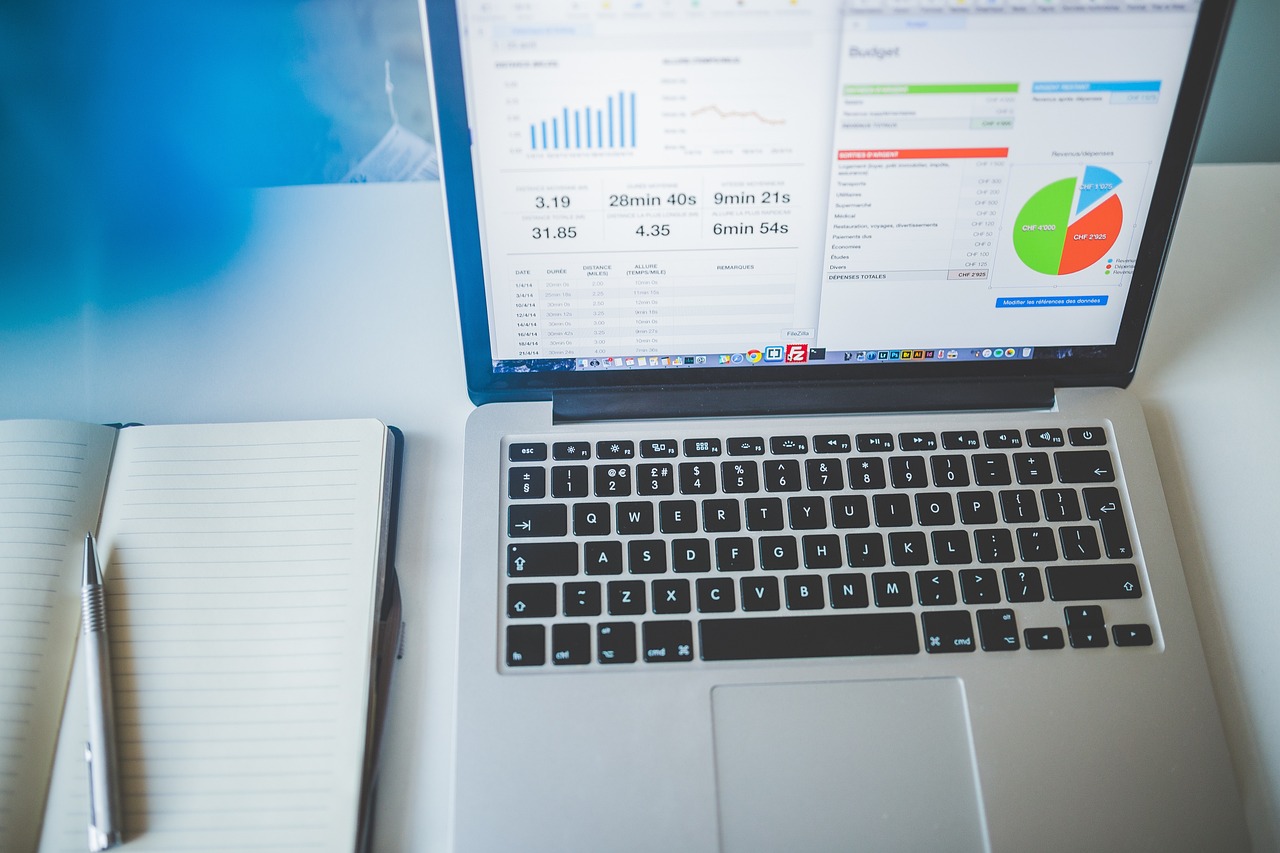
Energy monitoring and analytics is a crucial aspect of data center energy efficiency, as it enables data center operators to track and manage their energy consumption effectively. The first key term to understand is energy itself, which refers to the ability to do work. In the context of data centers, energy is typically measured in units of kilowatt-hours (kWh). Energy monitoring involves tracking the amount of energy consumed by various components of the data center, such as servers, storage systems, networking equipment, and cooling systems.
One of the primary tools used for energy monitoring is the meter, which is a device that measures the amount of energy consumed by a particular component or system. There are different types of meters, including smart meters that can provide real-time data on energy consumption. Another important term is power, which refers to the rate at which energy is consumed. Power is typically measured in units of watts (W) or kilowatts (kW).
Analytics plays a critical role in energy monitoring, as it enables data center operators to make sense of the data collected by meters and other monitoring devices. Analytics involves the use of statistical and mathematical techniques to identify trends and patterns in energy consumption. This can help data center operators to identify areas of inefficiency and opportunities for energy savings. For example, analytics can help identify which servers are consuming the most energy, or which cooling systems are operating at the lowest efficiency.
A key concept in energy analytics is the baseline, which refers to a reference point for energy consumption. The baseline can be used to compare energy consumption over time, and to identify changes in energy usage patterns. Another important concept is the benchmark, which refers to a standard or reference point for energy efficiency. Benchmarks can be used to compare the energy efficiency of different data centers, or to track progress towards energy efficiency goals.
Data center operators use a variety of metrics to measure energy efficiency, including the power usage effectiveness (PUE) metric. PUE is a measure of the total energy consumed by the data center, divided by the energy consumed by the IT equipment. A lower PUE indicates higher energy efficiency. Another important metric is the water usage effectiveness (WUE) metric, which measures the amount of water used by the data center per unit of energy consumed.
Energy monitoring and analytics can be applied to various components of the data center, including servers, storage systems, and networking equipment. For example, analytics can be used to optimize server utilization, by identifying which servers are underutilized and can be consolidated or virtualized. Analytics can also be used to optimize storage systems, by identifying which storage devices are consuming the most energy and can be replaced with more energy-efficient models.
One of the challenges of energy monitoring and analytics is the sheer volume of data that is generated by the various monitoring devices and systems. This can make it difficult to analyze and interpret the data, and to identify trends and patterns. To address this challenge, data center operators can use data visualization tools, which can help to present complex data in a clear and intuitive format.
Another challenge is the lack of standardization in energy monitoring and analytics. Different vendors and manufacturers may use different metrics and protocols, which can make it difficult to compare data across different systems and components. To address this challenge, data center operators can use industry standards and best practices, such as those developed by the ASHRAE (American Society of Heating, Refrigerating and Air-Conditioning Engineers) and the Uptime Institute.
In addition to these challenges, energy monitoring and analytics can also be impacted by cybersecurity concerns. As data centers become increasingly reliant on networked systems and devices, they become more vulnerable to cyber threats. To address this challenge, data center operators can use security protocols and access controls, such as encryption and firewalls, to protect their energy monitoring and analytics systems.
Energy monitoring and analytics can also be used to support sustainability initiatives, such as reducing greenhouse gas emissions and promoting renewable energy. For example, analytics can be used to track the amount of renewable energy used by the data center, and to identify opportunities to increase the use of renewable energy sources. Energy monitoring and analytics can also be used to support energy efficiency initiatives, such as reducing energy consumption through the use of energy-efficient equipment and smart grid technologies.
In terms of practical applications, energy monitoring and analytics can be used to optimize data center design and layout. For example, analytics can be used to identify the most energy-efficient layout for the data center, and to optimize the placement of equipment and cooling systems. Energy monitoring and analytics can also be used to optimize data center operations, such as by identifying opportunities to reduce energy consumption during peak hours or to shift workloads to more energy-efficient systems.
A key concept in data center design is the tier system, which refers to a classification system for data centers based on their level of redundancy and fault tolerance. The tier system can be used to guide the design and operation of the data center, and to ensure that it meets the required levels of availability and reliability. Energy monitoring and analytics can be used to support the tier system, by providing real-time data on energy consumption and system performance.
In addition to these practical applications, energy monitoring and analytics can also be used to support research and development initiatives, such as the development of new energy-efficient technologies and sustainable energy sources. For example, analytics can be used to track the performance of new energy-efficient equipment, and to identify opportunities to improve its efficacy and effectiveness. Energy monitoring and analytics can also be used to support policy and regulatory initiatives, such as the development of energy efficiency standards and renewable energy targets.
Overall, energy monitoring and analytics is a critical component of data center energy efficiency, as it enables data center operators to track and manage their energy consumption effectively. By using a variety of metrics and benchmarks, data center operators can identify areas of inefficiency and opportunities for energy savings, and can optimize their data center design and operations to achieve greater energy efficiency. As the demand for data center services continues to grow, the importance of energy monitoring and analytics will only continue to increase, and will play a critical role in supporting sustainability and energy efficiency initiatives in the data center industry.
Energy monitoring and analytics can also be applied to various industries beyond the data center industry, such as the manufacturing and healthcare industries. In these industries, energy monitoring and analytics can be used to optimize energy consumption and reduce waste, and to support sustainability and energy efficiency initiatives. For example, in the manufacturing industry, energy monitoring and analytics can be used to optimize production processes and supply chains, and to reduce energy consumption and greenhouse gas emissions.
In the healthcare industry, energy monitoring and analytics can be used to optimize facility operations and patient care, and to reduce energy consumption and costs. For example, analytics can be used to track energy consumption in hospitals and clinics, and to identify opportunities to reduce energy waste and improve energy efficiency. Energy monitoring and analytics can also be used to support research and development initiatives in the healthcare industry, such as the development of new medical technologies and treatments.
In terms of the future of energy monitoring and analytics, it is likely that the field will continue to evolve and expand, with new technologies and innovations emerging to support energy efficiency and sustainability initiatives. For example, the use of artificial intelligence and machine learning is likely to become more prevalent in energy monitoring and analytics, as these technologies can be used to analyze large datasets and identify patterns and trends in energy consumption. The use of internet of things (IoT) devices is also likely to become more prevalent, as these devices can be used to track energy consumption and system performance in real-time.
The use of cloud computing and big data analytics is also likely to become more prevalent in energy monitoring and analytics, as these technologies can be used to analyze large datasets and identify patterns and trends in energy consumption. The use of blockchain technology is also likely to become more prevalent, as this technology can be used to support secure and transparent energy trading and transactions. Overall, the future of energy monitoring and analytics is likely to be shaped by a range of technological and innovative developments, and will play a critical role in supporting energy efficiency and sustainability initiatives in a range of industries.
In addition to these technological developments, the future of energy monitoring and analytics is also likely to be shaped by a range of policy and regulatory initiatives, such as the development of energy efficiency standards and renewable energy targets. For example, governments around the world are setting targets for reducing greenhouse gas emissions and promoting renewable energy, and energy monitoring and analytics will play a critical role in supporting these initiatives. The use of carbon pricing and emissions trading is also likely to become more prevalent, as these mechanisms can be used to provide a financial incentive for reducing greenhouse gas emissions and promoting energy efficiency.
The future of energy monitoring and analytics will also be shaped by a range of societal and economic factors, such as the growing demand for energy and natural resources, and the need to reduce poverty and promote sustainable development. For example, energy monitoring and analytics can be used to support rural development initiatives, such as the provision of energy access and electrification to remote and underserved communities. The use of energy monitoring and analytics can also be used to support urban planning and development initiatives, such as the creation of smart cities and sustainable infrastructure.
In terms of the benefits of energy monitoring and analytics, there are many advantages to using these technologies, including the ability to reduce energy consumption and costs, and to promote sustainability and energy efficiency. Energy monitoring and analytics can also be used to improve system performance and reliability, and to reduce downtime and maintenance costs. The use of energy monitoring and analytics can also be used to support research and development initiatives, such as the development of new energy-efficient technologies and sustainable energy sources.
The use of energy monitoring and analytics can also be used to support policy and regulatory initiatives, such as the development of energy efficiency standards and renewable energy targets. Energy monitoring and analytics can also be used to support public awareness and education initiatives, such as the promotion of energy efficiency and sustainability practices. The use of energy monitoring and analytics can also be used to support business and economic development initiatives, such as the creation of new jobs and economic opportunities in the energy sector.
In terms of the challenges of energy monitoring and analytics, there are many obstacles to overcome, including the need to collect and analyze large datasets, and to interpret the results in a meaningful way. Energy monitoring and analytics also requires the use of specialized software and hardware, which can be costly and complex to implement. The use of energy monitoring and analytics also requires the training and education of personnel, which can be time-consuming and resource-intensive.
The use of energy monitoring and analytics also raises cybersecurity concerns, such as the risk of data breaches and hacking. Energy monitoring and analytics also requires the use of standardized protocols and interfaces, which can be difficult to establish and maintain. The use of energy monitoring and analytics also requires the integration of multiple systems and technologies, which can be complex and challenging to achieve.
In terms of the best practices for energy monitoring and analytics, there are many guidelines and recommendations that can be followed, including the use of industry standards and best practices for energy monitoring and analytics. Energy monitoring and analytics should also be aligned with organizational goals and objectives, such as the reduction of energy consumption and greenhouse gas emissions. The use of energy monitoring and analytics should also be transparent and accountable, with clear metrics and benchmarks for measuring success and progress.
The use of energy monitoring and analytics should also be flexible and adaptable, with the ability to respond to changing circumstances and conditions. Energy monitoring and analytics should also be scalable and cost-effective, with the ability to grow and evolve over time. The use of energy monitoring and analytics should also be secure and reliable, with the ability to protect against cyber threats and data breaches.
Key takeaways
- Energy monitoring involves tracking the amount of energy consumed by various components of the data center, such as servers, storage systems, networking equipment, and cooling systems.
- One of the primary tools used for energy monitoring is the meter, which is a device that measures the amount of energy consumed by a particular component or system.
- Analytics plays a critical role in energy monitoring, as it enables data center operators to make sense of the data collected by meters and other monitoring devices.
- Benchmarks can be used to compare the energy efficiency of different data centers, or to track progress towards energy efficiency goals.
- Another important metric is the water usage effectiveness (WUE) metric, which measures the amount of water used by the data center per unit of energy consumed.
- Analytics can also be used to optimize storage systems, by identifying which storage devices are consuming the most energy and can be replaced with more energy-efficient models.
- To address this challenge, data center operators can use data visualization tools, which can help to present complex data in a clear and intuitive format.