
Wildlife Crime Investigation
Wildlife Crime Investigation is a crucial aspect of wildlife law enforcement, aimed at combating various illegal activities that threaten the conservation of wildlife species. To effectively carry out wildlife crime investigations, law enfo…
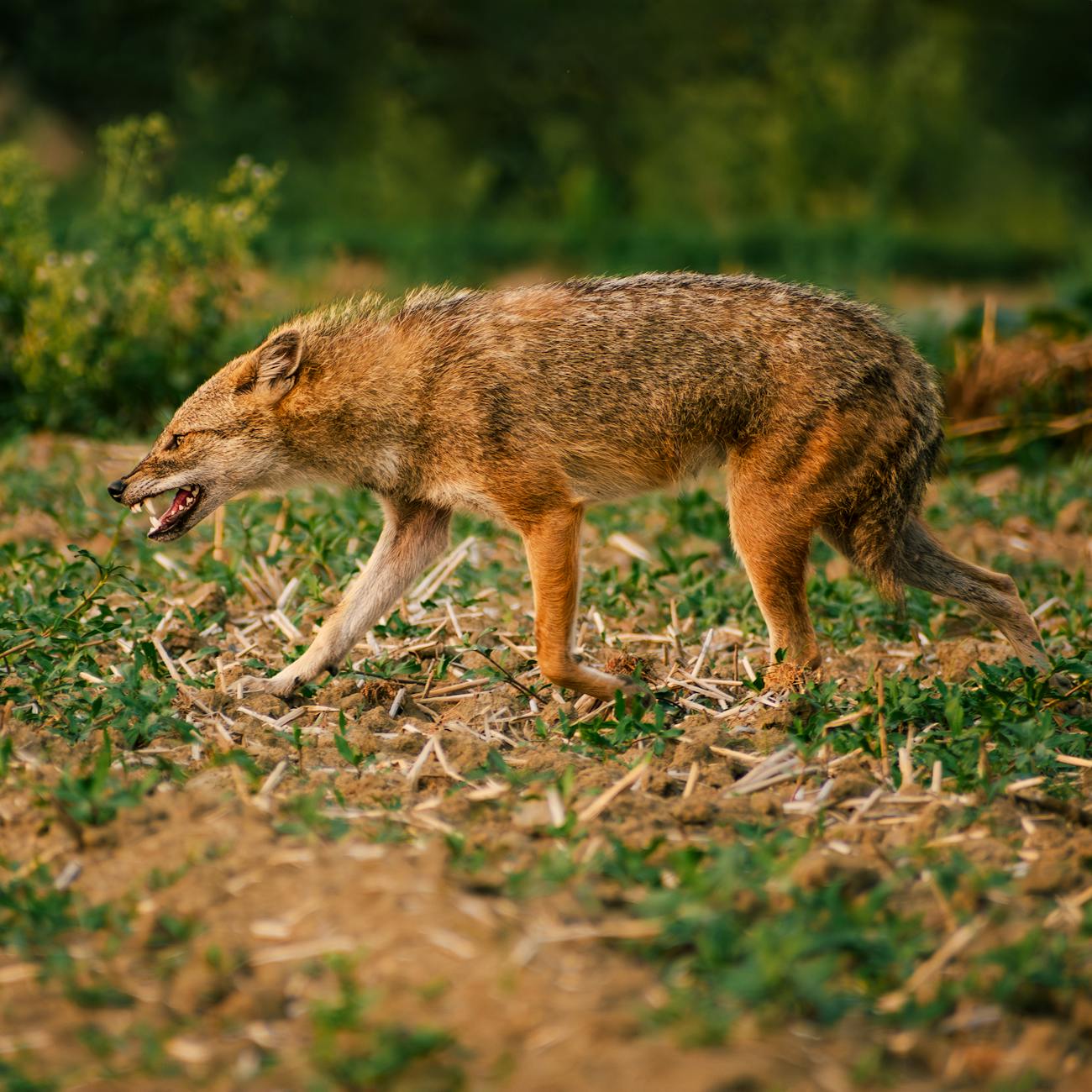
Wildlife Crime Investigation is a crucial aspect of wildlife law enforcement, aimed at combating various illegal activities that threaten the conservation of wildlife species. To effectively carry out wildlife crime investigations, law enforcement officers and wildlife authorities need to be familiar with key terms and vocabulary related to this field. This explanation will cover essential terms and concepts in Wildlife Crime Investigation, providing a comprehensive understanding of the terminology used in this specialized area.
1. **Wildlife Crime:** Wildlife crime refers to any illegal activity that involves the unlawful exploitation of wildlife resources, including poaching, trafficking, and the illegal trade of wildlife products. These crimes pose a significant threat to biodiversity and conservation efforts worldwide.
2. **Poaching:** Poaching is the illegal hunting, killing, or capturing of wildlife species, often for commercial gain. Poachers target a wide range of animals, including endangered species, for their valuable parts such as ivory, horns, or skins.
3. **Trafficking:** Wildlife trafficking involves the illegal transportation and trade of wildlife and wildlife products. Traffickers smuggle animals, plants, and their derivatives across borders to supply black markets and meet the demand for exotic pets, traditional medicines, and luxury goods.
4. **CITES:** The Convention on International Trade in Endangered Species of Wild Fauna and Flora (CITES) is an international agreement aimed at ensuring that international trade in wild animals and plants does not threaten their survival. CITES regulates the trade of species listed in its Appendices based on their conservation status.
5. **Forensic Science:** Forensic science is the application of scientific techniques and methods to investigate crimes and analyze evidence. In wildlife crime investigation, forensic science plays a crucial role in identifying species, linking individuals to crime scenes, and gathering evidence for prosecution.
6. **DNA Analysis:** DNA analysis is a powerful forensic tool used to identify species, individuals, and their relationships based on genetic material. Wildlife crime investigators can analyze DNA from samples such as blood, hair, or feces to trace the origin of seized wildlife products or link suspects to illegal activities.
7. **Undercover Operations:** Undercover operations involve law enforcement officers or investigators covertly gathering information and evidence to infiltrate criminal networks involved in wildlife crime. These operations play a key role in gathering intelligence, identifying key players, and disrupting illegal activities.
8. **Sting Operations:** Sting operations are targeted undercover operations designed to catch criminals in the act of committing a crime. In wildlife crime investigation, sting operations may involve setting up fake transactions or sales of illegal wildlife products to apprehend traffickers and poachers.
9. **Intelligence Gathering:** Intelligence gathering involves collecting, analyzing, and disseminating information to support wildlife crime investigations. Law enforcement agencies rely on intelligence to identify criminal networks, understand trafficking routes, and prioritize enforcement actions.
10. **Crime Scene Investigation:** Crime scene investigation in wildlife crime involves documenting, collecting, and analyzing physical evidence from crime scenes to reconstruct events and identify perpetrators. Wildlife crime scenes may include poaching sites, smuggling hideouts, or illegal wildlife markets.
11. **Chain of Custody:** Chain of custody refers to the chronological documentation of the handling, storage, and transfer of evidence throughout the investigation process. Maintaining a secure chain of custody is essential to ensure the admissibility and integrity of evidence in court.
12. **Informant:** An informant is an individual who provides confidential information to law enforcement authorities about criminal activities. Informants play a crucial role in wildlife crime investigations by providing insider knowledge, tips on illegal activities, and leads on suspects.
13. **Covert Surveillance:** Covert surveillance involves monitoring suspects or criminal activities discreetly to gather evidence without alerting the perpetrators. Wildlife crime investigators may use technologies such as hidden cameras, GPS trackers, or drones to conduct covert surveillance operations.
14. **Prosecution:** Prosecution refers to the legal process of charging, trying, and convicting individuals or organizations involved in wildlife crimes. Successful prosecution requires strong evidence, legal expertise, and collaboration between law enforcement agencies and prosecutors.
15. **Sentencing:** Sentencing is the judicial decision on the punishment or penalties imposed on convicted wildlife criminals. Sentences may include fines, imprisonment, community service, or confiscation of assets, depending on the severity of the crime and applicable laws.
16. **Asset Forfeiture:** Asset forfeiture is the legal process of seizing and confiscating assets or proceeds obtained through wildlife crime. Law enforcement agencies may confiscate vehicles, weapons, money, or property used in illegal activities to disrupt criminal networks and deter future offenses.
17. **International Cooperation:** International cooperation involves collaboration between countries, law enforcement agencies, and conservation organizations to combat transnational wildlife crime. Joint operations, information sharing, and mutual legal assistance are essential for addressing the global nature of wildlife crime.
18. **Interpol:** The International Criminal Police Organization (Interpol) is an international law enforcement agency that facilitates cooperation and coordination among police forces worldwide. Interpol plays a key role in combating wildlife crime by supporting investigations, sharing intelligence, and coordinating cross-border operations.
19. **Wildlife Forensics:** Wildlife forensics is a specialized field of forensic science that focuses on identifying, analyzing, and interpreting evidence related to wildlife crimes. Wildlife forensic experts use techniques such as DNA analysis, fingerprinting, and isotopic analysis to link suspects to crime scenes and illicit products.
20. **Cybercrime:** Cybercrime in wildlife trafficking refers to illegal activities conducted online, such as the sale of wildlife products on the dark web or social media platforms. Law enforcement agencies use digital forensics and online monitoring to track down cybercriminals involved in wildlife crime.
21. **Red List:** The IUCN Red List of Threatened Species is a comprehensive database that assesses the conservation status of thousands of plant and animal species worldwide. Species listed as threatened or endangered on the Red List are vulnerable to wildlife crime and require special protection measures.
22. **Ivory:** Ivory refers to the hard, white material obtained from the tusks of elephants, walruses, and other animals. The illegal trade in ivory products, particularly elephant ivory, is a major driver of poaching and wildlife crime, leading to the decline of elephant populations.
23. **Rhino Horn:** Rhino horn is a valuable commodity obtained from the horns of rhinoceros species. The illegal trade in rhino horn, driven by demand in traditional medicine and luxury markets, has fueled poaching and trafficking of rhinos, pushing them towards extinction.
24. **Pangolin Scales:** Pangolin scales are keratinous plates covering the bodies of pangolins, which are highly sought after in traditional Chinese medicine and as luxury goods. Pangolins are the most trafficked mammals in the world, with illegal trade posing a severe threat to their survival.
25. **Tiger Parts:** Tiger parts, including skins, bones, and organs, are highly prized in traditional Asian medicine and as status symbols. Illegal tiger trade fuels poaching of these endangered big cats, with their populations dwindling due to habitat loss and wildlife crime.
26. **Bushmeat:** Bushmeat refers to wild animals hunted and consumed as food in various regions around the world. The unsustainable hunting of bushmeat for commercial or subsistence purposes contributes to wildlife depletion, biodiversity loss, and the spread of zoonotic diseases.
27. **Live Animal Trafficking:** Live animal trafficking involves the illegal capture, transport, and sale of live wild animals for the pet trade, zoos, or entertainment purposes. Trafficking live animals poses welfare concerns, threatens species survival, and contributes to the spread of invasive species.
28. **Environmental DNA (eDNA):** Environmental DNA (eDNA) refers to genetic material shed by organisms into their environment, such as water or soil. Wildlife crime investigators can use eDNA analysis to detect the presence of endangered species, monitor wildlife populations, and identify illegal activities.
29. **Forensic Entomology:** Forensic entomology is the study of insects and arthropods in relation to criminal investigations. In wildlife crime investigation, forensic entomologists analyze insect evidence found on wildlife carcasses, poaching sites, or illegal trade shipments to estimate time since death and gather clues for prosecution.
30. **Chain of Evidence:** Chain of evidence, similar to chain of custody, refers to the documentation and preservation of physical evidence throughout the investigation process. Maintaining a secure chain of evidence is essential to ensure the reliability, integrity, and admissibility of evidence in court.
31. **Species Identification:** Species identification is the process of determining the species of wildlife samples or products seized in wildlife crime investigations. Wildlife forensic experts use morphological, molecular, and chemical analyses to identify species, subspecies, and hybrids for legal purposes.
32. **Forensic Anthropology:** Forensic anthropology is the application of physical anthropology principles to identify human remains and provide evidence in criminal investigations. In wildlife crime, forensic anthropologists may analyze skeletal remains or bone fragments to identify species, age, sex, and cause of death.
33. **DNA Barcoding:** DNA barcoding is a molecular technique used to identify species based on a short standardized DNA sequence. Wildlife crime investigators can use DNA barcoding to authenticate wildlife products, verify species origin, and detect fraudulent labeling in the illegal wildlife trade.
34. **GIS Mapping:** Geographic Information System (GIS) mapping is a technology that allows spatial data visualization, analysis, and interpretation. Wildlife crime investigators use GIS mapping to plot crime scenes, trafficking routes, and hotspot areas, enabling targeted enforcement actions and resource allocation.
35. **Undercover Informants:** Undercover informants are individuals who provide law enforcement agencies with confidential information and intelligence on criminal activities while actively participating in undercover operations. Undercover informants play a critical role in gathering evidence, establishing trust with criminals, and facilitating arrests.
36. **Wildlife Cybercrime:** Wildlife cybercrime refers to illegal activities conducted online, such as the sale, trafficking, or promotion of wildlife products through websites, social media platforms, or dark web forums. Law enforcement agencies combat wildlife cybercrime through digital investigations, online monitoring, and collaboration with tech companies.
37. **Wildlife Law Enforcement:** Wildlife law enforcement comprises the efforts of government agencies, law enforcement officers, and conservation organizations to enforce wildlife laws, combat wildlife crime, and protect endangered species. Effective wildlife law enforcement requires strong legal frameworks, enforcement capacity, and international cooperation.
38. **Wildlife Protection:** Wildlife protection encompasses measures and strategies aimed at safeguarding wildlife species, habitats, and ecosystems from threats such as poaching, habitat destruction, and illegal trade. Wildlife protection efforts include conservation programs, anti-poaching patrols, and community engagement initiatives.
39. **Wildlife Conservation:** Wildlife conservation involves the sustainable management and preservation of wildlife populations, habitats, and biodiversity. Conservation efforts focus on restoring ecosystems, combating threats to wildlife, and promoting sustainable practices to ensure the long-term survival of species and ecosystems.
40. **Transnational Crime:** Transnational crime refers to illegal activities that cross national borders and involve organized criminal networks operating in multiple countries. Wildlife crime is often characterized as transnational crime due to the global nature of trafficking networks, illicit trade routes, and cross-border criminal activities.
By familiarizing yourself with these key terms and concepts in Wildlife Crime Investigation, you will be better equipped to understand the complexities of combating wildlife crime, protecting endangered species, and upholding conservation laws. Whether you are a law enforcement officer, conservationist, or wildlife advocate, this vocabulary will serve as a valuable resource in your efforts to combat illegal wildlife activities and preserve the natural world for future generations.
Key takeaways
- This explanation will cover essential terms and concepts in Wildlife Crime Investigation, providing a comprehensive understanding of the terminology used in this specialized area.
- **Wildlife Crime:** Wildlife crime refers to any illegal activity that involves the unlawful exploitation of wildlife resources, including poaching, trafficking, and the illegal trade of wildlife products.
- Poachers target a wide range of animals, including endangered species, for their valuable parts such as ivory, horns, or skins.
- Traffickers smuggle animals, plants, and their derivatives across borders to supply black markets and meet the demand for exotic pets, traditional medicines, and luxury goods.
- **CITES:** The Convention on International Trade in Endangered Species of Wild Fauna and Flora (CITES) is an international agreement aimed at ensuring that international trade in wild animals and plants does not threaten their survival.
- In wildlife crime investigation, forensic science plays a crucial role in identifying species, linking individuals to crime scenes, and gathering evidence for prosecution.
- Wildlife crime investigators can analyze DNA from samples such as blood, hair, or feces to trace the origin of seized wildlife products or link suspects to illegal activities.