
Wildlife Trafficking and Smuggling
Wildlife Trafficking and Smuggling are critical issues that pose significant threats to biodiversity and conservation efforts worldwide. Understanding key terms and vocabulary associated with these illicit activities is essential for effect…
Wildlife Trafficking and Smuggling are critical issues that pose significant threats to biodiversity and conservation efforts worldwide. Understanding key terms and vocabulary associated with these illicit activities is essential for effective wildlife law enforcement. In this course, we will delve into the intricacies of wildlife trafficking and smuggling to equip you with the knowledge needed to combat these crimes effectively.
1. **Wildlife Trafficking**: Wildlife trafficking refers to the illegal trade of wild animals and plants, both alive and dead, as well as their parts and derivatives. This illicit trade encompasses a wide range of species, including but not limited to elephants, rhinos, tigers, pangolins, and various exotic birds and reptiles. Wildlife trafficking is driven by various factors, such as demand for exotic pets, traditional medicine, luxury goods, and trophies.
2. **Smuggling**: Smuggling involves the illegal transportation of wildlife or wildlife products across borders. Smugglers use various techniques to conceal contraband, such as false compartments in luggage, hidden compartments in vehicles, and forged documents. Smuggling routes are often complex and involve multiple countries, making detection and interception challenging for law enforcement agencies.
3. **CITES**: The Convention on International Trade in Endangered Species of Wild Fauna and Flora (CITES) is an international agreement aimed at ensuring that international trade in wild animals and plants does not threaten their survival. CITES regulates the trade of species listed in its appendices, with varying levels of protection. Enforcement of CITES regulations is crucial in combating wildlife trafficking and smuggling.
4. **Ivory**: Ivory, derived from the tusks of elephants and other animals, is a highly sought-after commodity in the illegal wildlife trade. The demand for ivory, particularly in Asian markets, drives the poaching of elephants and fuels a lucrative black market. Efforts to combat ivory trafficking include bans on domestic ivory trade, increased law enforcement efforts, and public awareness campaigns.
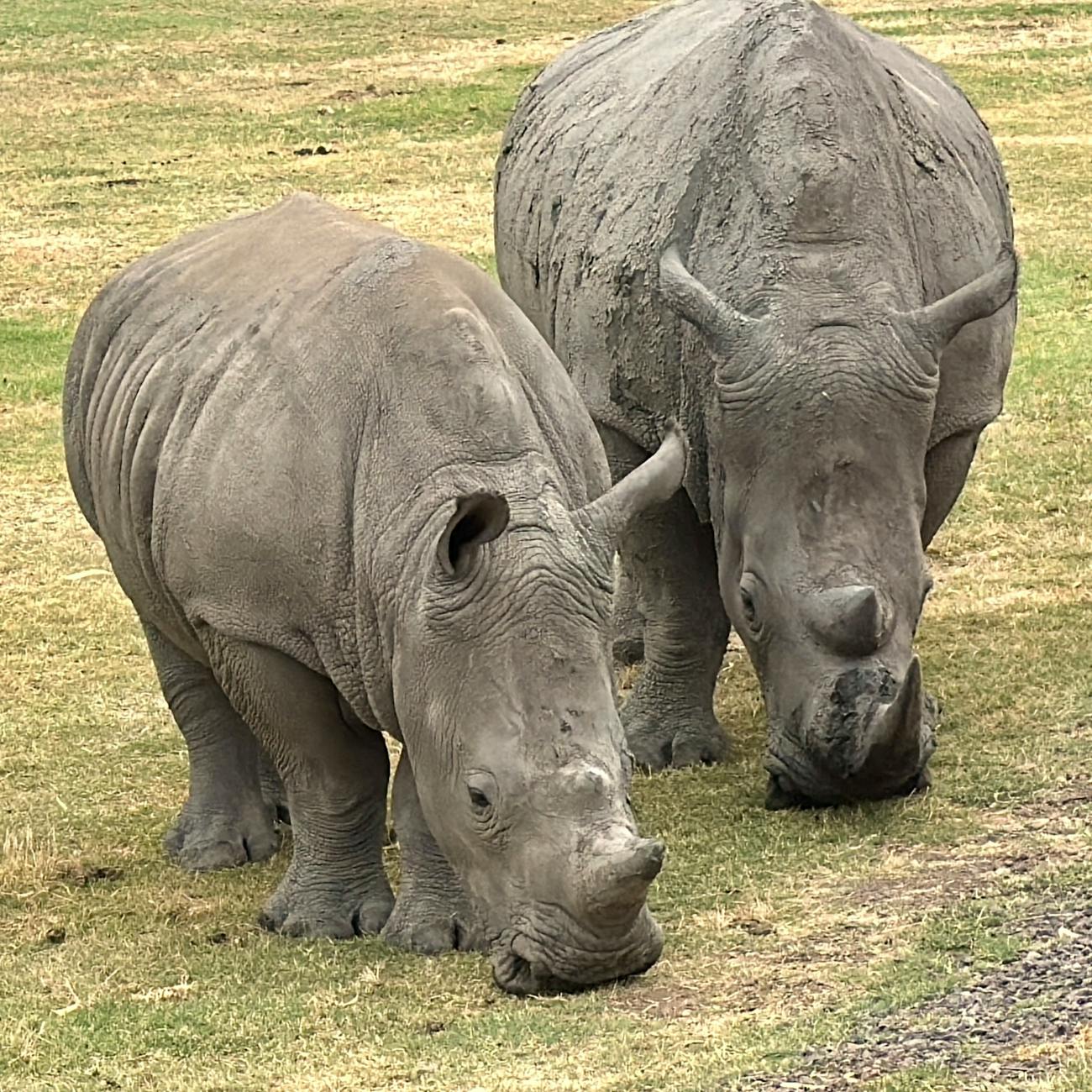
5. **Rhino Horn**: Rhino horn is another prized commodity in the illegal wildlife trade, primarily driven by demand in Asian markets for its purported medicinal properties. Poaching of rhinos for their horns has led to a drastic decline in rhino populations worldwide. Anti-poaching measures, such as increased patrols in rhino habitats and community engagement, are essential in protecting these endangered species.
6. **Pangolins**: Pangolins are the most trafficked mammals in the world, prized for their scales and meat in traditional Asian medicine and exotic cuisine. All eight species of pangolins are listed under CITES, with international trade banned to protect these unique creatures. Efforts to combat pangolin trafficking include increased law enforcement efforts, rehabilitation of rescued pangolins, and public awareness campaigns.
7. **Bushmeat**: Bushmeat refers to the meat of wild animals hunted for food, fuel, or traditional medicine. The unsustainable hunting of bushmeat poses a threat to wildlife populations, particularly in tropical regions. Conservation organizations work with local communities to promote sustainable hunting practices and reduce the demand for bushmeat.
8. **Cybercrime**: Cybercrime in wildlife trafficking involves the use of the internet and social media platforms to facilitate illegal wildlife trade. Online platforms provide a convenient and anonymous marketplace for traffickers to buy and sell wildlife products. Law enforcement agencies employ digital forensics and monitoring tools to track down cybercriminals involved in wildlife trafficking.
9. **Money Laundering**: Money laundering is the process of concealing the origins of illegally obtained money, typically derived from criminal activities such as wildlife trafficking. Traffickers use various methods to launder money, such as shell companies, offshore accounts, and complex financial transactions. Financial investigations play a crucial role in disrupting the financial networks supporting wildlife trafficking operations.
10. **Transnational Organized Crime**: Transnational organized crime refers to criminal enterprises that operate across national borders and engage in a range of illegal activities, including wildlife trafficking. These criminal networks are sophisticated, well-funded, and difficult to dismantle. International cooperation and intelligence sharing are essential in combating transnational organized crime in the wildlife trade.
11. **Demand Reduction**: Demand reduction strategies aim to reduce consumer demand for wildlife products, thereby decreasing the incentives for poaching and trafficking. These strategies include public awareness campaigns, education programs, and alternative livelihoods for communities reliant on the wildlife trade. Changing consumer behavior is crucial in addressing the root causes of wildlife trafficking.
12. **Forensic Science**: Forensic science plays a vital role in wildlife law enforcement by providing evidence to link suspects to wildlife crimes. Forensic techniques, such as DNA analysis, fingerprinting, and isotopic profiling, help investigators identify species, individuals, and geographic origins of confiscated wildlife products. Collaboration between forensic labs and law enforcement agencies is essential in prosecuting wildlife traffickers.
13. **Undercover Operations**: Undercover operations are a common tactic used by law enforcement agencies to gather intelligence and gather evidence on wildlife trafficking networks. Undercover agents infiltrate criminal organizations, posing as buyers or sellers of wildlife products to uncover illegal activities. These operations require careful planning, risk assessment, and coordination with other agencies.
14. **Capacity Building**: Capacity building initiatives aim to strengthen the skills and resources of law enforcement agencies, conservation organizations, and local communities involved in wildlife law enforcement. Training programs, equipment provision, and technical assistance help build the capacity of stakeholders to combat wildlife trafficking effectively. Sustainable capacity building is essential for long-term success in wildlife law enforcement.
15. **Intelligence Sharing**: Intelligence sharing involves the exchange of information and intelligence between law enforcement agencies, conservation organizations, and other stakeholders to combat wildlife trafficking. Sharing timely and accurate intelligence helps identify trafficking routes, criminal networks, and key players in the illicit trade. Establishing secure communication channels and data-sharing protocols is essential for effective intelligence sharing.
16. **Corruption**: Corruption poses a significant challenge to wildlife law enforcement by undermining efforts to combat wildlife trafficking. Corrupt officials may facilitate the smuggling of wildlife products, provide protection to traffickers, or leak sensitive information to criminal networks. Anti-corruption measures, such as vetting procedures, internal controls, and whistleblower protection, are essential in addressing corruption in wildlife law enforcement.
17. **Technological Solutions**: Technological solutions, such as drones, satellite imagery, and DNA analysis, play a crucial role in wildlife law enforcement by enhancing surveillance, monitoring, and investigation capabilities. These tools help law enforcement agencies gather real-time data, track wildlife movements, and identify wildlife trafficking hotspots. Investing in technology is essential for staying ahead of sophisticated wildlife traffickers.
18. **Community Engagement**: Community engagement involves working with local communities living in or near wildlife habitats to promote conservation, sustainable livelihoods, and wildlife protection. Engaging communities in wildlife law enforcement efforts helps build trust, gather local intelligence, and reduce human-wildlife conflicts. Empowering communities to become stewards of their natural resources is crucial in combating wildlife trafficking.
19. **Legal Framework**: A robust legal framework is essential for effective wildlife law enforcement, providing the necessary tools and mechanisms to prosecute wildlife traffickers and smugglers. Wildlife laws should be comprehensive, enforceable, and aligned with international conventions such as CITES. Strengthening legal frameworks through legislative reforms and capacity building enhances the effectiveness of wildlife law enforcement.
20. **Prosecution and Conviction**: Prosecuting and convicting wildlife traffickers sends a strong message that these crimes will not be tolerated and serves as a deterrent to potential offenders. Successful prosecution requires collecting admissible evidence, conducting thorough investigations, and presenting a compelling case in court. Collaboration between law enforcement agencies, prosecutors, and judicial authorities is essential for securing convictions.
21. **Victim Support**: Victims of wildlife trafficking, including rescued animals and affected communities, require support and rehabilitation to recover from the trauma and harm caused by these crimes. Providing medical care, psychological support, and reintegration programs for rescued wildlife helps ensure their welfare and well-being. Supporting communities affected by wildlife trafficking promotes resilience and sustainability in conservation efforts.
22. **Interagency Cooperation**: Interagency cooperation involves collaboration between different government agencies, law enforcement bodies, conservation organizations, and international partners to combat wildlife trafficking effectively. Coordinated efforts, information sharing, and joint operations enhance the efficiency and impact of wildlife law enforcement. Establishing formal mechanisms for interagency cooperation is essential for a unified and coordinated response to wildlife crime.
23. **Risk Assessment**: Risk assessment involves evaluating threats, vulnerabilities, and consequences associated with wildlife trafficking to prioritize resources and interventions effectively. Identifying high-risk areas, species, and trafficking routes helps law enforcement agencies allocate resources strategically and focus on areas with the greatest impact. Conducting regular risk assessments is essential for adaptive and proactive wildlife law enforcement strategies.
24. **Public-Private Partnerships**: Public-private partnerships involve collaboration between government agencies, private sector entities, and civil society organizations to address wildlife trafficking through shared resources, expertise, and innovation. Engaging the private sector in wildlife law enforcement efforts, such as through corporate partnerships, technology sharing, and financial support, enhances the effectiveness and sustainability of conservation initiatives.
25. **Ethics and Integrity**: Ethics and integrity are fundamental principles that guide the behavior and actions of individuals involved in wildlife law enforcement. Upholding ethical standards, transparency, and accountability is essential for building trust with stakeholders, maintaining credibility, and ensuring the legitimacy of wildlife law enforcement efforts. Promoting a culture of ethics and integrity strengthens the integrity of wildlife conservation and enforcement initiatives.
26. **Cross-Border Cooperation**: Cross-border cooperation involves coordination and collaboration between countries to address wildlife trafficking that spans multiple jurisdictions. Sharing intelligence, conducting joint operations, and harmonizing legal frameworks enhance the effectiveness of cross-border law enforcement efforts. Strengthening regional cooperation through agreements, protocols, and partnerships is essential for combating transnational wildlife crime.
27. **Monitoring and Evaluation**: Monitoring and evaluation involve tracking progress, measuring impact, and assessing the effectiveness of wildlife law enforcement interventions. Monitoring wildlife populations, seizure data, arrest rates, and conviction rates helps evaluate the success of enforcement efforts and identify areas for improvement. Regular monitoring and evaluation are essential for adaptive management and evidence-based decision-making in wildlife law enforcement.
28. **Environmental Crime**: Environmental crime encompasses a range of illicit activities that harm the environment, including wildlife trafficking, illegal logging, pollution, and habitat destruction. These crimes have far-reaching impacts on ecosystems, biodiversity, and human well-being. Combating environmental crime requires a holistic approach, strong enforcement measures, and international cooperation to protect the planet's natural resources.
29. **Wildlife Conservation**: Wildlife conservation aims to protect and preserve wildlife species, their habitats, and biodiversity for future generations. Conservation efforts involve habitat restoration, species reintroduction, anti-poaching measures, and community engagement. Combating wildlife trafficking is essential for the success of wildlife conservation initiatives and the long-term sustainability of ecosystems.
30. **Sustainable Development**: Sustainable development promotes economic growth, social equity, and environmental protection to meet the needs of present and future generations. Balancing conservation objectives with sustainable development goals is essential for addressing the root causes of wildlife trafficking, such as poverty, inequality, and lack of alternative livelihoods. Integrating conservation into sustainable development planning fosters harmony between people and nature.
In conclusion, understanding the key terms and vocabulary associated with wildlife trafficking and smuggling is crucial for wildlife law enforcement officers, conservationists, policymakers, and other stakeholders involved in combating these crimes. By familiarizing yourself with these concepts and principles, you will be better equipped to address the challenges posed by wildlife crime and contribute to the protection of our planet's precious natural resources.
Key takeaways
- In this course, we will delve into the intricacies of wildlife trafficking and smuggling to equip you with the knowledge needed to combat these crimes effectively.
- **Wildlife Trafficking**: Wildlife trafficking refers to the illegal trade of wild animals and plants, both alive and dead, as well as their parts and derivatives.
- Smugglers use various techniques to conceal contraband, such as false compartments in luggage, hidden compartments in vehicles, and forged documents.
- **CITES**: The Convention on International Trade in Endangered Species of Wild Fauna and Flora (CITES) is an international agreement aimed at ensuring that international trade in wild animals and plants does not threaten their survival.
- Efforts to combat ivory trafficking include bans on domestic ivory trade, increased law enforcement efforts, and public awareness campaigns.
- **Rhino Horn**: Rhino horn is another prized commodity in the illegal wildlife trade, primarily driven by demand in Asian markets for its purported medicinal properties.
- **Pangolins**: Pangolins are the most trafficked mammals in the world, prized for their scales and meat in traditional Asian medicine and exotic cuisine.