
Wildlife Legislation and Policy Analysis
Wildlife Legislation and Policy Analysis is a critical aspect of wildlife law enforcement, aiming to protect and conserve the world's biodiversity. This area of study involves understanding the legal framework that governs the management of…
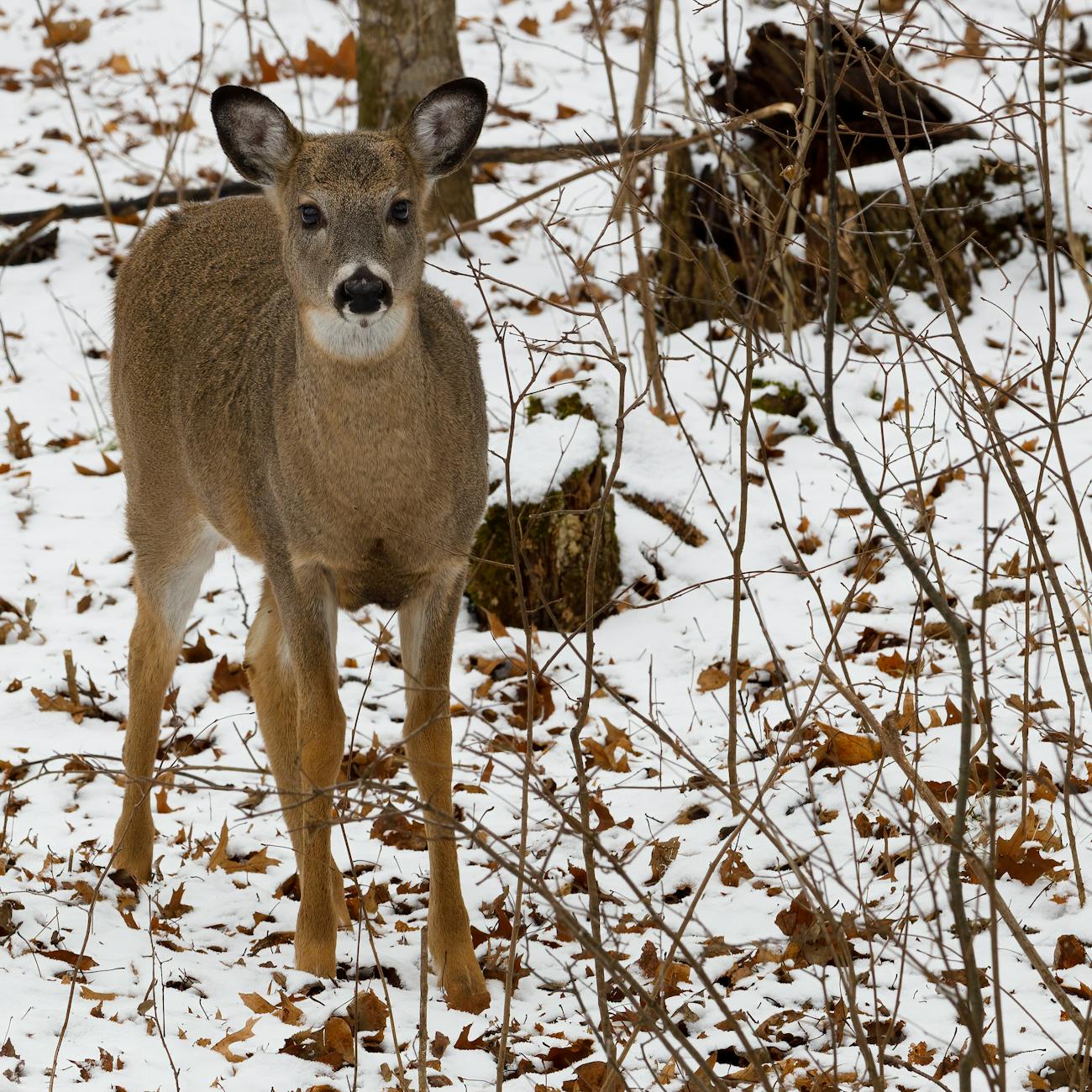
Wildlife Legislation and Policy Analysis is a critical aspect of wildlife law enforcement, aiming to protect and conserve the world's biodiversity. This area of study involves understanding the legal framework that governs the management of wildlife resources and the policies that guide conservation efforts. To effectively engage in wildlife law enforcement, it is crucial to have a solid grasp of key terms and vocabulary in this field.
1. **Wildlife Legislation**: This refers to the laws and regulations that govern the protection, conservation, and management of wildlife. Wildlife legislation varies from country to country and covers a wide range of issues such as hunting, trade, habitat protection, and species preservation.
2. **Policy Analysis**: Policy analysis involves the evaluation of existing policies or proposed changes to determine their effectiveness in achieving conservation goals. It involves assessing the implications of policy decisions on wildlife populations and ecosystems.
3. **Conservation**: Conservation refers to the sustainable use and management of natural resources to ensure their long-term survival. Wildlife conservation aims to protect endangered species, preserve habitats, and maintain biodiversity.
4. **Biodiversity**: Biodiversity encompasses the variety of living organisms in a particular ecosystem. It includes different species of plants, animals, and microorganisms, as well as the genetic diversity within these species.
5. **Endangered Species**: Endangered species are those that are at risk of extinction due to factors such as habitat loss, poaching, pollution, and climate change. International and national laws provide protection for endangered species to prevent their disappearance.
6. **CITES**: The Convention on International Trade in Endangered Species of Wild Fauna and Flora (CITES) is an international agreement aimed at regulating the trade of endangered species to ensure their survival in the wild. CITES lists species in three appendices based on their conservation status.
7. **Protected Areas**: Protected areas are designated regions set aside for the conservation and protection of wildlife and habitats. These areas can include national parks, wildlife reserves, and marine sanctuaries.
8. **Illegal Wildlife Trade**: Illegal wildlife trade involves the trafficking of endangered species and their parts for profit. This trade threatens the survival of many species and contributes to biodiversity loss.
9. **Poaching**: Poaching is the illegal hunting, killing, or capturing of wildlife, often for commercial purposes such as the trade in ivory, rhino horn, or tiger parts. Poaching poses a significant threat to many endangered species.
10. **Habitat Destruction**: Habitat destruction refers to the degradation or loss of natural habitats due to human activities such as deforestation, urbanization, and pollution. Habitat destruction is a major cause of biodiversity loss.
11. **Enforcement**: Enforcement involves the implementation of wildlife laws and regulations to ensure compliance and deter illegal activities. Enforcement efforts may involve patrols, investigations, and prosecution of offenders.
12. **Compliance**: Compliance refers to the adherence to wildlife laws and regulations by individuals, businesses, and organizations involved in activities that impact wildlife. Compliance is essential for effective wildlife conservation.
13. **Stakeholders**: Stakeholders are individuals or groups with an interest in wildlife conservation, including government agencies, non-profit organizations, local communities, and businesses. Effective wildlife policy analysis involves engaging with stakeholders to address conservation challenges.
14. **Sustainable Use**: Sustainable use refers to the utilization of wildlife resources in a way that maintains their long-term viability. This approach balances conservation goals with the needs of local communities and economic development.
15. **Ecosystem Services**: Ecosystem services are the benefits that humans derive from healthy ecosystems, such as clean water, pollination, and climate regulation. Wildlife legislation and policy analysis aim to protect these services by conserving biodiversity.
16. **In-situ Conservation**: In-situ conservation involves the protection of species in their natural habitats. This approach focuses on preserving ecosystems and minimizing human impact on wildlife populations.
17. **Ex-situ Conservation**: Ex-situ conservation involves the conservation of species outside their natural habitats, such as in zoos, botanical gardens, or seed banks. This method is used to safeguard endangered species and genetic diversity.
18. **Transboundary Conservation**: Transboundary conservation involves cooperation between countries to protect shared wildlife populations and habitats. This collaborative approach is essential for the conservation of migratory species and ecosystems that cross national borders.
19. **Monitoring and Evaluation**: Monitoring and evaluation are essential components of wildlife policy analysis. These processes involve tracking the implementation of conservation measures, assessing their impact on wildlife populations, and adjusting policies as needed.
20. **Community-Based Conservation**: Community-based conservation involves engaging local communities in wildlife management and conservation efforts. This approach recognizes the importance of traditional knowledge and the role of communities in protecting biodiversity.
In conclusion, a thorough understanding of the key terms and vocabulary in Wildlife Legislation and Policy Analysis is essential for effective wildlife law enforcement and conservation efforts. By familiarizing oneself with these concepts, individuals can contribute to the protection of wildlife and the preservation of biodiversity for future generations.
Key takeaways
- This area of study involves understanding the legal framework that governs the management of wildlife resources and the policies that guide conservation efforts.
- Wildlife legislation varies from country to country and covers a wide range of issues such as hunting, trade, habitat protection, and species preservation.
- **Policy Analysis**: Policy analysis involves the evaluation of existing policies or proposed changes to determine their effectiveness in achieving conservation goals.
- **Conservation**: Conservation refers to the sustainable use and management of natural resources to ensure their long-term survival.
- It includes different species of plants, animals, and microorganisms, as well as the genetic diversity within these species.
- **Endangered Species**: Endangered species are those that are at risk of extinction due to factors such as habitat loss, poaching, pollution, and climate change.
- **CITES**: The Convention on International Trade in Endangered Species of Wild Fauna and Flora (CITES) is an international agreement aimed at regulating the trade of endangered species to ensure their survival in the wild.