
Digital Pattern Drafting
Digital Pattern Drafting is a crucial skill in the world of fashion design and production. It involves using computer software to create, modify, and manipulate patterns for garments. This process has become increasingly popular in the indu…
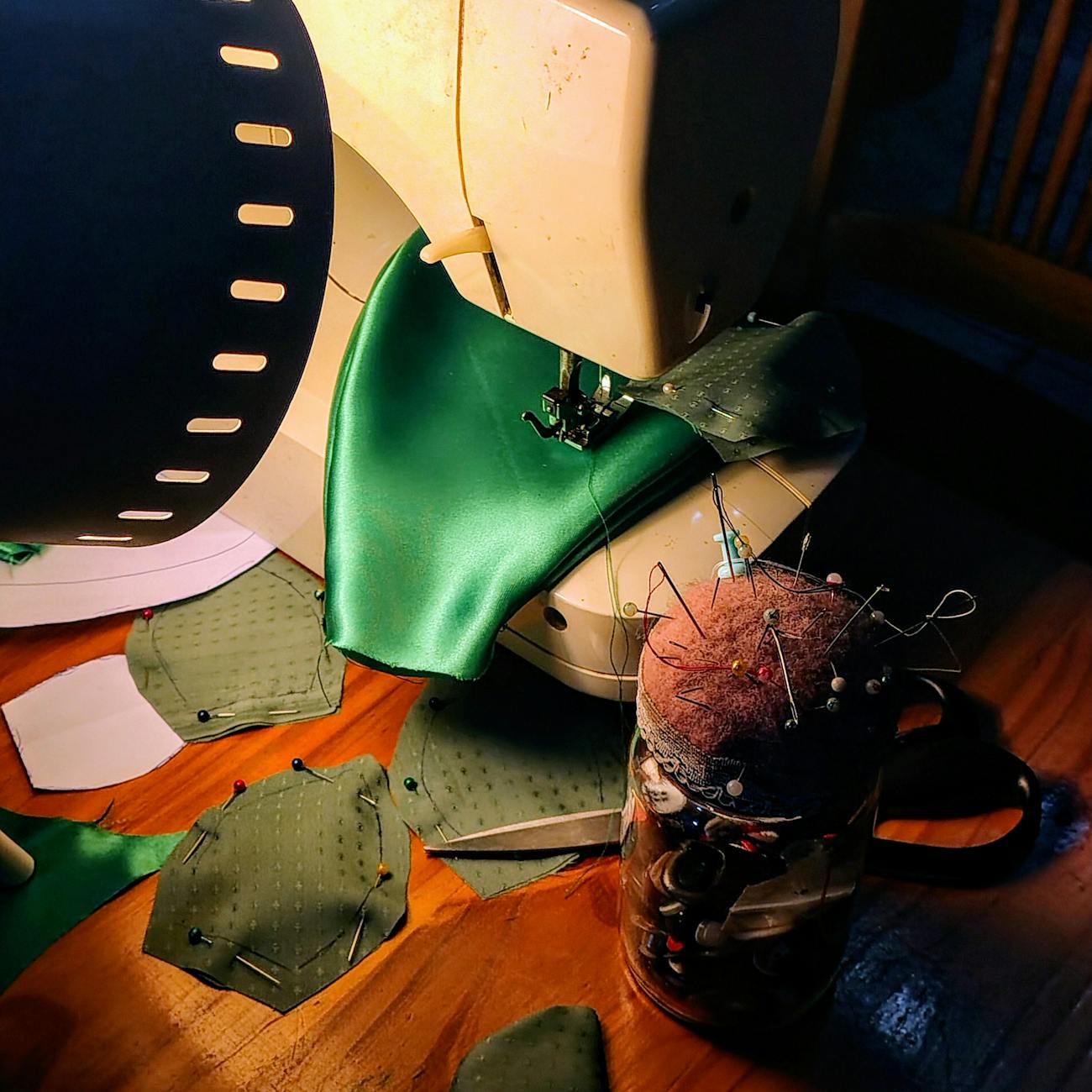
Digital Pattern Drafting is a crucial skill in the world of fashion design and production. It involves using computer software to create, modify, and manipulate patterns for garments. This process has become increasingly popular in the industry due to its efficiency, accuracy, and sustainability benefits. In this course, you will learn the key terms and vocabulary associated with Digital Pattern Drafting to help you master this essential skill for sustainable fashion.
1. **Pattern Drafting**: Pattern drafting is the process of creating a blueprint or template for a garment. It involves taking measurements, creating a basic block or sloper, and then manipulating it to create different styles and designs. Digital pattern drafting involves using software to accomplish these tasks, allowing for more precision and efficiency compared to traditional manual methods.
2. **Digital Pattern Making**: Digital pattern making is the practice of creating garment patterns using computer software. It allows designers and pattern makers to draft, modify, and grade patterns with ease. Digital pattern making software often includes features like measurement tools, pattern libraries, and virtual prototyping capabilities.
3. **CAD (Computer-Aided Design)**: CAD refers to the use of computer software to assist in the creation, modification, analysis, or optimization of a design. In the context of pattern making, CAD software allows users to draft and manipulate patterns digitally. Popular CAD software used in the fashion industry includes Adobe Illustrator, AutoCAD, and Gerber Technology's AccuMark.
4. **Pattern Blocks**: Pattern blocks, also known as slopers, are basic templates used as a foundation for creating garment patterns. They are typically created based on standard body measurements and can be modified to create various styles and designs. In digital pattern drafting, pattern blocks are often stored in a digital library for easy access and reuse.
5. **Grading**: Grading is the process of scaling a pattern up or down to create different sizes while maintaining the proportions and fit of the original design. In digital pattern drafting, grading can be done automatically using software, saving time and reducing errors compared to manual methods.
6. **Seam Allowance**: Seam allowance is the extra fabric added to the edges of a pattern piece to allow for sewing seams together. In digital pattern drafting, seam allowance can be customized and applied automatically to ensure accurate construction of the garment.
7. **Notches**: Notches are small marks placed on the edges of pattern pieces to help align them during assembly. In digital pattern drafting, notches can be added and positioned precisely using software to improve the accuracy of garment construction.
8. **Dart**: A dart is a folded or tapered seam used to shape a garment to fit the body. In digital pattern drafting, darts can be created, manipulated, and rotated easily using software to achieve the desired fit and silhouette.
9. **Pattern Library**: A pattern library is a digital collection of commonly used pattern blocks, styles, and design elements. In digital pattern drafting, a pattern library allows users to access and reuse patterns, saving time and promoting consistency in design.
10. **Virtual Prototyping**: Virtual prototyping is the process of creating a digital representation of a garment to visualize how it will look and fit before production. In digital pattern drafting, virtual prototyping can help designers and pattern makers evaluate and refine patterns without the need for physical samples.
11. **Nesting**: Nesting is the arrangement of pattern pieces on fabric to minimize waste and maximize efficiency during cutting. In digital pattern drafting, nesting can be optimized using software to reduce material consumption and improve sustainability in garment production.
12. **Marker Making**: Marker making is the process of creating a layout of pattern pieces for cutting fabric. In digital pattern drafting, marker making software can generate efficient marker layouts based on specified parameters like fabric width, pattern size, and quantity.
13. **Pattern Digitization**: Pattern digitization is the conversion of paper patterns into digital format using a scanner or digitizing tablet. In digital pattern drafting, digitizing existing patterns allows for easy storage, sharing, and modification using CAD software.
14. **Pattern Manipulation**: Pattern manipulation involves altering the shape, size, or style of a pattern to create different design variations. In digital pattern drafting, pattern manipulation can be done quickly and accurately using software tools like rotation, scaling, and mirroring.
15. **Pattern Alignment**: Pattern alignment refers to the positioning of pattern pieces relative to each other to ensure proper fit and construction. In digital pattern drafting, alignment guides and snapping tools help users accurately place and connect pattern pieces for seamless assembly.
16. **Pattern Export**: Pattern export is the process of saving a digital pattern in a file format that can be shared or used for production. In digital pattern drafting, patterns can be exported as PDF, DXF, or other formats compatible with cutting machines, printers, and other manufacturing tools.
17. **Pattern Printing**: Pattern printing is the output of a digital pattern on paper or other media for reference or production. In digital pattern drafting, patterns can be printed on large format plotters or desktop printers to create physical templates for cutting and sewing.
18. **Pattern Fit Evaluation**: Pattern fit evaluation involves testing a garment pattern on a fit model or dress form to assess the fit, comfort, and overall look. In digital pattern drafting, virtual prototyping and 3D simulation tools can aid in evaluating pattern fit before making physical samples.
19. **Pattern Grading Rules**: Pattern grading rules are guidelines or formulas used to scale a pattern between sizes while maintaining the design and proportions. In digital pattern drafting, grading rules can be customized and saved for consistent and accurate sizing across different garments.
20. **Pattern Drafting Challenges**: Digital pattern drafting presents unique challenges compared to traditional manual methods. Some common challenges include learning curve with CAD software, ensuring accurate measurements and calculations, maintaining consistency in design elements, and optimizing patterns for efficient production.
21. **Sustainable Practices in Digital Pattern Drafting**: Digital pattern drafting offers opportunities for sustainable practices in fashion design and production. By reducing paper waste, minimizing material consumption, optimizing cutting layouts, and streamlining production processes, digital pattern drafting contributes to a more environmentally friendly and efficient industry.
22. **Pattern Drafting Software**: There are various software options available for digital pattern drafting, each with its own features and capabilities. Some popular software used in the fashion industry include:
- **Adobe Illustrator**: Known for its vector-based drawing tools and flexibility in creating and editing patterns.
- **AutoCAD**: Widely used for technical drawing and drafting, suitable for creating accurate and detailed garment patterns.
- **Gerber Technology's AccuMark**: Specifically designed for pattern making and grading, with advanced features for marker making and production.
23. **Digital Pattern Drafting Workflow**: The workflow for digital pattern drafting typically involves the following steps:
- **Taking Measurements**: Gather accurate body measurements to create a custom-fit pattern.
- **Creating a Base Block**: Develop a basic pattern block or sloper as a starting point for design.
- **Drafting Patterns**: Use CAD software to draft, modify, and manipulate patterns based on design requirements.
- **Grading Patterns**: Scale patterns up or down to create different sizes while maintaining fit and proportions.
- **Adding Details**: Include seam allowances, notches, darts, and other design elements for construction.
- **Nesting and Marker Making**: Optimize pattern layout and generate markers for cutting fabric efficiently.
- **Exporting Patterns**: Save patterns in a suitable file format for production or sharing with manufacturers.
- **Virtual Prototyping**: Visualize and evaluate patterns in 3D to assess fit, design, and construction before production.
24. **Applications of Digital Pattern Drafting**: Digital pattern drafting is used in various aspects of fashion design and production, including:
- **Ready-to-Wear Clothing**: Creating patterns for mass-produced garments with consistent sizing and fit.
- **Custom Apparel**: Developing bespoke patterns tailored to individual measurements for custom clothing.
- **Costume Design**: Designing patterns for theatrical costumes, cosplay, and historical clothing.
- **Athletic Wear**: Drafting patterns for sports and activewear with specific fit and performance requirements.
- **Accessories**: Creating patterns for bags, shoes, hats, and other fashion accessories using digital tools.
25. **Conclusion**: Mastering Digital Pattern Drafting is essential for modern fashion designers and pattern makers looking to improve efficiency, accuracy, and sustainability in their work. By understanding the key terms and vocabulary associated with digital pattern drafting, you will be equipped to navigate the digital tools and techniques used in the industry and create innovative and environmentally conscious fashion designs.
Key takeaways
- In this course, you will learn the key terms and vocabulary associated with Digital Pattern Drafting to help you master this essential skill for sustainable fashion.
- Digital pattern drafting involves using software to accomplish these tasks, allowing for more precision and efficiency compared to traditional manual methods.
- Digital pattern making software often includes features like measurement tools, pattern libraries, and virtual prototyping capabilities.
- **CAD (Computer-Aided Design)**: CAD refers to the use of computer software to assist in the creation, modification, analysis, or optimization of a design.
- **Pattern Blocks**: Pattern blocks, also known as slopers, are basic templates used as a foundation for creating garment patterns.
- **Grading**: Grading is the process of scaling a pattern up or down to create different sizes while maintaining the proportions and fit of the original design.
- In digital pattern drafting, seam allowance can be customized and applied automatically to ensure accurate construction of the garment.