
Ethical Production Practices
Ethical Production Practices in the context of sustainable fashion are crucial for creating a positive impact on the environment, society, and the overall well-being of individuals involved in the fashion industry. These practices encompass…
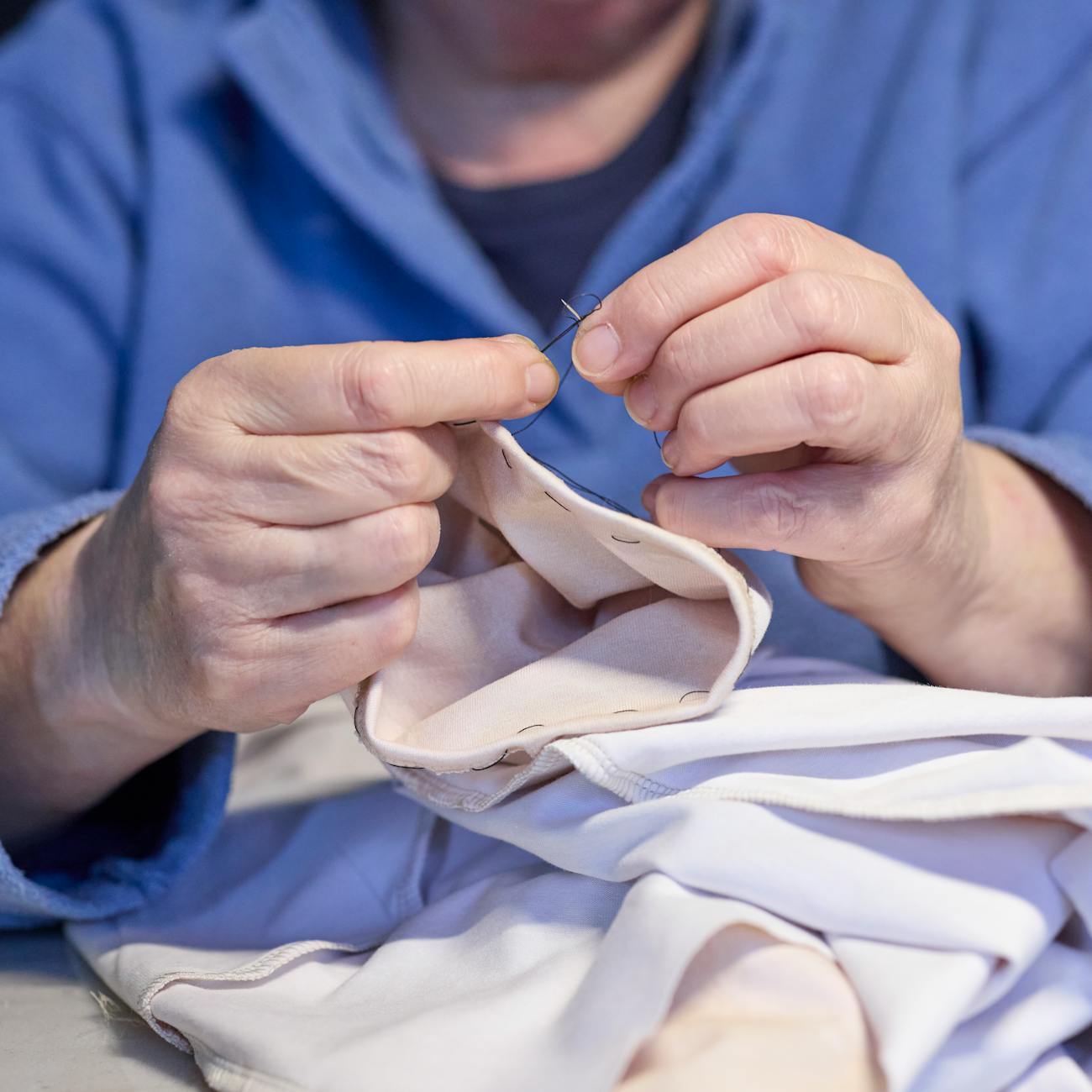
Ethical Production Practices in the context of sustainable fashion are crucial for creating a positive impact on the environment, society, and the overall well-being of individuals involved in the fashion industry. These practices encompass a wide range of principles and standards that aim to promote fair labor conditions, minimize environmental impact, and ensure transparency and accountability throughout the production process. In this course, we will explore key terms and vocabulary related to Ethical Production Practices in Pattern Making for Sustainable Fashion.
1. **Sustainable Fashion**: Sustainable fashion refers to the design, production, and consumption of clothing and accessories in a way that minimizes environmental impact, conserves resources, and promotes social responsibility. It involves considering the entire lifecycle of a garment, from raw material sourcing to disposal.
2. **Ethical Fashion**: Ethical fashion focuses on ensuring fair labor practices, safe working conditions, and fair wages for all workers involved in the production of clothing. It also includes considerations for animal welfare, use of sustainable materials, and transparency in the supply chain.
3. **Fair Trade**: Fair trade is a movement that aims to empower producers in developing countries by ensuring they receive fair wages, safe working conditions, and sustainable business practices. Fair trade certification guarantees that products have been produced ethically and sustainably.
4. **Transparency**: Transparency in fashion refers to the openness and accountability of brands and manufacturers about their production processes, including sourcing of materials, labor conditions, and environmental impact. Transparent supply chains help consumers make informed decisions about the products they buy.
5. **Circular Economy**: The circular economy is an economic model that aims to minimize waste and maximize the use of resources by designing products that can be reused, recycled, or repurposed at the end of their life cycle. In the context of fashion, a circular economy approach involves creating garments that are durable, repairable, and recyclable.
6. **Upcycling**: Upcycling is the process of transforming waste materials or unwanted products into new, higher-quality items. In fashion, upcycling involves repurposing old clothing or textiles to create new garments, accessories, or home decor items.
7. **Cradle to Cradle**: Cradle to Cradle (C2C) is a design framework that focuses on creating products that are safe, healthy, and recyclable. C2C principles aim to eliminate the concept of waste by designing products that can be continuously reused or recycled without losing their quality.
8. **Traceability**: Traceability in fashion refers to the ability to track the journey of a product from its origins to the final consumer. It involves documenting every step of the production process, including sourcing of materials, manufacturing, and distribution, to ensure transparency and accountability.
9. **Supply Chain**: A supply chain is the network of organizations, individuals, activities, information, and resources involved in producing and delivering a product to the end consumer. In fashion, the supply chain includes raw material suppliers, manufacturers, distributors, retailers, and consumers.
10. **Environmental Impact**: Environmental impact refers to the effects that the production and consumption of fashion products have on the environment, including air and water pollution, deforestation, greenhouse gas emissions, and waste generation. Sustainable fashion aims to reduce and mitigate these impacts through eco-friendly practices.
11. **Social Impact**: Social impact in fashion refers to the effects that the industry has on workers, communities, and society as a whole. Ethical production practices seek to promote fair labor conditions, empower marginalized groups, and support sustainable development in fashion-producing regions.
12. **Certifications**: Certifications in fashion, such as Fair Trade, Global Organic Textile Standard (GOTS), and OEKO-TEX Standard 100, provide assurance that products have been produced according to specific ethical and environmental standards. These certifications help consumers identify sustainable and ethically produced products.
13. **Labor Rights**: Labor rights refer to the fundamental rights of workers, including fair wages, safe working conditions, freedom of association, and the right to collective bargaining. Upholding labor rights is essential for promoting ethical production practices in the fashion industry.
14. **Worker Empowerment**: Worker empowerment involves giving workers a voice in decision-making processes, ensuring their well-being and safety, and providing opportunities for training and skill development. Empowered workers are more likely to advocate for their rights and contribute positively to the production process.
15. **Environmental Stewardship**: Environmental stewardship refers to the responsible management and conservation of natural resources, protection of ecosystems, and reduction of pollution and waste. Fashion brands committed to environmental stewardship implement sustainable practices to minimize their impact on the planet.
16. **Community Engagement**: Community engagement involves building positive relationships with local communities where fashion production takes place. It includes supporting community development initiatives, respecting cultural traditions, and involving community members in decision-making processes.
17. **Waste Reduction**: Waste reduction in fashion involves minimizing the amount of waste generated throughout the production process, including raw material waste, cutting scraps, and unsold inventory. Strategies for waste reduction include designing for durability, recycling, and upcycling.
18. **Carbon Footprint**: A carbon footprint is the total amount of greenhouse gas emissions produced directly and indirectly by an individual, organization, event, or product. Fashion brands can reduce their carbon footprint by using sustainable materials, optimizing production processes, and minimizing transportation emissions.
19. **Water Usage**: Water usage in fashion refers to the amount of water consumed during the production of clothing, from growing raw materials to dyeing and finishing fabrics. Sustainable fashion aims to reduce water usage through water-efficient practices and technologies.
20. **Animal Welfare**: Animal welfare in fashion involves ensuring that animals used in the production of clothing, such as wool, leather, and fur, are treated humanely and ethically. Brands committed to animal welfare avoid using materials derived from animals raised in inhumane conditions.
21. **Inclusivity**: Inclusivity in fashion refers to the representation and acceptance of diversity in body size, ethnicity, gender identity, and ability. Ethical production practices should prioritize inclusivity by offering a range of sizes, promoting diversity in advertising, and supporting underrepresented communities.
22. **Slow Fashion**: Slow fashion is a movement that advocates for a more sustainable and ethical approach to fashion consumption by promoting quality over quantity, mindful purchasing, and long-lasting garments. Slow fashion encourages consumers to invest in timeless pieces that are ethically made and durable.
23. **Labor Standards**: Labor standards are guidelines and regulations that define acceptable working conditions, wages, and benefits for workers in various industries. Adhering to labor standards is essential for ensuring fair and safe working conditions in the fashion supply chain.
24. **Corporate Social Responsibility (CSR)**: Corporate social responsibility is the practice of integrating social and environmental concerns into business operations and decision-making. Fashion brands with a strong CSR focus prioritize ethical production practices, sustainability, and community engagement.
25. **Fair Wage**: A fair wage is a salary that provides workers with enough income to meet their basic needs, support their families, and live a dignified life. Ensuring fair wages for all workers in the fashion supply chain is essential for promoting social justice and economic equality.
26. **Greenwashing**: Greenwashing is the practice of misleading consumers by presenting a false or exaggerated image of environmental responsibility. Brands engaged in greenwashing may claim to be sustainable without implementing meaningful changes in their production practices.
27. **Environmental Impact Assessment**: An environmental impact assessment (EIA) is a process of evaluating the potential environmental consequences of a proposed project, policy, or action. In fashion, conducting an EIA helps identify and mitigate negative environmental impacts throughout the production process.
28. **Supply Chain Transparency**: Supply chain transparency refers to the visibility and traceability of all stages of the production process, from raw material sourcing to final product delivery. Transparent supply chains help brands and consumers make informed decisions about the products they buy.
29. **Sustainable Materials**: Sustainable materials are those that are sourced and produced in a way that minimizes environmental impact, conserves resources, and promotes ethical practices. Examples of sustainable materials in fashion include organic cotton, recycled polyester, and Tencel.
30. **Organic Cotton**: Organic cotton is grown without the use of synthetic pesticides, fertilizers, or genetically modified seeds. It is considered more environmentally friendly than conventional cotton, as it reduces water usage, soil degradation, and pollution.
31. **Recycled Polyester**: Recycled polyester is a synthetic fiber made from recycled plastic bottles, textile waste, or other post-consumer materials. Using recycled polyester reduces the amount of plastic waste in landfills and conserves energy compared to producing virgin polyester.
32. **Tencel**: Tencel is a sustainable fiber made from wood pulp, typically sourced from eucalyptus trees. It is known for its softness, breathability, and biodegradability. Tencel production uses a closed-loop process that minimizes water and chemical usage.
33. **Biodegradable**: Biodegradable materials are those that can break down naturally in the environment without causing harm. In fashion, using biodegradable materials helps reduce waste and pollution, especially at the end of a garment's life cycle.
34. **Zero Waste Design**: Zero waste design is a design approach that aims to minimize waste by using all fabric pieces efficiently without generating scraps. Zero waste patterns are carefully engineered to optimize fabric usage and reduce the environmental impact of garment production.
35. **Local Sourcing**: Local sourcing involves sourcing materials, manufacturing, and production processes from nearby suppliers and artisans. By supporting local businesses, fashion brands can reduce transportation emissions, support local economies, and promote sustainable practices.
36. **Dyeing and Printing**: Dyeing and printing are processes used to add color and patterns to fabrics. Traditional dyeing and printing methods can have a significant environmental impact due to water pollution and chemical usage. Sustainable alternatives include natural dyes, waterless printing, and digital printing.
37. **Ethical Supply Chain Management**: Ethical supply chain management involves ensuring that all suppliers and partners in the production process adhere to ethical and sustainable practices. Brands with ethical supply chains prioritize fair labor conditions, environmental stewardship, and transparency.
38. **Social Compliance Audits**: Social compliance audits are assessments conducted to evaluate a supplier's compliance with labor laws, safety regulations, and ethical standards. Brands often conduct social compliance audits to ensure that their suppliers maintain fair and safe working conditions.
39. **Worker Training and Development**: Worker training and development programs provide employees with opportunities to learn new skills, improve productivity, and advance their careers. Investing in worker training is essential for promoting job satisfaction, retention, and skill development in the fashion industry.
40. **Ethical Packaging**: Ethical packaging involves using sustainable materials, minimizing waste, and reducing the environmental impact of packaging materials. Brands committed to ethical packaging use recyclable, biodegradable, and compostable materials to reduce their carbon footprint.
41. **Circular Design Strategies**: Circular design strategies focus on creating products that can be reused, repaired, recycled, or repurposed at the end of their life cycle. Circular design principles aim to eliminate waste, conserve resources, and promote a more sustainable and regenerative fashion industry.
42. **Collaborative Partnerships**: Collaborative partnerships involve working with other brands, organizations, or stakeholders to address common challenges, share resources, and promote sustainable practices. Collaborations in the fashion industry can lead to innovative solutions, increased impact, and shared learning.
43. **Social Enterprise**: A social enterprise is a business that prioritizes social, environmental, or community impact alongside financial profit. Social enterprises in the fashion industry often focus on empowering marginalized communities, promoting fair trade, and supporting sustainable practices.
44. **Fair Production Practices**: Fair production practices encompass a range of ethical standards and principles that ensure fair wages, safe working conditions, and respect for workers' rights throughout the production process. Brands committed to fair production practices prioritize social responsibility and worker well-being.
45. **Sustainable Supply Chain**: A sustainable supply chain integrates environmental, social, and economic considerations into all stages of the production process, from sourcing raw materials to distribution and disposal. Sustainable supply chains aim to minimize negative impacts and maximize positive outcomes for people and the planet.
46. **Gender Equality**: Gender equality in fashion refers to ensuring equal opportunities, representation, and treatment for people of all genders within the industry. Promoting gender equality involves combating discrimination, supporting diversity, and empowering women and marginalized genders in fashion.
47. **Eco-Friendly Practices**: Eco-friendly practices in fashion involve adopting sustainable and environmentally responsible methods of production, such as using renewable energy, reducing waste, and minimizing water usage. Brands that prioritize eco-friendly practices help mitigate climate change and protect natural resources.
48. **Corporate Accountability**: Corporate accountability refers to the responsibility of companies to act ethically, transparently, and in the best interests of their stakeholders, including employees, consumers, and the environment. Holding fashion brands accountable for their actions helps ensure ethical production practices and sustainability.
49. **Regenerative Agriculture**: Regenerative agriculture is a farming practice that focuses on restoring soil health, biodiversity, and ecosystem resilience. In fashion, regenerative agriculture can provide sustainable and eco-friendly sources of raw materials, such as cotton, wool, and silk.
50. **Social Impact Assessment**: A social impact assessment (SIA) is a process of evaluating the social consequences of a proposed project, policy, or action. In fashion, conducting an SIA helps identify potential social risks and benefits associated with production practices and supply chain operations.
In conclusion, understanding key terms and vocabulary related to Ethical Production Practices in Pattern Making for Sustainable Fashion is essential for promoting ethical, sustainable, and socially responsible practices in the fashion industry. By incorporating these principles into our work as pattern makers, we can help create a more equitable, transparent, and environmentally friendly fashion ecosystem for the benefit of people and the planet.
Key takeaways
- These practices encompass a wide range of principles and standards that aim to promote fair labor conditions, minimize environmental impact, and ensure transparency and accountability throughout the production process.
- **Sustainable Fashion**: Sustainable fashion refers to the design, production, and consumption of clothing and accessories in a way that minimizes environmental impact, conserves resources, and promotes social responsibility.
- **Ethical Fashion**: Ethical fashion focuses on ensuring fair labor practices, safe working conditions, and fair wages for all workers involved in the production of clothing.
- **Fair Trade**: Fair trade is a movement that aims to empower producers in developing countries by ensuring they receive fair wages, safe working conditions, and sustainable business practices.
- **Transparency**: Transparency in fashion refers to the openness and accountability of brands and manufacturers about their production processes, including sourcing of materials, labor conditions, and environmental impact.
- **Circular Economy**: The circular economy is an economic model that aims to minimize waste and maximize the use of resources by designing products that can be reused, recycled, or repurposed at the end of their life cycle.
- In fashion, upcycling involves repurposing old clothing or textiles to create new garments, accessories, or home decor items.