
Pattern Grading and Sizing
Pattern Grading and Sizing
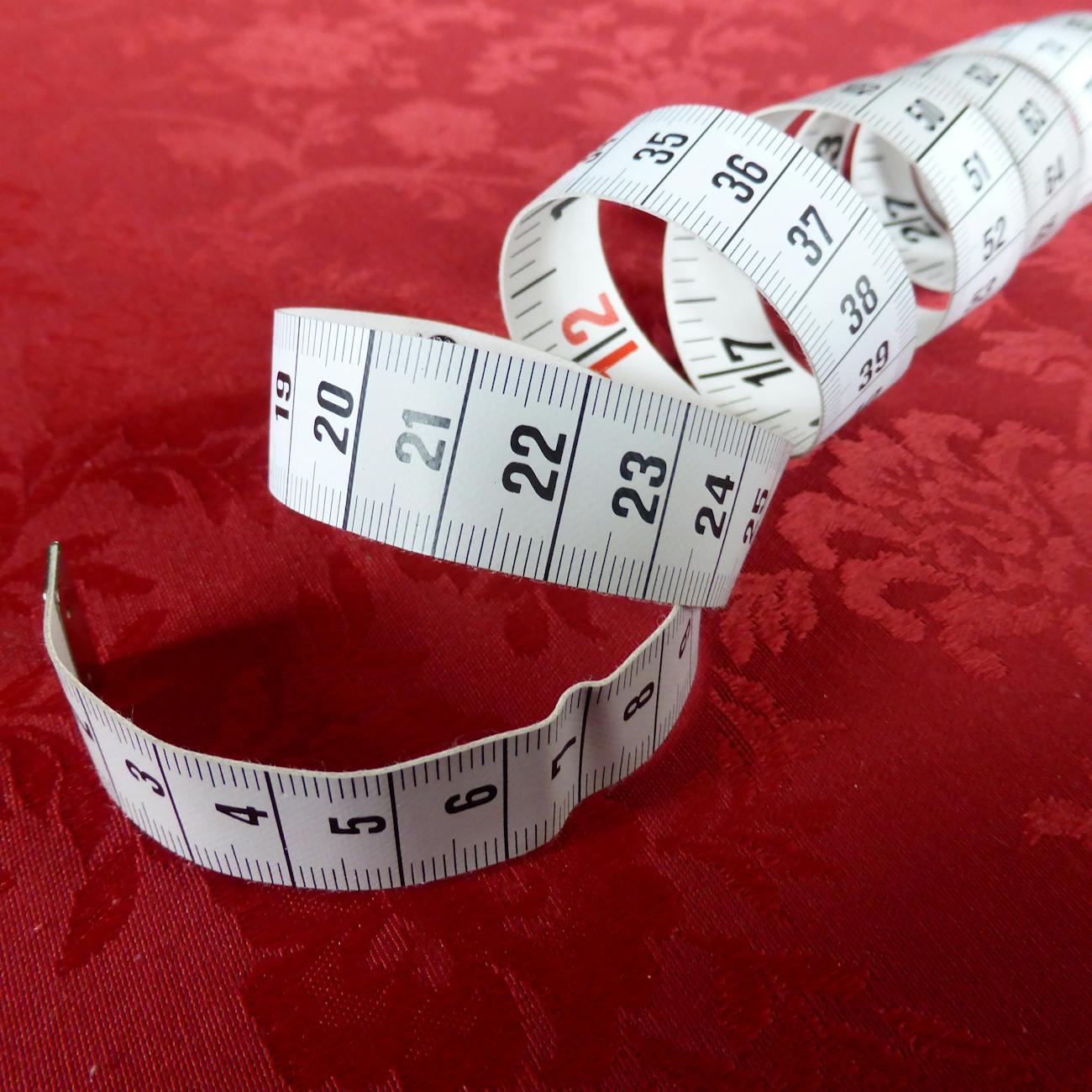
Pattern Grading and Sizing
Pattern grading and sizing are essential processes in the fashion industry that involve increasing or decreasing the size of a pattern to fit different body measurements. This ensures that garments fit a range of body shapes and sizes, allowing for mass production of clothing that can cater to a diverse customer base. Understanding how to grade patterns accurately is crucial for creating well-fitting garments and minimizing waste in the production process.
Key Terms and Vocabulary
1. Base Size The base size is the original size of a pattern from which all other sizes are graded. It is usually a standard size that represents the average measurements for a particular garment type. For example, a base size 8 pattern for a dress would have measurements that align with a size 8 body.
2. Grading Grading is the process of systematically increasing or decreasing the size of a pattern to create multiple sizes. This is typically done by adding or subtracting increments to key points on the pattern, such as bust, waist, and hip measurements. Grading ensures that the proportions of the garment remain consistent across all sizes.
3. Grade Rule A grade rule is a set of guidelines or formulas used to determine how much each point on a pattern should be increased or decreased when grading between sizes. Grade rules are based on anthropometric data and industry standards to ensure that the graded sizes fit a range of body shapes accurately.
4. Grading Increments Grading increments are the specific measurements added or subtracted at each point on a pattern to create different sizes. These increments are determined by the grade rule and can vary depending on the type of garment and the size range being graded.
5. Nesting Nesting is the process of arranging multiple sizes of a pattern on a single piece of fabric to optimize fabric utilization and minimize waste during production. By nesting patterns efficiently, manufacturers can reduce costs and environmental impact.
6. Sizing Sizing refers to the process of categorizing garments into standard size ranges based on body measurements. Common sizing categories include petite, regular, and plus sizes. Sizing helps consumers find garments that fit their body shape and proportions.
7. Fit Model A fit model is an individual whose body measurements closely match a particular size range and who is used to test the fit of garments during the design and development process. Fit models help designers ensure that garments fit properly before they are mass-produced.
8. Size Chart A size chart is a visual representation of the measurements and corresponding sizes for a particular garment. Size charts are used by consumers to determine their size before purchasing clothing and by manufacturers to ensure consistency in sizing across different styles.
9. Block Pattern A block pattern, also known as a sloper, is a basic pattern that serves as the foundation for creating other styles. Block patterns are typically created in a standard size and used as a template for developing more complex designs through grading and alterations.
10. Pivot Method The pivot method is a technique used in pattern grading to increase or decrease the size of a pattern at key points. This method involves pivoting the pattern at designated pivot points and adding or subtracting increments to achieve the desired size adjustments.
11. Direct Method The direct method is another technique used in pattern grading that involves adding or subtracting increments directly to the pattern without pivoting. This method is often used for simple grading adjustments and can be faster than the pivot method for certain patterns.
12. Digital Grading Digital grading is the process of grading patterns using computer software. This method allows for precise and efficient grading adjustments, as well as easy storage and retrieval of graded patterns. Digital grading has become increasingly popular in the fashion industry due to its accuracy and time-saving benefits.
13. Plus Sizing Plus sizing refers to the process of grading patterns to create larger sizes beyond the standard size range. Plus sizing is important for catering to a more diverse range of body shapes and sizes, including those with larger proportions.
14. Petite Sizing Petite sizing involves grading patterns to create smaller sizes for individuals with shorter stature and smaller proportions. Petite sizing is designed to ensure that garments fit properly and proportionally on individuals with petite frames.
15. Size Consistency Size consistency refers to the uniformity of sizing across different styles and garments within a brand or collection. Maintaining size consistency is important for building customer trust and loyalty, as consumers rely on consistent sizing to make informed purchasing decisions.
16. Fit Testing Fit testing is the process of evaluating the fit of a garment on a fit model or mannequin to ensure that it meets the desired specifications. Fit testing helps designers identify any fit issues and make necessary adjustments before production.
17. Grain Line The grain line is a line on a pattern that indicates the direction of the fabric grain. It is important to follow the grain line when cutting out pattern pieces to ensure that the fabric drapes and stretches properly when the garment is worn.
18. Ease Ease is the amount of extra room added to a garment beyond the body measurements to allow for movement and comfort. There are different types of ease, including wearing ease (for ease of movement) and design ease (for aesthetic purposes).
19. Alterations Alterations are adjustments made to a pattern or garment to fit a specific body shape or size. Common alterations include lengthening or shortening hems, taking in or letting out seams, and adjusting darts or pleats.
20. Grading Challenges Grading patterns can present various challenges, including maintaining proportion and shape across different sizes, ensuring accurate grade rules are applied, and balancing ease and fit considerations. Overcoming these challenges requires a thorough understanding of grading techniques and careful attention to detail.
21. Sustainable Sizing Sustainable sizing refers to the practice of creating size-inclusive garments that minimize waste and environmental impact. By offering a range of sizes that fit diverse body shapes and using efficient grading and nesting techniques, fashion brands can reduce their carbon footprint and promote sustainable practices.
22. Body Scanning Body scanning is a technology used to capture precise body measurements for creating custom-fit garments. By using 3D scanning technology, designers can create patterns that match the unique proportions of individual customers, reducing the need for standard sizing and minimizing fit issues.
23. Size Diversity Size diversity advocates for the representation of a wide range of body shapes and sizes in the fashion industry. By embracing size diversity and offering inclusive sizing options, brands can cater to a more diverse customer base and promote body positivity and inclusivity.
24. Pattern Grading Software Pattern grading software is computer software designed to assist with the grading process by automating calculations and adjustments. This software enables designers and pattern makers to create accurate graded patterns quickly and efficiently, saving time and reducing errors.
25. Fit Standards Fit standards are guidelines or specifications used to ensure that garments fit properly and consistently across different sizes. By adhering to fit standards, designers can maintain quality and fit integrity in their garments, leading to greater customer satisfaction.
26. Prototyping Prototyping involves creating a sample garment based on a graded pattern to test the fit, construction, and design of the garment. Prototyping allows designers to make adjustments before full production, reducing the risk of costly errors and ensuring a high-quality final product.
27. Size Inclusivity Size inclusivity emphasizes the importance of offering a wide range of sizes to accommodate diverse body shapes and sizes. By prioritizing size inclusivity, brands can promote body positivity, cater to a more diverse customer base, and foster a more inclusive and welcoming fashion industry.
28. Anthropometric Data Anthropometric data refers to measurements and proportions of the human body used to create standardized sizing systems and fit models. By collecting and analyzing anthropometric data, designers can develop garments that fit a range of body shapes accurately and comfortably.
29. Size Labeling Size labeling involves assigning specific size designations to garments based on body measurements. Accurate size labeling is crucial for consumers to find garments that fit well and for manufacturers to ensure consistency in sizing across different styles and collections.
30. Size Range Size range refers to the range of sizes available for a particular garment or collection. A comprehensive size range includes a variety of sizes to cater to a diverse customer base and promote inclusivity and accessibility in fashion.
31. Grading Rulers Grading rulers are tools used in pattern grading to add or subtract increments accurately and consistently. Grading rulers come in various shapes and sizes and are essential for ensuring precise grading adjustments in pattern making.
32. Size Validation Size validation involves testing the fit and proportions of graded patterns on fit models or mannequins to ensure that the sizes align with industry standards and customer expectations. Size validation helps designers identify any fit issues and make necessary adjustments before production.
33. Sample Size Sample size is the size of a garment used as a reference for fit and construction during the design and development process. Sample sizes are typically based on the base size and are used to create prototypes and test the fit of graded patterns before full production.
34. Grade Sheet A grade sheet is a document that outlines the grade rules and increments applied to each point on a pattern to create different sizes. Grade sheets are used as a reference during the grading process to ensure consistency and accuracy in size adjustments.
35. Fit Evaluation Fit evaluation is the process of assessing the fit of a garment on a fit model or mannequin to determine if any adjustments are needed. Fit evaluation helps designers identify fit issues, make necessary alterations, and ensure that the final garment meets quality and fit standards.
36. Size Specification Size specification is a detailed document that outlines the measurements, proportions, and fit characteristics of each size in a graded pattern. Size specifications are used by manufacturers to produce garments that meet the intended fit and design requirements.
37. Pattern Draping Pattern draping is a technique used to create patterns by draping fabric directly on a dress form or fit model. Draping allows designers to visualize the shape and fit of a garment in three dimensions and make adjustments to the pattern before transferring it to paper.
38. Size Adjustment Size adjustment involves modifying a pattern to fit a different size or body shape. Size adjustments can include adding or subtracting increments at key points, altering seam lines, or adjusting darts and pleats to achieve the desired fit.
39. Size Tolerance Size tolerance refers to the acceptable range of variation in garment measurements within a specific size. Size tolerance accounts for minor discrepancies that may occur during production and ensures that garments still fit within acceptable parameters.
40. Size Tagging Size tagging involves labeling garments with size information for easy identification by consumers. Size tags typically include the garment size, care instructions, and fabric content to help customers select the correct size and care for their garments properly.
41. Pattern Alteration Pattern alteration is the process of making changes to a pattern to adjust the fit, style, or design. Common pattern alterations include lengthening or shortening sleeves, changing neckline shapes, or adjusting the fit at the waist or hips to achieve the desired look.
42. Size Variation Size variation refers to the differences in fit and proportions between different sizes of a garment. Size variation is necessary to accommodate diverse body shapes and sizes and ensure that garments fit comfortably and flatteringly on a range of customers.
43. Size Chart Development Size chart development involves creating a visual representation of body measurements and corresponding garment sizes for a specific brand or collection. Size charts help consumers determine their size and make informed purchasing decisions based on their body measurements.
44. Size Profiling Size profiling is the process of analyzing customer data and preferences to determine the most common sizes and fit characteristics within a target market. Size profiling helps brands develop size ranges that cater to their customer base and align with market demand.
45. Size Scaling Size scaling is the process of adjusting the proportions of a garment pattern to create different sizes while maintaining the overall design and style. Size scaling ensures that the garment looks consistent and cohesive across all sizes in the range.
46. Pattern Matching Pattern matching is the process of aligning and blending pattern pieces at seams and design lines to create a cohesive and visually appealing garment. Pattern matching is essential for ensuring that patterns align correctly and that the garment looks well-constructed and professional.
47. Size Model A size model is an individual whose body measurements align with a specific size category and who is used as a reference for fitting and grading patterns within that size range. Size models help designers create garments that fit accurately and consistently within a given size category.
48. Size Specification Sheet A size specification sheet is a detailed document that outlines the measurements, proportions, and fit details for each size in a graded pattern. Size specification sheets are used by manufacturers to produce garments that meet the intended fit and design requirements for each size.
49. Pattern Digitization Pattern digitization is the process of converting paper patterns into digital files using specialized software. Digitizing patterns allows for easy storage, retrieval, and manipulation of pattern data, as well as the use of computer-aided design tools for pattern making and grading.
50. Size Sample A size sample is a garment produced in a specific size to test the fit, construction, and design before full production. Size samples are used to evaluate the accuracy of graded patterns, make fit adjustments, and ensure that the final garment meets quality and fit standards.
Conclusion
Understanding key terms and vocabulary related to pattern grading and sizing is essential for professionals in the fashion industry to create well-fitting garments that cater to a diverse customer base. By mastering these concepts and techniques, designers and pattern makers can produce garments that fit accurately, minimize waste, and promote sustainability and inclusivity in fashion.
Key takeaways
- Pattern grading and sizing are essential processes in the fashion industry that involve increasing or decreasing the size of a pattern to fit different body measurements.
- It is usually a standard size that represents the average measurements for a particular garment type.
- This is typically done by adding or subtracting increments to key points on the pattern, such as bust, waist, and hip measurements.
- Grade Rule A grade rule is a set of guidelines or formulas used to determine how much each point on a pattern should be increased or decreased when grading between sizes.
- Grading Increments Grading increments are the specific measurements added or subtracted at each point on a pattern to create different sizes.
- Nesting Nesting is the process of arranging multiple sizes of a pattern on a single piece of fabric to optimize fabric utilization and minimize waste during production.
- Sizing Sizing refers to the process of categorizing garments into standard size ranges based on body measurements.