
Parenting Styles and Discipline Techniques
Parenting Styles:
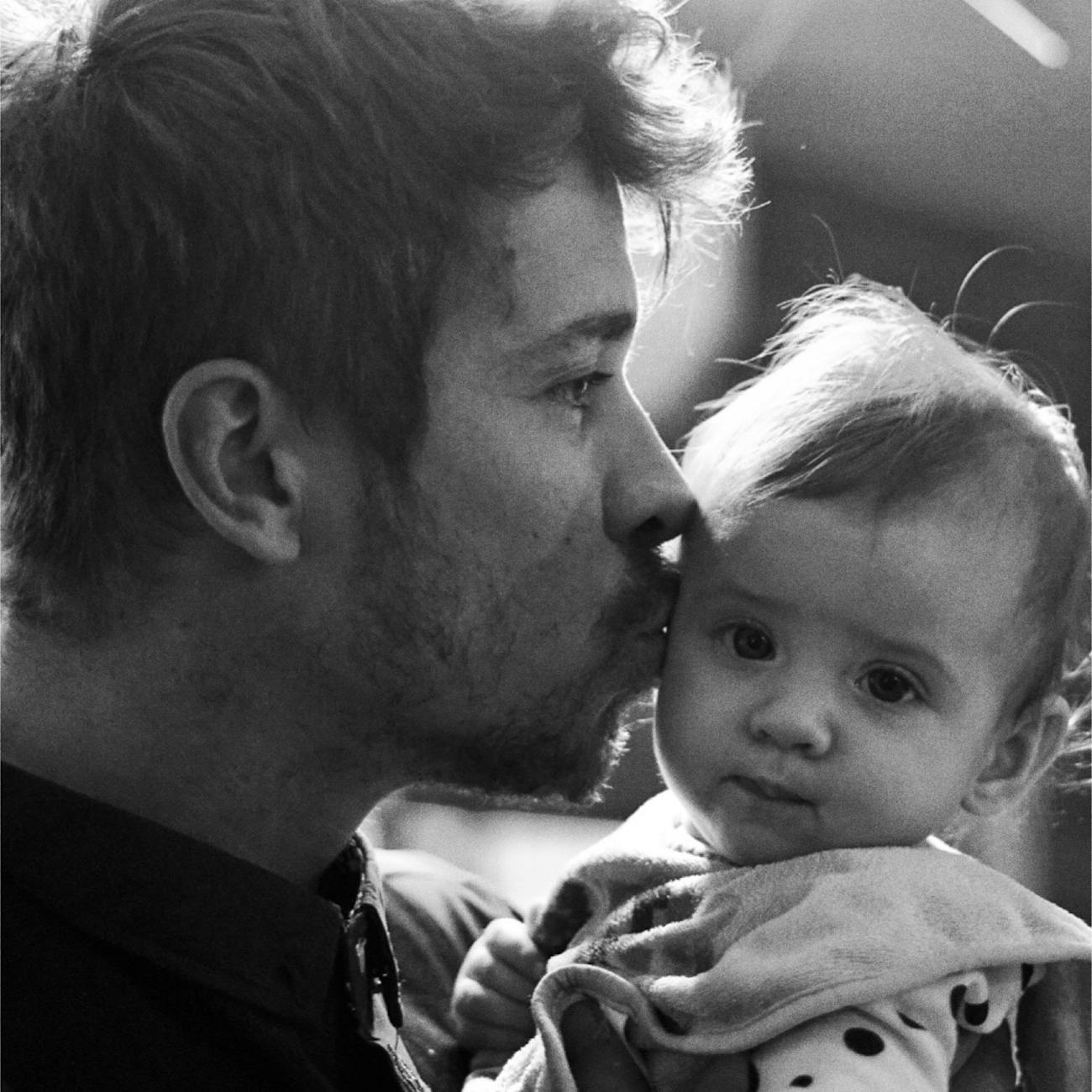
Parenting Styles:
Parenting styles refer to the strategies and approaches that parents use to raise their children. These styles are generally based on the degree of control and the level of warmth that parents exhibit towards their children. There are four main parenting styles that have been identified by researchers: authoritative, authoritarian, permissive, and uninvolved.
1. Authoritative Parenting: Authoritative parenting is often considered the most effective and balanced approach to raising children. Parents who practice authoritative parenting are both demanding and responsive. They set clear expectations for their children but also provide support and warmth. These parents are firm but fair, and they encourage independence while also maintaining limits. Authoritative parents are often seen as responsive to their children's needs and emotions, which helps in fostering a healthy parent-child relationship.
Example: An authoritative parent sets rules and boundaries for their child but also listens to their child's perspective and communicates openly.
Challenges: One challenge of authoritative parenting is finding the right balance between being supportive and setting limits. It can be difficult for parents to maintain consistency in their approach, which may lead to confusion for the child.
2. Authoritarian Parenting: Authoritarian parenting is characterized by high levels of control and low levels of warmth. Parents who practice authoritarian parenting are strict and demanding, expecting obedience without question. These parents often use punishment as a means of discipline and may not be very responsive to their children's emotional needs. Authoritarian parents have high expectations for their children but may not provide much guidance or support.
Example: An authoritarian parent may use harsh discipline methods such as yelling or physical punishment to enforce rules.
Challenges: Authoritarian parenting can lead to a strained relationship between parent and child, as the child may feel resentful or rebellious towards their parents. This style of parenting may also hinder a child's ability to develop independence and self-regulation.
3. Permissive Parenting: Permissive parenting is characterized by high levels of warmth and low levels of control. Parents who practice permissive parenting are lenient and indulgent, often giving in to their children's demands and desires. These parents may avoid setting clear boundaries or rules, allowing their children to make their own decisions without much guidance. Permissive parents are usually very nurturing and supportive but may struggle to provide structure and discipline.
Example: A permissive parent may let their child stay up late, eat unhealthy foods, and avoid doing chores.
Challenges: Permissive parenting can lead to children who struggle with self-discipline and may have difficulty following rules and boundaries. Children raised in permissive households may also struggle with authority figures outside of the home.
4. Uninvolved Parenting: Uninvolved parenting is characterized by low levels of both control and warmth. Parents who practice uninvolved parenting are often detached and neglectful, showing little interest or involvement in their children's lives. These parents may be emotionally distant, neglecting their children's needs and failing to provide the necessary support and guidance. Uninvolved parents may prioritize their own needs over their children's, leading to a lack of supervision and attention.
Example: An uninvolved parent may spend most of their time away from home, leaving their child to fend for themselves.
Challenges: Uninvolved parenting can have serious negative consequences for children, including emotional and behavioral problems. Children raised in uninvolved households may struggle with low self-esteem, attachment issues, and difficulties forming healthy relationships.
Discipline Techniques:
Discipline techniques refer to the methods that parents use to teach and guide their children's behavior. Effective discipline is crucial for setting boundaries, promoting positive behavior, and teaching children important life skills. There are several discipline techniques that parents can use, depending on their parenting style and their child's individual needs.
1. Positive Reinforcement: Positive reinforcement involves rewarding children for good behavior to encourage them to continue behaving in a positive way. This technique focuses on praising and acknowledging children when they follow rules, complete tasks, or exhibit desirable behavior. Positive reinforcement can help children develop self-esteem and motivation to behave well.
Example: A parent praises their child for completing their homework on time and rewards them with extra playtime.
Challenges: One challenge of positive reinforcement is ensuring that rewards are appropriate and consistent. Parents must be careful not to over-reward their children, as this may lead to a sense of entitlement or dependence on rewards.
2. Time-Out: Time-out is a discipline technique that involves removing a child from a situation or activity when they misbehave. This technique is often used to give children a chance to calm down and reflect on their behavior. Time-out should be a brief period of isolation, during which the child is not allowed to engage in any activities. Time-out can be an effective way to teach children about consequences and help them learn self-regulation.
Example: A parent puts their child in time-out for hitting their sibling, explaining that hitting is not allowed and giving the child a chance to calm down.
Challenges: One challenge of time-out is ensuring that it is used consistently and effectively. Parents must establish clear rules and expectations for time-out and make sure that the child understands the purpose of the discipline technique.
3. Logical Consequences: Logical consequences are discipline techniques that involve allowing children to experience the natural or logical outcome of their behavior. This technique helps children understand the connection between their actions and the consequences that follow. Logical consequences should be related to the misbehavior and should be respectful and fair. This technique can help children learn responsibility and accountability for their actions.
Example: A child refuses to clean up their toys, so the parent explains that the toys will be put away for a day as a consequence of not following the rule.
Challenges: One challenge of logical consequences is ensuring that the consequences are appropriate and meaningful to the child. Parents must be careful not to use consequences that are too harsh or unrelated to the misbehavior.
4. Setting Limits: Setting limits involves establishing clear rules and boundaries for children to follow. This technique helps children understand what is expected of them and what behavior is acceptable. Setting limits can help children feel safe and secure, as they know what is allowed and what is not. Parents should communicate rules clearly and consistently and enforce consequences when the rules are broken.
Example: A parent sets a rule that their child must finish their homework before watching TV, enforcing the consequence of no TV time if the rule is not followed.
Challenges: One challenge of setting limits is enforcing the rules consistently and following through with consequences. Parents must be firm and consistent in upholding the limits they have set to ensure that children understand the importance of following rules.
In conclusion, understanding different parenting styles and discipline techniques is essential for parents to effectively raise their children. By being aware of the strengths and weaknesses of each parenting style and discipline technique, parents can choose the approach that best suits their child's needs and fosters a positive parent-child relationship. Effective parenting involves finding a balance between setting boundaries and showing love and support, ultimately helping children develop into confident, responsible, and well-adjusted individuals.
Key takeaways
- There are four main parenting styles that have been identified by researchers: authoritative, authoritarian, permissive, and uninvolved.
- Authoritative parents are often seen as responsive to their children's needs and emotions, which helps in fostering a healthy parent-child relationship.
- Example: An authoritative parent sets rules and boundaries for their child but also listens to their child's perspective and communicates openly.
- Challenges: One challenge of authoritative parenting is finding the right balance between being supportive and setting limits.
- These parents often use punishment as a means of discipline and may not be very responsive to their children's emotional needs.
- Example: An authoritarian parent may use harsh discipline methods such as yelling or physical punishment to enforce rules.
- Challenges: Authoritarian parenting can lead to a strained relationship between parent and child, as the child may feel resentful or rebellious towards their parents.