
Creating a Bilingual Environment at Home
Creating a Bilingual Environment at Home is crucial for parents who want to raise bilingual children. This process involves incorporating both languages into daily routines and interactions to provide consistent exposure and practice. Below…
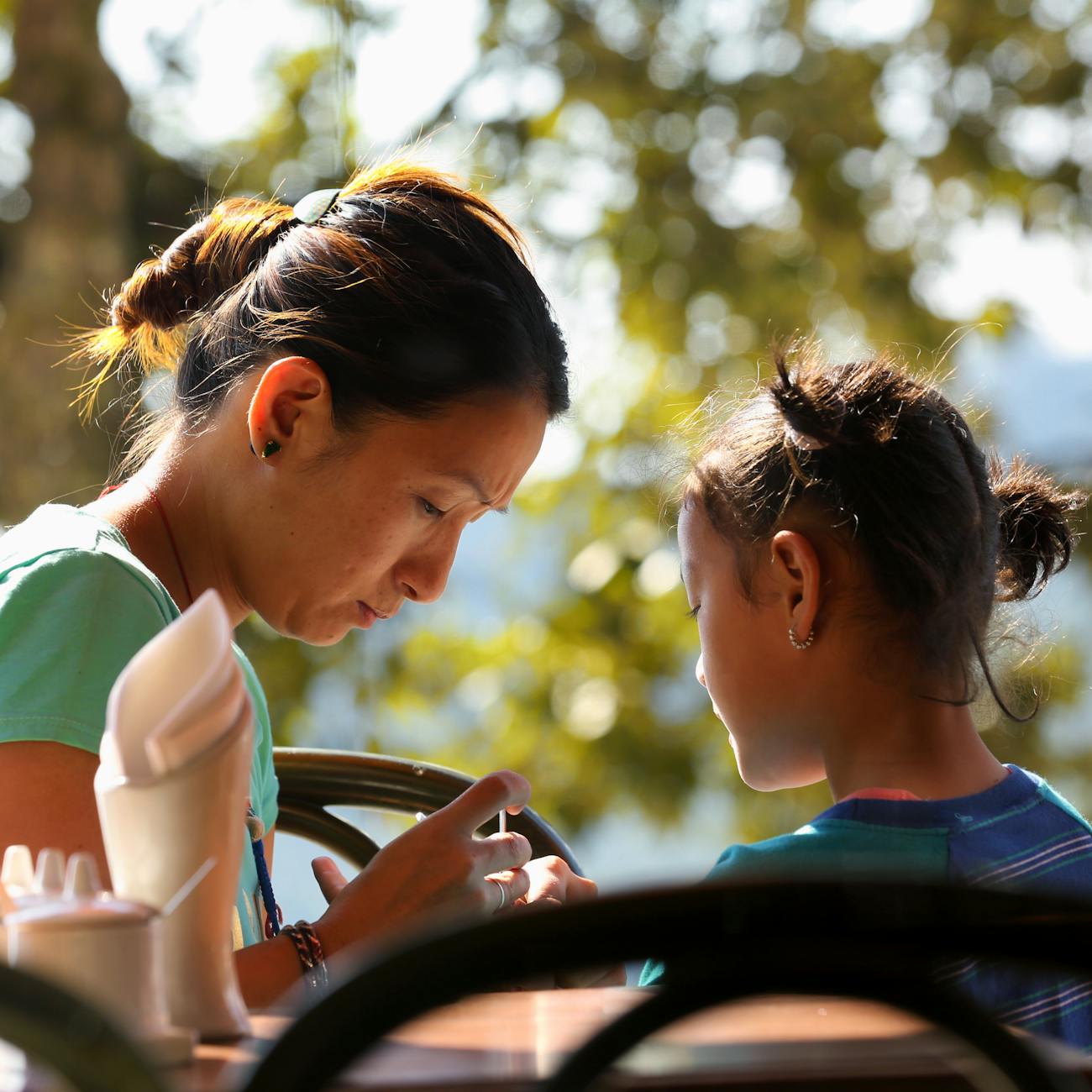
Creating a Bilingual Environment at Home is crucial for parents who want to raise bilingual children. This process involves incorporating both languages into daily routines and interactions to provide consistent exposure and practice. Below are key terms and vocabulary that parents should be familiar with to effectively establish a bilingual environment at home:
Bilingualism: Bilingualism refers to the ability to speak two languages fluently. It is common for individuals to be bilingual either from birth or through learning a second language later in life. Being bilingual has numerous cognitive, social, and cultural benefits.
Language Development: Language development is the process through which children acquire the ability to understand and use language. It involves various stages, from babbling as infants to forming complex sentences as they grow older. Providing a rich bilingual environment can support children's language development in both languages.
Code-Switching: Code-switching is the practice of alternating between two languages within a conversation or sentence. This phenomenon is common among bilingual individuals and can serve various purposes, such as filling lexical gaps or emphasizing certain words or concepts.
Language Dominance: Language dominance refers to the proficiency level of an individual in each of their languages. In a bilingual household, children may exhibit dominance in one language over the other, depending on factors such as exposure, usage, and context.
One Parent, One Language (OPOL): OPOL is a popular strategy used by bilingual parents to ensure consistent language input. In this approach, each parent speaks a different language to the child, reinforcing the use of both languages in the home environment.
Minority Language: The minority language is the language spoken less frequently in a bilingual environment. In many cases, this language may be the heritage language of one or both parents and requires deliberate efforts to maintain its use and relevance.
Heritage Language: The heritage language refers to the language that is part of an individual's cultural or familial background. Parents often seek to preserve and pass on their heritage language to their children as a way of maintaining their cultural identity.
Language Mixing: Language mixing, also known as code-mixing, occurs when bilingual individuals blend elements of two languages within a sentence or conversation. This phenomenon is natural and can enhance communication efficiency in certain contexts.
Language Exposure: Language exposure refers to the amount of time and opportunities a child has to hear and interact with a particular language. Maximizing language exposure in both languages is essential for promoting bilingualism and language development.
Language Input: Language input is the linguistic stimuli that children receive from their environment, including spoken words, gestures, and written text. Providing diverse and engaging language input can enhance children's language skills and vocabulary in both languages.
Language Output: Language output refers to the verbal and written communication produced by individuals in response to language input. Encouraging children to practice using both languages actively can help them become proficient bilingual speakers.
Bilingual Identity: Bilingual identity encompasses the sense of belonging and self-perception that individuals develop as speakers of two languages. Cultivating a positive bilingual identity in children involves celebrating their linguistic diversity and encouraging pride in their bilingualism.
Cultural Heritage: Cultural heritage encompasses the traditions, beliefs, values, and practices passed down through generations within a particular cultural group. Maintaining connections to cultural heritage through language and customs is key to fostering a sense of belonging and identity.
Language Maintenance: Language maintenance involves the ongoing efforts to preserve and promote the use of a particular language within a community or family. Strategies for language maintenance may include language classes, cultural events, and media consumption in the target language.
Language Revitalization: Language revitalization refers to the active measures taken to revive and strengthen endangered or underused languages. Bilingual families can contribute to language revitalization efforts by prioritizing the use of minority languages in daily interactions.
Language Attrition: Language attrition is the gradual loss of language proficiency due to disuse or lack of exposure. Children in bilingual environments may experience language attrition if one language is not consistently reinforced or practiced over time.
Bilingual Education: Bilingual education encompasses instructional approaches that promote the development of academic skills in two languages. Bilingual programs may vary in structure and focus, including dual-language immersion, transitional bilingual education, and heritage language instruction.
Language Acquisition: Language acquisition is the natural process through which individuals learn to understand and use a language. Children acquire language skills through exposure, interaction, and practice, gradually developing proficiency in both their native and second languages.
Language Transfer: Language transfer occurs when elements of one language influence the learning or production of another language. Positive transfer can facilitate language acquisition, while negative transfer may result in errors or interference between languages.
Language Diversity: Language diversity refers to the variety of languages spoken in a given region or community. Embracing linguistic diversity and promoting multilingualism can lead to greater cultural understanding and communication across different language groups.
Language Policy: Language policy includes official regulations, guidelines, and practices related to the use of languages in educational, governmental, and social contexts. Bilingual families may encounter language policies that impact their language choices and opportunities for language maintenance.
Language Planning: Language planning involves strategic decisions and actions aimed at promoting the use and vitality of specific languages within a society. Bilingual families can engage in language planning by advocating for bilingual education programs and resources in their community.
Language Rights: Language rights are fundamental human rights that protect individuals' freedom to use, maintain, and develop their languages. Recognizing and upholding language rights is essential for preserving linguistic diversity and promoting social justice.
Language Barrier: A language barrier refers to the difficulty or impediment caused by differences in language proficiency between individuals. Bilingual families may encounter language barriers in various settings, requiring effective communication strategies and language support.
Language Revival: Language revival involves efforts to revive and restore languages that have been marginalized, endangered, or suppressed. Bilingual families can contribute to language revival initiatives by actively using and promoting minority languages in their daily lives.
Multilingualism: Multilingualism refers to the ability to speak multiple languages fluently. Multilingual individuals may acquire their language skills through diverse contexts, such as formal education, family upbringing, or immersion experiences in different language environments.
Language Environment: The language environment encompasses the linguistic context in which individuals interact and communicate. Creating a rich and supportive language environment at home involves integrating language-rich activities, materials, and interactions in both languages.
Language Exposure: Language exposure refers to the opportunities and contexts in which individuals encounter and engage with a particular language. Maximizing language exposure in both languages is essential for promoting bilingualism and language development in children.
Cognitive Benefits of Bilingualism: Research has shown that bilingualism can enhance cognitive functions such as executive control, attention, and problem-solving skills. Bilingual individuals may exhibit improved cognitive flexibility and mental agility compared to monolinguals.
Social Benefits of Bilingualism: Bilingualism can facilitate communication and collaboration across diverse cultural and linguistic backgrounds. Bilingual individuals may have increased opportunities for social interaction, cultural exchange, and global networking due to their language skills.
Cultural Benefits of Bilingualism: Bilingualism can deepen individuals' connections to their cultural heritage and foster cross-cultural understanding. Bilingual individuals may have a broader appreciation for diverse traditions, art forms, and perspectives through their exposure to multiple languages.
Bilingual Education Programs: Bilingual education programs offer structured instruction in two languages to support students' academic and linguistic development. These programs may vary in design, duration, and language focus, catering to students with different language backgrounds and proficiency levels.
Bilingual Language Development: Bilingual language development involves the simultaneous acquisition and use of two languages by individuals. Children in bilingual environments may demonstrate unique language learning patterns, such as language mixing, code-switching, and varying levels of language dominance.
Language Immersion: Language immersion programs provide students with intensive exposure to a target language through instruction, activities, and interactions conducted entirely in that language. Immersion experiences can accelerate language learning and promote bilingual proficiency.
Language Maintenance Strategies: Language maintenance strategies help individuals preserve and strengthen their proficiency in a particular language over time. Bilingual families can use strategies such as reading in the target language, engaging in conversations, and participating in cultural events to maintain language skills.
Language Revitalization Initiatives: Language revitalization initiatives aim to revive and promote the use of endangered or underused languages within communities. These efforts may involve language classes, cultural programs, media campaigns, and advocacy for language rights and recognition.
Bilingual Parenting Tips: Bilingual parenting tips provide practical advice for parents seeking to raise bilingual children effectively. Tips may include creating a language-rich home environment, using consistent language routines, and engaging in language activities that promote active language use and learning.
Language Development Milestones: Language development milestones mark significant stages in children's acquisition of language skills, such as babbling, first words, sentence formation, and literacy development. Monitoring language development milestones can help parents track their child's progress and identify areas for support.
Language Learning Resources: Language learning resources include books, apps, websites, and educational materials designed to support language acquisition and practice. Bilingual families can access a wide range of resources in both languages to enhance their language learning journey at home.
Challenges of Bilingualism: Challenges of bilingualism may include language dominance, language mixing, language attrition, and societal attitudes toward bilingual individuals. Overcoming these challenges requires proactive language planning, consistent language support, and a positive attitude toward bilingualism.
Benefits of Bilingualism for Children: Bilingualism offers numerous benefits for children, including enhanced cognitive skills, improved academic performance, increased cultural awareness, and expanded career opportunities. Bilingual children may also have stronger language skills and a broader perspective on the world.
Cultural Identity and Bilingualism: Cultural identity and bilingualism are interconnected aspects of individuals' sense of self and belonging. Bilingualism can enrich children's cultural identity by connecting them to their heritage language, traditions, and values, fostering a deeper appreciation for their cultural background.
Language Development Strategies: Language development strategies support children's acquisition and mastery of language skills in both languages. Strategies may include reading aloud, storytelling, singing songs, playing language games, and engaging in bilingual conversations to promote language learning in diverse contexts.
Language Exposure in Multilingual Environments: Language exposure in multilingual environments involves navigating the use of multiple languages in social, educational, and cultural settings. Providing balanced language exposure and opportunities for practice in each language can help children develop strong bilingual skills and maintain language proficiency over time.
Language Acquisition in Bilingual Children: Language acquisition in bilingual children follows a dynamic and individualized trajectory influenced by factors such as language input, language use, and cognitive development. Bilingual children may demonstrate unique language learning patterns and preferences as they navigate their bilingual journey.
Bilingual Identity Development: Bilingual identity development encompasses the process through which individuals construct their sense of self as speakers of two languages. Cultivating a positive bilingual identity involves embracing linguistic diversity, celebrating cultural heritage, and fostering a strong connection to both languages.
Language Policy and Bilingual Education: Language policy shapes the implementation of bilingual education programs, language resources, and support services for bilingual individuals. Advocating for inclusive language policies and equitable access to bilingual education can help promote linguistic diversity and support bilingual learners.
Language Rights and Language Preservation: Language rights protect individuals' freedom to use, maintain, and develop their languages within societal contexts. Preserving languages through language rights initiatives, language documentation, and language maintenance strategies is essential for safeguarding linguistic diversity and cultural heritage.
Language Maintenance and Language Revitalization Strategies: Language maintenance and revitalization strategies aim to support the continued use and vitality of languages within communities. Strategies may include language classes, cultural events, community outreach programs, and collaborative efforts to promote multilingualism and language diversity.
Language Diversity and Language Preservation: Language diversity reflects the richness and variety of languages spoken within a given region or community. Preserving language diversity through language documentation, language education, and language revitalization initiatives can help safeguard endangered languages and promote linguistic inclusivity.
Language Barrier and Intercultural Communication: Language barriers can pose challenges to effective communication and intercultural understanding between individuals with different language backgrounds. Overcoming language barriers requires empathy, patience, and the use of communication strategies such as translation, interpretation, and language support services.
Language Revival and Community Empowerment: Language revival initiatives empower communities to reclaim, revitalize, and promote their languages as part of their cultural heritage. Engaging in language revival efforts can strengthen community ties, foster cultural pride, and preserve linguistic traditions for future generations.
Multilingualism and Global Citizenship: Multilingualism fosters global citizenship by promoting cross-cultural communication, understanding, and collaboration. Multilingual individuals are better equipped to engage with diverse perspectives, navigate multicultural environments, and contribute to a more inclusive and interconnected world.
Bilingual Education and Academic Achievement: Bilingual education programs have been linked to improved academic achievement, cognitive skills, and language proficiency among students. Bilingual learners may benefit from enhanced problem-solving abilities, critical thinking skills, and a broader range of academic and career opportunities.
Bilingual Language Development and Literacy Skills: Bilingual language development supports the acquisition of literacy skills in both languages, including reading, writing, and comprehension. Bilingual children may demonstrate strong literacy skills, vocabulary knowledge, and language awareness across multiple languages as a result of their bilingual upbringing.
Language Immersion and Language Proficiency: Language immersion programs can enhance language proficiency by providing immersive language experiences that promote active language use and communication. Immersion learners may achieve high levels of fluency, accuracy, and cultural competence in the target language through intensive language practice and exposure.
Language Maintenance and Family Language Use: Language maintenance within families involves creating a supportive language environment that encourages consistent language use and practice. Family language use, language routines, and cultural activities can help sustain children's language skills and reinforce their connections to their heritage language.
Language Revitalization and Cultural Heritage Preservation: Language revitalization efforts contribute to the preservation of cultural heritage by reviving and promoting endangered or underused languages within communities. By engaging in language revitalization initiatives, individuals can safeguard linguistic traditions, cultural practices, and collective memory for future generations.
Bilingual Parenting Strategies and Language Development: Bilingual parenting strategies play a key role in supporting children's language development and bilingual proficiency. Parents can use strategies such as reading books in both languages, playing language games, and modeling bilingual conversations to create a language-rich home environment and foster their children's language skills.
Language Development Milestones and Bilingual Language Acquisition: Language development milestones mark significant stages in children's bilingual language acquisition, including first words, sentence formation, and literacy development. Monitoring language development milestones in both languages can help parents track their child's progress, identify areas for support, and celebrate language achievements.
Language Learning Resources and Bilingual Language Support: Language learning resources provide valuable tools and materials to support children's bilingual language development at home. Bilingual families can access a variety of resources, such as books, apps, language classes, and cultural activities, to enhance their children's language skills, vocabulary knowledge, and cultural awareness in both languages.
Challenges of Bilingualism and Language Development: Challenges of bilingualism may include language dominance, language mixing, language attrition, and societal attitudes toward bilingual individuals. Overcoming these challenges requires proactive language support, consistent language exposure, and a positive attitude toward bilingualism to promote children's language skills and confidence in both languages.
Benefits of Bilingualism for Children and Cognitive Development: Bilingualism offers numerous benefits for children's cognitive development, including enhanced executive functions, problem-solving skills, and cognitive flexibility. Bilingual children may demonstrate advanced cognitive abilities, such as multitasking, attention control, and information processing, as a result of their bilingual language experience.
Cultural Identity and Bilingualism in Family Dynamics: Cultural identity and bilingualism play a significant role in shaping family dynamics and children's sense of belonging. Bilingual families can celebrate their cultural heritage, language traditions, and values to foster a strong connection to their cultural identity and promote intergenerational language transmission within the family.
Language Development Strategies and Bilingual Language Acquisition: Language development strategies support children's bilingual language acquisition by promoting active language use, interaction, and practice in both languages. Strategies such as storytelling, singing songs, playing language games, and engaging in bilingual conversations can enhance children's language skills, vocabulary knowledge, and language awareness in diverse contexts.
Language Exposure in Multilingual Environments and Bilingual Language Development: Language exposure in multilingual environments provides children with diverse language input and opportunities for practice in both languages. Maximizing language exposure in each language can help children develop strong bilingual language skills, maintain language proficiency, and navigate multilingual settings with confidence and fluency.
Language Acquisition in Bilingual Children and Language Development: Language acquisition in bilingual children follows a dynamic and individualized trajectory influenced by factors such as language input, language use, and cognitive development. Bilingual children may demonstrate unique language learning patterns, preferences, and strengths as they progress in their bilingual language development journey.
Bilingual Identity Development and Cultural Heritage: Bilingual identity development encompasses the construction of a positive sense of self as a bilingual individual rooted in cultural heritage, language traditions, and values. Cultivating a strong bilingual identity can empower children to embrace their linguistic diversity, celebrate their cultural background, and navigate their bicultural identity with pride and confidence.
Language Policy and Bilingual Education Initiatives: Language policy shapes the implementation of bilingual education initiatives, language resources, and support services for bilingual individuals in educational settings. Advocating for inclusive language policies, equitable access to bilingual education, and recognition of language rights can help promote linguistic diversity, support bilingual learners, and foster a multilingual learning environment.
Language Rights and Language Preservation in Bilingual Communities: Language rights protect individuals' freedom to use, maintain, and develop their languages within bilingual communities. Preserving languages through language rights initiatives, language documentation, and language maintenance strategies is essential for safeguarding linguistic diversity, promoting cultural heritage, and fostering language revitalization efforts within bilingual communities.
Language Maintenance and Language Revitalization Strategies in Bilingual Settings: Language maintenance and revitalization strategies support the continued use and vitality of languages within bilingual settings. Strategies such as language classes, cultural events, community outreach programs, and collaborative efforts to promote multilingualism can strengthen language skills, cultural connections, and language preservation initiatives in bilingual communities.
Language Diversity and Language Preservation in Multilingual Environments: Language diversity reflects the richness and variety of languages spoken within multilingual environments. Preserving language diversity through language documentation, language education, and language revital
Key takeaways
- This process involves incorporating both languages into daily routines and interactions to provide consistent exposure and practice.
- It is common for individuals to be bilingual either from birth or through learning a second language later in life.
- Language Development: Language development is the process through which children acquire the ability to understand and use language.
- This phenomenon is common among bilingual individuals and can serve various purposes, such as filling lexical gaps or emphasizing certain words or concepts.
- In a bilingual household, children may exhibit dominance in one language over the other, depending on factors such as exposure, usage, and context.
- In this approach, each parent speaks a different language to the child, reinforcing the use of both languages in the home environment.
- In many cases, this language may be the heritage language of one or both parents and requires deliberate efforts to maintain its use and relevance.