
Supporting Children's Emotional Development
Emotional Development: Emotional development refers to the process through which children learn to recognize, express, and regulate their emotions. It involves the development of emotional intelligence, empathy, and social skills.
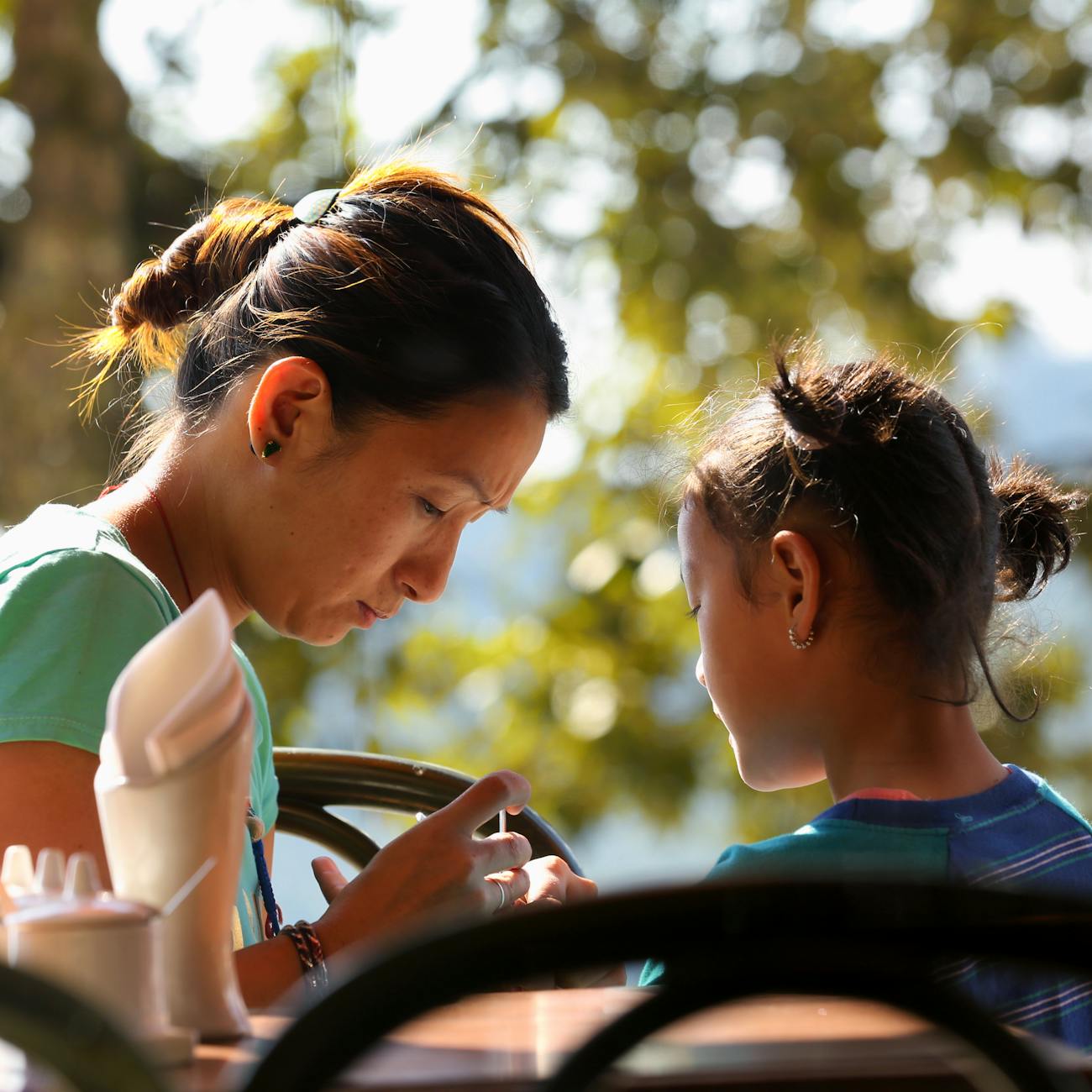
Emotional Development: Emotional development refers to the process through which children learn to recognize, express, and regulate their emotions. It involves the development of emotional intelligence, empathy, and social skills.
Supporting Children's Emotional Development: Supporting children's emotional development involves creating a nurturing and responsive environment that helps children build a strong foundation for emotional well-being. It includes providing children with opportunities to explore and express their emotions, teaching them coping strategies, and fostering positive relationships.
Parent Education: Parent education refers to programs and resources that aim to help parents develop the knowledge, skills, and confidence to support their children's development effectively. It can include workshops, classes, and counseling sessions on various parenting topics.
Bilingualism: Bilingualism refers to the ability to speak and understand two languages proficiently. Children who are raised in bilingual environments have the opportunity to develop fluency in both languages.
Emotional Intelligence: Emotional intelligence refers to the ability to recognize, understand, and manage one's own emotions as well as the emotions of others. It involves skills such as empathy, self-awareness, and effective communication.
Empathy: Empathy is the ability to understand and share the feelings of others. It plays a crucial role in building positive relationships and fostering social connections.
Social Skills: Social skills refer to the abilities that enable individuals to interact effectively with others. They include skills such as communication, cooperation, and conflict resolution.
Nurturing Environment: A nurturing environment is one that is supportive, caring, and responsive to the needs of children. It provides a sense of security and promotes healthy emotional development.
Responsive Parenting: Responsive parenting involves being attuned to a child's needs and emotions and providing appropriate support and guidance. It involves listening actively, offering comfort, and setting boundaries effectively.
Emotion Regulation: Emotion regulation refers to the ability to manage and control one's emotions in a healthy and adaptive way. It involves strategies such as deep breathing, positive self-talk, and problem-solving.
Positive Relationships: Positive relationships are those that are characterized by trust, respect, and open communication. They play a crucial role in supporting children's emotional development and well-being.
Coping Strategies: Coping strategies are techniques that individuals use to deal with stressful situations and manage their emotions effectively. They can include activities such as exercise, mindfulness, and talking to a trusted adult.
Challenges in Supporting Children's Emotional Development: There are various challenges that parents and caregivers may face when supporting children's emotional development, including lack of knowledge or resources, conflicting parenting styles, and external stressors such as work or financial pressures.
Practical Applications: Some practical ways to support children's emotional development include creating a daily routine that promotes stability and predictability, modeling positive emotional expression, and providing opportunities for children to practice empathy and problem-solving.
Examples: For example, parents can help children develop emotional intelligence by labeling emotions and discussing how to cope with them effectively. They can also encourage children to express their feelings through art, play, or journaling.
Key Terms: Some key terms related to supporting children's emotional development include emotional intelligence, empathy, social skills, nurturing environment, responsive parenting, emotion regulation, positive relationships, coping strategies, and challenges.
Vocabulary: It is essential for parents and caregivers to familiarize themselves with the vocabulary and key terms related to children's emotional development in order to effectively support their child's emotional well-being and growth.
Key takeaways
- Emotional Development: Emotional development refers to the process through which children learn to recognize, express, and regulate their emotions.
- Supporting Children's Emotional Development: Supporting children's emotional development involves creating a nurturing and responsive environment that helps children build a strong foundation for emotional well-being.
- Parent Education: Parent education refers to programs and resources that aim to help parents develop the knowledge, skills, and confidence to support their children's development effectively.
- Children who are raised in bilingual environments have the opportunity to develop fluency in both languages.
- Emotional Intelligence: Emotional intelligence refers to the ability to recognize, understand, and manage one's own emotions as well as the emotions of others.
- It plays a crucial role in building positive relationships and fostering social connections.
- Social Skills: Social skills refer to the abilities that enable individuals to interact effectively with others.