
Techniques for Documenting Cultural Heritage Sites
Techniques for Documenting Cultural Heritage Sites
Techniques for Documenting Cultural Heritage Sites
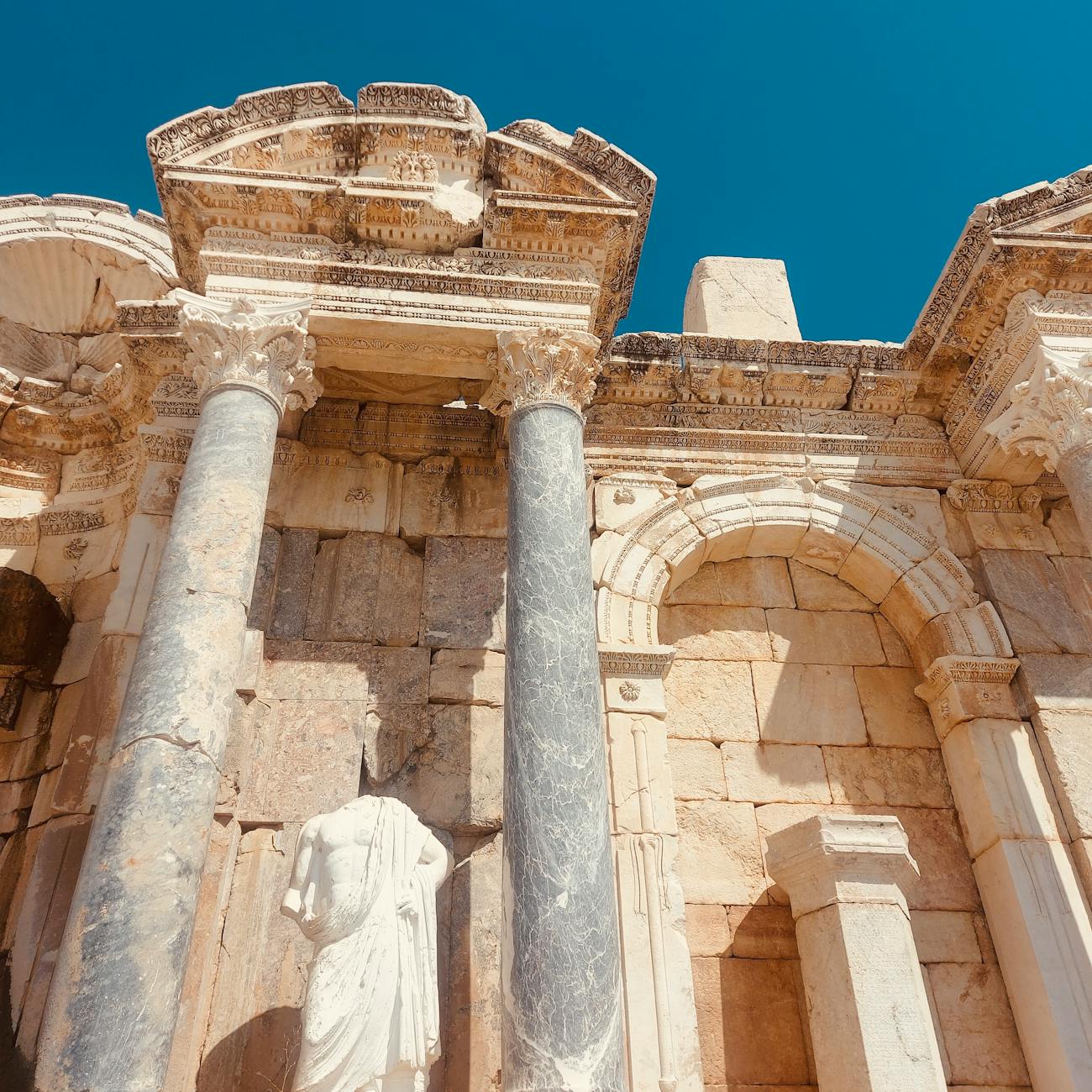
Cultural heritage sites are invaluable resources that provide insight into the history, traditions, and values of societies past and present. Documenting these sites is crucial for preservation, education, and management purposes. The following key terms and vocabulary are essential to understanding the techniques for documenting cultural heritage sites in the Professional Certificate in Cultural Heritage Documentation:
1. Cultural Heritage: Cultural heritage refers to the legacy of physical artifacts and intangible attributes of a group or society that are inherited from past generations, maintained in the present, and bestowed for the benefit of future generations. 2. Cultural Heritage Site: A cultural heritage site is a location that has been recognized for its cultural, historical, or archaeological significance. These sites can include buildings, monuments, landscapes, and archaeological sites. 3. Documentation: Documentation is the process of recording, analyzing, and preserving information about cultural heritage sites. It can include a range of activities such as mapping, photography, written descriptions, and 3D modeling. 4. Archaeology: Archaeology is the study of human activity through the examination of physical remains, including artifacts, buildings, and other cultural features. 5. Cultural Resource Management (CRM): CRM is the process of managing cultural resources in a way that preserves their significance and ensures their continued use and enjoyment by present and future generations. 6. Photogrammetry: Photogrammetry is the science of making measurements from photographs, especially for recovering the exact positions of surface points. It is commonly used in 3D modeling and mapping of cultural heritage sites. 7. Remote Sensing: Remote sensing is the acquisition of information about the Earth's surface and atmosphere through the use of sensors that are not in direct contact with the object or area being observed. This technology is often used in the documentation of cultural heritage sites. 8. Geographic Information System (GIS): A GIS is a system that captures, stores, analyzes, manages, and presents data related to positions on Earth's surface. It is commonly used in the documentation and management of cultural heritage sites. 9. 3D Modeling: 3D modeling is the process of creating a mathematical representation of a three-dimensional object or scene. It is often used in the documentation of cultural heritage sites to create accurate representations of buildings, monuments, and other structures. 10. Laser Scanning: Laser scanning is a remote sensing method that uses laser light to measure the distance between the scanner and the object being scanned. It is commonly used in the documentation of cultural heritage sites for creating highly accurate 3D models. 11. Stratigraphy: Stratigraphy is the study of layered rocks or soil and the identification and interpretation of the relative ages and relationships of those layers. It is an essential technique in archaeology for understanding the chronological sequence of events at a site. 12. Dendrochronology: Dendrochronology is the study of tree rings to determine the age of a tree or the history of the climate and environment in which the tree grew. It is often used in archaeology to date wooden artifacts and structures. 13. Radiocarbon Dating: Radiocarbon dating is a method for determining the age of an object containing organic material by measuring the amount of carbon-14 remaining in the material. It is commonly used in archaeology to date artifacts and structures. 14. Conservation: Conservation is the process of preserving, protecting, and managing cultural heritage sites and artifacts for the benefit of present and future generations. 15. Restoration: Restoration is the process of returning a cultural heritage site or artifact to its original condition or appearance. 16. Reconstruction: Reconstruction is the process of creating a new version of a cultural heritage site or artifact based on historical evidence and documentation. 17. Adaptive Reuse: Adaptive reuse is the process of repurposing a cultural heritage site or artifact for a new use while preserving its historical and cultural significance. 18. Public Engagement: Public engagement is the process of involving the public in the documentation, management, and preservation of cultural heritage sites.
Examples:
* A team of archaeologists uses photogrammetry, remote sensing, and GIS to document a newly discovered ancient city in the jungle. * A conservator uses laser scanning and 3D modeling to create an accurate representation of a damaged monument for restoration purposes. * A museum uses dendrochronology to date a wooden artifact and radiocarbon dating to date a textile artifact. * A historic building is adaptively reused as a community center, preserving its historical and cultural significance while providing a valuable resource for the community.
Practical Applications:
* Using photogrammetry to create 3D models of cultural heritage sites for preservation and education purposes. * Using remote sensing and GIS to map and analyze cultural heritage sites and landscapes. * Using laser scanning and 3D modeling to create accurate representations of cultural heritage sites and artifacts for conservation and restoration purposes. * Using dendrochronology and radiocarbon dating to date artifacts and structures in archaeological sites. * Using adaptive reuse to preserve historic buildings and sites while providing valuable resources for communities.
Challenges:
* Funding for cultural heritage documentation and preservation is often limited. * Access to cultural heritage sites can be restricted due to political, cultural, or environmental factors. * Climate change and natural disasters can pose significant threats to cultural heritage sites. * The documentation and preservation of cultural heritage sites can be controversial, with different stakeholders having different opinions and interests.
Conclusion:
Understanding the key terms and vocabulary used in the documentation of cultural heritage sites is essential for anyone involved in the field. From archaeology to conservation, these techniques are critical for preserving the legacy of past generations and ensuring their continued use and enjoyment by present and future generations. While there are challenges to face, the benefits of cultural heritage documentation and preservation are immeasurable.
Key takeaways
- Cultural heritage sites are invaluable resources that provide insight into the history, traditions, and values of societies past and present.
- Cultural Resource Management (CRM): CRM is the process of managing cultural resources in a way that preserves their significance and ensures their continued use and enjoyment by present and future generations.
- * A historic building is adaptively reused as a community center, preserving its historical and cultural significance while providing a valuable resource for the community.
- * Using laser scanning and 3D modeling to create accurate representations of cultural heritage sites and artifacts for conservation and restoration purposes.
- * The documentation and preservation of cultural heritage sites can be controversial, with different stakeholders having different opinions and interests.
- From archaeology to conservation, these techniques are critical for preserving the legacy of past generations and ensuring their continued use and enjoyment by present and future generations.