
Documenting Intangible Cultural Heritage
Intangible Cultural Heritage (ICH) refers to cultural practices and expressions that are passed down through generations, including traditional music, dance, festivals, crafts, foodways, and languages. ICH is often associated with a sense o…
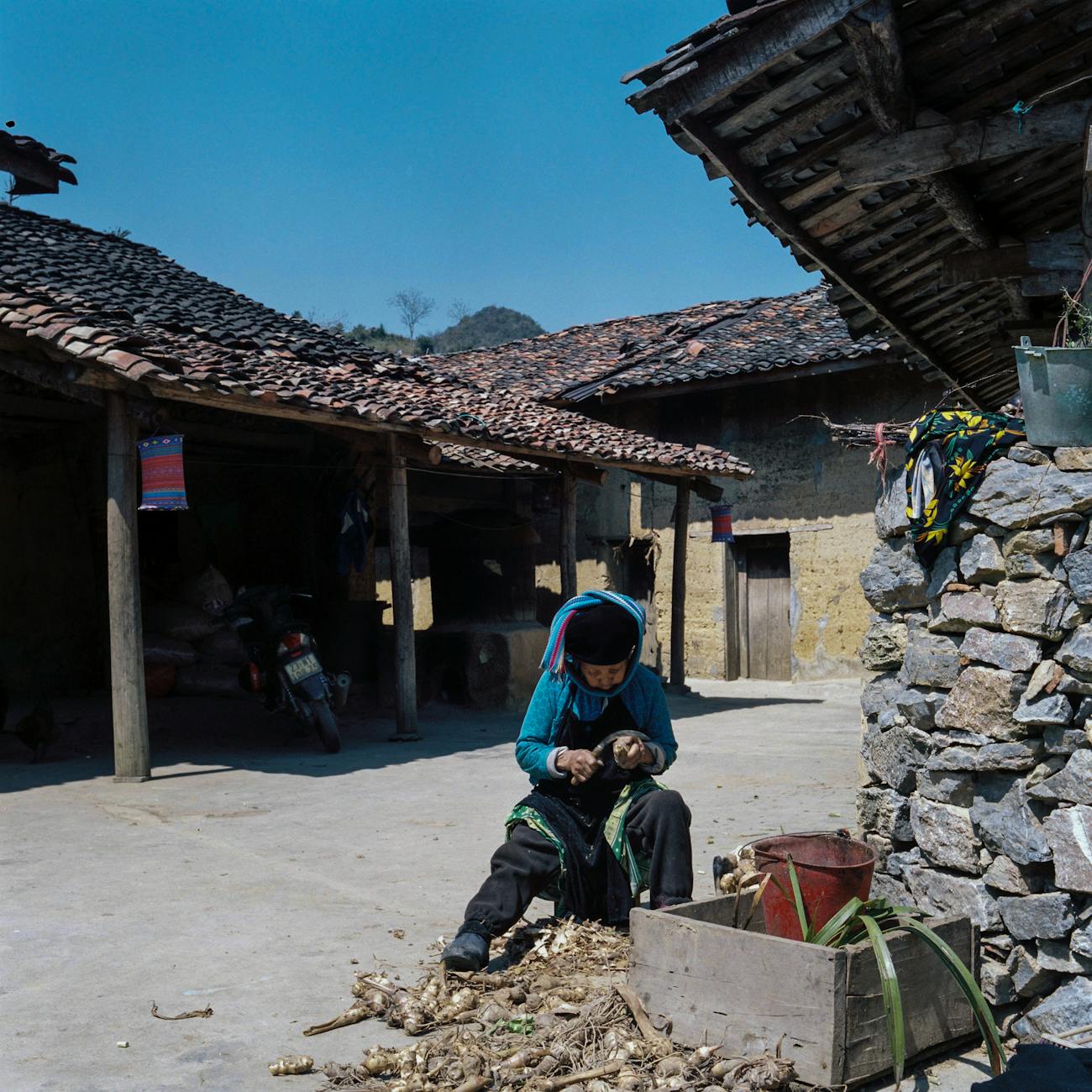
Intangible Cultural Heritage (ICH) refers to cultural practices and expressions that are passed down through generations, including traditional music, dance, festivals, crafts, foodways, and languages. ICH is often associated with a sense of identity and continuity for communities, and it is increasingly recognized as an important aspect of cultural diversity and heritage conservation.
The following key terms and vocabulary are essential for documenting ICH in the context of the Professional Certificate in Cultural Heritage Documentation:
1. Community-based inventorying: A process of identifying, documenting, and cataloging ICH that involves community members in all stages of the process. Community-based inventorying is a collaborative and participatory approach that prioritizes local knowledge and expertise. 2. Cultural context: The social, historical, and environmental factors that shape ICH. Understanding the cultural context of ICH is essential for accurate and meaningful documentation. 3. Cultural element: A specific aspect of ICH, such as a song, dance, or craft technique. Cultural elements are often interconnected and interdependent, and they reflect the cultural context in which they exist. 4. Cultural heritage database: A digital repository for storing and managing ICH documentation. A cultural heritage database should be accessible, searchable, and interoperable with other databases. 5. Cultural heritage documentation: The process of creating written, visual, or audiovisual records of ICH. Cultural heritage documentation can take many forms, including textual descriptions, photographs, videos, and audio recordings. 6. Cultural heritage specialist: A professional who is trained in the documentation, conservation, and management of ICH. Cultural heritage specialists may work for museums, cultural organizations, or government agencies. 7. Cultural mapping: The process of visualizing the geographic distribution and cultural significance of ICH. Cultural mapping can help communities and heritage specialists understand the relationships between ICH and place. 8. Cultural policy: Government regulations and initiatives that support the conservation and promotion of ICH. Cultural policy can include laws, funding programs, and educational initiatives. 9. Cultural property: A tangible or intangible cultural resource that has historical, artistic, or scientific value. Cultural property is often protected by law and regulations. 10. Cultural tourism: The practice of traveling to experience and learn about different cultures. Cultural tourism can provide economic benefits to communities, but it can also pose challenges to the conservation of ICH. 11. Ethnographic documentation: The process of recording and analyzing cultural practices and expressions through observation, interviews, and other research methods. Ethnographic documentation is a common approach in ICH documentation. 12. Intangible cultural heritage element: A specific expression or practice of ICH that is recognized by UNESCO as meeting the criteria for inclusion on the Representative List of the Intangible Cultural Heritage of Humanity. 13. Inventorying: The process of identifying, documenting, and cataloging ICH. Inventorying is an essential first step in the documentation process. 14. Living heritage: A term used by UNESCO to emphasize the dynamic and evolving nature of ICH. Living heritage is practiced, performed, and transmitted by communities, and it is constantly adapting to changing social, cultural, and environmental contexts. 15. Multimedia documentation: The use of multiple forms of media, such as text, images, audio, and video, to document ICH. Multimedia documentation can provide a more comprehensive and nuanced understanding of ICH than a single form of media. 16. Oral history: The practice of recording and preserving personal narratives and memories. Oral history is a common approach in ICH documentation, particularly for documenting languages and traditional knowledge. 17. Participatory documentation: A collaborative approach to ICH documentation that involves community members in the documentation process. Participatory documentation can help ensure that documentation is accurate, relevant, and meaningful to the community. 18. Preservation: The process of protecting and conserving ICH for future generations. Preservation can include a range of activities, such as documentation, education, and community engagement. 19. Representative List of the Intangible Cultural Heritage of Humanity: A list of ICH elements that are recognized by UNESCO as meeting the criteria for inclusion. The list is intended to promote awareness and understanding of ICH and to encourage its conservation and promotion. 20. Safeguarding: The process of ensuring the viability and sustainability of ICH. Safeguarding can include a range of activities, such as documentation, education, and community engagement. 21. Significance: The cultural, historical, or artistic value of ICH. Determining the significance of ICH is an essential part of the documentation process. 22. Sustainability: The ability of ICH to adapt and evolve in response to changing social, cultural, and environmental contexts. Sustainability is an essential component of ICH preservation and safeguarding. 23. Traditional knowledge: The knowledge, skills, and practices that are passed down through generations within communities. Traditional knowledge is often associated with ICH and is an essential component of many cultural practices and expressions. 24. Transmission: The process of passing down ICH from one generation to the next. Transmission can take many forms, such as oral teaching, apprenticeship, and mentoring. 25. UNESCO: The United Nations Educational, Scientific and Cultural Organization. UNESCO is a specialized agency of the United Nations that is responsible for promoting education, science, and culture. UNESCO is actively involved in the documentation, conservation, and promotion of ICH.
Examples:
* Community-based inventorying can involve community members in the identification and documentation of ICH elements, such as traditional dances, music, and crafts. This approach can help ensure that documentation is accurate, relevant, and meaningful to the community. * Cultural mapping can help communities and heritage specialists understand the relationships between ICH and place. For example, a cultural map of a traditional music festival might show the locations of performances, workshops, and vendors, as well as the cultural significance of each location. * Participatory documentation can involve community members in the documentation process, such as conducting interviews, taking photographs, and creating videos. This approach can help ensure that documentation is accurate, relevant, and meaningful to the community. * Multimedia documentation can provide a more comprehensive and nuanced understanding of ICH than a single form of media. For example, a multimedia documentation project on a traditional craft might include textual descriptions, photographs, videos, and audio recordings of the craft being practiced. * Oral history can be an essential tool for documenting languages and traditional knowledge. For example, recording the personal narratives and memories of community elders can provide valuable insights into the history, culture, and traditions of a community.
Practical Applications:
* Cultural heritage specialists can use community-based inventorying and participatory documentation to engage with communities and gather accurate and relevant information about ICH elements. * Cultural mapping can help communities and heritage specialists visualize the geographic distribution and cultural significance of ICH elements. * Multimedia documentation can provide a more comprehensive and nuanced understanding of ICH elements than a single form of media. * Oral history can be an essential tool for documenting languages and traditional knowledge.
Challenges:
* Engaging with communities and ensuring their participation in the documentation process can be challenging. * Accurately documenting ICH elements can be difficult due to the dynamic and evolving nature of ICH. * Ensuring the sustainability and viability of ICH elements can be challenging, particularly in the face of globalization and cultural homogenization.
In conclusion, documenting ICH is a complex and multifaceted process that requires a deep understanding of the cultural context, significance, and transmission of ICH elements. The key terms and vocabulary outlined above provide a foundation for understanding the documentation process and can help cultural heritage specialists engage with communities, gather accurate and relevant information, and ensure the sustainability and viability of ICH elements. By using community-based inventorying, participatory documentation, multimedia documentation, and oral history, cultural heritage specialists can create comprehensive and nuanced records of ICH elements that can be preserved and promoted for future generations.
Key takeaways
- Intangible Cultural Heritage (ICH) refers to cultural practices and expressions that are passed down through generations, including traditional music, dance, festivals, crafts, foodways, and languages.
- Intangible cultural heritage element: A specific expression or practice of ICH that is recognized by UNESCO as meeting the criteria for inclusion on the Representative List of the Intangible Cultural Heritage of Humanity.
- For example, a cultural map of a traditional music festival might show the locations of performances, workshops, and vendors, as well as the cultural significance of each location.
- * Cultural heritage specialists can use community-based inventorying and participatory documentation to engage with communities and gather accurate and relevant information about ICH elements.
- * Ensuring the sustainability and viability of ICH elements can be challenging, particularly in the face of globalization and cultural homogenization.
- In conclusion, documenting ICH is a complex and multifaceted process that requires a deep understanding of the cultural context, significance, and transmission of ICH elements.