
Legal and Ethical Considerations in Cultural Heritage Documentation
Cultural Heritage Documentation (CHD) involves the documentation and preservation of cultural heritage sites, artifacts, and traditions. Legal and ethical considerations are crucial in CHD to ensure that the documentation is carried out in …
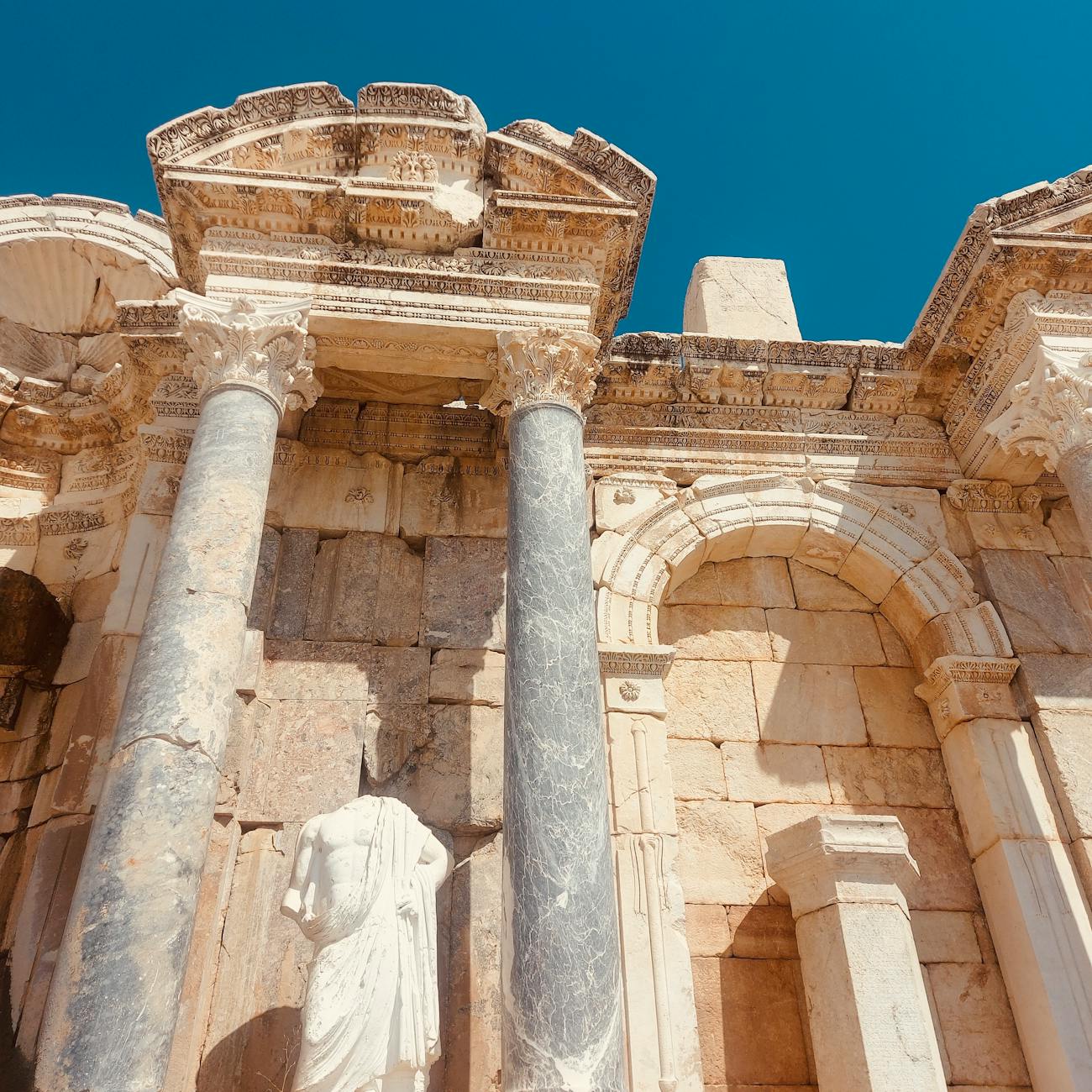
Cultural Heritage Documentation (CHD) involves the documentation and preservation of cultural heritage sites, artifacts, and traditions. Legal and ethical considerations are crucial in CHD to ensure that the documentation is carried out in a responsible and respectful manner, and that the rights and interests of communities, individuals, and nations are protected. This explanation will cover key terms and vocabulary related to legal and ethical considerations in CHD.
1. Cultural Heritage: Cultural heritage refers to the tangible and intangible heritage of a community or nation, including buildings, monuments, artifacts, traditions, and knowledge. Cultural heritage is a valuable resource that reflects the history, identity, and values of a community or nation. 2. Documentation: Documentation in CHD involves the creation of records, images, and other forms of data about cultural heritage sites, artifacts, and traditions. Documentation can serve various purposes, including preservation, research, education, and management. 3. Legal Considerations: Legal considerations in CHD involve the application of laws, regulations, and policies that govern the documentation and preservation of cultural heritage. Legal considerations may include intellectual property rights, ownership, access, and liability. 4. Ethical Considerations: Ethical considerations in CHD involve the application of ethical principles and standards that guide the documentation and preservation of cultural heritage. Ethical considerations may include respect for cultural values, informed consent, community engagement, and social responsibility. 5. Intellectual Property Rights: Intellectual property rights refer to the legal rights that protect the creations of the mind, such as literature, art, and inventions. In CHD, intellectual property rights may include copyright, trademarks, and patents. Intellectual property rights can affect the documentation and use of cultural heritage, and it is essential to respect the rights of creators and owners. 6. Ownership: Ownership in CHD refers to the legal right to possess, use, and transfer cultural heritage. Ownership can affect the documentation and preservation of cultural heritage, and it is essential to respect the rights of owners. 7. Access: Access in CHD refers to the ability to access and use cultural heritage. Access can be affected by various factors, including ownership, intellectual property rights, and cultural sensitivities. It is essential to ensure that access to cultural heritage is fair, equitable, and respectful. 8. Liability: Liability in CHD refers to the legal responsibility for harm or damage to cultural heritage. Liability can affect the documentation and preservation of cultural heritage, and it is essential to ensure that appropriate measures are taken to minimize risk and prevent harm. 9. Cultural Values: Cultural values refer to the beliefs, customs, and traditions that are important to a community or nation. Cultural values can affect the documentation and preservation of cultural heritage, and it is essential to respect and honor these values. 10. Informed Consent: Informed consent in CHD refers to the process of obtaining permission from individuals or communities to document and preserve their cultural heritage. Informed consent involves providing information about the purpose, benefits, and risks of the documentation and ensuring that individuals or communities understand and agree to the documentation. 11. Community Engagement: Community engagement in CHD refers to the involvement of communities in the documentation and preservation of their cultural heritage. Community engagement can help ensure that the documentation is culturally sensitive, relevant, and meaningful to the community. 12. Social Responsibility: Social responsibility in CHD refers to the obligation to act in the best interests of society and the environment. Social responsibility can involve promoting diversity, equity, and inclusion, reducing harm and negative impacts, and contributing to sustainable development.
Examples and Practical Applications:
* A museum wants to document and display a traditional artifact from a local community. The museum must obtain informed consent from the community, respect their cultural values, and ensure that the artifact is returned after the exhibition. * An archaeological site contains ancient artifacts that are owned by the government. The government must ensure that the site is documented and preserved in a responsible manner, respecting intellectual property rights and cultural values. * A researcher wants to document and analyze a traditional music genre from a community. The researcher must engage with the community, obtain informed consent, and respect their cultural values and intellectual property rights.
Challenges:
* Balancing legal and ethical considerations can be challenging, as they may conflict in some cases. For example, intellectual property rights may limit access to cultural heritage, while community engagement may require sharing cultural knowledge. * Ensuring respect for cultural values and traditions can be challenging, as they may differ across communities and nations. It is essential to be sensitive to these differences and to work collaboratively with communities to ensure that their cultural heritage is documented and preserved in a respectful manner. * Addressing power imbalances and promoting equity and inclusion can be challenging in CHD. It is essential to ensure that all voices are heard and that the documentation and preservation of cultural heritage is inclusive and representative of diverse communities.
Conclusion:
Legal and ethical considerations are crucial in CHD to ensure that the documentation and preservation of cultural heritage is carried out in a responsible and respectful manner. Understanding key terms and vocabulary related to legal and ethical considerations can help CHD professionals navigate the complex landscape of CHD and promote the sustainable preservation of cultural heritage for future generations.
Key takeaways
- Legal and ethical considerations are crucial in CHD to ensure that the documentation is carried out in a responsible and respectful manner, and that the rights and interests of communities, individuals, and nations are protected.
- Informed consent involves providing information about the purpose, benefits, and risks of the documentation and ensuring that individuals or communities understand and agree to the documentation.
- The government must ensure that the site is documented and preserved in a responsible manner, respecting intellectual property rights and cultural values.
- It is essential to be sensitive to these differences and to work collaboratively with communities to ensure that their cultural heritage is documented and preserved in a respectful manner.
- Understanding key terms and vocabulary related to legal and ethical considerations can help CHD professionals navigate the complex landscape of CHD and promote the sustainable preservation of cultural heritage for future generations.