
Unit 3: Space Planning for Different Functions
In Unit 3 of the Professional Certificate in Space Planning Standards, learners will explore key terms and vocabulary related to space planning for different functions. Below is a detailed explanation of essential terms and concepts, along …
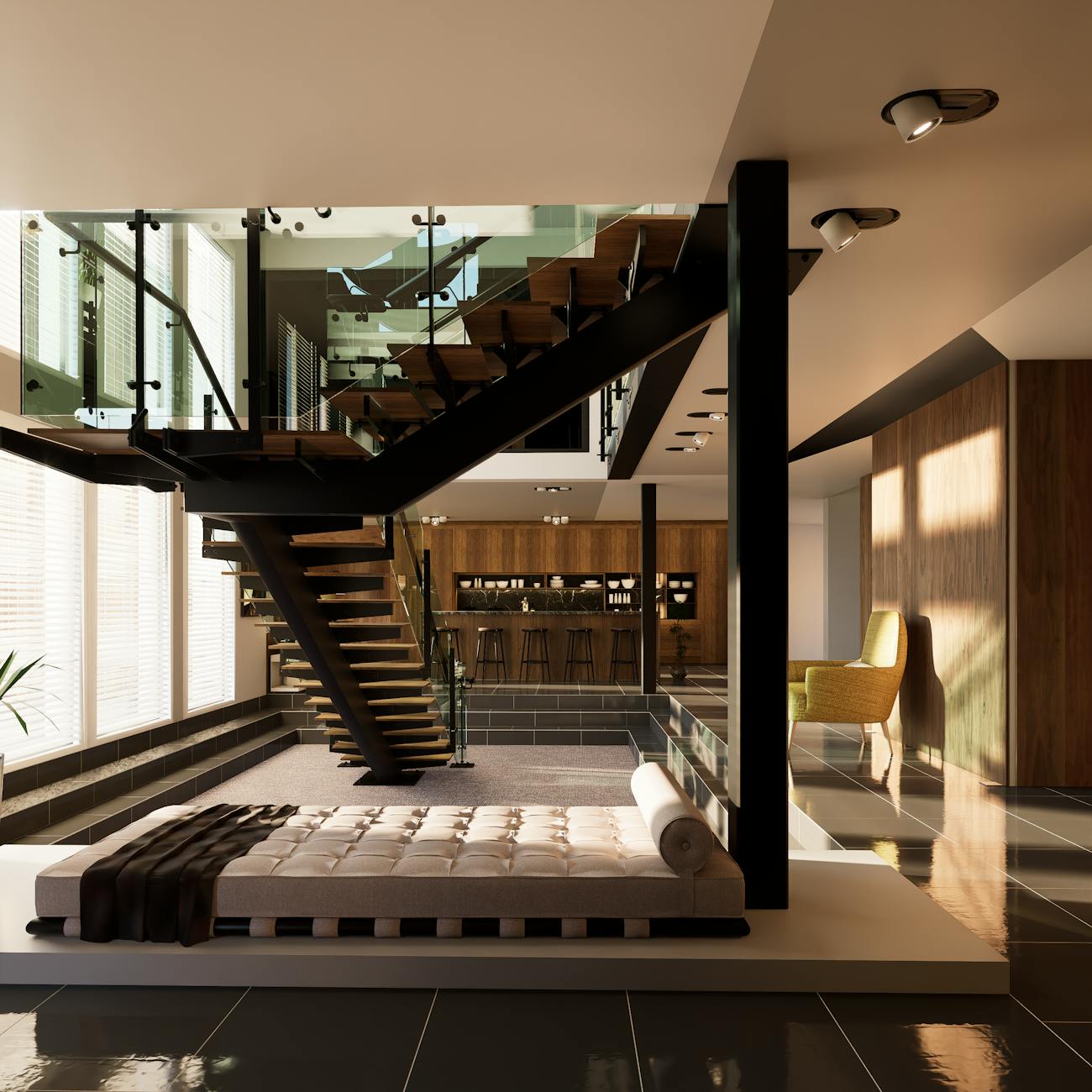
In Unit 3 of the Professional Certificate in Space Planning Standards, learners will explore key terms and vocabulary related to space planning for different functions. Below is a detailed explanation of essential terms and concepts, along with practical applications and challenges.
Circulation space: Circulation space refers to the areas in a building or interior design that allow for movement, such as hallways, corridors, and stairs. Proper circulation space ensures efficient movement of occupants and minimizes congestion.
Example: In an office environment, circulation space is essential for employees to move around desks, meeting rooms, and other functional spaces.
Challenge: Consider a crowded shopping mall during peak hours. Identify areas where circulation space is inadequate and suggest improvements.
Adjacency: Adjacency refers to the spatial relationship between two or more functions or areas. Placing related or interdependent functions in close proximity can enhance efficiency and communication.
Example: In a school, classrooms should be adjacent to administrative offices and support spaces, such as restrooms and storage areas.
Challenge: Design a small library with defined adjacencies between different functional areas.
Flexibility: Flexibility in space planning refers to the ability to adapt a space to various functions and needs over time. This is achieved through modular design, movable partitions, and adaptable infrastructure.
Example: An open-plan office with modular workstations and adjustable lighting can accommodate different team configurations and work styles.
Challenge: Consider a community center that must serve multiple purposes, such as events, sports, and classes. Design a flexible space plan.
Privacy: Privacy in space planning refers to the degree of separation or isolation provided for specific functions or individuals. This can range from visual privacy to auditory and spatial privacy.
Example: In a healthcare facility, privacy is crucial for patient consultation rooms to ensure confidentiality and comfort.
Challenge: Design a workspace for a marketing firm that balances the need for collaboration with the necessity for individual focus and privacy.
Safety: Safety in space planning involves designing spaces that minimize risks and hazards for occupants. This includes proper egress planning, fire safety, and injury prevention.
Example: In a restaurant, safety considerations include clear evacuation routes, fire suppression systems, and slip-resistant flooring.
Challenge: Identify safety concerns in a daycare center and suggest improvements to the space plan.
Accessibility: Accessibility refers to the design of spaces that enable equal use and participation by people of all ages and abilities. This includes compliance with building codes and standards for wheelchair access, signage, and lighting.
Example: An accessible office space would include wheelchair-friendly pathways, accessible restrooms, and clear signage.
Challenge: Review the Americans with Disabilities Act (ADA) guidelines and apply them to the design of a public park.
Sustainability: Sustainability in space planning involves designing spaces that minimize environmental impact, conserve resources, and promote well-being. This includes energy-efficient systems, sustainable materials, and biophilic design elements.
Example: A sustainable office space might incorporate natural light, energy-efficient appliances, and native plant species.
Challenge: Design a waiting room for a dental clinic that incorporates sustainable features while maintaining patient comfort and privacy.
Lighting: Lighting in space planning involves the strategic use of natural and artificial light to enhance functionality, aesthetics, and user comfort. This includes task lighting, ambient lighting, and accent lighting.
Example: In a classroom, task lighting at desks, ambient lighting for overall illumination, and accent lighting for artwork or displays can create a well-lit and visually appealing environment.
Challenge: Evaluate the lighting in a retail store and suggest improvements for better product display and customer experience.
Acoustics: Acoustics in space planning involve the control of sound within a space to enhance communication, comfort, and productivity. This includes sound absorption, insulation, and masking.
Example: In an open-plan office, sound-absorbing materials, partitions, and white noise machines can help reduce distractions and improve focus.
Challenge: Design a recording studio with optimal acoustic properties for music production.
Color psychology: Color psychology in space planning involves the use of color to influence mood, behavior, and perception. This includes understanding the emotional and psychological effects of different colors.
Example: In a spa, calming colors like blue and green can create a relaxing atmosphere.
Challenge: Design a children's play area using color psychology to promote energy, creativity, and engagement.
Furniture: Furniture in space planning involves selecting and arranging furniture to support the function, aesthetics, and user experience of a space. This includes ergonomic considerations, style, and material.
Example: In a library, comfortable seating, adjustable tables, and good task lighting can create an inviting and functional study environment.
Challenge: Design a coworking space that incorporates flexible and ergonomic furniture for various work styles and needs.
Artwork: Artwork in space planning involves the strategic use of visual art to enhance aesthetics, create a sense of identity, and promote well-being. This includes selecting appropriate pieces, sizes, and placements.
Example: In a hotel lobby, carefully curated artwork can create a welcoming and memorable first impression for guests.
Challenge: Design a hospital waiting room that incorporates artwork to reduce stress and anxiety for patients and visitors.
Signage: Signage in space planning involves the use of visual cues and wayfinding systems to guide occupants through a space. This includes regulatory signs, directional signs, and identification signs.
Example: In a museum, clear and intuitive signage can help visitors navigate exhibits and find amenities.
Challenge: Design a signage system for a large university campus that is easy to understand and visually appealing.
In conclusion, understanding key terms and vocabulary in space planning for different functions is essential for creating efficient, safe, and engaging environments. By applying these concepts in practical applications and challenges, learners can enhance their space planning skills and contribute to better user experiences.
Key takeaways
- In Unit 3 of the Professional Certificate in Space Planning Standards, learners will explore key terms and vocabulary related to space planning for different functions.
- Circulation space: Circulation space refers to the areas in a building or interior design that allow for movement, such as hallways, corridors, and stairs.
- Example: In an office environment, circulation space is essential for employees to move around desks, meeting rooms, and other functional spaces.
- Identify areas where circulation space is inadequate and suggest improvements.
- Placing related or interdependent functions in close proximity can enhance efficiency and communication.
- Example: In a school, classrooms should be adjacent to administrative offices and support spaces, such as restrooms and storage areas.
- Challenge: Design a small library with defined adjacencies between different functional areas.