
Unit 10: Space Planning for Aesthetics and Functionality
Space planning is a critical aspect of interior design and architecture, which focuses on the organization and allocation of space within a building or interior environment. The primary goal of space planning is to create functional, effici…
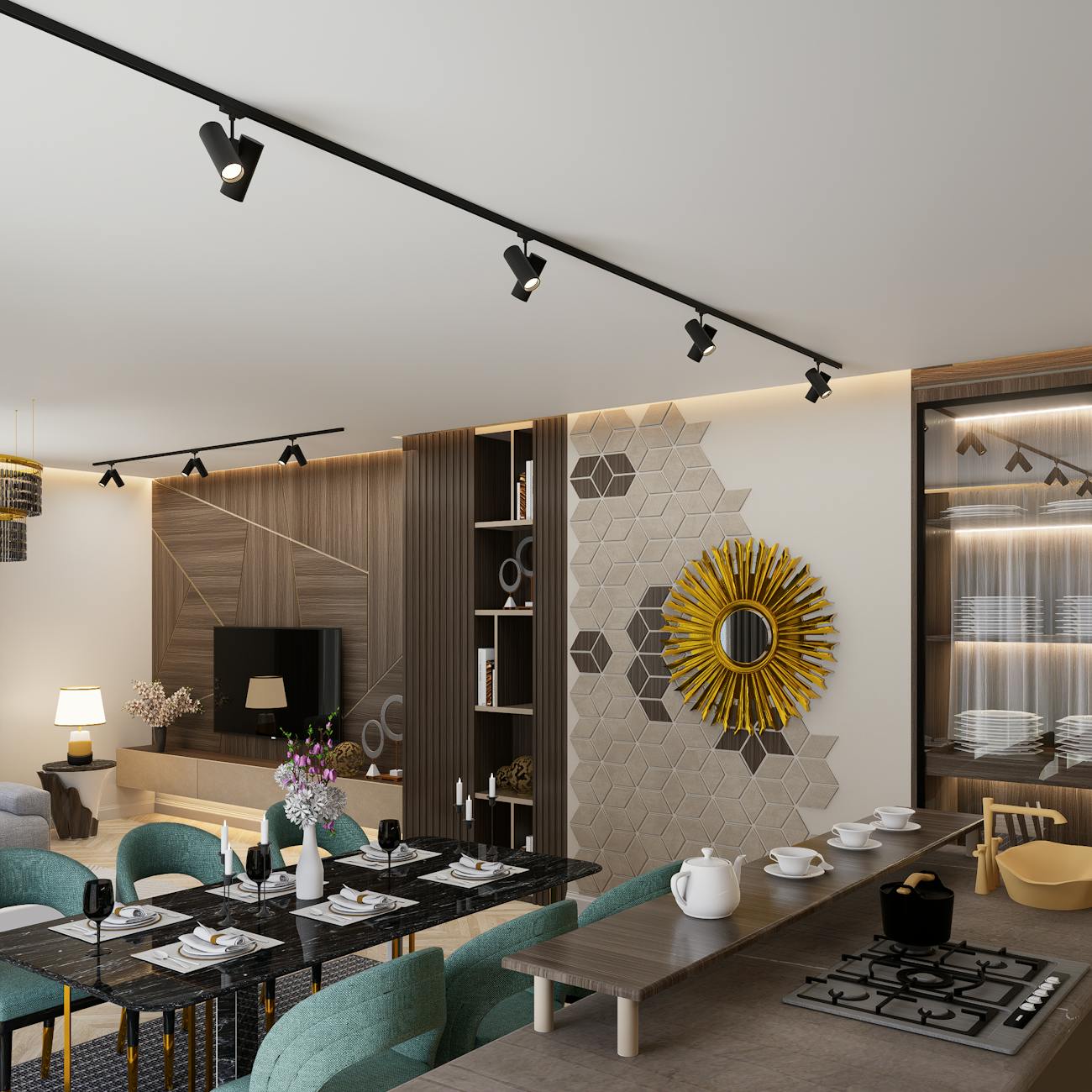
Space planning is a critical aspect of interior design and architecture, which focuses on the organization and allocation of space within a building or interior environment. The primary goal of space planning is to create functional, efficient, and aesthetically pleasing spaces that meet the needs of users. In this explanation, we will discuss some of the key terms and vocabulary related to space planning for aesthetics and functionality.
1. Functionality: Functionality refers to how well a space serves its intended purpose. In space planning, functionality is the most critical factor to consider. A well-designed space should be efficient, comfortable, and safe for users. It should also facilitate the activities that are intended to take place within it. For example, a classroom should be designed to promote learning, while a conference room should be designed to facilitate meetings and presentations. 2. Aesthetics: Aesthetics refer to the visual appearance of a space. A well-designed space should be visually appealing and create a positive impression on users. In space planning, aesthetics are achieved through the use of color, texture, lighting, and other design elements. The choice of design elements should be guided by the purpose of the space, the preferences of the users, and the overall design concept. 3. Circulation: Circulation refers to the movement of people and goods within a space. In space planning, circulation is critical to ensuring that users can move around the space efficiently and safely. Circulation spaces include corridors, stairways, elevators, and doorways. When planning for circulation, it is essential to consider the number of users, the frequency of use, and the type of activities that will take place in the space. 4. Space allocation: Space allocation refers to the division of space within a building or interior environment. In space planning, space allocation is used to create functional zones that support different activities. For example, a office space may include private offices, open plan workstations, meeting rooms, and breakout areas. The allocation of space should be guided by the purpose of the space, the needs of the users, and the available budget. 5. Flexibility: Flexibility refers to the ability of a space to adapt to changing needs over time. In space planning, flexibility is achieved through the use of adaptable design elements such as movable walls, modular furniture, and adjustable lighting. A flexible space can be easily reconfigured to accommodate different activities, users, and functions. 6. Ergonomics: Ergonomics refers to the design of spaces and products to fit the needs and capabilities of users. In space planning, ergonomics is critical to ensuring that users are comfortable and productive in the space. Ergonomic design considerations include the height of work surfaces, the placement of equipment, and the selection of furniture. 7. Sustainability: Sustainability refers to the design of spaces that minimize the impact on the environment. In space planning, sustainability is achieved through the use of energy-efficient lighting, sustainable materials, and passive design strategies such as natural ventilation and daylighting. 8. Accessibility: Accessibility refers to the design of spaces that are accessible to all users, including those with disabilities. In space planning, accessibility is critical to ensuring that users can move around the space safely and independently. Accessibility design considerations include the width of doorways, the height of countertops, and the placement of handrails. 9. Anthropometrics: Anthropometrics refers to the study of the measurements and dimensions of the human body. In space planning, anthropometrics is used to design spaces that fit the needs and capabilities of users. Anthropometric considerations include the height of work surfaces, the width of aisles, and the reach distance of equipment. 10. Wayfinding: Wayfinding refers to the design of spaces that help users navigate the environment. In space planning, wayfinding is critical to ensuring that users can find their way around the space efficiently and safely. Wayfinding design considerations include the use of signage, landmarks, and visual cues.
In summary, space planning is a critical aspect of interior design and architecture, which focuses on the organization and allocation of space within a building or interior environment. The key terms and vocabulary related to space planning for aesthetics and functionality include functionality, aesthetics, circulation, space allocation, flexibility, ergonomics, sustainability, accessibility, anthropometrics, and wayfinding. Understanding these terms and concepts is essential for creating functional, efficient, and aesthetically pleasing spaces that meet the needs of users.
Examples:
* A well-designed classroom should have sufficient circulation space for students to move around safely and efficiently. * A flexible office space should be designed with adaptable design elements such as movable walls and modular furniture to accommodate changing needs over time. * An ergonomic workstation should be designed with the height of the work surface, the placement of equipment, and the selection of furniture to fit the needs and capabilities of the user.
Practical applications:
* When planning a space, consider the functionality of the space and how it will support the intended activities. * Use aesthetics to create a visually appealing space that creates a positive impression on users. * Plan for circulation to ensure that users can move around the space efficiently and safely. * Allocate space to create functional zones that support different activities. * Incorporate flexibility into the design to allow for easy reconfiguration. * Use ergonomics to ensure that users are comfortable and productive in the space. * Consider sustainability to minimize the impact on the environment. * Ensure accessibility to accommodate all users, including those with disabilities. * Use anthropometrics to design spaces that fit the needs and capabilities of users. * Use wayfinding to help users navigate the space efficiently and safely.
Challenges:
* Balancing functionality and aesthetics can be challenging, as the two often compete for space and resources. * Meeting the needs of all users, including those with disabilities, can be challenging due to the wide range of abilities and preferences. * Incorporating sustainability into the design can be challenging due to the high cost of sustainable materials and technologies. * Ensuring accessibility can be challenging due to the need to meet a wide range of regulatory requirements and standards. * Balancing flexibility and stability can be challenging, as flexible spaces may require more frequent maintenance and upkeep.
In conclusion, space planning is a complex and multifaceted discipline that requires a deep understanding of a wide range of terms and concepts. By understanding the key terms and vocabulary related to space planning for aesthetics and functionality, designers can create functional, efficient, and aesthetically pleasing spaces that meet the needs of users. While there are challenges to consider, with careful planning and attention to detail, designers can create spaces that are both beautiful and functional.
Key takeaways
- Space planning is a critical aspect of interior design and architecture, which focuses on the organization and allocation of space within a building or interior environment.
- In space planning, sustainability is achieved through the use of energy-efficient lighting, sustainable materials, and passive design strategies such as natural ventilation and daylighting.
- In summary, space planning is a critical aspect of interior design and architecture, which focuses on the organization and allocation of space within a building or interior environment.
- * An ergonomic workstation should be designed with the height of the work surface, the placement of equipment, and the selection of furniture to fit the needs and capabilities of the user.
- * When planning a space, consider the functionality of the space and how it will support the intended activities.
- * Meeting the needs of all users, including those with disabilities, can be challenging due to the wide range of abilities and preferences.
- By understanding the key terms and vocabulary related to space planning for aesthetics and functionality, designers can create functional, efficient, and aesthetically pleasing spaces that meet the needs of users.