
Unit 4: Space Standards and Guidelines
Space Standards and Guidelines are critical components in the design and planning of interior environments. They ensure that spaces are functional, safe, comfortable, and efficient, while also meeting the needs and expectations of building …
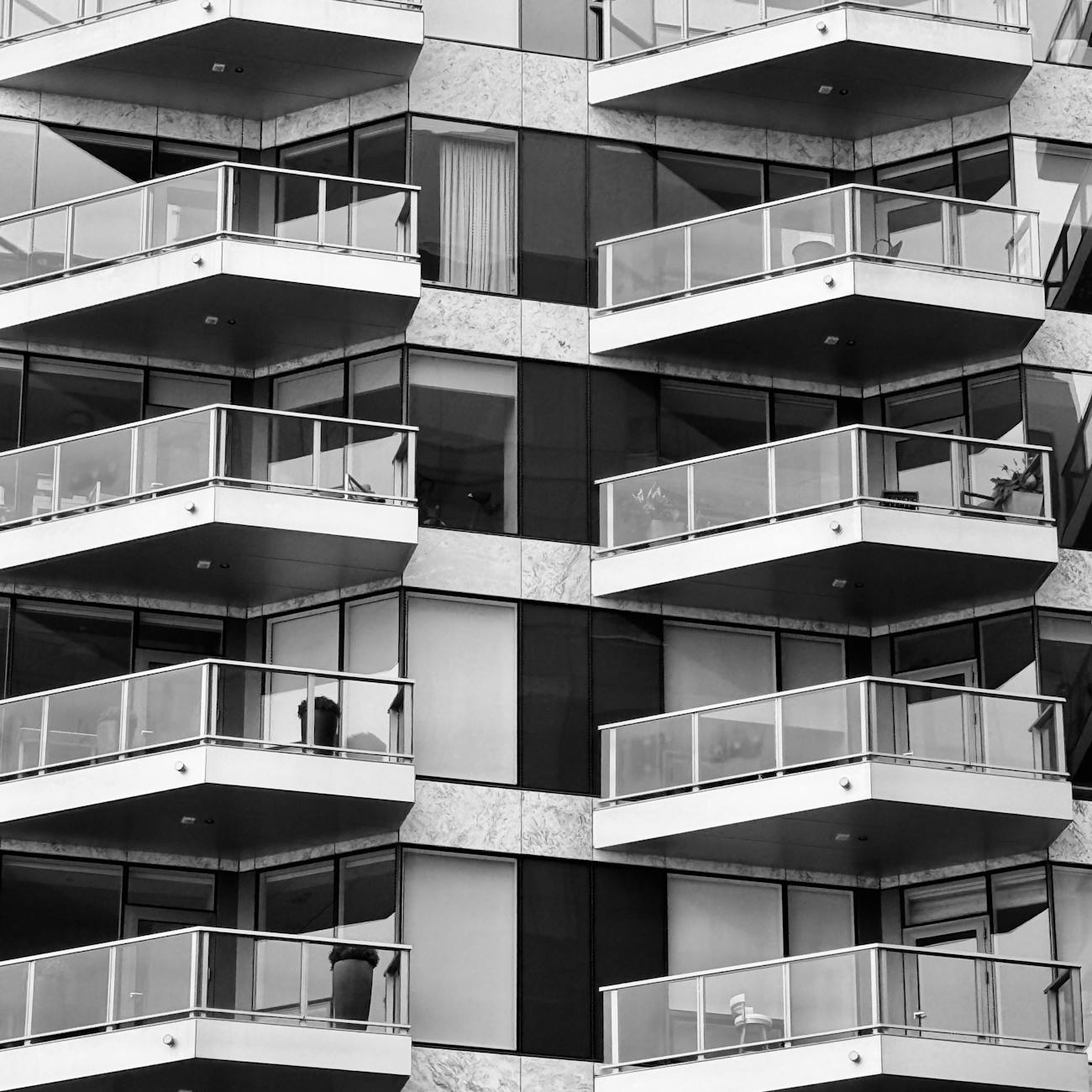
Space Standards and Guidelines are critical components in the design and planning of interior environments. They ensure that spaces are functional, safe, comfortable, and efficient, while also meeting the needs and expectations of building occupants. This article will explain some key terms and vocabulary related to Unit 4 of the Professional Certificate in Space Planning Standards.
Circulation Space: Circulation space refers to the area required for people to move around within a building or room. It includes corridors, stairways, aisles, and other areas where people walk or pass through. Circulation space is essential for ensuring safe and efficient movement of people, equipment, and furniture. It also helps to reduce congestion, improve accessibility, and enhance the overall functionality of a space.
Floor Area Ratio (FAR): Floor Area Ratio (FAR) is a planning and zoning term used to describe the relationship between the total floor area of a building and the size of the plot of land on which it is built. FAR is calculated by dividing the total floor area of a building by the total area of the site. For example, a building with a floor area of 10,000 square feet on a site of 20,000 square feet would have a FAR of 0.5. FAR is used to regulate the density and height of buildings in a particular area.
Net to Gross Ratio (N/G Ratio): Net to Gross Ratio (N/G Ratio) is a term used to describe the relationship between the net usable floor area of a building and the total gross floor area, including all walls, columns, and other structural elements. The N/G Ratio is calculated by dividing the net usable floor area by the gross floor area. For example, a building with a net usable floor area of 8,000 square feet and a gross floor area of 10,000 square feet would have an N/G Ratio of 0.8. The N/G Ratio is used to determine the efficiency of a building's design and layout.
Private vs. Public Spaces: Private spaces are areas that are accessible only to authorized personnel, such as offices, meeting rooms, and storage areas. Public spaces, on the other hand, are areas that are accessible to all building occupants and visitors, such as lobbies, reception areas, and public restrooms. The design and layout of private and public spaces differ significantly, with private spaces requiring more attention to privacy, security, and functionality, while public spaces require more focus on accessibility, aesthetics, and user experience.
Space Planning Standards: Space Planning Standards are guidelines and principles used to plan and design interior environments. They cover various aspects of space planning, including circulation space, floor area ratios, net to gross ratios, private vs. public spaces, and other critical factors that affect the functionality, safety, and efficiency of a space. Space Planning Standards are essential for ensuring consistency, uniformity, and best practices in space planning and design.
Workstation: A workstation is a designated area in an office or workspace that is used by an individual or a team to perform tasks and activities related to their job functions. Workstations can take various forms, including cubicles, open plan desks, benching systems, and private offices. The design and layout of workstations should consider factors such as ergonomics, privacy, acoustics, lighting, and technology integration.
Activity-based Working (ABW): Activity-based Working (ABW) is a flexible workplace strategy that allows employees to choose from a variety of workspaces based on their current task or activity. ABW environments typically include a mix of open plan desks, collaborative spaces, quiet zones, and meeting rooms, providing employees with the flexibility to work in the most suitable space for their needs. ABW has been shown to improve productivity, creativity, and employee satisfaction, while also reducing real estate costs and promoting collaboration and communication.
Universal Design: Universal Design is an approach to design that aims to create spaces and products that are accessible and usable by all people, regardless of their age, ability, or background. Universal Design principles include equitable use, flexibility in use, simple and intuitive use, perceptible information, tolerance for error, low physical effort, and size and space for approach and use. Universal Design is essential for ensuring that spaces are inclusive, accessible, and user-friendly for all building occupants.
Change Management: Change Management is the process of planning, implementing, and managing changes to a space or environment. Change Management is essential for ensuring that changes are implemented smoothly, efficiently, and with minimal disruption to building occupants. Change Management strategies may include communication, training, feedback, and evaluation, as well as technical and logistical planning.
Space Audit: A Space Audit is a comprehensive assessment of a building or space's current usage and efficiency. A Space Audit typically includes a review of the building's layout, design, and occupancy, as well as an analysis of space utilization, adjacencies, and circulation patterns. The goal of a Space Audit is to identify opportunities for optimization, consolidation, or reconfiguration of the space, as well as to identify any potential issues or challenges that may impact the functionality or efficiency of the space.
Space Utilization: Space Utilization refers to the degree to which a space is being used effectively and efficiently. Space Utilization is typically measured by analyzing various factors, such as occupancy rates, activity levels, and space standards. High Space Utilization is desirable as it indicates that the space is being used to its full potential and can help to reduce real estate costs and improve productivity and efficiency.
Adjacency: Adjacency refers to the relationship between two or more spaces in terms of their physical proximity and functional interdependence. Adjacencies can have a significant impact on the functionality and efficiency of a space, as well as on communication, collaboration, and interaction between building occupants. Careful consideration of adjacencies is essential in space planning and design.
Circulation Pattern: Circulation Pattern refers to the pathways and movement patterns that people follow within a space. Circulation Patterns can have a significant impact on the functionality and efficiency of a space, as well as on safety, accessibility, and user experience. Careful consideration of Circulation Patterns is essential in space planning and design.
Ergonomics: Ergonomics is the study of how people interact with their environment, including their workspaces and equipment. Ergonomics aims to design spaces and products that are safe, comfortable, and efficient for users, taking into account factors such as body mechanics, posture, and repetitive movements. Ergonomics is essential for ensuring that workspaces are user-friendly, productive, and free from injury or discomfort.
Flexibility: Flexibility refers to the ability of a space to adapt to changing needs and requirements over time. Flexible spaces can be reconfigured or modified to accommodate different activities, functions, or occupancy levels, providing greater versatility and longevity. Flexibility is essential for ensuring that spaces remain relevant, functional, and efficient over time.
Sustainability: Sustainability refers to the practice of designing and building spaces that are environmentally responsible, socially equitable, and economically viable. Sustainable spaces incorporate principles such as energy efficiency, water conservation, waste reduction, and material selection, with the goal of minimizing the environmental impact of the building while also providing a healthy, productive, and comfortable environment for building occupants.
Accessibility: Accessibility refers to the design and construction of spaces that are usable by people of all ages and abilities, including those with disabilities. Accessible spaces incorporate features such as ramps, elevators, wide doorways, and accessible restrooms, as well as communication and wayfinding systems, to ensure that all building occupants can move around safely and independently.
Productivity: Productivity refers to the efficiency and effectiveness of a space in supporting the activities and tasks of building occupants. Productive spaces are designed to minimize distractions, interruptions, and delays, while also providing the necessary tools, resources, and support to enable users to work efficiently and effectively.
Collaboration: Collaboration refers to the ability of building occupants to work together effectively and efficiently, sharing ideas, resources, and expertise to achieve common goals. Collaborative spaces are designed to facilitate communication, interaction, and teamwork, providing areas for formal and informal meetings, brainstorming sessions, and group projects.
Well-being: Well-being refers to the overall health, happiness, and satisfaction of building occupants. Well-being spaces are designed to promote physical, mental, and emotional health, incorporating
Key takeaways
- They ensure that spaces are functional, safe, comfortable, and efficient, while also meeting the needs and expectations of building occupants.
- Circulation Space: Circulation space refers to the area required for people to move around within a building or room.
- Floor Area Ratio (FAR): Floor Area Ratio (FAR) is a planning and zoning term used to describe the relationship between the total floor area of a building and the size of the plot of land on which it is built.
- For example, a building with a net usable floor area of 8,000 square feet and a gross floor area of 10,000 square feet would have an N/G Ratio of 0.
- Public spaces, on the other hand, are areas that are accessible to all building occupants and visitors, such as lobbies, reception areas, and public restrooms.
- Space Planning Standards: Space Planning Standards are guidelines and principles used to plan and design interior environments.
- Workstation: A workstation is a designated area in an office or workspace that is used by an individual or a team to perform tasks and activities related to their job functions.