
Unit 7: Space Planning for Sustainability
Space planning for sustainability is a critical component of modern interior design and facilities management. This unit focuses on key terms and vocabulary related to this topic.
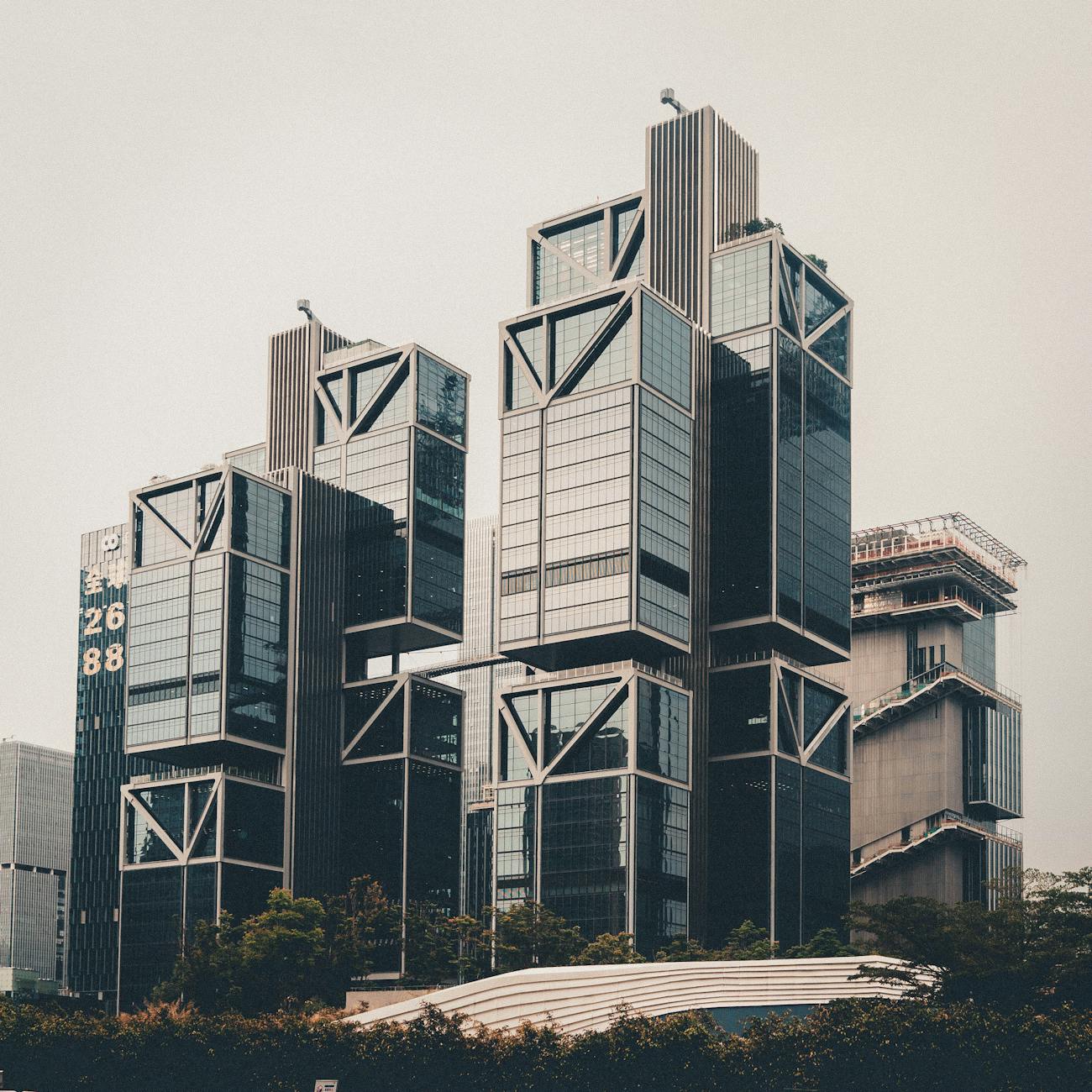
Space planning for sustainability is a critical component of modern interior design and facilities management. This unit focuses on key terms and vocabulary related to this topic.
Sustainability: Sustainability is the ability to meet the needs of the present without compromising the ability of future generations to meet their own needs. In the context of space planning, sustainability refers to the design and management of spaces that minimize negative environmental impacts, conserve resources, and promote human health and well-being.
Life cycle assessment (LCA): LCA is a method for evaluating the environmental impact of a product or system throughout its entire life cycle, from raw material extraction to end-of-life disposal. In space planning, LCA can be used to assess the environmental impact of different design options and materials, and to identify opportunities for reducing environmental impact.
Green building: Green building, also known as sustainable or high-performance building, is the practice of designing, constructing, and operating buildings in a way that minimizes environmental impact and maximizes efficiency. Green buildings often incorporate features such as energy-efficient lighting and HVAC systems, water-saving plumbing fixtures, and materials with low embodied energy.
Embodied energy: Embodied energy is the total amount of energy required to produce a material or product, including energy used in extraction, transportation, manufacturing, and disposal. In space planning, designers consider the embodied energy of materials when making decisions about which materials to use, with the goal of selecting materials with low embodied energy to reduce environmental impact.
Renewable energy: Renewable energy is energy derived from natural resources that are replenished at a rate equal to or faster than the rate at which they are consumed. Examples of renewable energy sources include solar, wind, hydro, and geothermal. In space planning, renewable energy can be used to power buildings and reduce dependence on fossil fuels.
Daylighting: Daylighting is the practice of using natural light to illuminate building interiors. Daylighting can reduce the need for artificial lighting, saving energy and reducing environmental impact. In space planning, designers consider factors such as window placement, skylights, and light shelves to optimize daylighting.
Biophilic design: Biophilic design is the practice of incorporating elements of nature into building design to promote human health and well-being. Biophilic design can include features such as plants, water features, natural materials, and natural patterns. In space planning, biophilic design can be used to create spaces that are not only sustainable but also promote occupant health and productivity.
Waste reduction: Waste reduction is the practice of minimizing the amount of waste generated by a building or space. This can be achieved through strategies such as recycling, composting, and reducing material usage. In space planning, designers consider waste reduction in material selection, space layout, and waste management systems.
Indoor air quality (IAQ): IAQ refers to the quality of air inside a building, including factors such as temperature, humidity, and contaminant levels. Poor IAQ can lead to health problems such as respiratory issues, headaches, and fatigue. In space planning, designers consider IAQ in material selection, ventilation system design, and building maintenance.
Energy efficiency: Energy efficiency is the practice of using less energy to perform the same task. In space planning, energy efficiency can be achieved through strategies such as using energy-efficient appliances and lighting, optimizing building insulation, and reducing HVAC system usage.
Water conservation: Water conservation is the practice of reducing water usage through strategies such as low-flow plumbing fixtures, rainwater harvesting, and greywater recycling. In space planning, water conservation can be incorporated into building design and maintenance practices.
Smart building technology: Smart building technology refers to the use of sensors, automation, and data analytics to optimize building performance and efficiency. In space planning, smart building technology can be used to monitor and control energy usage, IAQ, and other building performance factors.
Universal design: Universal design is the practice of designing spaces that are accessible and usable by people of all ages and abilities. In space planning, universal design can be achieved through strategies such as using adjustable furniture, providing clear signage, and incorporating ramps and elevators.
Healthy materials: Healthy materials are materials that are free of harmful chemicals and pollutants, and that promote human health and well-being. In space planning, designers consider the health impacts of materials when making selections, with the goal of creating spaces that are not only sustainable but also healthy for occupants.
Carbon footprint: A carbon footprint is the total amount of greenhouse gas emissions associated with a product, service, or organization. In space planning, designers consider the carbon footprint of materials and systems when making decisions, with the goal of reducing emissions and mitigating climate change.
Biomimicry: Biomimicry is the practice of using design principles inspired by nature to solve human problems. In space planning, biomimicry can be used to create sustainable and efficient building systems and materials.
Circular economy: A circular economy is an economic system that is restorative and regenerative by design, aiming to keep products and materials in use for as long as possible. In space planning, a circular economy approach can be used to design buildings and spaces that are adaptable, reusable, and recyclable.
Challenges:
1. How can space planners balance the need for sustainability with other design considerations, such as aesthetics and functionality? 2. What are some practical strategies for reducing waste and promoting recycling in building design and management? 3. How can smart building technology be used to optimize energy usage and IAQ in building design and management? 4. What are some examples of healthy materials that can be used in building design and construction? 5. How can space planners incorporate biophilic design principles to promote human health and well-being in building design?
Examples:
1. The Edge, a sustainable office building in Amsterdam, uses smart building technology to optimize energy usage, IAQ, and occupant comfort. 2. The Bullitt Center in Seattle, a certified living building, uses rainwater harvesting, greywater recycling, and composting toilets to achieve net-zero water usage. 3. The Living Building Challenge, a sustainable building certification program, requires projects to meet strict criteria for energy, water, and materials usage, as well as incorporate biophilic design principles.
Practical Applications:
1. Conducting an LCA to evaluate the environmental impact of different design options and materials. 2. Incorporating daylighting and biophilic design principles to promote occupant health and well-being. 3. Specifying healthy materials that are free of harmful chemicals and pollutants. 4. Designing spaces that are adaptable, reusable, and recyclable to promote a circular economy approach. 5. Using smart building technology to monitor and control energy usage, IAQ, and other building performance factors.
Key takeaways
- Space planning for sustainability is a critical component of modern interior design and facilities management.
- In the context of space planning, sustainability refers to the design and management of spaces that minimize negative environmental impacts, conserve resources, and promote human health and well-being.
- Life cycle assessment (LCA): LCA is a method for evaluating the environmental impact of a product or system throughout its entire life cycle, from raw material extraction to end-of-life disposal.
- Green building: Green building, also known as sustainable or high-performance building, is the practice of designing, constructing, and operating buildings in a way that minimizes environmental impact and maximizes efficiency.
- In space planning, designers consider the embodied energy of materials when making decisions about which materials to use, with the goal of selecting materials with low embodied energy to reduce environmental impact.
- Renewable energy: Renewable energy is energy derived from natural resources that are replenished at a rate equal to or faster than the rate at which they are consumed.
- In space planning, designers consider factors such as window placement, skylights, and light shelves to optimize daylighting.