
Creative Development
Creative development is a crucial aspect of the Early Years Foundation Stage (EYFS) curriculum, focusing on the development of children's imagination, creativity, and self-expression. This area of learning encompasses various aspects, inclu…
Creative development is a crucial aspect of the Early Years Foundation Stage (EYFS) curriculum, focusing on the development of children's imagination, creativity, and self-expression. This area of learning encompasses various aspects, including art, music, dance, drama, and imaginative play. The EYFS framework emphasizes the importance of providing children with opportunities to explore and engage with different forms of creative expression, fostering their ability to think creatively, make connections, and develop their own unique style.
The EYFS Expressive Arts and Design curriculum is designed to promote children's creativity and self-expression, encouraging them to explore and express their thoughts, feelings, and ideas through various art forms. This curriculum area is divided into two sub-areas: exploring and creating with media and materials, and being imaginative. The first sub-area focuses on children's ability to explore and engage with different media and materials, such as paints, crayons, and clay, to create and express their ideas. The second sub-area emphasizes the importance of imaginative play, role-playing, and using props to create and act out stories.
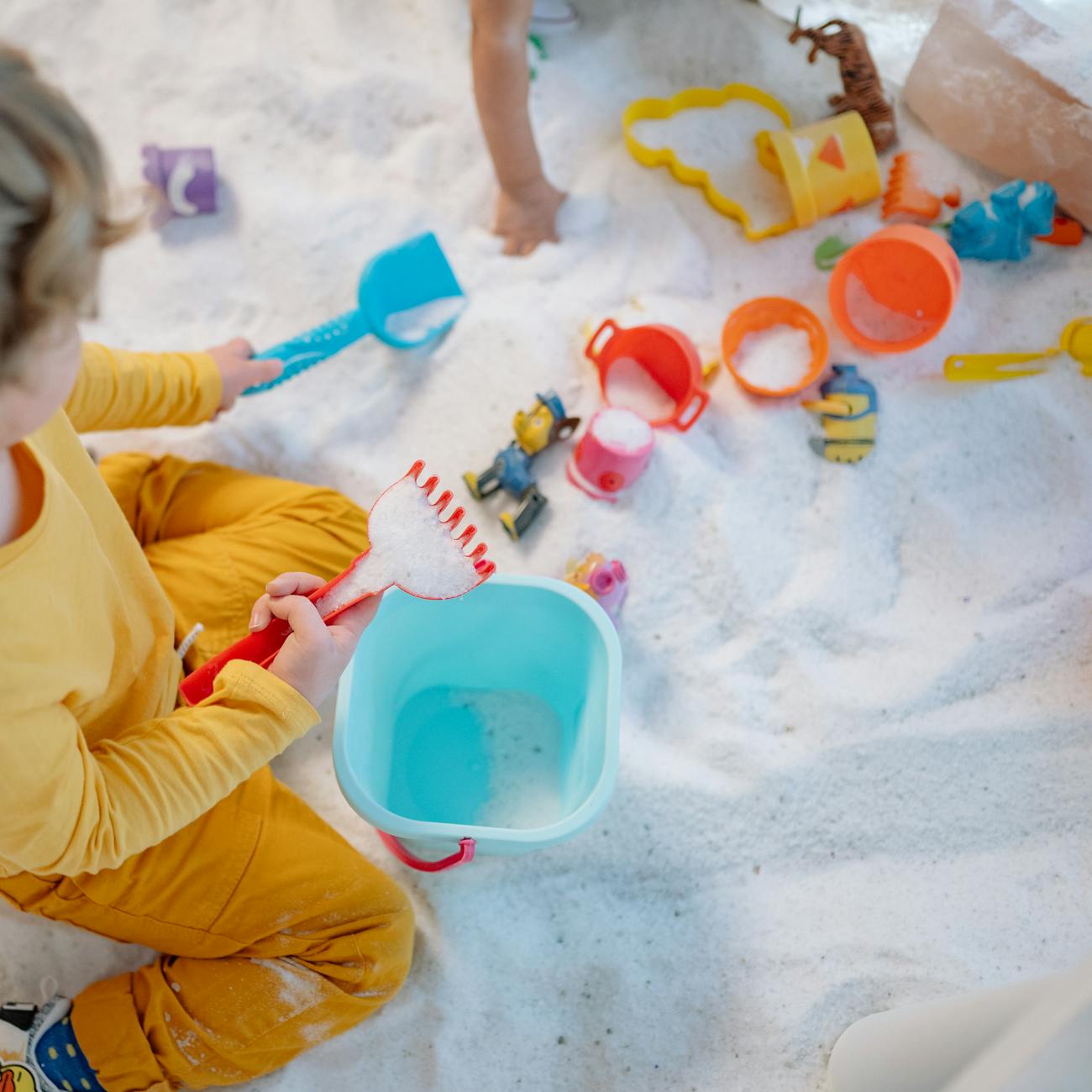
In the EYFS setting, creative development is often facilitated through play-based learning, where children are encouraged to explore and engage with various materials and activities that promote their imagination and creativity. For example, a practitioner might set up a sensory bin filled with rice, beans, or sand and hide small toys or other objects for children to find and explore, encouraging them to use their imagination and creativity to create stories and scenarios. Similarly, a practitioner might provide children with a variety of art materials, such as paints, crayons, and markers, and encourage them to create and express their ideas through art.
The EYFS framework also emphasizes the importance of adult support and facilitation in promoting children's creative development. Practitioners are encouraged to provide children with opportunities to take risks, make mistakes, and learn from their experiences, fostering a sense of autonomy and independence. This can be achieved by providing children with open-ended materials and activities that encourage them to think creatively and make their own decisions. For example, a practitioner might provide children with a variety of loose parts, such as blocks, sticks, and fabric, and encourage them to use their imagination to create and build structures and designs.
In addition to providing children with opportunities to explore and engage with different media and materials, practitioners should also be aware of the importance of environmental factors in promoting creative development. The physical environment can have a significant impact on children's ability to think creatively and express themselves, and practitioners should strive to create a stimulating and inspiring environment that fosters imagination and creativity. This can be achieved by providing children with access to natural light, fresh air, and a variety of textures, colors, and sounds.
The EYFS framework also recognizes the importance of technology in promoting creative development, and practitioners are encouraged to provide children with opportunities to engage with digital media and tools, such as tablets, computers, and cameras. This can help children to develop their technical skills and learn to use technology to express their ideas and creativity. For example, a practitioner might use a digital camera to take pictures of children's artwork and create a portfolio of their work, or use a tablet to create digital art and designs.
Another key aspect of creative development in the EYFS is the importance of collaboration and cooperation. Children should be encouraged to work together, share ideas, and build on each other's creativity, fostering a sense of community and teamwork. This can be achieved by providing children with opportunities to work in small groups, share materials and resources, and engage in joint projects and activities. For example, a practitioner might set up a collaborative art project, where children work together to create a large-scale mural or sculpture.
In terms of assessing and evaluating children's creative development, practitioners should be aware of the importance of observation and reflection. This involves observing children's behavior, listening to their conversations, and reflecting on their actions and decisions, to gain a deeper understanding of their creative thinking and processes. Practitioners should also be aware of the importance of documentation, and should keep accurate records of children's creative work, including photos, videos, and written descriptions.
The EYFS framework also recognizes the importance of parental involvement in promoting children's creative development, and practitioners should strive to engage with parents and carers, sharing information and ideas, and providing opportunities for them to become involved in their child's creative learning. This can be achieved by providing parents with regular updates and reports on their child's progress, and inviting them to participate in workshops and events that promote creative development.
In addition to the EYFS framework, there are several other theories and models that can inform our understanding of creative development in young children. For example, the Reggio Emilia approach emphasizes the importance of child-led learning, and encourages practitioners to provide children with opportunities to take risks, make mistakes, and learn from their experiences. The Montessori approach, on the other hand, emphasizes the importance of practical life skills, and encourages practitioners to provide children with opportunities to engage in hands-on activities that promote independence and self-reliance.
The Vygotsky theory of creative development emphasizes the importance of social interaction and collaboration, and encourages practitioners to provide children with opportunities to work together, share ideas, and build on each other's creativity. The Piaget theory, on the other hand, emphasizes the importance of active learning, and encourages practitioners to provide children with opportunities to engage in hands-on activities that promote discovery and exploration.
In terms of practical applications, the EYFS Expressive Arts and Design curriculum can be implemented in a variety of settings, including nursery schools, preschools, and childcare centers. Practitioners can use a range of strategies and techniques to promote creative development, including play-based learning, sensory play, and arts-based activities. For example, a practitioner might set up a drama corner, where children can engage in role-playing and imaginative play, or provide children with a variety of musical instruments, and encourage them to create and express their own music.
The EYFS framework also recognizes the importance of inclusion and diversity in promoting creative development, and practitioners should strive to provide children with opportunities to engage with different cultures and communities, fostering a sense of belonging and identity. This can be achieved by providing children with access to a variety of resources and materials that reflect different cultures and communities, and encouraging them to engage in cross-cultural activities and exchanges.
In conclusion, creative development is a crucial aspect of the EYFS curriculum, focusing on the development of children's imagination, creativity, and self-expression. The EYFS Expressive Arts and Design curriculum is designed to promote children's creativity and self-expression, encouraging them to explore and express their thoughts, feelings, and ideas through various art forms. By providing children with opportunities to engage with different media and materials, facilitating play-based learning, and fostering a sense of autonomy and independence, practitioners can promote children's creative development, and help them to become confident and competent learners.
The importance of adult support and facilitation in promoting children's creative development should not be underestimated, and practitioners should strive to provide children with opportunities to take risks, make mistakes, and learn from their experiences. The physical environment can also have a significant impact on children's ability to think creatively and express themselves, and practitioners should strive to create a stimulating and inspiring environment that fosters imagination and creativity.
The use of technology can also be a powerful tool in promoting creative development, and practitioners should provide children with opportunities to engage with digital media and tools, such as tablets, computers, and cameras. The importance of collaboration and cooperation should
Key takeaways
- Creative development is a crucial aspect of the Early Years Foundation Stage (EYFS) curriculum, focusing on the development of children's imagination, creativity, and self-expression.
- The EYFS Expressive Arts and Design curriculum is designed to promote children's creativity and self-expression, encouraging them to explore and express their thoughts, feelings, and ideas through various art forms.
- In the EYFS setting, creative development is often facilitated through play-based learning, where children are encouraged to explore and engage with various materials and activities that promote their imagination and creativity.
- For example, a practitioner might provide children with a variety of loose parts, such as blocks, sticks, and fabric, and encourage them to use their imagination to create and build structures and designs.
- In addition to providing children with opportunities to explore and engage with different media and materials, practitioners should also be aware of the importance of environmental factors in promoting creative development.
- For example, a practitioner might use a digital camera to take pictures of children's artwork and create a portfolio of their work, or use a tablet to create digital art and designs.
- This can be achieved by providing children with opportunities to work in small groups, share materials and resources, and engage in joint projects and activities.