
Musical Development
In the context of the Professional Certificate in EYFS Expressive Arts and Design, Musical Development is a crucial aspect of a child's overall development, encompassing their ability to explore, express, and appreciate music. This developm…
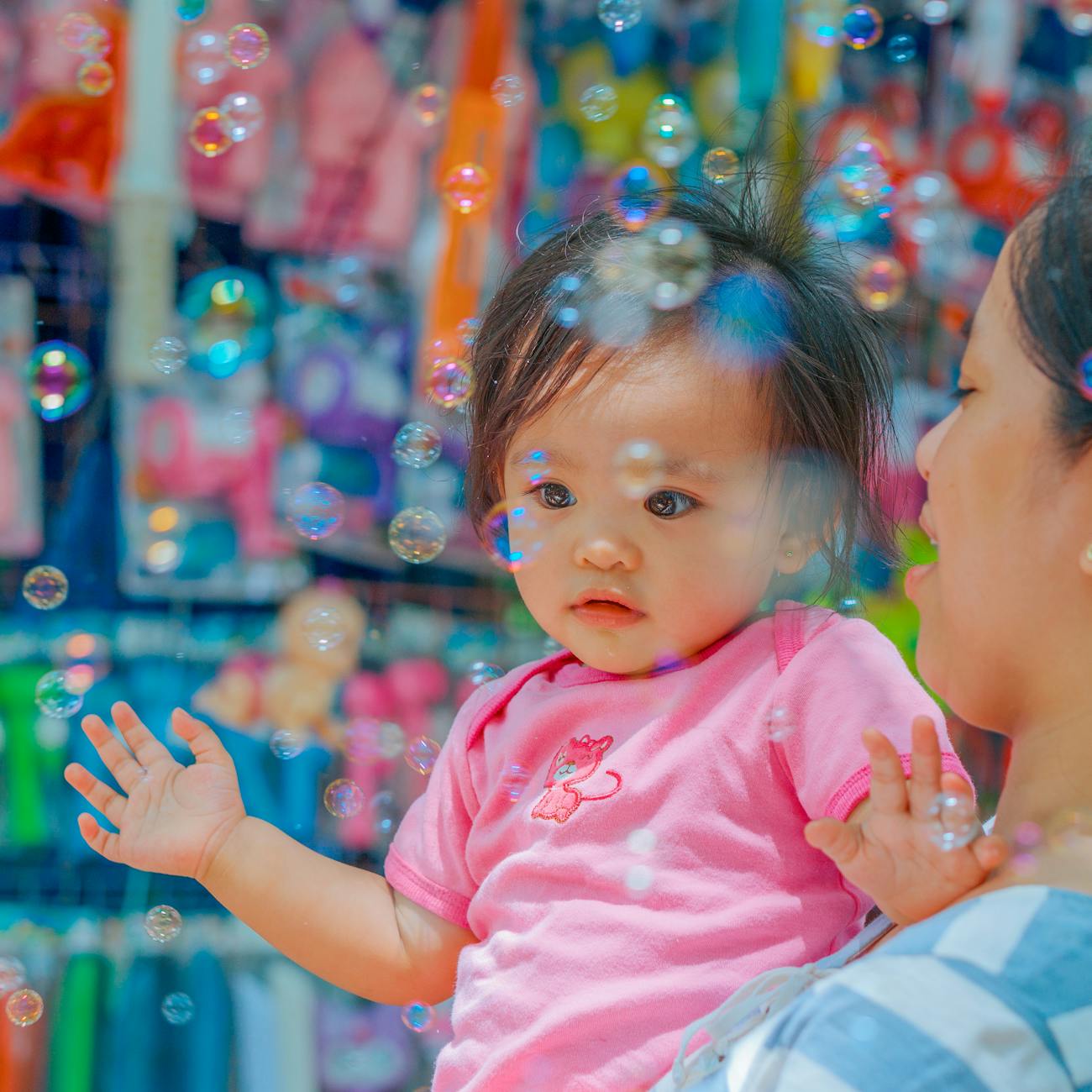
In the context of the Professional Certificate in EYFS Expressive Arts and Design, Musical Development is a crucial aspect of a child's overall development, encompassing their ability to explore, express, and appreciate music. This development is deeply intertwined with other areas of learning, such as language and literacy, mathematics, and physical development. Exploring music involves children engaging with different sounds, rhythms, and melodies, which can be achieved through various activities such as singing songs, playing musical instruments, and moving to music.
Children's musical awareness is developed through exposure to a wide range of musical genres and styles, which helps them recognize and appreciate the different elements of music, including pitch, tempo, and dynamics. This awareness is fostered through practical experiences, where children are encouraged to participate in musical activities, such as clapping, tapping, or singing along to their favorite songs. For instance, in a nursery setting, children can be introduced to different types of music, such as classical, pop, or traditional folk songs, to broaden their musical understanding.
As children progress in their musical journey, they begin to develop their composition skills, where they learn to create their own music using various instruments or digital tools. This process involves experimentation and improvisation, as children try out different sounds, rhythms, and melodies to create their unique musical pieces. For example, in a music session, children can be provided with a variety of instruments, such as xylophones, drums, or maracas, and encouraged to create their own music, either individually or in groups.
The role of the practitioner is vital in supporting children's musical development, as they provide opportunities for children to engage with music, offer guidance and encouragement, and facilitate musical experiences that cater to different learning styles and abilities. Practitioners can also model musical behaviors, such as singing, dancing, or playing instruments, to inspire children and promote their musical interest. Moreover, practitioners should be aware of the diverse musical backgrounds of the children in their care, and incorporate a range of musical styles and genres into their practice to reflect this diversity.
In terms of assessment, practitioners should observe children's musical behaviors and progress over time, taking note of their ability to recognize and respond to different types of music, as well as their capacity to create and express their own musical ideas. This assessment information can be used to inform planning and adaptation of musical activities, ensuring that they remain challenging and engaging for children, while also addressing any areas of difficulty or support needs.
Children's musical development is also closely linked to their language and literacy skills, as music and movement can be used to enhance phonological awareness, vocabulary, and communication skills. For instance, singing songs with actions can help children develop their language skills, while also promoting their physical development through movement and gesture. Furthermore, music can be used to support children's emotional well-being, providing a means of expression and communication for children who may struggle with verbalizing their feelings.
In the EYFS framework, musical development is one of the key areas of learning, alongside art and design, and drama. These areas are interconnected, and children's experiences in one area can inform and enhance their learning in others. For example, a child's musical composition can be inspired by their artistic creations, while their dramatic play can be enriched by the use of music and sound effects.
The environment in which children learn and develop their musical skills is also crucial, as it can either facilitate or hinder their progress. A well-planned and resourced environment can provide children with opportunities to engage with music, while also challenging them to develop their skills and knowledge. For instance, a music area can be set up with a variety of instruments, such as guitars, keyboards, or drums, and children can be encouraged to explore and experiment with these resources.
In addition to the physical environment, the social environment also plays a significant role in children's musical development. Children learn from each other, and peer interaction can be a powerful catalyst for musical learning. Practitioners can facilitate these interactions by providing opportunities for children to work together on musical projects, such as composing a song or creating a musical performance.
The use of technology can also enhance children's musical development, as it provides access to a wide range of musical resources, such as apps, software, and online platforms. These resources can be used to support children's learning, providing them with opportunities to engage with different types of music, compose their own music, and share their creations with others.
However, there are also challenges associated with children's musical development, such as the lack of resources or trained practitioners in some settings. Additionally, children with special educational needs or disabilities may require adapted approaches to musical learning, which can be a challenge for practitioners who may not have the necessary training or experience.
To address these challenges, practitioners can seek support from colleagues, consult with experts, or access training and resources that can help them develop their skills and knowledge in musical development. Furthermore, practitioners can involve parents and carers in children's musical learning, providing them with information and guidance on how to support their child's musical development at home.
In terms of planning and delivery, practitioners should ensure that musical activities are inclusive and accessible to all children, regardless of their abilities or backgrounds. This can involve differentiating activities to meet the needs of individual children, as well as providing opportunities for children to take risks and challenges in their musical learning.
The role of play is also crucial in children's musical development, as it provides opportunities for children to explore and experiment with music in a fun and engaging way. Play-based approaches to musical learning can help children develop their creativity and imagination, as well as their critical thinking and problem-solving skills.
In addition to play, practical activities can also be used to support children's musical development. These activities can include singing games, instrumental workshops, and composition projects, which can help children develop their musical skills and knowledge in a hands-on and interactive way.
The use of stories and narratives can also be a powerful tool in children's musical development, as it provides opportunities for children to engage with music in a meaningful and contextual way. Stories and narratives can be used to introduce musical concepts, such as pitch, tempo, and dynamics, as well as to explore different musical styles and genres.
Children's musical development is also closely linked to their cultural and social backgrounds, as music and movement can be used to express and celebrate cultural identity and community heritage. Practitioners can draw on children's cultural backgrounds to inform their musical practice, incorporating traditional music and dance into their activities and celebrating diversity in all its forms.
The importance of reflection should not be underestimated in children's musical development, as it provides opportunities for children to evaluate and refine their musical skills and knowledge. Reflection can involve self-assessment, peer feedback, and practitioner evaluation, all of which can help children develop their metacognitive skills and musical understanding.
In the context of the EYFS framework, musical development is a critical aspect of children's overall development, encompassing their ability to explore, express, and appreciate music. By providing children with opportunities to engage with music, practitioners can support their musical development, while also promoting their language and literacy skills, mathematical understanding, and physical development. As children progress in their musical journey, they will develop their composition skills, performance skills, and appreciation of music, all of which will enrich their lives and broaden their horizons.
The impact of musical development on children's lives cannot be overstated, as it provides opportunities for children to express themselves, develop their creativity, and build their confidence. Musical development can also support children's emotional well-being, providing a means of expression and communication for children who may struggle with verbalizing their feelings.
In terms of future prospects, children's musical development can have a lasting impact on their lives, providing opportunities for them to pursue musical interests and develop their musical talents. Musical development can also support children's future careers, providing a foundation for careers in music, performance arts, and creative industries.
The importance of musical development in the early years cannot be overstated, as it provides a foundation for children's future musical learning and development. By providing children with opportunities to engage with music, practitioners can support their musical development, while also promoting their overall development and well-being.
In the EYFS framework, musical development is closely linked to other areas of learning, such as art and design, and drama.
The importance of parental involvement in children's musical development should not be underestimated, as parents and carers can support their child's musical learning at home. Parents can encourage their child's musical interests, provide opportunities for them to engage with music, and celebrate their musical achievements.
In terms of community involvement, children's musical development can be supported by local music organizations, community centers, and places of worship. These organizations can provide opportunities for children to engage with music, develop their musical skills, and perform in front of audiences.
The use of musical instruments can also be a powerful tool in children's musical development, as it provides opportunities for children to explore and experiment with different sounds and textures. Musical instruments can be used to support children's musical learning, providing a means of expression and communication for children who may struggle with verbalizing their feelings.
In terms of best practices, practitioners should ensure that musical activities are inclusive and accessible to all children, regardless of their abilities or backgrounds.
The role of the practitioner is vital in supporting children's musical development, as they provide opportunities for children to engage with music, offer guidance and encouragement, and facilitate musical experiences that cater to different learning styles and abilities.
In terms of future directions, children's musical development can have a lasting impact on their lives, providing opportunities for them to pursue musical interests and develop their musical talents.
The importance of musical development in the early years cannot be overstated, as it provides a foundation for children's future musical learning and development.
Key takeaways
- In the context of the Professional Certificate in EYFS Expressive Arts and Design, Musical Development is a crucial aspect of a child's overall development, encompassing their ability to explore, express, and appreciate music.
- Children's musical awareness is developed through exposure to a wide range of musical genres and styles, which helps them recognize and appreciate the different elements of music, including pitch, tempo, and dynamics.
- For example, in a music session, children can be provided with a variety of instruments, such as xylophones, drums, or maracas, and encouraged to create their own music, either individually or in groups.
- Moreover, practitioners should be aware of the diverse musical backgrounds of the children in their care, and incorporate a range of musical styles and genres into their practice to reflect this diversity.
- Children's musical development is also closely linked to their language and literacy skills, as music and movement can be used to enhance phonological awareness, vocabulary, and communication skills.
- For example, a child's musical composition can be inspired by their artistic creations, while their dramatic play can be enriched by the use of music and sound effects.
- For instance, a music area can be set up with a variety of instruments, such as guitars, keyboards, or drums, and children can be encouraged to explore and experiment with these resources.