
Physical Development
Physical Development is a crucial aspect of the Early Years Foundation Stage (EYFS) curriculum, focusing on the physical growth and development of children. It encompasses various skills and abilities that children acquire as they progress …
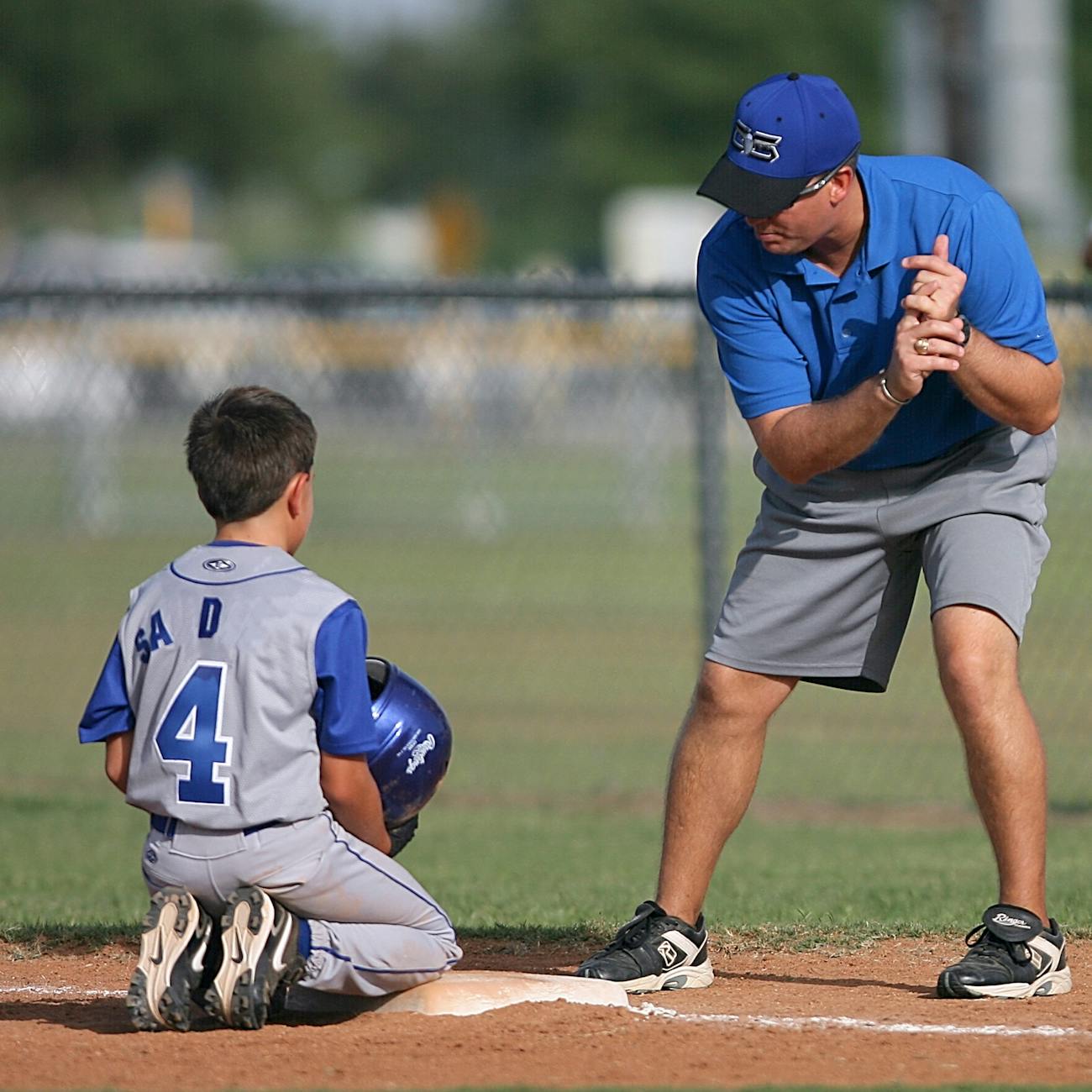
Physical Development is a crucial aspect of the Early Years Foundation Stage (EYFS) curriculum, focusing on the physical growth and development of children. It encompasses various skills and abilities that children acquire as they progress through their early years, including gross and fine motor skills, coordination, balance, and overall physical well-being.
Gross motor skills refer to the ability to use large muscle groups, such as arms and legs, to perform tasks like running, jumping, and climbing. These skills are essential for overall physical development, as they enable children to navigate their environment, engage in physical activities, and develop their sense of balance and coordination. For instance, a child who has mastered the gross motor skill of walking can explore their surroundings, interact with others, and develop their social skills.
Fine motor skills, on the other hand, involve the use of smaller muscle groups, such as fingers and hands, to perform tasks like drawing, writing, and using utensils. These skills are critical for academic success, as they enable children to engage in activities that promote cognitive development, such as reading, writing, and problem-solving. For example, a child who has developed the fine motor skill of holding a pencil can create artwork, write their name, and express their creativity.
Coordination and balance are also essential components of Physical Development, as they enable children to move with confidence and precision. Coordination refers to the ability to integrate different motor skills, such as running and jumping, to achieve a specific goal. Balance, on the other hand, refers to the ability to maintain equilibrium and stability, whether standing, sitting, or moving. Children who have developed their coordination and balance skills can engage in various physical activities, such as dancing, playing sports, and riding a bike.
Physical Development is closely linked to other areas of the EYFS curriculum, including Personal, Social, and Emotional Development. For instance, physical activities can promote social interaction, as children learn to cooperate, communicate, and resolve conflicts with their peers. Physical Development can also enhance emotional well-being, as children develop a sense of self-esteem and confidence through their physical accomplishments.
Practitioners play a vital role in promoting Physical Development in early years settings. They can create opportunities for children to engage in various physical activities, such as outdoor play, dance, and sports. Practitioners can also provide support and guidance to help children develop their gross and fine motor skills, coordination, and balance. For example, a practitioner can provide a child with a balance beam to practice their balance skills or offer feedback on their throwing technique.
Assessment and planning are critical components of Physical Development, as they enable practitioners to identify children's strengths and weaknesses, set targets for development, and plan activities that cater to their individual needs. Practitioners can use various assessment tools, such as observation checklists and portfolios, to monitor children's progress and identify areas for improvement. They can also involve parents and carers in the assessment process, seeking their input and feedback on their child's physical development.
In terms of practical applications, Physical Development can be promoted through various activities and experiences. For instance, outdoor play can provide children with opportunities to develop their gross motor skills, such as running, jumping, and climbing. Indoor activities, such as dance and yoga, can promote fine motor skills, coordination, and balance. Practitioners can also incorporate music and rhythm into physical activities, enhancing children's sense of timing and coordination.
Challenges can arise when promoting Physical Development in early years settings. For example, some children may have physical disabilities or special needs that require additional support and adaptations. Practitioners must be aware of these challenges and provide inclusive opportunities for all children to engage in physical activities. They can also seek guidance from specialists, such as occupational therapists, to ensure that they are providing the most effective support for children with complex needs.
The environment also plays a critical role in promoting Physical Development. Practitioners can create safe and accessible spaces that encourage children to engage in physical activities, such as outdoor play areas and indoor movement spaces. They can also provide equipment and resources that cater to children's individual needs, such as balance beams, balls, and obstacle courses.
In addition to the physical environment, the social environment can also impact Physical Development. Practitioners can foster a positive and supportive atmosphere that encourages children to take risks and challenge themselves physically. They can also promote collaboration and teamwork among children, enabling them to develop their social skills and communication skills through physical activities.
Parents and carers also play a vital role in promoting Physical Development. They can provide opportunities for children to engage in physical activities outside of the early years setting, such as enrolling them in sports clubs or taking them to the park. They can also provide encouragement and support to help children develop their physical skills, such as praising their efforts and providing feedback on their progress.
The community can also contribute to Physical Development by providing resources and facilities that promote physical activity. For example, local parks and leisure centers can offer outdoor play areas, sports facilities, and programmes that cater to children's physical needs. Community events and festivals can also promote Physical Development by providing opportunities for children to engage in physical activities, such as dancing, running, and obstacle courses.
In terms of policy and procedures, early years settings must ensure that they are providing a safe and inclusive environment that promotes Physical Development. They can develop policies and procedures that outline their approach to Physical Development, including their objectives, strategies, and evaluation methods. They can also ensure that their staff are trained and qualified to promote Physical Development, providing them with the knowledge and skills needed to support children's physical growth and development.
The curriculum also plays a critical role in promoting Physical Development. Early years settings can develop a curriculum that incorporates physical activities and experiences that cater to children's individual needs and interests. They can also ensure that their curriculum is inclusive and accessible, providing opportunities for all children to engage in physical activities, regardless of their ability or disability.
In terms of research and theory, there are various theories and models that underpin Physical Development. For example, the dynamic systems theory suggests that Physical Development is a complex and non-linear process that involves the interaction of various systems and subsystems. The ecological systems theory, on the other hand, suggests that Physical Development is influenced by the environment and the interactions between the child and their context.
Practitioners can apply these theories and models to their practice, using them to inform their approach to Physical Development and guide their decision-making. They can also use research and
Key takeaways
- It encompasses various skills and abilities that children acquire as they progress through their early years, including gross and fine motor skills, coordination, balance, and overall physical well-being.
- These skills are essential for overall physical development, as they enable children to navigate their environment, engage in physical activities, and develop their sense of balance and coordination.
- These skills are critical for academic success, as they enable children to engage in activities that promote cognitive development, such as reading, writing, and problem-solving.
- Children who have developed their coordination and balance skills can engage in various physical activities, such as dancing, playing sports, and riding a bike.
- Physical Development can also enhance emotional well-being, as children develop a sense of self-esteem and confidence through their physical accomplishments.
- For example, a practitioner can provide a child with a balance beam to practice their balance skills or offer feedback on their throwing technique.
- Practitioners can use various assessment tools, such as observation checklists and portfolios, to monitor children's progress and identify areas for improvement.