
Unit 1: Introduction to Physical Activity and Disability
Physical activity is a vital component of a healthy lifestyle, and it is essential for individuals with disabilities to participate in regular physical activity to improve their overall well-being. The term disability refers to a physical, …
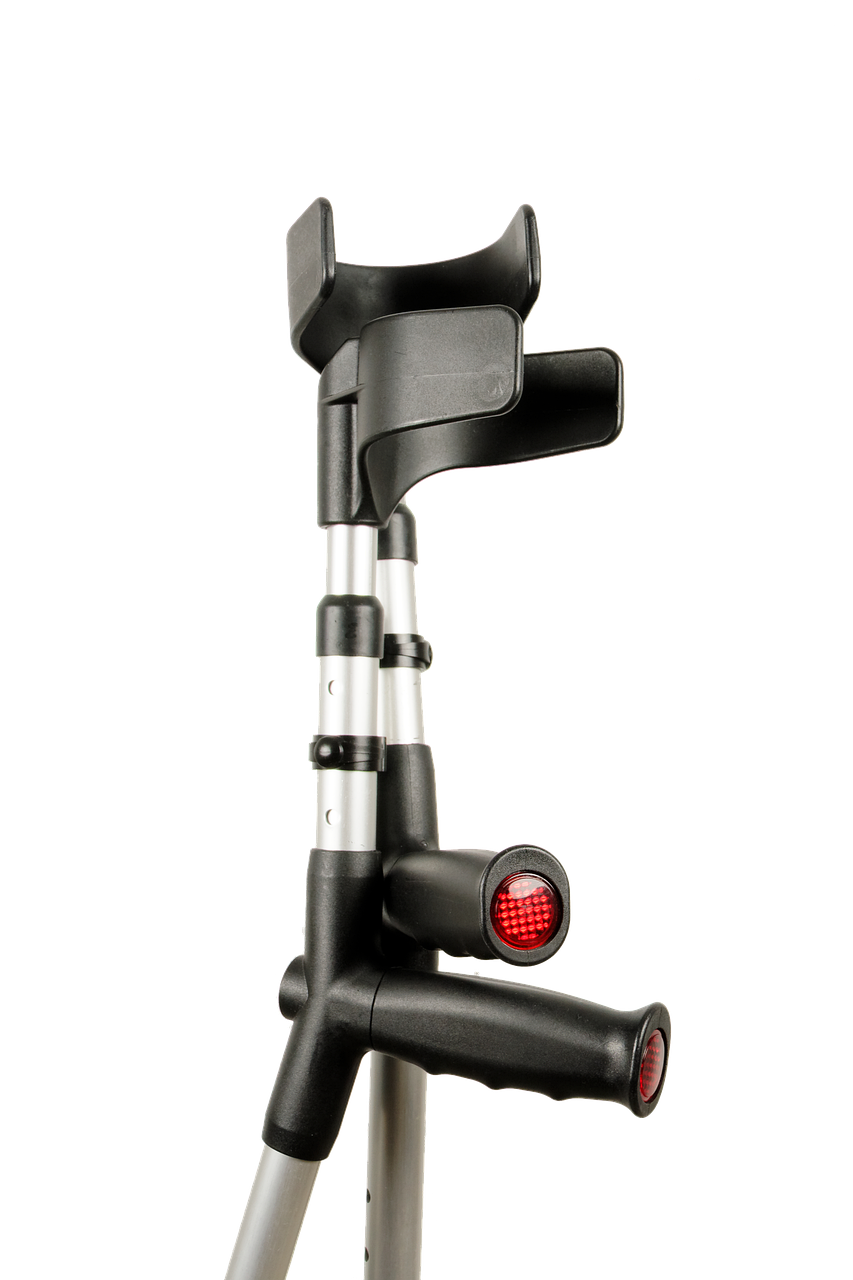
Physical activity is a vital component of a healthy lifestyle, and it is essential for individuals with disabilities to participate in regular physical activity to improve their overall well-being. The term disability refers to a physical, mental, or sensory impairment that can affect an individual's ability to participate in physical activity. It is crucial to understand that disability is a natural part of human diversity, and it is essential to promote inclusion and accessibility in physical activity programs to ensure that individuals with disabilities have equal opportunities to participate.
The World Health Organization defines physical activity as any bodily movement produced by skeletal muscles that requires energy expenditure. Physical activity can include a wide range of activities, such as walking, running, swimming, cycling, and dancing. Regular physical activity can help individuals with disabilities to improve their physical function, reduce the risk of chronic diseases, and enhance their mental health and well-being. For example, physical activity can help individuals with spinal cord injuries to improve their mobility, balance, and Coordination.
There are several models of disability that can help us understand the experiences of individuals with disabilities. The medical model views disability as a medical problem that needs to be cured or fixed. In contrast, the social model views disability as a social issue that is caused by societal barriers and discrimination. The social model emphasizes the importance of creating accessible and inclusive environments that enable individuals with disabilities to participate fully in society. For instance, the social model recognizes that individuals with disabilities may face barriers such as lack of accessible transportation, inadequate housing, and discriminatory attitudes.
Physical activity programs for individuals with disabilities can be designed to promote physical function, health, and well-being. These programs can include a range of activities, such as aerobic exercise, strength training, flexibility exercises, and balance training. For example, a physical activity program for individuals with stroke may include exercises to improve mobility, balance, and Coordination, as well as aerobic exercise to improve cardiovascular health. It is essential to consult with a healthcare professional before starting any new physical activity program, especially for individuals with disabilities.
The International Classification of Functioning, Disability and Health (ICF) is a framework that can be used to understand the experiences of individuals with disabilities. The ICF recognizes that disability is a complex and multifaceted concept that can affect an individual's body, mind, and spirit. The ICF includes several components, including body function, body structure, activity, and participation. For instance, the ICF can be used to understand the experiences of individuals with amputations, who may face challenges with mobility, balance, and Coordination.
Individuals with disabilities may face several barriers to participating in physical activity, including lack of accessibility, inadequate facilities, and discriminatory attitudes. It is essential to address these barriers and create inclusive and accessible environments that enable individuals with disabilities to participate fully in physical activity programs. For example, a physical activity program for individuals with visual impairments may include adaptations such as tactile markings, audio cues, and assistive technology.
The National Center on Health, Physical Activity and Disability (NCHPAD) is a resource that provides information and guidance on physical activity and disability. The NCHPAD recognizes that physical activity is essential for individuals with disabilities and provides resources and tools to help individuals with disabilities to participate in physical activity. For instance, the NCHPAD provides information on adaptive sports and recreational activities that can be modified to include individuals with disabilities.
Physical activity programs for individuals with disabilities can be designed to promote social interaction, fun, and enjoyment. These programs can include a range of activities, such as team sports, individual sports, and recreational activities. For example, a physical activity program for individuals with intellectual disabilities may include activities such as bowling, swimming, and dancing. It is essential to ensure that physical activity programs are person-centered and tailored to meet the unique needs and preferences of each individual.
The Americans with Disabilities Act (ADA) is a law that requires organizations to provide equal access to individuals with disabilities. The ADA recognizes that individuals with disabilities have the right to participate fully in society and provides guidelines for creating accessible and inclusive environments. For instance, the ADA requires organizations to provide accessible facilities, transportation, and communication that is accessible to individuals with disabilities.
Individuals with disabilities may face several challenges when participating in physical activity, including lack of confidence, fear of injury, and discrimination. It is essential to address these challenges and provide support and guidance to individuals with disabilities to help them overcome these barriers. For example, a physical activity program for individuals with multiple sclerosis may include strategies to manage fatigue, balance, and mobility.
The World Disability Report is a resource that provides information on disability and health. The report recognizes that disability is a major public health issue and provides guidance on promoting health and well-being for individuals with disabilities. For instance, the report emphasizes the importance of creating accessible and inclusive environments that enable individuals with disabilities to participate fully in society.
Physical activity programs for individuals with disabilities can be designed to promote cognitive function, emotional well-being, and mental health. These programs can include a range of activities, such as mindfulness, meditation, and yoga. For example, a physical activity program for individuals with traumatic brain injuries may include exercises to improve attention, memory, and processing speed. It is essential to consult with a healthcare professional before starting any new physical activity program, especially for individuals with disabilities.
The United Nations Convention on the Rights of Persons with Disabilities (UNCRPD) is a treaty that recognizes the rights of individuals with disabilities to participate fully in society. The UNCRPD emphasizes the importance of creating accessible and inclusive environments that enable individuals with disabilities to participate fully in physical activity programs. For instance, the UNCRPD recognizes that individuals with disabilities have the right to participate in recreational activities and sports on an equal basis with others.
Individuals with disabilities may face several stereotypes and misconceptions when participating in physical activity, including the assumption that they are fragile or incapable. It is essential to challenge these stereotypes and provide support and guidance to individuals with disabilities to help them overcome these barriers. For example, a physical activity program for individuals with spina bifida may include strategies to promote independence, self-esteem, and confidence.
The National Disability Rights Network (NDRN) is a resource that provides information and guidance on disability rights. The NDRN recognizes that individuals with disabilities have the right to participate fully in society and provides resources and tools to help individuals with disabilities to advocate for their rights. For instance, the NDRN provides information on accessible education and employment opportunities that can help individuals with disabilities to participate fully in society.
Physical activity programs for individuals with disabilities can be designed to promote community integration, social support, and networking. These programs can include a range of activities, such as team sports, individual sports, and recreational activities. For example, a physical activity program for individuals with autism spectrum disorder may include activities such as swimming, cycling, and horseback riding. It is essential to ensure that physical activity programs are person-centered and tailored to meet the unique needs and preferences of each individual.
The International Paralympic Committee (IPC) is a resource that provides information and guidance on paralympic sports and recreational activities for individuals with disabilities. The IPC recognizes that physical activity is essential for individuals with disabilities and provides resources and tools to help individuals with disabilities to participate in physical activity programs. For instance, the IPC provides information on adaptive sports and recreational activities that can be modified to include individuals
Key takeaways
- Physical activity is a vital component of a healthy lifestyle, and it is essential for individuals with disabilities to participate in regular physical activity to improve their overall well-being.
- Regular physical activity can help individuals with disabilities to improve their physical function, reduce the risk of chronic diseases, and enhance their mental health and well-being.
- For instance, the social model recognizes that individuals with disabilities may face barriers such as lack of accessible transportation, inadequate housing, and discriminatory attitudes.
- For example, a physical activity program for individuals with stroke may include exercises to improve mobility, balance, and Coordination, as well as aerobic exercise to improve cardiovascular health.
- The International Classification of Functioning, Disability and Health (ICF) is a framework that can be used to understand the experiences of individuals with disabilities.
- Individuals with disabilities may face several barriers to participating in physical activity, including lack of accessibility, inadequate facilities, and discriminatory attitudes.
- The NCHPAD recognizes that physical activity is essential for individuals with disabilities and provides resources and tools to help individuals with disabilities to participate in physical activity.