
Unit 2: Understanding Disability
Understanding disability is a complex and multifaceted concept that requires a comprehensive approach to appreciate the various aspects involved. At its core, disability refers to any condition that restricts a person's physical, mental, or…
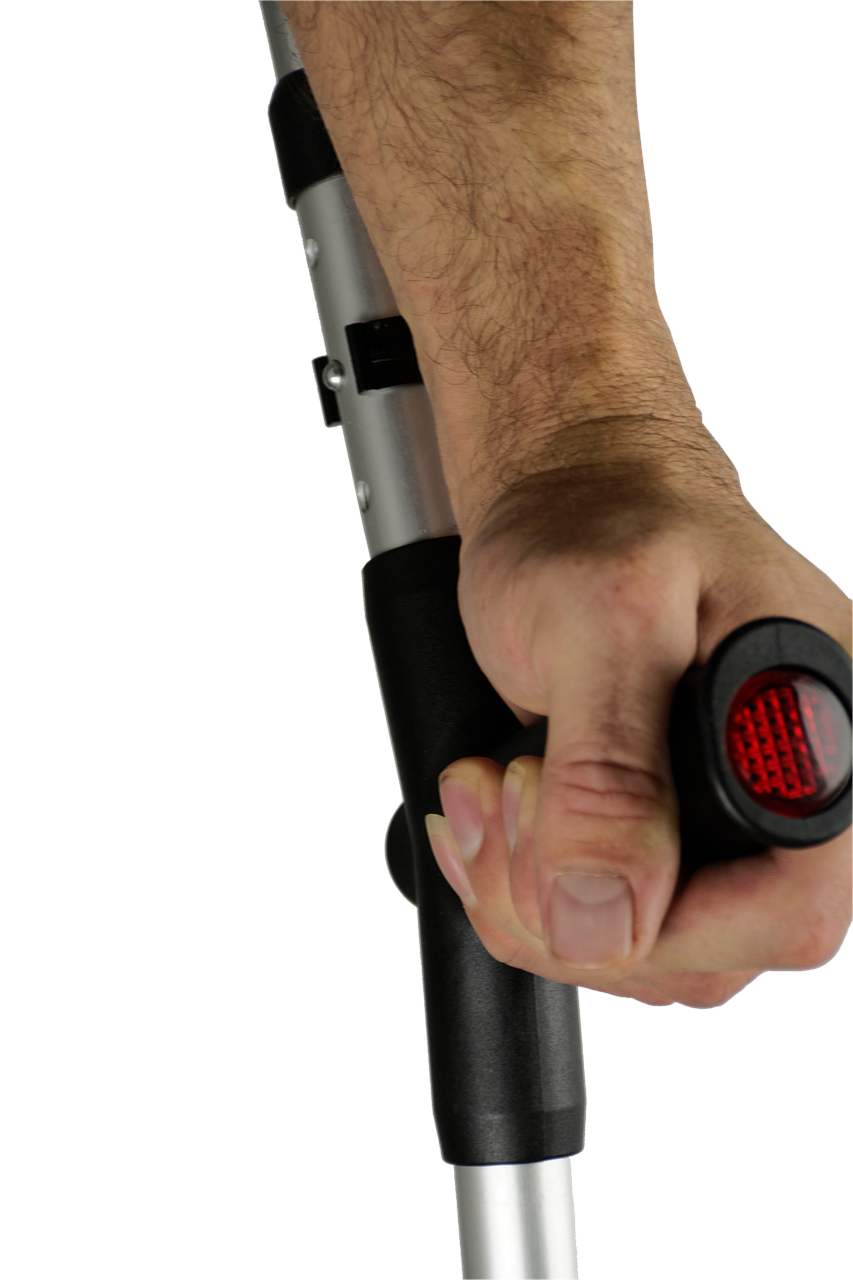
Understanding disability is a complex and multifaceted concept that requires a comprehensive approach to appreciate the various aspects involved. At its core, disability refers to any condition that restricts a person's physical, mental, or sensory abilities, making it difficult for them to perform everyday activities. This can include a wide range of conditions, such as physical impairments, chronic illnesses, mental health conditions, and cognitive disabilities.
One of the key challenges in understanding disability is the use of language and the way it can impact people's perceptions and attitudes. The terms used to describe people with disabilities can be stigmatizing and perpetuate negative stereotypes. For example, using terms like "wheelchair-bound" or "suffering from" can create a negative image of people with disabilities and reinforce the idea that they are helpless or dependent on others. Instead, it is more appropriate to use person-first language, which emphasizes the person rather than their disability, such as "person with a disability" or "individual with a physical impairment."
The medical model of disability is a traditional approach that views disability as a medical problem that needs to be cured or fixed. This model focuses on the individual's impairment and sees it as the primary cause of their disability. However, this approach has been criticized for being limiting and stigmatizing, as it fails to recognize the social and environmental factors that contribute to disability. In contrast, the social model of disability recognizes that disability is not just a medical issue, but also a social and environmental one. This model emphasizes the importance of accessibility and inclusion in creating equal opportunities for people with disabilities.
The International Classification of Functioning, Disability and Health (ICF) is a framework developed by the World Health Organization (WHO) to understand and classify functioning and disability. The ICF recognizes that functioning is a complex and multidimensional concept that involves the interaction of various factors, including body functions, activities, and participation. The ICF also acknowledges that disability is not just a medical issue, but also a social and environmental one, and that it can be influenced by a range of factors, including attitudes, policies, and environments.
People with disabilities face a range of barriers that can prevent them from participating fully in society. These barriers can be physical, such as lack of accessibility in buildings or transportation, or attitudinal, such as negative stereotypes or discrimination. They can also be institutional, such as policies or practices that exclude or marginalize people with disabilities. To address these barriers, it is essential to adopt a rights-based approach that recognizes the rights of people with disabilities to equal opportunities and participation.
The United Nations Convention on the Rights of Persons with Disabilities (CRPD) is an international treaty that recognizes the rights of people with disabilities to equal opportunities and participation. The CRPD emphasizes the importance of accessibility, inclusion, and participation in creating equal opportunities for people with disabilities. It also recognizes the importance of autonomy and self-determination in enabling people with disabilities to make their own choices and decisions.
In the context of physical activity, people with disabilities face a range of barriers that can prevent them from participating fully. These barriers can be physical, such as lack of access to facilities or equipment, or attitudinal, such as negative stereotypes or discrimination. To address these barriers, it is essential to adopt a inclusive approach that recognizes the rights of people with disabilities to equal opportunities and participation in physical activity.
The National Disability Insurance Scheme (NDIS) is a government-funded program in Australia that provides support to people with disabilities. The NDIS recognizes the importance of choice and control in enabling people with disabilities to make their own decisions and choices. It also emphasizes the importance of participation and inclusion in creating equal opportunities for people with disabilities. The NDIS provides a range of supports and services to people with disabilities, including physical therapy, occupational therapy, and support workers.
The role of health professionals is critical in supporting people with disabilities to participate in physical activity. Health professionals can provide a range of supports and services to people with disabilities, including assessments, interventions, and education. They can also play a key role in promoting inclusion and accessibility in physical activity settings. However, health professionals may also face a range of challenges in supporting people with disabilities, including lack of training and experience, as well as attitudinal and institutional barriers.
The importance of physical activity for people with disabilities cannot be overstated. Physical activity can provide a range of benefits for people with disabilities, including improved physical and mental health, increased independence and autonomy, and enhanced quality of life. However, people with disabilities may face a range of barriers that can prevent them from participating in physical activity, including lack of access to facilities or equipment, as well as attitudinal and institutional barriers.
The concept of universal design is critical in creating inclusive and accessible physical activity settings. Universal design refers to the design of products, environments, and services that can be used by people of all abilities. This approach recognizes that disability is not just a medical issue, but also a social and environmental one, and that it can be influenced by a range of factors, including attitudes, policies, and environments. By adopting a universal design approach, physical activity settings can be designed to be inclusive and accessible for people of all abilities.
The importance of policy and legislation in promoting inclusion and accessibility in physical activity cannot be overstated. Policies and legislation can play a critical role in promoting equal opportunities and participation for people with disabilities. They can also provide a framework for action and accountability in promoting inclusion and accessibility. However, policies and legislation can also be limiting and exclusive if they are not designed with the needs of people with disabilities in mind.
The concept of social inclusion is critical in promoting equal opportunities and participation for people with disabilities. Social inclusion refers to the process of creating a society that values and respects diversity and promotes equal opportunities for all. By promoting social inclusion, we can create a society that values and respects diversity and promotes equal opportunities for all.
The role of education and training in promoting inclusion and accessibility in physical activity is critical. Education and training can provide health professionals and physical activity providers with the knowledge and skills they need to support people with disabilities. They can also promote awareness and understanding of the needs and experiences of people with disabilities. However, education and training can also be limiting and exclusive if they are not designed with the needs of people with disabilities in mind.
The importance of research and evaluation in promoting inclusion and accessibility in physical activity cannot be overstated. Research and evaluation can provide valuable insights into the needs and experiences of people with disabilities. They can also inform the development of policies and programs that promote inclusion and accessibility. However, research and evaluation can also be limiting and exclusive if they are not designed with the needs of people with disabilities in mind.
The concept of participation is critical in promoting equal opportunities and participation for people with disabilities. Participation refers to the process of taking part in activities and experiences that are meaningful and valuable. By promoting participation, we can create a society that values and respects diversity and promotes equal opportunities for all.
The importance of partnership and collaboration in promoting inclusion and accessibility in physical activity cannot be overstated. Partnership and collaboration can provide a framework for action and accountability in promoting inclusion and accessibility. However, partnership and collaboration can also be limiting and exclusive if they are not designed with the needs of people with disabilities in mind.
The role of technology in promoting inclusion and accessibility in physical activity is critical. Technology can provide a range of tools and resources that can support people with disabilities to participate in physical activity. It can also promote awareness and understanding of the needs and experiences of people with disabilities. However, technology can also be limiting and exclusive if it is not designed with the needs of people with disabilities in mind.
The importance of advocacy and activism in promoting inclusion and accessibility in physical activity cannot be overstated. Advocacy and activism can provide a framework for action and accountability in promoting inclusion and accessibility. However, advocacy and activism can also be limiting and exclusive if they are not designed with the needs of people with disabilities in mind.
The concept of empowerment is critical in promoting equal opportunities and participation for people with disabilities. Empowerment refers to the process of enabling people to take control of their own lives and experiences. By promoting empowerment, we can create a society that values and respects diversity and promotes equal opportunities for all.
The importance of cultural sensitivity and awareness in promoting inclusion and accessibility in physical activity cannot be overstated. Cultural sensitivity and awareness can provide a framework for action and accountability in promoting inclusion and accessibility. They can also promote awareness and understanding of the needs and experiences of people with disabilities from diverse cultural backgrounds. However, cultural sensitivity and awareness can also be limiting and exclusive if they are not designed with the needs of people with disabilities from diverse cultural backgrounds in mind.
The role of family and carers in supporting people with disabilities to participate in physical activity is critical. Family and carers can provide a range of supports and services that can enable people with disabilities to participate in physical activity. However, family and carers can also face a range of challenges in supporting people with disabilities, including lack of training and experience, as well as attitudinal and institutional barriers.
The importance of community and social connections in promoting inclusion and accessibility in physical activity cannot be overstated. Community and social connections can provide a framework for action and accountability in promoting inclusion and accessibility. However, community and social connections can also be limiting and exclusive if they are not designed with the needs of people with disabilities in mind.
The concept of social justice is critical in promoting equal opportunities and participation for people with disabilities. Social justice refers to the process of creating a society that values and respects diversity and promotes equal opportunities for all. By promoting social justice, we can create a society that values and respects diversity and promotes equal opportunities for all.
The importance of human rights in promoting inclusion and accessibility in physical activity cannot be overstated. Human rights can provide a framework for action and accountability in promoting inclusion and accessibility. However, human rights can also be limiting and exclusive if they are not designed with the needs of people with disabilities in mind.
The concept of disability rights is critical in promoting equal opportunities and participation for people with disabilities. Disability rights refer to the rights of people with disabilities to equal opportunities and participation in all aspects of life. By promoting disability rights, we can create a society that values and respects diversity and promotes equal opportunities for all.
The importance of accessibility in promoting inclusion and accessibility in physical activity cannot be overstated. Accessibility can provide a framework for action and accountability in promoting inclusion and accessibility. However, accessibility can also be limiting and exclusive if it is not designed with the needs of people with disabilities in mind.
The concept of inclusive design is critical in promoting inclusion and accessibility in physical activity. Inclusive design refers to the process of designing products, environments, and services that can be used by people of all abilities. By promoting inclusive design, we can create a society that values and respects diversity and promotes equal opportunities for all.
The importance of participation and engagement in promoting inclusion and accessibility in physical activity cannot be overstated. Participation and engagement can provide a framework for action and accountability in promoting inclusion and accessibility. However, participation and engagement can also be limiting and exclusive if they are not designed with the needs of people with disabilities in mind.
The importance of social support in promoting inclusion and accessibility in physical activity cannot be overstated. Social support can provide a framework for action and accountability in promoting inclusion and accessibility. However, social support can also be limiting and exclusive if it is not designed with the needs of people with disabilities in mind.
The concept of personal assistance is critical in promoting inclusion and accessibility in physical activity. Personal assistance refers to the support and assistance provided to people with disabilities to enable them to participate in physical activity. By promoting personal assistance, we can create a society that values and respects diversity and promotes equal opportunities for all.
The importance of accessible information in promoting inclusion and accessibility in physical activity cannot be overstated. Accessible information can provide a framework for action and accountability in promoting inclusion and accessibility. However, accessible information can also be limiting and exclusive if it is not designed with the needs of people with disabilities in mind.
The concept of communication is critical in promoting inclusion and accessibility in physical activity. Communication refers to the process of exchanging information and ideas between people. By promoting communication, we can create a society that values and respects diversity and promotes equal opportunities for all.
The importance of collaboration and partnership in promoting inclusion and accessibility in physical activity cannot be overstated. Collaboration and partnership can provide a framework for action and accountability in promoting inclusion and accessibility. However, collaboration and partnership can also be limiting and exclusive if they are not designed with the needs of people with disabilities in mind.
The concept of social responsibility is critical in promoting inclusion and accessibility in physical activity. Social responsibility refers to the obligation of organizations and individuals to promote inclusion and accessibility in all aspects of life. By promoting social responsibility, we can create a society that values and respects diversity and promotes equal opportunities for all.
The importance of accountability in promoting inclusion and accessibility in physical activity cannot be overstated. Accountability can provide a framework for action and accountability in promoting inclusion and accessibility. However, accountability can also be limiting and exclusive if it is not designed with the needs of people with disabilities in mind.
The concept of quality is critical in promoting inclusion and accessibility in physical activity. Quality refers to the standard of excellence that is expected in all aspects of life. By promoting quality, we can create a society that values and respects diversity and promotes equal opportunities for all.
The importance of continuous improvement in promoting inclusion and accessibility in physical activity cannot be overstated. Continuous improvement can provide a framework for action and accountability in promoting inclusion and accessibility. However, continuous improvement can also be limiting and exclusive if it is not designed with the needs of people with disabilities in mind.
The concept of evaluation is critical in promoting inclusion and accessibility in physical activity. Evaluation refers to the process of assessing the effectiveness of programs and services in promoting inclusion and accessibility. By promoting evaluation, we can create a society that values and respects diversity and promotes equal opportunities for all.
The importance of research in promoting inclusion and accessibility in physical activity cannot be overstated. Research can provide a framework for action and accountability in promoting inclusion and accessibility. However, research can also be limiting and exclusive if it is not designed with the needs of people with disabilities in mind.
Key takeaways
- At its core, disability refers to any condition that restricts a person's physical, mental, or sensory abilities, making it difficult for them to perform everyday activities.
- For example, using terms like "wheelchair-bound" or "suffering from" can create a negative image of people with disabilities and reinforce the idea that they are helpless or dependent on others.
- However, this approach has been criticized for being limiting and stigmatizing, as it fails to recognize the social and environmental factors that contribute to disability.
- The International Classification of Functioning, Disability and Health (ICF) is a framework developed by the World Health Organization (WHO) to understand and classify functioning and disability.
- To address these barriers, it is essential to adopt a rights-based approach that recognizes the rights of people with disabilities to equal opportunities and participation.
- The United Nations Convention on the Rights of Persons with Disabilities (CRPD) is an international treaty that recognizes the rights of people with disabilities to equal opportunities and participation.
- To address these barriers, it is essential to adopt a inclusive approach that recognizes the rights of people with disabilities to equal opportunities and participation in physical activity.