
Unit 3: Benefits of Physical Activity for People with Disabilities
Adaptive physical activity refers to exercise programs that are specifically modified to meet the unique needs of individuals with disabilities. Adaptations may involve changes in equipment, environment, or instructional methods. For exampl…
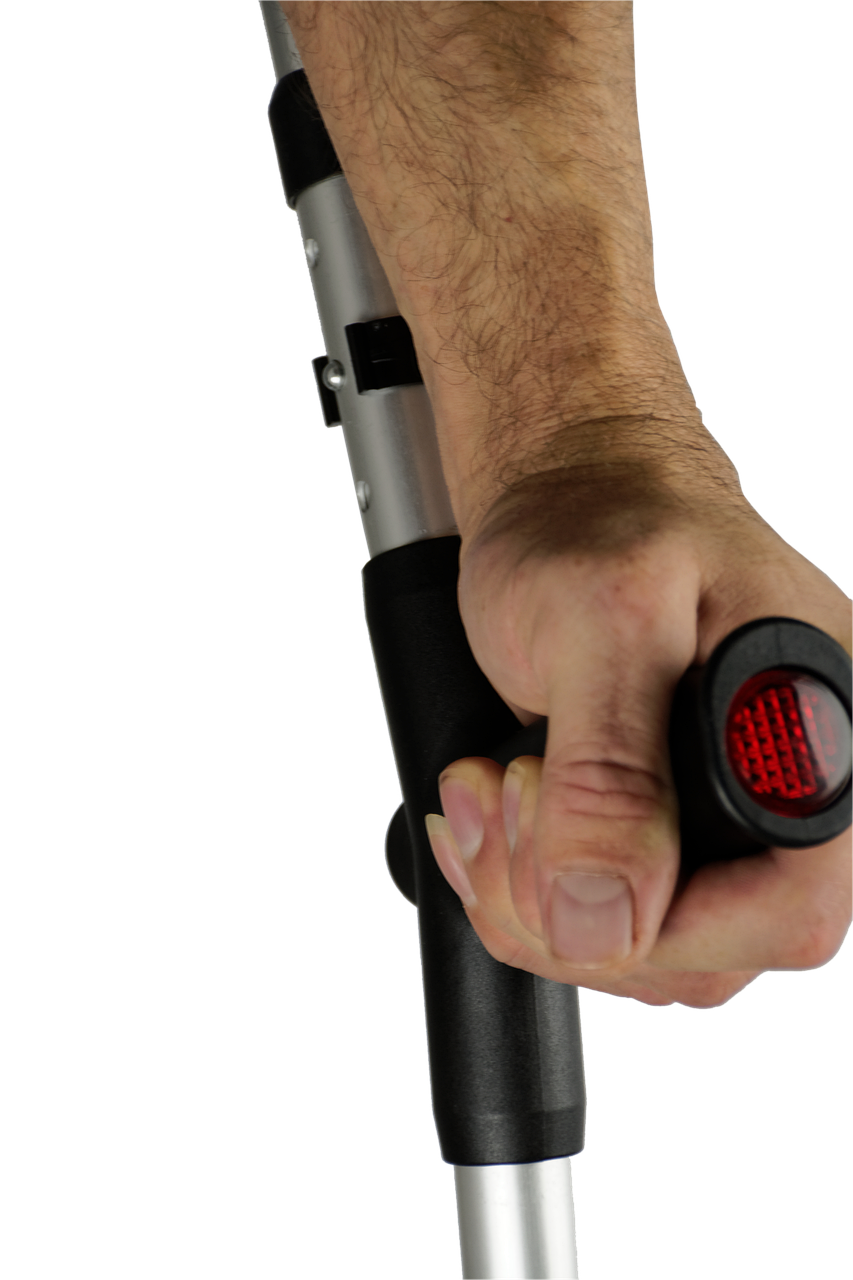
Adaptive physical activity refers to exercise programs that are specifically modified to meet the unique needs of individuals with disabilities. Adaptations may involve changes in equipment, environment, or instructional methods. For example, a wheelchair‑accessible gym may replace standard treadmills with hand‑cycle ergometers, allowing athletes with spinal cord injury to develop cardiovascular endurance while seated. The primary goal is to preserve the fundamental principles of training—progressive overload, specificity, and recovery—while ensuring safety and accessibility.
Inclusive recreation is a broader philosophy that promotes participation of people with disabilities alongside non‑disabled peers in community‑based sport and leisure activities. This concept emphasizes removing social and physical barriers so that everyone can experience the benefits of active living. A practical illustration is a community swimming pool that offers ramp‑accessible entry, pool lifts, and trained lifeguards, enabling individuals with mobility impairments to join mainstream swim lessons. Challenges often arise from limited staff training, inadequate funding for adaptive equipment, and lingering attitudes that view disability as a “special case” rather than a routine aspect of program planning.
Exercise prescription is a systematic approach used by health‑professionals to design individualized activity plans. It takes into account the participant’s medical history, functional level, and personal goals. A typical prescription for a person with cerebral palsy might include three weekly sessions of low‑impact aerobic activity (e.G., Seated cycling) at moderate intensity, combined with twice‑weekly resistance training focusing on major muscle groups. The prescription outlines frequency, intensity, time, and type (FITT principle) and provides clear progression criteria. One frequent obstacle is the lack of standardized guidelines for certain disability categories, which can lead to overly cautious or overly aggressive programming.
Functional capacity describes the ability of an individual to perform tasks that are essential for daily living, such as walking, lifting, or climbing stairs. Physical activity can enhance functional capacity by improving muscle strength, coordination, and endurance. For instance, a strength‑training regimen using resistance bands can increase the grip strength of a person with multiple sclerosis, thereby facilitating the ability to open jars or button shirts. Monitoring functional capacity often requires functional tests (e.G., Timed up‑and‑go, six‑minute walk test) that must be adapted for wheelchair users or those with visual impairments.
Activities of daily living (ADL) encompass the routine tasks that people need to manage to live independently. Regular participation in physical activity has been shown to reduce the effort required to complete ADLs. A case study of an older adult with a below‑knee amputation demonstrated that a 12‑week program of progressive balance and strength exercises decreased the time needed to don prosthetic footwear, thereby improving independence. Barriers to ADL improvement include limited access to qualified trainers and the tendency of some clinicians to focus solely on medical outcomes rather than functional goals.
Quality of life is a multidimensional construct that includes physical health, psychological state, social relationships, and environmental context. Physical activity contributes positively to each domain. Research indicates that individuals with spinal cord injury who engage in regular wheelchair sports report higher satisfaction with life, lower levels of depressive symptoms, and greater social integration. However, measuring quality of life can be challenging because standard instruments may not capture disability‑specific concerns; therefore, practitioners often supplement generic tools with disability‑focused questionnaires.
Social participation refers to involvement in community, family, and peer activities. Engaging in group‑based exercise classes can foster a sense of belonging and reduce social isolation. For example, a mixed‑ability dance class that incorporates visual cues and tactile prompts enables participants with visual impairments to learn choreography alongside sighted peers, promoting mutual respect and friendship. Difficulties arise when venues lack adaptable spaces or when transportation barriers limit attendance.
Psychological well‑being encompasses emotional health, self‑esteem, and resilience. Physical activity triggers the release of endorphins and other neurochemicals that alleviate anxiety and depression. A longitudinal study of adolescents with intellectual disability found that weekly adaptive soccer sessions led to measurable improvements in mood and self‑confidence. Yet, psychological benefits can be undermined by negative experiences such as stigmatization or over‑protective attitudes from caregivers.
Motor impairment is a broad term describing limitations in movement, strength, or coordination caused by conditions such as cerebral palsy, stroke, or traumatic brain injury. Tailored motor‑skill training, such as task‑specific practice or neuromuscular electrical stimulation, can enhance motor function and support more active lifestyles. A practical application includes using a treadmill with body‑weight support for a child with spastic diplegia to practice gait patterns safely. Limitations often stem from insufficient access to specialized equipment and the need for highly trained therapists.
Sensory impairment includes deficits in vision, hearing, or proprioception. Physical activity programs must incorporate adaptations that compensate for these deficits. For example, a yoga class for participants with hearing loss may use visual demonstrations and written cue cards rather than verbal instructions. In the case of visual impairment, tactile pathways and auditory signals can guide participants through a circuit‑training course. Common challenges involve the scarcity of instructors trained in sensory‑friendly communication strategies.
Cognitive impairment involves difficulties with memory, attention, or executive function, as seen in conditions such as Down syndrome or dementia. Structured, repetitive exercise sessions with clear, simple instructions can improve adherence and outcomes. A community center might offer a “memory‑match” aerobic game where participants follow a predictable sequence of movements, reinforcing both physical and cognitive skills. Barriers include limited funding for staff training and the tendency to underestimate the capacity of individuals with cognitive challenges.
Assistive technology encompasses devices that facilitate participation in physical activity, ranging from simple tools like grab bars to sophisticated systems such as powered exoskeletons. A wheelchair user may employ a portable hand‑cycle that attaches to the frame, enabling outdoor aerobic workouts. The integration of assistive technology requires careful assessment of fit, user comfort, and maintenance needs. High cost and lack of insurance coverage often limit widespread adoption.
Mobility aids such as walkers, canes, and prosthetic limbs support movement and balance. Incorporating these aids into exercise sessions can improve safety and confidence. For instance, a strength‑training program for an elderly participant with a cane might include balance drills that use the cane for support while progressively reducing reliance on it. A frequent difficulty is the misconception that mobility‑aid users should avoid “hard” exercise, leading to under‑utilization of their capacity.
Environmental barriers are physical or policy‑related obstacles that hinder access to activity opportunities. Examples include stairs without ramps, narrow doorways, or lack of accessible parking. Addressing these barriers often involves advocacy, policy change, and collaboration with architects. A successful case involved retrofitting a municipal sports hall with automatic doors and adjustable benches, resulting in a 40 % increase in participation among people with disabilities. Persistent challenges include limited budget allocations and competing priorities within municipal planning.
Universal design is a design philosophy that creates environments usable by all people, regardless of ability, without the need for adaptation. In a fitness context, this might mean installing adjustable weight machines that accommodate both seated and standing users. The principle encourages proactive inclusion rather than reactive modifications. However, implementing universal design can be costly upfront, and decision‑makers may be hesitant to invest without clear evidence of return on investment.
Physiological adaptations are the body’s responses to regular physical activity, which can be beneficial for people with disabilities as well as for the general population. Adaptations include increased cardiac output, enhanced muscle fiber recruitment, and improved metabolic efficiency. For example, a person with a thoracic spinal cord injury who engages in upper‑body ergometer training may experience a rise in stroke volume, leading to better oxygen delivery during daily tasks. Monitoring these adaptations often requires specialized equipment, such as portable metabolic carts, which may not be readily available in community settings.
Cardiovascular endurance is the capacity of the heart, lungs, and circulatory system to supply oxygen during sustained activity. Improved endurance reduces fatigue during ADLs and promotes overall health. A typical training protocol for individuals with paraplegia involves 20‑minute sessions of hand‑cycle intervals at 60‑70 % of heart rate reserve, three times per week. Challenges include accurate measurement of heart rate in individuals with autonomic dysfunction, where traditional pulse monitors may give unreliable readings.
Muscle hypertrophy describes the growth of muscle fibers in response to resistance training. Even in the presence of neurological impairment, targeted strength training can stimulate hypertrophy and increase functional strength. A study involving adults with multiple sclerosis demonstrated that a 12‑week program of progressive resistance using elastic bands resulted in a 15 % increase in quadriceps cross‑sectional area. The main obstacle is ensuring appropriate load progression without causing excessive muscle soreness, which can deter continued participation.
Bone density is a measure of mineral content in bones, influencing fracture risk. Weight‑bearing activities stimulate osteogenesis, even for individuals who use assistive devices. For example, a person with a unilateral below‑knee amputation may engage in impact‑loading exercises such as hopping on a mini‑trampoline, promoting bone health in the residual limb. Contraindications, such as severe osteoporosis, must be carefully screened to avoid injury.
Neuroplasticity refers to the brain’s ability to reorganize neural pathways in response to learning and experience. Physical activity can promote neuroplastic changes, enhancing motor recovery after stroke. A practical application involves combining aerobic exercise with task‑specific training, which has been shown to improve gait symmetry in post‑stroke patients. Limitations include the need for high‑intensity protocols that may be difficult for individuals with fatigue or limited cardiovascular capacity.
Fatigue management is essential when prescribing exercise for people with chronic conditions such as chronic fatigue syndrome or post‑polio syndrome. Strategies include scheduling shorter sessions, incorporating rest intervals, and using lower intensity levels. A participant with myasthenia gravis may benefit from a morning routine of gentle stretching followed by brief bouts of resistance work, allowing for recovery before the afternoon. The challenge lies in balancing the desire for progress with the risk of exacerbating fatigue.
Self‑efficacy is the belief in one’s ability to succeed in specific situations. Higher self‑efficacy predicts greater adherence to exercise programs. Techniques to boost self‑efficacy include mastery experiences (e.G., Achieving a new distance on a hand‑cycle), verbal persuasion from coaches, and modeling by peers. A real‑world example is a peer‑led adaptive rowing club where newcomers observe seasoned members completing 500‑meter rows, fostering confidence. Barriers include negative past experiences and societal stereotypes that diminish perceived competence.
Motivation drives behavior change and can be intrinsic (personal enjoyment) or extrinsic (rewards, social recognition). Understanding an individual’s motivational profile aids in selecting appropriate activity formats. For instance, a person with a visual impairment may find intrinsic motivation in tactile exploration during a nature‑walk program, while another may respond better to extrinsic motivators such as certificates of achievement. A common obstacle is the lack of individualized motivational assessments in standard program intake procedures.
Behavior change models, such as the Transtheoretical Model or Self‑Determination Theory, guide the development of interventions that support long‑term activity adoption. Applying these models involves assessing readiness to change, setting realistic goals, and providing ongoing support. A community health worker might use the stages of change framework to help a newly diagnosed wheelchair user move from contemplation to preparation by arranging a trial gym visit. The primary difficulty is ensuring that staff are trained in these theoretical approaches, which are often omitted in routine practice.
Goal setting is a collaborative process that defines specific, measurable, attainable, relevant, and time‑bound (SMART) objectives. For a adolescent with cerebral palsy, a SMART goal could be “increase hand‑cycle distance from 500 m to 800 m in eight weeks.” Clear goals provide direction and enable progress tracking. However, overly ambitious goals can lead to frustration, whereas vague goals may result in disengagement. Continuous reassessment and adjustment are essential.
Progress monitoring involves systematic data collection to evaluate changes in performance, health markers, and participant satisfaction. Tools may include activity logs, wearable sensors, and periodic functional assessments. For example, a therapist might record the number of repetitions completed on a resistance band set each session, allowing for objective evaluation of strength gains. Barriers to effective monitoring include limited access to technology, privacy concerns, and the additional administrative burden on staff.
Risk assessment is a pre‑participation process that identifies potential health hazards and determines suitability for exercise. It includes reviewing medical history, current medications, and specific disability‑related concerns such as spasticity or autonomic dysreflexia. A comprehensive risk assessment for a person with a high‑level spinal cord injury would examine blood pressure regulation, skin integrity, and respiratory function before prescribing vigorous activity. The challenge is balancing thoroughness with practicality; overly lengthy assessments may deter participation.
Contraindications are conditions or factors that preclude certain types of exercise. Absolute contraindications, such as unstable fractures, must be avoided entirely, while relative contraindications, like mild hypertension, may require modifications. An individual with severe osteoporosis might be advised against high‑impact activities but could safely perform low‑impact aquatic exercises. Knowledge of contraindications is essential to prevent injury and maintain confidence in the program.
Pre‑participation screening typically involves questionnaires (e.G., PAR‑Q) and, when necessary, physician clearance. For people with disabilities, screening tools must be adapted to capture relevant information, such as the presence of autonomic dysreflexia triggers in spinal cord injury. A well‑designed screening process can identify hidden health risks, such as undiagnosed cardiac arrhythmias, that could be exacerbated by exercise. Limitations include the potential for over‑screening, which may create unnecessary barriers to entry.
Exercise intensity describes the amount of effort required to perform a given activity. It can be expressed as a percentage of maximal heart rate, heart rate reserve, or perceived exertion. For individuals using wheelchairs, intensity may be gauged using the rating of perceived exertion (RPE) scale, as heart rate responses can be blunted. A practical approach is to combine RPE with objective measures like power output from a hand‑cycle ergometer to ensure the target intensity is achieved.
Moderate intensity is defined as activity that raises the heart rate to 50‑70 % of maximal capacity and elicits a moderate level of breathlessness. In practice, a person with a lower‑limb amputation might perform seated rowing at a pace that feels “somewhat hard” on the RPE scale (4–5 out of 10). Consistent moderate‑intensity exercise has been linked to improvements in blood pressure, lipid profile, and mental health. A common barrier is the misperception that “moderate” is insufficient for health benefits, leading some participants to skip sessions entirely.
Vigorous intensity involves raising heart rate to 70‑85 % of maximal capacity, producing a “hard” or “very hard” feeling on the RPE scale (6–8). For a swimmer with a visual impairment, vigorous intensity could be achieved through interval sets of 50‑meter strokes at maximal effort followed by brief recovery periods. While vigorous activity yields greater cardiovascular gains, it also increases the risk of overuse injuries and may be less tolerable for individuals with limited energy reserves. Careful progression and adequate recovery are crucial.
Rating of perceived exertion (RPE) is a subjective scale that allows individuals to rate how hard they feel they are working. The Borg 6‑20 scale and the modified 0‑10 scale are commonly used. RPE is especially valuable for people with autonomic dysfunction, where heart rate may not reliably reflect intensity. For instance, a participant with a high‑cervical spinal cord injury might report an RPE of 5 during a hand‑cycle session, indicating moderate effort despite a relatively low heart rate. Training staff to interpret and utilize RPE accurately is essential.
Heart rate reserve (HRR) is the difference between maximal heart rate and resting heart rate. It provides a more individualized method for prescribing intensity than maximal heart rate alone. The formula HRR = (max HR – resting HR) is applied to calculate target heart rate zones. For a person with a lower‑limb prosthesis, HRR‑based training can ensure appropriate intensity while accounting for variations in resting heart rate due to medication. Limitations include the need for reliable maximal heart rate testing, which may be contraindicated in some disability groups.
Target heart rate is the specific heart rate range that an individual should aim for during exercise to achieve desired intensity levels. It is calculated using HRR or percentage of maximal heart rate. A wheelchair athlete with a resting heart rate of 70 bpm and a predicted maximal heart rate of 180 bpm would have an HRR of 110 bpm; aiming for 60 % intensity yields a target heart rate of 70 + (0.60 × 110) ≈ 136 Bpm. Accurate monitoring requires reliable heart rate devices, which may be problematic for users with skin sensitivity or those who wear prosthetic fittings.
Warm‑up prepares the body for more demanding activity by gradually increasing circulation, muscle temperature, and joint mobility. A well‑structured warm‑up for a participant with spasticity might include gentle range‑of‑motion movements, light aerobic activity on a hand‑cycle, and progressive stretching. Warm‑ups reduce the risk of injury and can mitigate the onset of spastic episodes. Time constraints and limited space are common challenges that lead some programs to skip this essential component.
Cool‑down facilitates recovery by gradually lowering heart rate and promoting the removal of metabolic waste products. For individuals with autonomic dysreflexia, a cool‑down is critical to prevent sudden blood pressure spikes after vigorous activity. A typical cool‑down may consist of slow pedaling on a hand‑cycle followed by static stretching of the upper‑body muscles. Neglecting cool‑down can result in prolonged fatigue and increased soreness, discouraging future participation.
Stretching improves flexibility and can reduce the incidence of contractures, especially in populations with limited movement such as those with cerebral palsy. Dynamic stretching before activity and static stretching after activity are recommended. For a person using a wheelchair, shoulder stretching is vital to maintain range of motion for propulsion. Over‑stretching, however, may exacerbate joint laxity in individuals with hypermobility, highlighting the need for individualized protocols.
Strength training involves the use of resistance to increase muscular force. It can be performed with free weights, machines, resistance bands, or body weight. For people with limited hand function, adaptive devices such as grip‑assist handles enable participation. A progressive overload plan might start with a resistance band rated at 10 % of the participant’s maximal voluntary contraction, increasing tension every two weeks. Barriers include concerns about safety, limited knowledge of proper technique, and the perception that strength training is “only for athletes.”
Resistance training is a synonym for strength training, emphasizing the use of external loads. It is particularly effective for improving bone density and metabolic health. For an adult with a unilateral amputation, resistance training can focus on the intact limb to prevent asymmetrical loading, while also strengthening the residual limb to support prosthetic use. The primary challenge is ensuring balanced development and avoiding overuse injuries in the non‑amputated side.
Balance training enhances postural stability and reduces fall risk. It can be integrated through tasks such as single‑leg stance, tandem walking, or using balance boards. For individuals with vestibular disorders, proprioceptive exercises on a foam surface can improve sensory integration. A common difficulty is that many community gyms lack equipment specifically designed for wheelchair users, requiring creative adaptations such as seated balance challenges using a therapy ball.
Flexibility training focuses on increasing the range of motion of joints and muscles. It is essential for maintaining functional movement patterns, especially in individuals with contracture‑prone conditions. A simple flexibility routine for a person with a spinal cord injury might involve seated hamstring stretches using a strap. Consistency is key; occasional stretching yields minimal benefits, and participants may forget to incorporate flexibility work without structured reminders.
Aerobic training improves the efficiency of the cardiovascular and respiratory systems. Modes include hand‑cycling, arm‑ergometry, swimming, and wheelchair racing. For a person with a lower‑limb prosthesis, an arm‑ergometer session at 30 minutes of continuous effort can enhance VO₂max. Aerobic training also supports weight management, which can be beneficial for reducing pressure‑related skin issues. Barriers include limited access to appropriate equipment and misconceptions that aerobic exercise is unsafe for certain disability groups.
Interval training alternates periods of higher intensity with recovery intervals, offering a time‑efficient method to improve fitness. A wheelchair athlete might perform 1‑minute bursts at 85 % HRR followed by 2‑minute active recovery, repeating six times. This approach can produce similar or greater adaptations compared with continuous moderate‑intensity training, while also addressing fatigue concerns. However, precise intensity control is necessary to avoid overexertion, especially for individuals with autonomic instability.
Circuit training combines strength, aerobic, and flexibility stations in a rotating sequence, providing a varied and engaging workout. A community program could set up stations for resistance band rows, hand‑cycle sprints, and seated yoga poses, allowing participants to move between stations every 2 minutes. This format promotes social interaction and can be scaled to different ability levels. Logistical challenges include ensuring enough equipment and managing differing pacing among participants.
Group exercise offers social support, motivation, and a sense of belonging. It can be structured around adaptive sports, dance, or therapeutic movement classes. For example, a mixed‑ability Zumba class that incorporates visual cues and modified steps enables participants with diverse abilities to move together. Group dynamics can also foster peer learning, where experienced members model techniques. Potential drawbacks include the risk of competition or comparison, which may demotivate some individuals.
Peer support involves individuals with similar lived experiences offering encouragement, advice, and mentorship. In the context of physical activity, peer mentors can share strategies for navigating accessible gyms, adapting equipment, and maintaining motivation. A successful peer‑support model was observed in a wheelchair basketball league, where veteran players assisted newcomers with skill acquisition and confidence building. Sustainability of peer‑support programs often depends on ongoing funding and volunteer commitment.
Community integration refers to the process of becoming an active, valued member of society. Physical activity serves as a conduit for integration by providing opportunities for employment, recreation, and social connection. A case example is a city‑wide adaptive rowing program that partners with local businesses to create inclusive team‑building events. Barriers to integration include transportation limitations, lack of awareness among community leaders, and insufficient policy support.
Policy implications encompass the regulations, funding mechanisms, and legislative actions that influence the availability and quality of physical activity programs for people with disabilities. Policies such as the Americans with Disabilities Act (ADA) mandate reasonable accommodations in public facilities, including recreation centers. Effective policy advocacy may involve presenting evidence of health cost savings linked to active lifestyles, thereby encouraging government agencies to allocate resources for adaptive equipment. Implementation challenges include bureaucratic inertia and competing policy priorities.
Prevention of secondary health conditions is a key benefit of regular physical activity. Secondary conditions such as pressure ulcers, osteoporosis, and cardiovascular disease are common in populations with limited mobility. Engaging in weight‑bearing exercises, even in a seated position, can stimulate bone formation and improve circulation, reducing ulcer risk. A practical illustration is a weekly resistance training class for wheelchair users that incorporates pressure‑relief positioning, thereby addressing both musculoskeletal and skin health. The main obstacle is ensuring that participants understand the link between activity and secondary condition prevention.
Psychosocial benefits extend beyond physical health, encompassing improved self‑image, reduced anxiety, and stronger interpersonal relationships. Participation in adaptive sports often results in heightened community visibility, which can challenge stigma and promote societal attitudes of inclusion. For example, a wheelchair rugby tournament broadcast on local television showcased athletes’ skill and determination, inspiring viewers and fostering acceptance. Maintaining these benefits requires ongoing media coverage and community engagement.
Energy expenditure describes the amount of energy used during activity, typically measured in kilocalories. Accurate estimation helps individuals with limited energy reserves plan their daily activities without overtaxing themselves. Wearable devices that track arm‑movement can estimate energy expenditure for wheelchair users, allowing for better pacing throughout the day. Calibration of these devices for specific disability groups remains a technical challenge.
Functional training focuses on movements that directly translate to everyday tasks, such as transfers, reaching, and propulsion. By mimicking real‑world demands, functional training improves the transfer of gains from the gym to daily life. A functional training session for a person with a spinal cord injury might include simulated wheelchair transfers using a transfer board, followed by resistance exercises targeting the triceps and shoulder stabilizers. Ensuring that functional tasks are safely replicated in a controlled environment can be complex.
Motor learning involves the acquisition and refinement of movement patterns through practice and feedback. For individuals with motor impairments, explicit instruction, augmented feedback (e.G., Video analysis), and task repetition are essential. An example is teaching a child with cerebral palsy to use a modified kayak paddle, where video playback helps the child visualize proper stroke mechanics. Barriers include limited access to technology and the need for specialized expertise to interpret feedback meaningfully.
Assistive device training teaches individuals how to effectively use equipment such as wheelchairs, prostheses, or orthoses during exercise. Proper training can prevent injuries, improve performance, and increase confidence. A prosthetist might work with a new lower‑limb amputee to practice gait on a treadmill, gradually increasing speed while monitoring alignment. Challenges often involve coordinating multiple professionals (physiotherapists, prosthetists, trainers) and ensuring consistent communication.
Adaptive equipment includes any tool that modifies standard exercise modalities to accommodate disability. Examples are hand‑cycle attachments for stationary bikes, modified rowing machines with chest supports, and resistance bands with looped handles for limited grip strength. Selecting appropriate adaptive equipment requires a thorough assessment of the user’s functional abilities, preferences, and budget. High cost and limited availability are common obstacles, especially in low‑resource settings.
Environmental modifications refer to changes made to physical spaces to increase accessibility. Simple modifications, such as adding handrails, widening doorways, or installing tactile floor markers, can dramatically improve the ability of individuals with disabilities to engage in physical activity. In a school gym, installing a low‑profile ramp and adjustable basketball hoops enabled students with mobility impairments to participate fully in physical education. Funding constraints and lack of awareness among facility managers often hinder the implementation of such changes.
Self‑management strategies empower individuals to take control of their health and activity routines. Strategies may include goal‑setting worksheets, activity logs, and mobile apps that remind users to move. For a person with a progressive neurological condition, self‑management may involve adjusting exercise intensity as functional capacity changes, thereby maintaining participation over time. Resistance to self‑management can stem from low health literacy or limited access to technology.
Interdisciplinary collaboration is essential for delivering comprehensive physical activity programs. Professionals such as physiotherapists, occupational therapists, exercise physiologists, physicians, and recreation specialists must coordinate care. A multidisciplinary team might develop a program for a veteran with a traumatic brain injury, integrating cognitive training, aerobic conditioning, and adaptive sport. Communication breakdowns, differing professional cultures, and unclear role definitions can impede effective collaboration.
Evidence‑based practice requires that program design and delivery be grounded in the best available research. Systematic reviews have demonstrated that regular aerobic exercise reduces cardiovascular risk in individuals with spinal cord injury, while strength training improves upper‑body function in people with multiple sclerosis. Translating evidence into practice may involve adapting protocols to local resources, cultural contexts, and individual preferences. The main challenge is the limited quantity of high‑quality research specific to many disability sub‑populations.
Outcome measurement involves selecting appropriate metrics to evaluate program effectiveness. Common outcome measures include VO₂max for aerobic capacity, hand‑grip dynamometry for strength, and the WHO Quality of Life‑BREF for psychosocial impact. For participants with communication difficulties, proxy‑report measures may be necessary. Selecting valid, reliable, and disability‑sensitive tools is critical; otherwise, results may be misleading or fail to capture meaningful change.
Program sustainability addresses the long‑term viability of physical activity initiatives. Factors influencing sustainability include funding stability, staff turnover, community ownership, and ongoing evaluation. A successful example is a university‑partnered adaptive fitness center that secured multi‑year grants, trained peer leaders, and regularly reported outcomes to stakeholders, ensuring continued support. Common threats to sustainability are short‑term funding cycles and lack of integration into existing health‑service structures.
Barriers to participation are numerous and can be classified as personal, environmental, or systemic. Personal barriers include low confidence, fear of injury, or limited knowledge of adaptive options. Environmental barriers encompass inaccessible facilities, inadequate transportation, and lack of adaptive equipment. Systemic barriers involve insufficient policy support, inadequate insurance coverage, and scarce professional expertise. Identifying and addressing each barrier type is essential for creating inclusive programs.
Facilitators of participation are factors that encourage engagement. These include supportive family members, positive role models, accessible venues, affordable program fees, and clear communication about program benefits. For instance, a mentorship program pairing newly diagnosed participants with experienced adaptive athletes can boost confidence and provide practical tips. Facilitators must be reinforced through intentional program design and community outreach.
Motivational interviewing is a counseling technique that helps individuals resolve ambivalence about behavior change. It uses open‑ended questions, reflective listening, and affirmation to elicit intrinsic motivation. A physical therapist might employ motivational interviewing to explore a client’s values around independence, thereby linking exercise to personal goals such as “being able to shop independently.” Training staff in this technique can be resource‑intensive, but the payoff includes higher adherence rates.
Behavioral economics applies principles such as incentives, defaults, and framing to influence choices. In a community program, offering a small reward (e.G., A water bottle) for attending three consecutive sessions can increase attendance. Additionally, framing exercise as a “step toward autonomy” rather than a “medical requirement” may resonate more strongly with participants. Ethical considerations must be addressed to avoid coercion or unintended negative effects.
Technology‑enhanced interventions leverage digital tools such as mobile apps, virtual reality, and tele‑exercise platforms to broaden access. An adaptive yoga app that provides audio cues and visual demonstrations can be used at home by individuals unable to travel to a studio. Tele‑exercise sessions allow clinicians to monitor form in real time, providing immediate feedback. Technological barriers include limited internet connectivity, device affordability, and the need for user‑friendly interfaces.
Inclusive coaching involves training coaches to understand disability, adapt instruction, and foster an environment of respect. Certification programs that include modules on adaptive techniques, communication strategies, and legal obligations can improve coach competence. A coach who learns to give clear, concise instructions and to use tactile cues can better support athletes with visual impairments. Resistance from coaches accustomed to traditional methods may impede adoption.
Risk‑benefit analysis weighs the potential advantages of an activity against the possible hazards. For a person with severe osteoporosis, high‑impact activities may pose a fracture risk, while low‑impact alternatives such as aquatic exercise provide cardiovascular benefits with minimal skeletal stress. Conducting a thorough risk‑benefit analysis ensures that participants engage in activities that maximize health gains while minimizing danger. Documentation of this analysis is essential for legal protection and informed consent.
Informed consent is a legal and ethical requirement that ensures participants understand the nature, benefits, risks, and alternatives of a program before enrollment. For individuals with cognitive impairments, consent processes may involve simplified language, visual aids, and involvement of caregivers. Proper documentation of informed consent protects both the participant and the service provider. Challenges include ensuring true comprehension and respecting autonomy while safeguarding vulnerable individuals.
Health‑related fitness encompasses components such as cardiorespiratory endurance, muscular strength, flexibility, and body composition. Each component can be targeted through specific training modalities, even when disability imposes functional limitations. For example, a person with a unilateral below‑knee amputation may focus on upper‑body strength and core stability to support prosthetic use. Comprehensive programs that address all components tend to produce the greatest overall health improvements.
Functional independence is the capacity to perform ADLs without assistance. Physical activity contributes to functional independence by enhancing strength, balance, and endurance. A longitudinal study of adults with spinal cord injury demonstrated that those who engaged in regular wheelchair‑based aerobic exercise maintained higher levels of independence over a five‑year period compared with sedentary peers. Maintaining functional independence often requires ongoing support, adaptive equipment, and periodic re‑assessment.
Psychological resilience is the ability to adapt positively to adversity. Regular participation in physical activity can build resilience by providing a sense of mastery and coping skills. A participant with a progressive neuromuscular disease reported that weekly adaptive swimming sessions helped them manage stress and maintain optimism despite declining physical function. Building resilience may be hindered by limited program availability and lack of mental‑health integration.
Social capital refers to the networks, norms, and trust that facilitate cooperation within a community. Physical activity programs that foster interaction among participants can increase social capital, leading to broader community benefits such as advocacy for accessibility. A neighborhood adaptive walking group not only improved physical health but also organized a petition for better sidewalk curb cuts, illustrating the ripple effect of social capital. Sustaining social capital requires ongoing engagement and leadership development.
Adaptive sport is a competitive or recreational activity specifically modified for athletes with disabilities. Sports such as wheelchair basketball, sitting volleyball, and para‑archery provide opportunities for skill development, competition, and social connection. Participation in adaptive sport has been linked to improved self‑esteem, reduced symptom burden, and increased community integration. Barriers include limited competition opportunities, travel costs, and the need for specialized equipment.
Recreational therapy uses leisure activities as a therapeutic modality to promote physical and psychosocial well‑being. It can be particularly effective for individuals with mental health concerns co‑occurring with physical disability. A recreation therapist might design a horticulture program that includes wheelchair‑accessible raised beds, providing both physical activity and sensory stimulation. Funding constraints and limited recognition of recreation therapy as a clinical discipline can restrict its implementation.
Physical literacy denotes the confidence, competence, and motivation to engage in physical activity throughout life. Developing physical literacy in people with disabilities involves early exposure to adapted movement experiences, skill acquisition, and positive reinforcement. Programs that introduce children with developmental delays to adaptive gymnastics foster foundational movement skills and a lifelong affinity for activity. Challenges include a shortage of qualified instructors and limited inclusion of physical literacy concepts in school curricula.
Assistive device prescription is the process by which clinicians recommend specific tools to support activity. Accurate prescription requires assessment of the individual’s functional goals, environmental context, and personal preferences. For a senior with limited hand strength, a lightweight, ergonomic hand‑cycle may be prescribed to facilitate participation in community rides.
Key takeaways
- For example, a wheelchair‑accessible gym may replace standard treadmills with hand‑cycle ergometers, allowing athletes with spinal cord injury to develop cardiovascular endurance while seated.
- Challenges often arise from limited staff training, inadequate funding for adaptive equipment, and lingering attitudes that view disability as a “special case” rather than a routine aspect of program planning.
- One frequent obstacle is the lack of standardized guidelines for certain disability categories, which can lead to overly cautious or overly aggressive programming.
- For instance, a strength‑training regimen using resistance bands can increase the grip strength of a person with multiple sclerosis, thereby facilitating the ability to open jars or button shirts.
- A case study of an older adult with a below‑knee amputation demonstrated that a 12‑week program of progressive balance and strength exercises decreased the time needed to don prosthetic footwear, thereby improving independence.
- However, measuring quality of life can be challenging because standard instruments may not capture disability‑specific concerns; therefore, practitioners often supplement generic tools with disability‑focused questionnaires.
- For example, a mixed‑ability dance class that incorporates visual cues and tactile prompts enables participants with visual impairments to learn choreography alongside sighted peers, promoting mutual respect and friendship.