
Logistics and Supply Chain Management
Logistics and Supply Chain Management are critical components of the Executive Certificate in Offshore Construction Management, as they play a vital role in ensuring the timely and cost-effective delivery of projects. The logistics function…
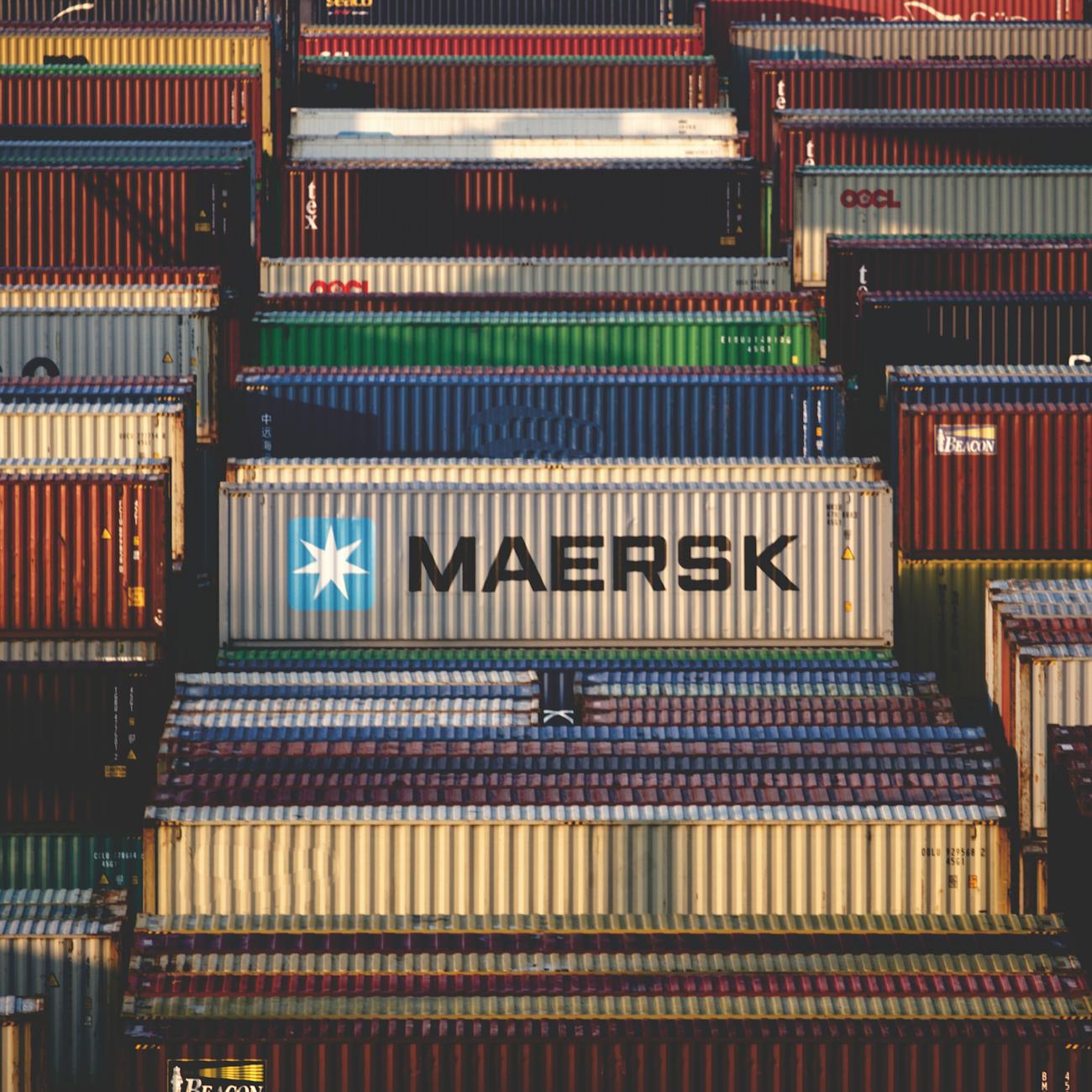
Logistics and Supply Chain Management are critical components of the Executive Certificate in Offshore Construction Management, as they play a vital role in ensuring the timely and cost-effective delivery of projects. The logistics function is responsible for planning, coordinating, and controlling the flow of goods, services, and information from the point of origin to the point of consumption. This includes managing the movement of people, materials, and equipment to support the construction project. In the context of offshore construction, logistics management is particularly complex due to the remote location of the project site and the need to transport personnel, equipment, and materials over long distances.
Effective supply chain management is essential to ensure that the necessary materials and equipment are available when needed, and that the construction project is completed on time and within budget. The supply chain refers to the network of organizations, people, and activities involved in the production and delivery of a product or service. In the context of offshore construction, the supply chain includes the manufacturers of equipment and materials, transportation providers, and logistics services providers. The supply chain manager must coordinate and manage the activities of these various stakeholders to ensure that the supply chain operates efficiently and effectively.
One of the key challenges in logistics and supply chain management for offshore construction projects is the transportation of personnel, equipment, and materials to the project site. This can involve the use of ships, helicopters, and other specialized transportation equipment. The logistics manager must plan and coordinate the transportation of these items, taking into account factors such as weather conditions, sea state, and the availability of transportation equipment. For example, in the case of a project located in a remote area with limited access to transportation infrastructure, the logistics manager may need to charter a ship or helicopter to transport personnel and equipment to the site.
Another important aspect of logistics and supply chain management for offshore construction projects is inventory management. The logistics manager must ensure that the necessary materials and equipment are available on site when needed, while also minimizing the costs associated with storing and maintaining inventory. This can involve the use of just-in-time inventory management techniques, which involve ordering and receiving inventory just in time to meet the needs of the construction project. For example, in the case of a project that requires a large quantity of steel pipes, the logistics manager may use a just-in-time inventory management system to ensure that the pipes are delivered to the site just in time to meet the needs of the construction schedule.
The procurement process is also a critical component of logistics and supply chain management for offshore construction projects. The procurement process involves the acquisition of goods and services from external sources, such as manufacturers and suppliers. The logistics manager must ensure that the procurement process is managed efficiently and effectively, taking into account factors such as the cost, quality, and availability of the goods and services. For example, in the case of a project that requires a specialized piece of equipment, the logistics manager may need to negotiate a contract with a supplier to ensure that the equipment is delivered to the site on time and within budget.
In addition to these challenges, logistics and supply chain managers for offshore construction projects must also contend with a range of risks and uncertainties. These can include factors such as weather conditions, sea state, and the availability of transportation equipment, as well as more strategic risks such as changes in the construction schedule or the availability of personnel and equipment. The logistics manager must develop strategies to mitigate these risks, such as by developing contingency plans or identifying alternative sources of supply. For example, in the case of a project that is located in an area prone to hurricanes, the logistics manager may develop a contingency plan to evacuate personnel and equipment in the event of a hurricane.
The use of technology is also playing an increasingly important role in logistics and supply chain management for offshore construction projects. This can include the use of software systems to manage inventory, track shipments, and coordinate the activities of logistics personnel. For example, in the case of a project that requires the transportation of a large quantity of equipment to a remote location, the logistics manager may use a software system to track the movement of the equipment and ensure that it is delivered to the site on time. The use of GPS tracking systems is also becoming more common, as it allows logistics managers to track the movement of personnel, equipment, and materials in real-time.
In terms of best practices, logistics and supply chain managers for offshore construction projects should focus on developing a strategic approach to logistics and supply chain management. This involves aligning the logistics and supply chain function with the overall goals and objectives of the construction project, and developing a comprehensive plan to manage the flow of goods, services, and information. The logistics manager should also focus on building relationships with key stakeholders, such as suppliers and transportation providers, to ensure that the supply chain operates efficiently and effectively. For example, in the case of a project that requires a large quantity of materials from a single supplier, the logistics manager may develop a strategic partnership with the supplier to ensure that the materials are delivered to the site on time and within budget.
The integration of logistics and supply chain management with other functions, such as construction and operations, is also critical to the success of offshore construction projects. The logistics manager should work closely with other stakeholders to ensure that the logistics and supply chain function is aligned with the overall goals and objectives of the project. For example, in the case of a project that requires the transportation of a large quantity of equipment to a remote location, the logistics manager may work with the construction team to develop a plan to receive and install the equipment on site. The use of cross-functional teams is also becoming more common, as it allows logistics managers to work closely with other stakeholders to develop and implement logistics and supply chain strategies.
The measurement of logistics and supply chain performance is also an important aspect of logistics and supply chain management for offshore construction projects. The logistics manager should develop a set of key performance indicators (KPIs) to measure the performance of the logistics and supply chain function, such as the cost of logistics, the time it takes to deliver goods and services, and the level of customer satisfaction. For example, in the case of a project that requires the transportation of a large quantity of materials to a remote location, the logistics manager may use KPIs such as the cost of transportation and the time it takes to deliver the materials to measure the performance of the logistics function.
In terms of challenges, logistics and supply chain managers for offshore construction projects face a range of difficulties, including the remote location of the project site, the limited availability of transportation infrastructure, and the need to manage a complex network of suppliers and stakeholders. The logistics manager must develop strategies to overcome these challenges, such as by developing contingency plans or identifying alternative sources of supply. For example, in the case of a project that is located in an area prone to natural disasters, the logistics manager may develop a contingency plan to evacuate personnel and equipment in the event of a disaster.
The future of logistics and supply chain management for offshore construction projects is likely to be shaped by a range of factors, including the increasing use of technology, the growing importance of sustainability, and the need to manage complex global supply chains. The logistics manager must stay up-to-date with the latest developments and trends in logistics and supply chain management, and develop strategies to address the challenges and opportunities presented by these factors. For example, in the case of a project that requires the transportation of a large quantity of equipment to a remote location, the logistics manager may use alternative fuels or renewable energy sources to reduce the environmental impact of the project.
The use of third-party logistics (3PL) providers is also becoming more common in offshore construction projects. 3PL providers are companies that specialize in providing logistics services to other companies, such as transportation, warehousing, and freight forwarding. The logistics manager may use 3PL providers to outsource certain logistics functions, such as the transportation of personnel and equipment to the project site. For example, in the case of a project that requires the transportation of a large quantity of materials to a remote location, the logistics manager may use a 3PL provider to manage the transportation of the materials and ensure that they are delivered to the site on time.
In addition to the use of 3PL providers, the logistics manager may also use fourth-party logistics (4PL) providers. 4PL providers are companies that specialize in providing integrated logistics services, such as supply chain management, transportation management, and warehousing management. The logistics manager may use 4PL providers to outsource the management of the entire logistics function, including the transportation of personnel and equipment to the project site, the management of inventory, and the coordination of the activities of logistics personnel. For example, in the case of a project that requires the transportation of a large quantity of equipment to a remote location, the logistics manager may use a 4PL provider to manage the entire logistics function and ensure that the equipment is delivered to the site on time and within budget.
The training and development of logistics personnel is also critical to the success of offshore construction projects. The logistics manager should ensure that logistics personnel have the necessary skills and knowledge to manage the logistics function effectively, including the use of software systems, the management of inventory, and the coordination of the activities of logistics personnel. For example, in the case of a project that requires the transportation of a large quantity of materials to a remote location, the logistics manager may provide training to logistics personnel on the use of software systems to track the movement of the materials and ensure that they are delivered to the site on time.
The certification of logistics personnel is also becoming more common in offshore construction projects. Certification programs, such as the Certified Supply Chain Professional (CSCP) designation, provide logistics personnel with the necessary skills and knowledge to manage the logistics function effectively. The logistics manager may require logistics personnel to obtain certification in order to demonstrate their expertise and commitment to the logistics function. For example, in the case of a project that requires the transportation of a large quantity of equipment to a remote location, the logistics manager may require logistics personnel to obtain certification in the use of software systems to track the movement of the equipment and ensure that it is delivered to the site on time.
In terms of benefits, effective logistics and supply chain management can provide a range of benefits to offshore construction projects, including cost savings, improved efficiency, and enhanced customer satisfaction. The logistics manager should focus on developing a strategic approach to logistics and supply chain management, and work closely with other stakeholders to ensure that the logistics and supply chain function is aligned with the overall goals and objectives of the project. For example, in the case of a project that requires the transportation of a large quantity of materials to a remote location, the logistics manager may develop a plan to reduce the cost of transportation and improve the efficiency of the logistics function, resulting in cost savings and improved customer satisfaction.
The implementation of logistics and supply chain management strategies is also critical to the success of offshore construction projects. The logistics manager should develop a comprehensive plan to implement logistics and supply chain management strategies, including the use of software systems, the management of inventory, and the coordination of the activities of logistics personnel. For example, in the case of a project that requires the transportation of a large quantity of equipment to a remote location, the logistics manager may develop a plan to implement a software system to track the movement of the equipment and ensure that it is delivered to the site on time.
The monitoring and evaluation of logistics and supply chain performance is also essential to the success of offshore construction projects. The logistics manager should develop a set of key performance indicators (KPIs) to measure the performance of the logistics and supply chain function, including the cost of logistics, the time it takes to deliver goods and services, and the level of customer satisfaction.
In terms of tools and techniques, logistics and supply chain managers for offshore construction projects use a range of tools and techniques to manage the logistics and supply chain function. These can include software systems, such as enterprise resource planning (ERP) systems, supply chain management (SCM) systems, and transportation management systems (TMS). The logistics manager may also use spreadsheets and other analytical tools to analyze data and make informed decisions about logistics and supply chain management.
The use of lean principles is also becoming more common in logistics and supply chain management for offshore construction projects. Lean principles involve the elimination of waste and the optimization of processes to improve efficiency and reduce costs. The logistics manager may use lean principles to streamline logistics and supply chain processes, reduce inventory levels, and improve the overall efficiency of the logistics function. For example, in the case of a project that requires the transportation of a large quantity of materials to a remote location, the logistics manager may use lean principles to reduce the cost of transportation and improve the efficiency of the logistics function.
The application of logistics and supply chain management principles to offshore construction projects is critical to the success of these projects. For example, in the case of a project that requires the transportation of a large quantity of equipment to a remote location, the logistics manager may develop a plan to apply logistics and supply chain management principles to reduce the cost of transportation and improve the efficiency of the logistics function.
In terms of research, there is a need for further research into the application of logistics and supply chain management principles to offshore construction projects. The logistics manager should stay up-to-date with the latest developments and trends in logistics and supply chain management, and participate in research studies and other initiatives to advance the field. For example, in the case of a project that requires the transportation of a large quantity of materials to a remote location, the logistics manager may participate in a research study to investigate the use of alternative fuels or renewable energy sources to reduce the environmental impact of the project.
The education and training of logistics personnel is also critical to the success of offshore construction projects. For example, in the case of a project that requires the transportation of a large quantity of equipment to a remote location, the logistics manager may provide training to logistics personnel on the use of software systems to track the movement of the equipment and ensure that it is delivered to the site on time.
For example, in the case of a project that requires the transportation of a large quantity of materials to a remote location, the logistics manager may require logistics personnel to obtain certification in the use of software systems to track the movement of the materials and ensure that they are delivered to the site on time.
In terms of future directions, the field of logistics and supply chain management for offshore construction projects is likely to continue to evolve and change in response to advances in technology, changes in the global economy, and the growing importance of sustainability. The logistics manager should stay up-to-date with the latest developments and trends in logistics and supply chain management, and develop strategies to address the challenges and opportunities presented by these factors. For example, in the case of a project that requires the transportation of a large quantity of equipment to a remote location, the logistics manager may develop a plan to use alternative fuels or renewable energy sources to reduce the environmental impact of the project.
The use of collaboration and partnership is also becoming more common in logistics and supply chain management for offshore construction projects. The logistics manager may work closely with other stakeholders, such as suppliers and transportation providers, to develop and implement logistics and supply chain strategies. For example, in the case of a project that requires the transportation of a large quantity of materials to a remote location, the logistics manager may work with a supplier to develop a plan to reduce the cost of transportation and improve the efficiency of the logistics function.
In terms of best practices, logistics and supply chain managers for offshore construction projects should focus on developing a strategic approach to logistics and supply chain management, and work closely with other stakeholders to ensure that the logistics and supply chain function is aligned with the overall goals and objectives of the project.
Key takeaways
- Logistics and Supply Chain Management are critical components of the Executive Certificate in Offshore Construction Management, as they play a vital role in ensuring the timely and cost-effective delivery of projects.
- Effective supply chain management is essential to ensure that the necessary materials and equipment are available when needed, and that the construction project is completed on time and within budget.
- The logistics manager must plan and coordinate the transportation of these items, taking into account factors such as weather conditions, sea state, and the availability of transportation equipment.
- The logistics manager must ensure that the necessary materials and equipment are available on site when needed, while also minimizing the costs associated with storing and maintaining inventory.
- The logistics manager must ensure that the procurement process is managed efficiently and effectively, taking into account factors such as the cost, quality, and availability of the goods and services.
- These can include factors such as weather conditions, sea state, and the availability of transportation equipment, as well as more strategic risks such as changes in the construction schedule or the availability of personnel and equipment.
- The use of GPS tracking systems is also becoming more common, as it allows logistics managers to track the movement of personnel, equipment, and materials in real-time.