
Technical Specifications and Design
Technical specifications and design are crucial components of offshore construction management, as they outline the requirements and parameters for the construction of offshore structures, such as oil rigs, wind farms, and pipelines. A key …
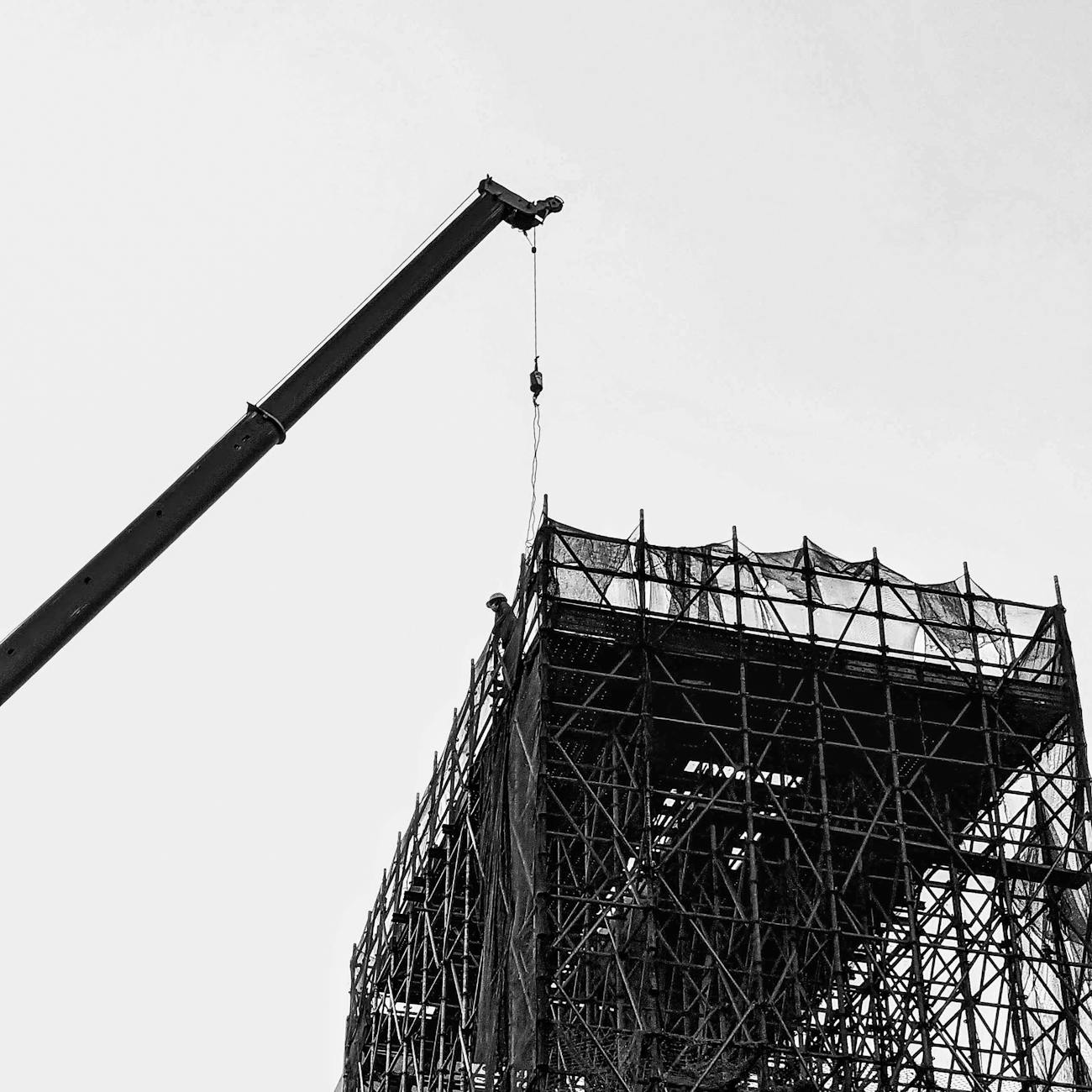
Technical specifications and design are crucial components of offshore construction management, as they outline the requirements and parameters for the construction of offshore structures, such as oil rigs, wind farms, and pipelines. A key term in this context is feasibility study, which is an assessment of the practicality of a proposed project, taking into account factors such as cost, technology, and environmental impact. This study is essential in determining whether a project is viable and should proceed to the next stage of development.
In the design phase, technical specifications play a vital role in defining the requirements for the construction of offshore structures. These specifications typically include details on the materials, equipment, and labor required for the project, as well as any relevant safety protocols and environmental regulations. For example, the design of an offshore oil rig may require the use of specialized materials, such as steel alloys, that can withstand the harsh marine environment.
Another important concept in offshore construction management is project planning, which involves the development of a detailed plan outlining the scope, schedule, and budget for the project. This plan should take into account various factors, including the geotechnical conditions of the site, the logistical challenges of transporting equipment and personnel, and the potential environmental impacts of the project. Effective project planning is critical to ensuring that the project is completed on time, within budget, and to the required quality standards.
The design of offshore structures must also take into account the hydrodynamic forces that act upon them, such as waves, currents, and tides. These forces can have a significant impact on the stability and integrity of the structure, and must be carefully considered in the design phase. For example, the design of an offshore wind farm may require the use of foundation systems that can withstand the forces generated by waves and currents.
In addition to the technical specifications and design requirements, offshore construction projects must also comply with various regulatory requirements and standards. These may include regulations related to environmental impact, safety protocols, and quality control. For example, the construction of an offshore oil rig may be subject to regulations related to the disposal of waste materials, the protection of marine habitats, and the prevention of oil spills.
The construction phase of an offshore project involves the physical building of the structure, and requires careful planning and execution to ensure that the project is completed on time and within budget. This phase may involve the use of specialized equipment, such as cranes and pipelayers, as well as the deployment of personnel with expertise in areas such as welding and engineering. The construction phase must also take into account the logistical challenges of transporting equipment and personnel to the site, as well as the potential risks associated with working in a marine environment.
Offshore construction projects often involve the use of contractors and subcontractors, who may be responsible for specific aspects of the project, such as the installation of pipelines or the construction of foundations. Effective communication and coordination between these parties is critical to ensuring that the project is completed successfully. This may involve the use of project management tools, such as scheduling software and budgeting systems, to track progress and identify potential risks or delays.
The operation and maintenance of offshore structures is also a critical aspect of offshore construction management. This may involve the use of remote operating vehicles (ROVs) and autonomous underwater vehicles (AUVs) to inspect and maintain the structure, as well as the deployment of personnel to perform routine maintenance tasks. The operation and maintenance phase must also take into account the environmental impacts of the structure, such as the potential for oil spills or habitat disruption.
In terms of quality control, offshore construction projects must adhere to strict standards and regulations to ensure that the structure is safe, reliable, and environmentally friendly. This may involve the use of inspection and testing procedures to verify the integrity of the structure, as well as the implementation of quality management systems to track and improve performance. For example, the construction of an offshore wind farm may require the use of certification schemes, such as those offered by the International Organization for Standardization (ISO), to demonstrate compliance with industry standards.
The decommissioning of offshore structures is also an important aspect of offshore construction management, as it involves the safe and environmentally responsible removal of the structure at the end of its life cycle. This phase may involve the use of specialized equipment, such as cutting tools and lifting gear, as well as the deployment of personnel with expertise in areas such as demolition and hazardous materials handling. The decommissioning phase must also take into account the environmental impacts of the removal process, such as the potential for oil spills or habitat disruption.
In addition to the technical and logistical challenges associated with offshore construction management, there are also economic and social factors to consider. For example, the construction of an offshore oil rig may have significant economic benefits, such as the creation of jobs and the generation of revenue, but it may also have social impacts, such as the disruption of local communities and the potential for environmental damage. Effective offshore construction management must take into account these economic and social factors, and strive to minimize the negative impacts while maximizing the benefits.
The use of technology is also playing an increasingly important role in offshore construction management, as it enables the remote monitoring and control of offshore structures, as well as the use of automated systems for inspection and maintenance. For example, the use of unmanned aerial vehicles (UAVs) and autonomous underwater vehicles (AUVs) can help to reduce the risks associated with offshore construction, while also improving the efficiency and productivity of the project.
In terms of project financing, offshore construction projects often require significant investment and funding, which can be obtained through a variety of sources, such as loans, bonds, and equity investments. Effective financial management is critical to ensuring that the project is completed on time and within budget, and that the investors receive a return on their investment. This may involve the use of financial modeling and forecasting tools, as well as the implementation of risk management strategies to mitigate potential risks and uncertainties.
The management of risks and uncertainties is also a critical aspect of offshore construction management, as it involves the identification and mitigation of potential risks and threats to the project. This may involve the use of risk assessment and management tools, such as hazard identification and risk prioritization, as well as the implementation of contingency plans and emergency response procedures. For example, the construction of an offshore oil rig may require the use of emergency response plans to mitigate the risks associated with oil spills or fires.
In addition to the technical and logistical challenges associated with offshore construction management, there are also environmental and social factors to consider. For example, the construction of an offshore wind farm may have significant environmental benefits, such as the reduction of greenhouse gas emissions and the conservation of natural habitats, but it may also have social impacts, such as the disruption of local communities and the potential for noise pollution. Effective offshore construction management must take into account these environmental and social factors, and strive to minimize the negative impacts while maximizing the benefits.
The use of simulation and modeling tools is also becoming increasingly important in offshore construction management, as it enables the virtual testing and validation of offshore structures, as well as the optimization of design and construction processes. For example, the use of finite element analysis and computational fluid dynamics can help to improve the accuracy and reliability of offshore structure design, while also reducing the risks and uncertainties associated with offshore construction.
In terms of collaboration and partnership, offshore construction projects often require the involvement of multiple stakeholders and partners, such as contractors, subcontractors, and suppliers. Effective communication and coordination between these parties is critical to ensuring that the project is completed successfully, and that the benefits of the project are shared equitably among all stakeholders.
The training and development of personnel is also a critical aspect of offshore construction management, as it involves the provision of education and training programs to ensure that personnel have the skills and knowledge required to perform their jobs safely and effectively. This may involve the use of simulation and modeling tools, as well as the provision of on-the-job training and mentoring programs. For example, the construction of an offshore oil rig may require the use of specialized training programs to ensure that personnel are familiar with the equipment and procedures used in the operation and maintenance of the rig.
In terms of regulatory compliance, offshore construction projects must adhere to a range of regulations and standards, such as those related to environmental impact, safety protocols, and quality control. Effective regulatory compliance is critical to ensuring that the project is completed in a safe and environmentally responsible manner, and that the risks and uncertainties associated with offshore construction are mitigated. This may involve the use of regulatory compliance tools, such as auditing and monitoring systems, to track and verify compliance with regulations and standards.
The integration of systems and processes is also a critical aspect of offshore construction management, as it involves the coordination and integration of multiple systems and processes, such as design, construction, and operation. Effective integration is critical to ensuring that the project is completed efficiently and effectively, and that the benefits of the project are maximized.
In terms of innovation and research, offshore construction management is a field that is constantly evolving and improving, with new technologies and techniques being developed and implemented on a regular basis. Effective innovation and research is critical to ensuring that offshore construction projects are completed in a safe and environmentally responsible manner, and that the benefits of the project are maximized. This may involve the use of research and development programs, as well as the adoption of new technologies and techniques, such as offshore wind turbines and subsea pipelines.
The management of supply chains is also a critical aspect of offshore construction management, as it involves the coordination and management of multiple suppliers and contractors, as well as the procurement of materials and equipment. Effective supply chain management is critical to ensuring that the project is completed on time and within budget, and that the quality of the materials and equipment used in the project is high. This may involve the use of supply chain management tools, such as inventory management and logistics software, to track and manage the supply chain.
In terms of stakeholder engagement, offshore construction projects often require the involvement of multiple stakeholders, such as local communities, environmental groups, and regulatory agencies. Effective stakeholder engagement is critical to ensuring that the project is completed in a safe and environmentally responsible manner, and that the benefits of the project are shared equitably among all stakeholders. This may involve the use of stakeholder engagement tools, such as public meetings and consultation processes, to engage with stakeholders and address their concerns.
The monitoring and evaluation of offshore construction projects is also a critical aspect of offshore construction management, as it involves the tracking and evaluation of the project's progress and performance. Effective monitoring and evaluation is critical to ensuring that the project is completed on time and within budget, and that the quality of the project is high. This may involve the use of monitoring and evaluation tools, such as key performance indicators and benchmarking software, to track and evaluate the project's progress and performance.
In terms of lessons learned, offshore construction projects often provide valuable insights and lessons learned, which can be used to improve future projects. Effective lessons learned is critical to ensuring that the benefits of the project are maximized, and that the risks and uncertainties associated with offshore construction are mitigated. This may involve the use of lessons learned tools, such as post-project reviews and knowledge management systems, to capture and share lessons learned.
The application of best practices is also a critical aspect of offshore construction management, as it involves the adoption and implementation of best practices and standards in offshore construction. Effective best practices is critical to ensuring that the project is completed in a safe and environmentally responsible manner, and that the quality of the project is high. This may involve the use of best practices tools, such as industry guidelines and standards, to guide the planning, design, and execution of the project.
In terms of challenges, offshore construction projects often face a range of challenges, such as technical difficulties, logistical complexities, and environmental concerns. Effective challenge management is critical to ensuring that the project is completed on time and within budget, and that the quality of the project is high. This may involve the use of challenge management tools, such as risk assessment and mitigation strategies, to identify and address potential challenges.
The future of offshore construction management is likely to be shaped by a range of trends and developments, such as the increasing use of renewable energy sources, the growth of offshore wind and subsea construction, and the adoption of new technologies and techniques. Effective offshore construction management will be critical to ensuring that these trends and developments are harnessed to maximize the benefits of offshore construction, while minimizing the risks and uncertainties associated with offshore construction.
In terms of opportunities, offshore construction projects often provide a range of opportunities for innovation and improvement, such as the development of new technologies and techniques, the improvement of efficiency and productivity, and the enhancement of safety and environmental performance. Effective opportunity management is critical to ensuring that these opportunities are harnessed to maximize the benefits of offshore construction, while minimizing the risks and uncertainties associated with offshore construction.
The importance of offshore construction management cannot be overstated, as it is critical to ensuring that offshore construction projects are completed in a safe and environmentally responsible manner, and that the benefits of the project are maximized. Effective offshore construction management requires a range of skills and knowledge, including technical expertise, project management skills, and business acumen. It also requires a deep understanding of the challenges and opportunities associated with offshore construction, as well as the ability to adapt to changing circumstances and uncertainties.
In terms of complexity, offshore construction projects are often highly complex and challenging, requiring the coordination and management of multiple stakeholders, contractors, and suppliers. Effective offshore construction management must take into account this complexity, and strive to simplify and streamline the processes and procedures involved in offshore construction.
The role of technology in offshore construction management is also critical, as it enables the remote monitoring and control of offshore structures, as well as the use of automated systems for inspection and maintenance. Effective technology management is critical to ensuring that the benefits of offshore construction are maximized, while minimizing the risks and uncertainties associated with offshore construction.
In terms of integration, offshore construction management often requires the integration of multiple systems and processes, such as design, construction, and operation.
Effective risk management is critical to ensuring that the project is completed on time and within budget, and that the quality of the project is high.
Key takeaways
- Technical specifications and design are crucial components of offshore construction management, as they outline the requirements and parameters for the construction of offshore structures, such as oil rigs, wind farms, and pipelines.
- These specifications typically include details on the materials, equipment, and labor required for the project, as well as any relevant safety protocols and environmental regulations.
- Another important concept in offshore construction management is project planning, which involves the development of a detailed plan outlining the scope, schedule, and budget for the project.
- For example, the design of an offshore wind farm may require the use of foundation systems that can withstand the forces generated by waves and currents.
- For example, the construction of an offshore oil rig may be subject to regulations related to the disposal of waste materials, the protection of marine habitats, and the prevention of oil spills.
- This phase may involve the use of specialized equipment, such as cranes and pipelayers, as well as the deployment of personnel with expertise in areas such as welding and engineering.
- This may involve the use of project management tools, such as scheduling software and budgeting systems, to track progress and identify potential risks or delays.