
Engineering and Installation of Offshore Facilities
The process of engineering and installing offshore facilities involves a multitude of complex tasks, requiring a deep understanding of various technical terms and vocabulary. One of the primary concerns in offshore construction is the desig…
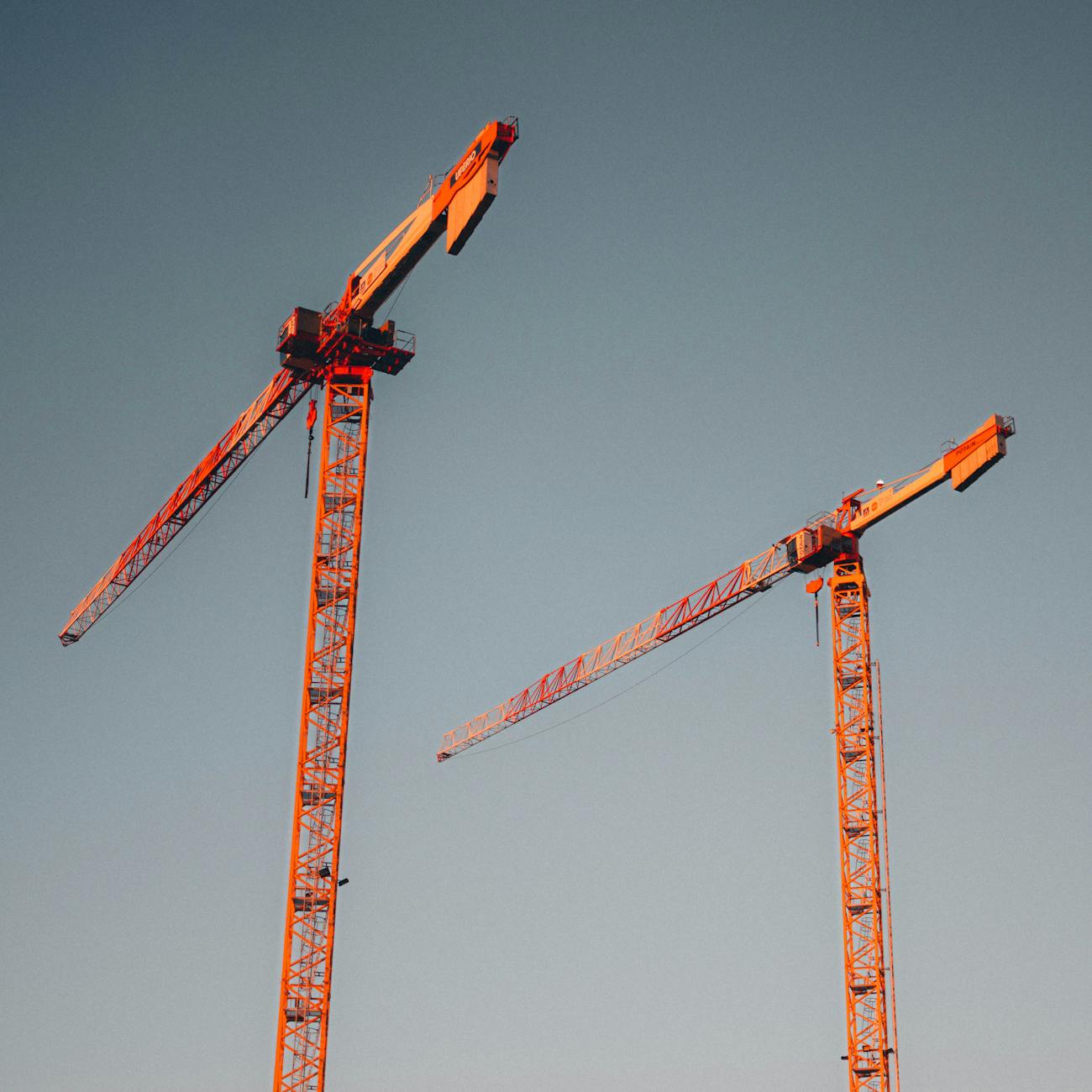
The process of engineering and installing offshore facilities involves a multitude of complex tasks, requiring a deep understanding of various technical terms and vocabulary. One of the primary concerns in offshore construction is the design of the facility, which must take into account the harsh marine environment and the potential risks associated with it. This includes considering factors such as wave heights, tides, and currents, as well as the potential impact of severe weather conditions.
In order to ensure the safe and efficient installation of offshore facilities, it is essential to have a thorough understanding of the various types of structures that are used in these environments. These can include fixed platforms, compliant towers, and floating production, storage, and offloading (FPSO) units. Each of these types of structures has its own unique characteristics and requirements, and must be carefully designed and engineered to withstand the harsh conditions of the marine environment.
Another critical aspect of offshore construction is the installation process itself. This can involve a range of techniques, including lift installation, launch installation, and tow installation. Each of these methods has its own advantages and disadvantages, and must be carefully selected based on the specific requirements of the project. For example, lift installation may be used for smaller structures, while launch installation may be more suitable for larger facilities.
In addition to the technical aspects of offshore construction, it is also essential to consider the environmental impact of these activities. This can include the potential effects on marine life, as well as the risk of pollution and environmental damage. As such, offshore construction projects must be carefully planned and executed to minimize their impact on the environment, and to ensure that they are in compliance with all relevant regulations and standards.
The use of advanced technology is also playing an increasingly important role in offshore construction. This can include the use of remotely operated vehicles (ROVs), autonomous underwater vehicles (AUVs), and other specialized equipment to install and maintain offshore facilities. These technologies can help to improve the efficiency and safety of offshore construction projects, and can also help to reduce their cost and environmental impact.
One of the most significant challenges facing the offshore construction industry is the need to balance the demands of safety, cost, and environmental sustainability. This can be a complex and difficult task, as it requires careful consideration of a range of technical, financial, and regulatory factors. However, by using advanced technology and innovative construction techniques, it is possible to minimize the risks and challenges associated with offshore construction, and to ensure that these projects are completed safely, efficiently, and cost-effectively.
The planning and execution of offshore construction projects also requires a deep understanding of the logistical and operational challenges involved. This can include the mobilization of equipment and personnel, the management of supplies and materials, and the coordination of multiple contractors and stakeholders. By carefully planning and executing these aspects of the project, it is possible to minimize delays and cost overruns, and to ensure that the project is completed safely and efficiently.
In offshore construction, the selection of materials and equipment is also critical. This can include the use of specialized steels and alloys, as well as advanced coatings and protection systems. These materials and equipment must be carefully selected and tested to ensure that they can withstand the harsh conditions of the marine environment, and that they meet all relevant regulations and standards.
The installation of offshore pipelines and cables is also a critical aspect of offshore construction. This can involve the use of specialized equipment and techniques, such as trenching and bundling. These pipelines and cables must be carefully designed and installed to ensure that they can withstand the harsh conditions of the marine environment, and that they meet all relevant regulations and standards.
In addition to the technical aspects of offshore construction, it is also essential to consider the human factors involved. This can include the safety and wellbeing of personnel, as well as the need for effective communication and coordination between teams and stakeholders. By prioritizing these human factors, it is possible to improve the safety and efficiency of offshore construction projects, and to ensure that they are completed safely and effectively.
The management of risks and uncertainties is also critical in offshore construction. This can include the identification and mitigation of hazards, as well as the development of contingency plans and emergency response procedures. By carefully managing these risks and uncertainties, it is possible to minimize the potential for accidents and incidents, and to ensure that offshore construction projects are completed safely and efficiently.
The use of advanced simulation and modeling techniques is also becoming increasingly important in offshore construction. These techniques can be used to simulate the behavior of structures and systems under various loads and conditions, and to optimize the design and installation of offshore facilities. By using these advanced techniques, it is possible to improve the safety and efficiency of offshore construction projects, and to reduce their cost and environmental impact.
In offshore construction, the commissioning and start-up of facilities is also a critical phase. This can involve the testing and validation of systems and equipment, as well as the training of personnel and the development of operational procedures. By carefully planning and executing this phase, it is possible to ensure that offshore facilities are safe, reliable, and efficient, and that they meet all relevant regulations and standards.
The decommissioning of offshore facilities is also an important aspect of offshore construction. This can involve the removal of structures and equipment, as well as the restoration of the environment. By carefully planning and executing this phase, it is possible to minimize the potential for environmental damage and harm to human health, and to ensure that the site is safely and effectively restored.
The use of new and innovative technologies is also becoming increasingly important in offshore construction. This can include the use of renewable energy sources, such as wind and solar power, as well as the development of new and advanced materials and equipment. By using these new and innovative technologies, it is possible to improve the safety and efficiency of offshore construction projects, and to reduce their cost and environmental impact.
In offshore construction, the role of regulatory bodies and industry organizations is also critical. These bodies and organizations can provide guidance and support to offshore construction projects, and can help to ensure that they are completed safely and efficiently. By working closely with these bodies and organizations, it is possible to improve the safety and efficiency of offshore construction projects, and to reduce their cost and environmental impact.
The importance of collaboration and communication in offshore construction cannot be overstated. This can include the coordination of multiple contractors and stakeholders, as well as the sharing of knowledge and best practices. By working together and communicating effectively, it is possible to improve the safety and efficiency of offshore construction projects, and to reduce their cost and environmental impact.
The future of offshore construction is likely to be shaped by a range of technological, environmental, and economic factors. This can include the development of new and advanced technologies, such as renewable energy sources and autonomous systems, as well as the increasing importance of environmental sustainability and social responsibility. By understanding these factors and trends, it is possible to plan and prepare for the future of offshore construction, and to ensure that it remains a safe, efficient, and sustainable industry.
The application of artificial intelligence and machine learning in offshore construction is also becoming increasingly important. This can include the use of predictive analytics and real-time monitoring to optimize the performance of offshore facilities, as well as the development of autonomous systems and robots to improve the safety and efficiency of offshore construction projects. By using these advanced technologies, it is possible to improve the safety and efficiency of offshore construction projects, and to reduce their cost and environmental impact.
In offshore construction, the management of cybersecurity risks is also critical. This can include the protection of critical infrastructure and systems from cyber threats, as well as the development of incident response plans and emergency procedures. By carefully managing these risks, it is possible to minimize the potential for cyber attacks and incidents, and to ensure that offshore construction projects are completed safely and efficiently.
The importance of training and competence in offshore construction cannot be overstated. This can include the development of training programs and curricula to improve the skills and knowledge of offshore construction personnel, as well as the implementation of competence assessment and certification schemes. By prioritizing training and competence, it is possible to improve the safety and efficiency of offshore construction projects, and to reduce their cost and environmental impact.
The role of research and development in offshore construction is also critical. This can include the development of new and advanced technologies, as well as the improvement of existing technologies and practices. By investing in research and development, it is possible to improve the safety and efficiency of offshore construction projects, and to reduce their cost and environmental impact.
The importance of international cooperation and collaboration in offshore construction cannot be overstated. This can include the sharing of knowledge and best practices, as well as the development of international standards and guidelines. By working together and collaborating internationally, it is possible to improve the safety and efficiency of offshore construction projects, and to reduce their cost and environmental impact.
The future of offshore construction will likely be shaped by a range of technological, environmental, and economic factors.
The application of digital twins in offshore construction is also becoming increasingly important. This can include the use of virtual models and simulations to optimize the design and installation of offshore facilities, as well as the development of real-time monitoring and predictive analytics to improve the performance of offshore facilities. By using these digital twins, it is possible to improve the safety and efficiency of offshore construction projects, and to reduce their cost and environmental impact.
In offshore construction, the management of data and information is also critical. This can include the collection and analysis of data on offshore facilities and operations, as well as the development of data management and dissemination systems. By carefully managing data and information, it is possible to improve the safety and efficiency of offshore construction projects, and to reduce their cost and environmental impact.
The importance of standardization in offshore construction cannot be overstated. This can include the development of international standards and guidelines for offshore construction, as well as the implementation of standardized procedures and practices. By prioritizing standardization, it is possible to improve the safety and efficiency of offshore construction projects, and to reduce their cost and environmental impact.
The role of education and training in offshore construction is also critical. By prioritizing education and training, it is possible to improve the safety and efficiency of offshore construction projects, and to reduce their cost and environmental impact.
The importance of stakeholder engagement in offshore construction cannot be overstated. This can include the involvement of local communities and indigenous peoples in offshore construction projects, as well as the development of stakeholder engagement and communication strategies. By prioritizing stakeholder engagement, it is possible to improve the safety and efficiency of offshore construction projects, and to reduce their cost and environmental impact.
Key takeaways
- One of the primary concerns in offshore construction is the design of the facility, which must take into account the harsh marine environment and the potential risks associated with it.
- Each of these types of structures has its own unique characteristics and requirements, and must be carefully designed and engineered to withstand the harsh conditions of the marine environment.
- For example, lift installation may be used for smaller structures, while launch installation may be more suitable for larger facilities.
- As such, offshore construction projects must be carefully planned and executed to minimize their impact on the environment, and to ensure that they are in compliance with all relevant regulations and standards.
- This can include the use of remotely operated vehicles (ROVs), autonomous underwater vehicles (AUVs), and other specialized equipment to install and maintain offshore facilities.
- One of the most significant challenges facing the offshore construction industry is the need to balance the demands of safety, cost, and environmental sustainability.
- This can include the mobilization of equipment and personnel, the management of supplies and materials, and the coordination of multiple contractors and stakeholders.