
International Art Logistics
International Art Logistics is a specialized field that combines the precision of fine‑art handling with the complexity of global transportation systems. Professionals in this area must master a broad set of terms that describe everything f…
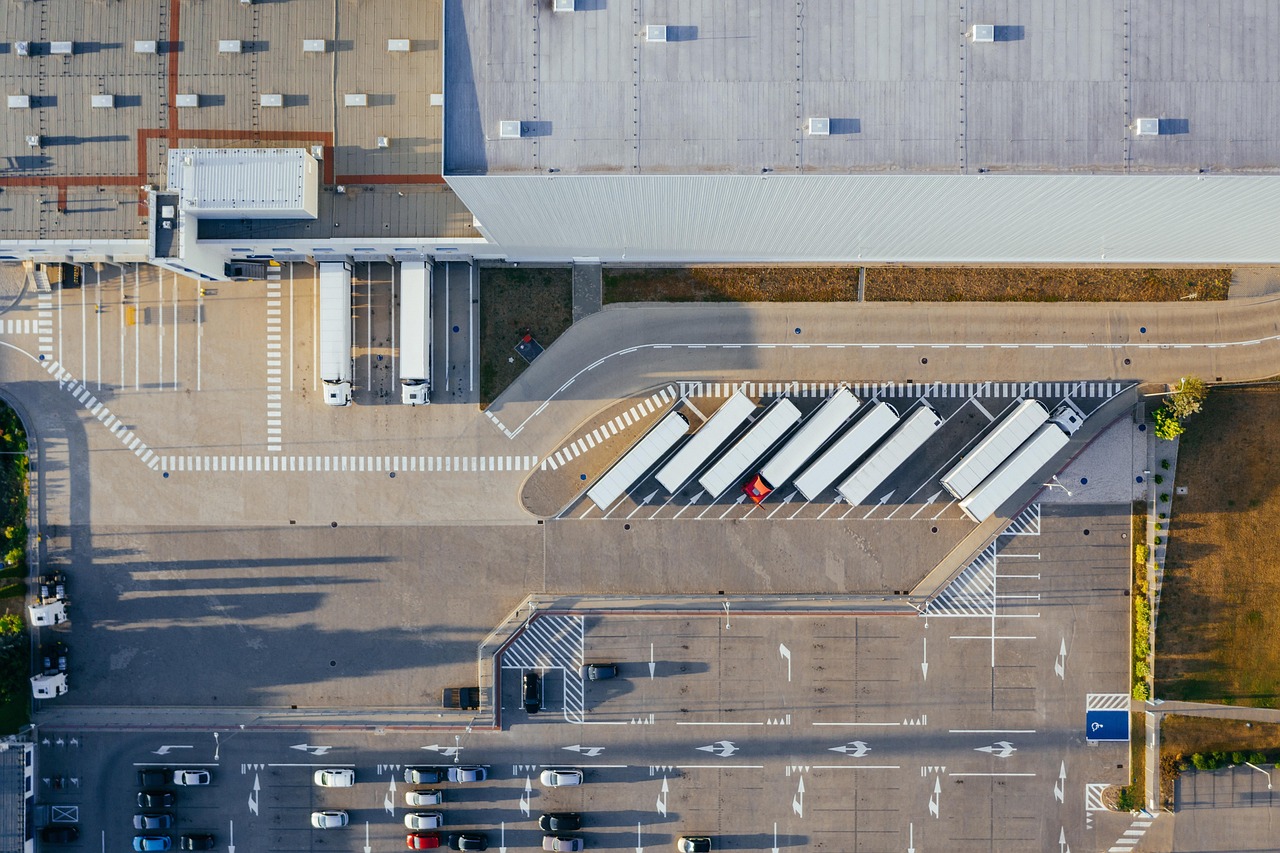
International Art Logistics is a specialized field that combines the precision of fine‑art handling with the complexity of global transportation systems. Professionals in this area must master a broad set of terms that describe everything from the physical protection of objects to the legal paperwork that governs their movement across borders. The following glossary provides detailed explanations of the most essential vocabulary, illustrated with practical examples and discussion of common challenges. Each entry is written to be immediately useful for students enrolled in the Certificate in Fine Art Shipping and Logistics.
Provenance – The documented history of an artwork’s ownership, exhibition, and publication. Provenance establishes authenticity, informs valuation, and satisfies customs and insurance requirements. For example, a 19th‑century landscape painting may have passed through several private collections before arriving at a museum. The provenance file will list each owner, the dates of transfer, and any exhibition catalogues that featured the work. A challenge often arises when provenance documentation is incomplete; missing links can trigger additional scrutiny by customs officials, delay clearance, and increase insurance premiums.
Condition Report – A written and photographic record describing the exact state of an artwork at a specific point in time. The report notes any existing damage, such as cracks, flaking paint, or structural weaknesses, and is signed by a qualified conservator. Condition reports are essential when arranging a loan, because they provide a baseline for post‑transport assessment. If a sculpture arrives with new scratches, the report serves as evidence for filing a claim. The challenge is ensuring that the report is thorough yet concise, and that it uses standardized terminology recognized by insurers and institutions worldwide.
Conservation – The science and practice of preserving artworks for future generations. Conservation includes preventive measures (climate control, proper packing) and remedial treatments (cleaning, stabilization). In logistics, conservation considerations dictate the choice of packing materials and handling procedures. A delicate oil painting may require a climate‑controlled container with humidity maintained at 45 % ± 5 % to prevent craquelure. A common challenge is balancing the need for protective measures with the constraints of shipping timelines and budgets.
Crating – The process of constructing a protective enclosure, typically from wood, foam, and archival materials, to safeguard an artwork during transport. Crating is customized to the dimensions, weight, and fragility of each piece. For a large bronze sculpture, a double‑walled wooden crate with interior foam padding and external metal straps is used to absorb shocks and prevent deformation. Crating must also accommodate any legal requirements, such as fire‑retardant standards for air freight. Poorly designed crates can lead to movement within the container, causing damage to both the artwork and the crate itself.
Climate‑Controlled Container – A shipping container equipped with HVAC systems that maintain stable temperature and humidity levels throughout transit. These containers are essential for transporting works sensitive to thermal expansion or moisture, such as photographs, textiles, and wooden panel paintings. For example, a 1970s photographic print may be shipped from New York to Tokyo in a climate‑controlled container set to 20 °C and 50 % relative humidity. Challenges include ensuring the container’s power source is reliable, monitoring the environmental data in real time, and dealing with delays that could compromise the climate settings.
Humidity – The amount of water vapor present in the air, expressed as a percentage of relative humidity (RH). Artworks, especially those on paper or canvas, are vulnerable to fluctuations in RH, which can cause swelling, contraction, and mold growth. Logistics professionals use hygrometers to monitor RH inside crates and containers, aiming for a range of 45–55 % ± 5 % for most works. A sudden drop in humidity during a long sea voyage can lead to desiccation of wood frames, creating cracks that are difficult to repair.
Temperature – The degree of heat measured in degrees Celsius or Fahrenheit. Like humidity, temperature stability is critical for the preservation of many artworks. Extreme temperatures can cause varnish to soften, adhesives to weaken, or pigments to fade. Temperature is regulated alongside humidity in climate‑controlled containers, with typical settings of 18–22 °C for most fine art. A challenge is that some shipping routes pass through regions with high ambient temperatures, requiring additional insulation or active cooling to maintain the set point.
Customs Clearance – The process by which goods are authorized to enter or exit a country’s borders, involving the submission of documentation, payment of duties, and compliance with import/export regulations. For artworks, customs clearance often requires a detailed invoice, provenance documentation, and a temporary import permit (often called a “cultural import licence”). Failure to provide accurate paperwork can result in seizures, fines, or lengthy delays. An example challenge is navigating the differing classification systems for artwork in each country, which can affect duty rates and required permits.
ATA Carnet – An international customs document that allows the temporary importation of goods, including artworks, without paying duties and taxes. The Carnet functions like a passport for the artwork, covering multiple countries within a specified period (usually up to one year). A museum planning a multi‑city exhibition across Europe might use an ATA Carnet to simplify customs procedures for each leg of the tour. The main challenge is ensuring that the Carnet is correctly filled out, that the artwork remains within the permitted timeframe, and that the security deposit is returned after the exhibition concludes.
Export Licence – Official permission granted by a country’s cultural heritage authority to remove an artwork from its territory. Export licences are required when the artwork is considered a national treasure or is subject to cultural protection laws. For instance, a Renaissance sculpture in Italy may need an export licence before it can be shipped to a museum in the United States. Obtaining the licence can be a lengthy process, involving reviews by heritage agencies, and may result in conditions such as a requirement for the artwork to be displayed publicly for a minimum period.
Import Permit – The counterpart to an export licence, this document authorizes the entry of an artwork into a destination country. Import permits often require proof that the artwork will be displayed publicly or stored in a secure collection. A private collector in Canada importing a contemporary installation may need to secure an import permit that confirms the piece will not be sold for a specified period. The challenge lies in coordinating the timing of the permit with the shipping schedule to avoid customs holdups.
Freight Forwarder – A logistics company that arranges the transportation of goods on behalf of the shipper, handling tasks such as booking cargo space, preparing documentation, and coordinating with carriers. In art logistics, freight forwarders with expertise in handling delicate, high‑value items are preferred. They often work closely with conservators to ensure that packing and transport meet conservation standards. Selecting an inexperienced freight forwarder can lead to mishandling of the artwork, inadequate insurance coverage, and missed deadlines.
Pack‑Out – The comprehensive process of preparing an artwork for shipment, which includes cleaning, documentation, packing, and labeling. Pack‑out is typically performed by a team of conservators, registrars, and art handlers. For a large painting, the pack‑out may involve installing a protective facing, building a custom crate, and attaching shock‑monitoring devices. A common challenge is that time constraints can pressure the team to rush the pack‑out, potentially compromising the thoroughness of protective measures.
Shock Monitoring – The use of devices that record the intensity and frequency of impacts experienced by an artwork during transit. Shock monitors are often placed inside the crate and provide data that can be reviewed after arrival to assess whether the artwork was subjected to potentially damaging forces. For example, a shock monitor calibrated to trigger at 1.5 G may record a single event during a road transfer, prompting a post‑transport inspection. Interpreting shock data requires knowledge of the artwork’s tolerance levels, and false alarms can cause unnecessary concern.
Vibration Monitoring – Similar to shock monitoring, this technique records the continuous low‑frequency movements that can affect delicate objects, especially during air or sea transport. Vibration monitors may be set to log cumulative exposure over the journey. A textile artwork may be sensitive to prolonged vibration, which can lead to fabric fatigue. The challenge is that vibration thresholds are not universally standardized, so logistics professionals must work with conservators to define appropriate limits.
Insurance – Financial protection against loss, damage, or theft of artworks during transit, storage, or exhibition. Insurance policies for fine art are usually written by specialist insurers and may be based on the artwork’s agreed‑upon value, which can be determined by an appraisal. Policies often include clauses for “all risks” coverage, covering everything from accidental damage to natural disasters. A challenge is that insurers may require specific packing standards and may impose deductibles that affect the overall cost of shipping.
Valuation – The process of determining the monetary worth of an artwork, often for insurance, customs, or sales purposes. Valuation may be performed by an art appraiser who considers factors such as artist reputation, provenance, condition, market trends, and recent auction results. Accurate valuation is crucial because under‑insuring can lead to insufficient compensation after a loss, while over‑insuring may increase premiums unnecessarily. For example, a contemporary sculpture valued at $2 million will require a high‑value insurance policy with appropriate coverage limits.
Risk Assessment – The systematic identification and analysis of potential hazards that could affect an artwork during its journey. A risk assessment will consider factors such as route security, climate exposure, handling procedures, and insurance coverage. The outcome guides the development of mitigation strategies, such as selecting a more secure transport mode or adding extra protective layers. A common challenge is that risk assessments must be updated whenever there are changes in the itinerary, such as a switch from air to sea freight due to cost considerations.
Loan Agreement – A legally binding contract that outlines the terms under which an artwork is loaned from one institution to another. The agreement specifies responsibilities for packing, transport, insurance, security, and conservation, as well as the duration of the loan and any fees. For a multi‑institution exhibition, each loan may have its own agreement, creating a complex network of obligations. Failure to adhere to the loan agreement can result in legal disputes, financial penalties, or damage to professional relationships.
Exhibition Schedule – The timeline that details when and where each artwork will be displayed, including dates for arrival, installation, de‑installation, and departure. The schedule is critical for coordinating logistics, customs clearance, and insurance coverage. A tight exhibition schedule may limit the time available for thorough condition reporting and may increase the risk of rushed handling. Logistics planners must align the schedule with transport lead times, customs processing periods, and any required quarantine for the artwork.
Transit – The period during which an artwork is in motion from its point of origin to its destination. Transit can involve multiple legs, such as road transport to an airport, air freight, and final road delivery. Each leg introduces its own set of risks and documentation requirements. For instance, a painting traveling from Paris to Los Angeles may transit through a hub in Frankfurt, requiring customs clearance at each stop. Managing transit effectively involves tracking, communication, and contingency planning for delays.
Storage – The temporary holding of artworks in a secure environment before, during, or after transport. Storage facilities for fine art are equipped with climate control, security systems, and fire suppression that meets conservation standards. A museum may store loaned works in its own storage before they are crated for shipment. A challenge arises when storage spaces are limited, leading to the need for off‑site facilities that may not meet the same environmental standards.
Gallery – A commercial space where artworks are displayed for sale. Galleries often coordinate the shipping of artworks to and from artists, collectors, and other galleries. While galleries may have less stringent conservation requirements than museums, they still need to ensure that artworks are protected during transport. Galleries may negotiate freight terms with carriers, but they must also be aware of customs duties that could affect the final price of the artwork.
Museum – An institution that collects, conserves, and exhibits artworks for public education and enjoyment. Museums typically have dedicated departments for registration, conservation, and logistics, and they follow strict protocols for handling and shipping. When a museum loans a work to another institution, it must produce a detailed condition report, secure appropriate insurance, and arrange for professional packing. Museums also often serve as the authority for granting export licences for national heritage items.
Private Collection – An assemblage of artworks owned by an individual or a non‑institutional entity. Private collectors may engage logistics specialists to transport pieces between residences, to exhibitions, or to storage facilities. Because private collections may lack the institutional infrastructure of museums, they rely heavily on external expertise to ensure proper handling, documentation, and compliance with legal requirements. A challenge for private collectors is maintaining accurate provenance records, which are essential for customs and insurance.
Transit Route – The specific path that an artwork will follow from origin to destination, including all modes of transport and intermediate stops. Selecting an optimal transit route involves balancing speed, cost, security, and environmental control. For high‑value works, a direct air route with minimal handling may be preferred, whereas larger installations might be more cost‑effective via sea freight with a longer transit time. Route planning must also consider geopolitical risks, such as regions with heightened security concerns that could increase the likelihood of theft or damage.
Security – Measures taken to protect artworks from theft, tampering, or accidental loss during all phases of logistics. Security can include physical barriers, surveillance cameras, GPS tracking, and tamper‑evident seals. For example, a valuable sculpture may be fitted with a GPS device that alerts the logistics team if the container deviates from the planned route. A common challenge is that increased security measures can add weight, complexity, and cost to the shipment, requiring careful budgeting.
Tamper‑Evident Seals – Seals applied to crates, containers, or doors that provide visual evidence if unauthorized access occurs. These seals are often numbered and recorded in shipping documentation. If a seal is broken or missing upon arrival, the receiving party must investigate the incident and may need to file an insurance claim. The challenge is ensuring that seals are applied correctly and that the seal numbers are accurately logged throughout the supply chain.
Palletizing – The practice of placing artwork crates on standardized wooden or plastic pallets to facilitate handling with forklifts and pallet jacks. Proper palletizing distributes weight evenly and prevents the crate from tipping during loading and unloading. For a heavy bronze piece, the crate may be secured to a pallet with steel straps and reinforced with corner protectors. A risk arises when pallets are damaged or not sized correctly for the crate, leading to instability and potential damage.
Bubble Wrap – A flexible packaging material consisting of trapped air bubbles that provide cushioning. Bubble wrap is commonly used as a secondary protective layer inside crates, especially for flat items such as paintings or photographs. However, bubble wrap alone is insufficient for high‑value works; it must be combined with rigid supports and archival materials. Over‑wrapping with bubble wrap can increase the crate’s size and weight, affecting shipping costs.
Foam Core – A lightweight, rigid board made of a polystyrene foam core sandwiched between two layers of paper or plastic. Foam core panels are often used to create inner walls within a crate, providing a barrier that prevents movement and absorbs minor impacts. For a delicate glass sculpture, foam core can be cut to shape and fitted around the piece to create a snug cavity. The challenge is ensuring that the foam core does not release chemicals that could affect sensitive materials, especially over long transit periods.
Acid‑Free Tissue – Archival‑quality paper that is chemically neutral and does not contain lignin or other substances that could cause deterioration. Acid‑free tissue is used to wrap paintings, drawings, and photographs to protect them from abrasion and to prevent acid migration. When packing a 19th‑century watercolor, conservators will first interleave acid‑free tissue between the sheet and any protective glassine before placing it in a custom crate. Incorrect use of non‑archival paper can lead to long‑term discoloration or embrittlement.
Archival Materials – Supplies that meet strict standards for long‑term preservation, including acid‑free papers, polyethylene foam, and inert plastics. Using archival materials is a core principle of fine‑art logistics, as it ensures that the protective packaging does not become a source of damage. For example, a set of historic prints may be stored in acid‑free archival boxes and wrapped in polyethylene foam before crating. The challenge lies in sourcing these specialized materials, which can be more expensive and may have limited availability in certain regions.
Art Handling Equipment – Specialized tools designed to move artworks safely, such as padded trolleys, lift tables, and suction cup lifts. Proper equipment reduces the risk of manual handling injuries and protects the artwork from accidental impacts. When moving a large canvas, a padded trolley with lockable wheels can be used to transport the piece from the studio to the loading dock. A common issue is that standard warehouse equipment may be unsuitable for fragile artworks, necessitating the procurement of custom‑built handling solutions.
Climate‑Controlled Container – (see earlier entry) In addition to temperature and humidity regulation, these containers often include data loggers that record environmental conditions throughout the journey. The data can be reviewed by conservators to verify that the artwork remained within acceptable limits. A challenge specific to climate‑controlled containers is ensuring that the power source (often a generator or external electricity) remains functional for the entire transit, especially during long sea voyages where power interruptions can occur.
Air Freight – The transport of goods by aircraft, typically the fastest mode for long‑distance shipping. Air freight is favored for high‑value or time‑sensitive artworks, but it also presents unique challenges such as strict weight limits, higher costs, and exposure to rapid pressure changes. For instance, a small but valuable sculpture may be shipped via a dedicated cargo flight to minimize handling. However, the artwork must be packed to withstand the vibrations and potential temperature fluctuations that can occur during ascent and descent.
Sea Freight – The movement of goods by ship, offering a cost‑effective solution for large or heavy artworks that are not time‑critical. Sea freight requires careful planning to protect artworks from humidity, salt air, and prolonged handling. A large installation may be disassembled, crated, and loaded into a container for a voyage that lasts several weeks. The primary challenge is the longer exposure time, which increases the risk of environmental damage and requires robust monitoring systems.
Freight Consolidation – The practice of combining multiple shipments into a single container to optimize space and reduce costs. In art logistics, consolidation must be balanced against the need for dedicated space to avoid cross‑contamination of environmental conditions. A museum may consolidate several small paintings into one container, provided they are separated by protective partitions and have individual climate monitoring. The challenge is coordinating the timing of each shipment so that all items are ready for loading simultaneously.
Hub – A central location where cargo is transferred between transport modes, such as an airport cargo terminal or a seaport. Hubs are often points where customs clearance is performed and where goods may be stored temporarily. For artworks, hub handling can increase the number of touches, raising the risk of accidental damage. Logistics planners aim to minimize hub dwell time and select hubs with experienced art‑handling staff. A challenge is that hub facilities vary widely in their capacity to provide climate‑controlled environments.
Door‑to‑Door Service – A logistics offering where the carrier manages the entire journey of an artwork from the shipper’s premises to the recipient’s location, including all intermediate steps such as customs clearance and final delivery. Door‑to‑door service simplifies coordination for the client but may involve higher fees. For a collector shipping a piece from a private residence in London to a museum in Sydney, a door‑to‑door service would include pickup, packaging, air freight, customs processing, and final installation. The challenge is ensuring that each step meets the required conservation standards.
CMR – The Convention on the Contract for the International Carriage of Goods by Road, which standardizes the documentation for road transport across many countries. The CMR consignment note includes details such as the shipper, consignee, description of the goods, and declared value. For art shipments moving by truck across Europe, a CMR note is often required in addition to customs paperwork. Understanding the CMR is essential to avoid legal complications and to ensure that the carrier assumes appropriate liability.
Incoterms – International Commercial Terms published by the International Chamber of Commerce that define the responsibilities of buyers and sellers in international transactions. Incoterms specify who pays for transportation, insurance, customs duties, and risk transfer. Common Incoterms in art logistics include FOB (Free on Board), CIF (Cost, Insurance, and Freight), DAP (Delivered at Place), and DDP (Delivered Duty Paid). Selecting the correct Incoterm influences cost allocation and risk exposure. A frequent challenge is that parties may misinterpret the terms, leading to disputes over who bears responsibility for damage that occurs during transit.
FOB – “Free on Board” indicates that the seller delivers the goods onto the vessel at the named port of shipment, after which the buyer assumes responsibility for freight, insurance, and risk. In the context of artwork, a gallery may agree to FOB terms when shipping a painting to a buyer abroad; the gallery arranges loading onto the ship, and the buyer arranges insurance for the subsequent journey. The challenge is that the seller must ensure proper loading to avoid damage before the risk transfers.
CIF – “Cost, Insurance, and Freight” means the seller pays for the transportation and insurance up to the destination port, after which the buyer assumes risk. For high‑value artworks, CIF can be advantageous because the seller arranges insurance that meets the buyer’s requirements. However, the buyer must verify that the policy covers the full value and that the coverage terms are acceptable. Misalignment of insurance limits can result in under‑insurance if a claim is needed.
DAP – “Delivered at Place” signifies that the seller delivers the goods ready for unloading at the named destination, bearing all costs except import duties and taxes. In fine‑art logistics, DAP may be used for shipments to a museum that will handle customs clearance and import permits. The seller must ensure that the artwork arrives in the agreed condition, and the buyer must be prepared to clear customs promptly. Delays in customs can cause the artwork to remain in the carrier’s custody longer than anticipated.
DDP – “Delivered Duty Paid” places the maximum responsibility on the seller, who must deliver the goods, clear customs, and pay any duties and taxes. This term is rarely used for artwork because the seller would need to navigate the import regulations of the buyer’s country. However, some dealers may offer DDP to simplify the transaction for collectors. The primary challenge is that the seller must understand and comply with foreign customs requirements, which can be complex and subject to change.
Customs Bond – A financial guarantee that ensures customs duties and taxes will be paid if the imported goods are not re‑exported as intended. For temporary exhibitions, a customs bond may be required to assure authorities that the artwork will return to its country of origin. The bond amount is typically based on the declared value of the artwork. Failure to present the bond or to comply with the re‑export timeline can result in penalties or seizure.
Quarantine – A period during which an artwork is held in isolation to prevent the spread of pests, pathogens, or contamination. Some countries impose quarantine on organic materials, such as wooden frames or textiles, to protect local ecosystems. For example, a historic wooden panel painting shipped to a museum in Australia may be subject to a mandatory quarantine period during which the frame is inspected for insects. The challenge is that quarantine can delay the exhibition schedule and may require specialized treatment that must be approved by conservators.
Documentation Package – The complete set of paperwork that accompanies an artwork shipment, typically including the invoice, provenance records, condition report, insurance policy, export licence, import permit, ATA Carnet, and any carrier-specific forms. A well‑organized documentation package speeds up customs clearance and reduces the risk of misplacement. Logistics professionals must verify that each document is up to date, correctly filled out, and matches the details on the shipping label. Incomplete or inconsistent documentation is a common source of delays.
Transit Insurance – Insurance coverage that specifically applies to the period when the artwork is in transit, as opposed to storage or exhibition insurance. Transit insurance may be purchased as a standalone policy or as an extension of a broader coverage plan. It typically includes “all risks” protection, covering loss, theft, damage, and sometimes even delay‑related costs. The challenge is that some insurers require proof of compliance with specific packing standards before issuing a policy, adding an extra layer of verification.
Valuation Certificate – An official document issued by a qualified appraiser that states the monetary value of an artwork at a certain date. Valuation certificates are often required for customs declarations, insurance underwriting, and loan agreements. The certificate must detail the methodology used, reference comparable sales, and include the appraiser’s credentials. A challenge is that valuations can fluctuate rapidly in volatile markets, requiring frequent updates to keep insurance and customs paperwork accurate.
Temporary Importation – The legal status granted to artworks that are brought into a country for a limited period, such as for an exhibition, and are expected to be re‑exported. Temporary importation often allows for reduced or waived duties, provided that the artwork is not sold locally. Documentation for temporary importation may include a guarantee bond, a detailed itinerary, and a statement of purpose. Failure to re‑export within the authorized timeframe can lead to the artwork being classified as a permanent import, triggering duties and taxes.
Permanent Importation – The act of bringing an artwork into a country with the intention of keeping it indefinitely, which typically requires full payment of duties and compliance with import regulations. Permanent importation may be necessary when a museum purchases a piece for its permanent collection. The process involves a thorough customs valuation, payment of applicable duties, and often the issuance of an import licence if the artwork is subject to cultural heritage protection. The challenge is that the cost of permanent importation can be substantial, especially for high‑value works.
Re‑Export – The act of sending an artwork out of a country after it has been temporarily imported. Re‑export must be documented with customs authorities, and often a re‑export declaration is required. For a loaned sculpture returning to its home museum, the re‑export process includes verifying that the condition report matches the current state of the artwork and that any customs bonds are released. Delays in re‑export can result in additional storage fees and potential penalties.
Customs Valuation – The method by which customs authorities determine the taxable value of an artwork for duty assessment. Valuation may be based on the invoice price, a comparable market value, or a declared value supported by appraisal documentation. Accurate customs valuation is essential to avoid under‑payment (which can lead to fines) or over‑payment (which unnecessarily increases costs). A common challenge is that customs may contest the declared value, requiring negotiation or additional evidence.
Export Control – Regulations that restrict the export of certain cultural property, often to prevent illicit trade or to protect national heritage. Export control laws may require a licence and may limit the destination country. For instance, a country may prohibit the export of antiquities older than 100 years without a special permit. Logistics professionals must be aware of these regulations to ensure compliance and to avoid legal ramifications. Non‑compliance can result in seizure, fines, and damage to institutional reputation.
Import Control – The counterpart to export control, governing the entry of artworks into a country. Import control may involve restrictions on certain materials (e.G., Ivory, endangered species) and may require provenance verification to prevent the import of looted items. Import control agencies often collaborate with customs to enforce these rules. A challenge is that import control requirements can change rapidly, especially in response to new international agreements, demanding constant vigilance from logistics teams.
Conservation‑Grade Packing – Packing that meets the highest standards of preservation, using only archival and inert materials, and designed to protect against mechanical shock, vibration, humidity, and temperature fluctuations. Conservation‑grade packing is mandatory for loaned artworks and for pieces that will be displayed in environments with strict climate control. The process typically involves a conservator supervising the selection of materials, the design of the crate, and the application of protective layers. The main challenge is the higher cost and longer preparation time compared to standard commercial packing.
Shock‑Absorbing Materials – Materials specifically engineered to reduce the transmission of impact forces, such as high‑density foam, polyethylene foam, and custom‑molded pulp. These materials are placed between the artwork and the crate walls to cushion against drops or bumps. For a fragile glass sculpture, a combination of low‑density foam and a hard outer shell may be used to distribute forces evenly. Selecting the appropriate shock‑absorbing material requires knowledge of the artwork’s weight, fragility, and the expected level of handling.
Vibration‑Damping Systems – Devices or structural designs that minimize the transmission of low‑frequency vibrations to an artwork. Examples include isolation platforms, spring‑mounted pallets, and specially engineered container suspensions. Vibration damping is particularly important for delicate assemblages, such as kinetic installations that contain moving parts. Implementing these systems may increase the overall weight and cost of the shipment, but the protection they provide can be critical for preserving functional integrity.
Chain‑of‑Custody – A documented record that tracks the physical possession of an artwork from the moment it leaves the owner’s premises until it reaches its final destination. The chain‑of‑custody includes signatures, timestamps, and identification numbers for each handler. Maintaining an unbroken chain‑of‑custody is vital for security, insurance claims, and provenance verification. A break in the chain (e.G., An undocumented handoff) can raise questions about authenticity or raise suspicion of theft.
Security Audit – A systematic review of the security measures applied to an artwork shipment, often conducted by a third‑party specialist. The audit evaluates physical security, documentation, tracking, and emergency response protocols. A security audit may be required by insurers before they issue a policy for a high‑value loan. The challenge is that audits can uncover deficiencies that require immediate remedial action, potentially delaying the shipment schedule.
Risk Management Plan – A comprehensive strategy that identifies potential hazards, assesses their likelihood and impact, and outlines mitigation actions. In art logistics, the risk management plan may address transportation mode selection, route security, environmental controls, insurance coverage, and contingency procedures for delays or damage. Developing a robust plan involves collaboration among registrars, conservators, insurers, and freight forwarders. A common obstacle is that risk assessments can become overly complex, leading to analysis paralysis and indecision.
Emergency Response Protocol – Pre‑established procedures to follow in the event of an incident such as a fire, flood, theft, or severe damage during transport. The protocol includes contact information for key personnel, steps for securing the artwork, and documentation requirements for insurance claims. For example, if a container is compromised during a sea voyage, the protocol may dictate immediate isolation of the affected crate, activation of the insurance claim, and communication with the destination museum. Training personnel on these protocols is essential to ensure swift, coordinated action.
Transit Time – The total duration from the moment the artwork leaves the origin to its arrival at the destination, excluding any dwell time at customs or storage facilities. Accurate estimation of transit time is crucial for scheduling installation, climate‑control preparation, and insurance coverage periods. A fast transit time may be achieved by selecting air freight, but this can increase cost and expose the artwork to higher altitude pressures. Conversely, longer transit times allow for more thorough monitoring but increase exposure to environmental risks.
Lead Time – The period required to plan, prepare, and execute a shipment before the actual movement begins. Lead time includes tasks such as obtaining permits, arranging packing, booking carriers, and completing documentation. For a major traveling exhibition, lead time may extend several months, especially when coordinating multiple loans across different jurisdictions. Insufficient lead time often results in rushed packing, incomplete documentation, and increased likelihood of errors.
Freight Forwarder’s Liability – The legal responsibility of a freight forwarder for loss or damage to goods under its care. Liability limits are typically defined by the terms of the carriage contract and may be subject to international conventions such as the Hague‑Visby Rules. For high‑value artworks, freight forwarders often provide additional coverage or require proof of adequate insurance from the shipper. Understanding the extent of the forwarder’s liability helps shippers negotiate appropriate indemnity clauses.
Carrier – The company that physically transports the artwork, which may be an airline, shipping line, trucking firm, or rail operator. Selecting a carrier with experience in handling fine art is critical, as they are more likely to follow appropriate loading procedures and provide suitable equipment. Some carriers offer specialized art freight services that include climate‑controlled compartments and dedicated handling staff. A challenge is that carriers may have differing policies on the use of certain packing materials or on the acceptance of high‑value items without additional security.
Freight Cost – The total expense associated with moving an artwork, including transportation fees, fuel surcharges, handling charges, customs fees, and insurance premiums. Freight cost calculations must consider weight, dimensions, value, mode of transport, and any special services (e.G., Door‑to‑door, climate control). For a small but high‑value painting, the freight cost may be modest, but insurance and security fees can dominate the overall budget. Accurate cost estimation is essential for budgeting and for securing funding from sponsors or donors.
Documentation Compliance – The degree to which all required paperwork meets the legal and regulatory standards of each jurisdiction involved in the shipment. Non‑compliance can result in customs delays, fines, or even seizure of the artwork. Maintaining compliance involves staying current with changes in import/export regulations, using correct terminology, and ensuring that all signatures and stamps are present. A common difficulty is coordinating documentation across multiple languages and legal systems.
Packaging Integrity – The condition of the packing materials and crate after the artwork has been transported. Packaging integrity is assessed during the post‑transit inspection to determine whether the packing performed as intended. If a crate shows signs of crushing, water ingress, or broken seals, the integrity has been compromised, indicating that the artwork may have been exposed to risk. Ensuring packaging integrity requires careful design, quality control during construction, and the use of robust sealing methods.
Post‑Transit Inspection – The examination of an artwork immediately after arrival to verify its condition against the pre‑shipment condition report. This inspection is typically performed by a conservator or registrar, who notes any changes, damages, or anomalies. The findings are documented and may be used to file insurance claims if necessary. A challenge is that some damage may be subtle, such as micro‑cracks in paint, which require specialized equipment to detect.
Re‑Packaging – The process of unpacking an artwork from its transit crate and placing it into a new protective environment for storage, display, or further transport. Re‑packaging must follow the same conservation standards as the original pack‑out to avoid introducing new risks. For example, after an exhibition, a painting may be moved from a display case back into its archival crate, with careful handling to prevent stress on the canvas. Inadequate re‑packaging can compromise the artwork’s long‑term preservation.
Environmental Monitoring – The continuous measurement of temperature, humidity, light exposure, and other environmental factors throughout the shipment. Monitoring devices can be placed inside crates, containers, or even attached to the artwork itself. The collected data is reviewed upon arrival to confirm that the artwork remained within acceptable limits. Environmental monitoring helps identify problem areas in the logistics chain and provides evidence for insurance claims. The challenge lies in selecting reliable sensors and ensuring they remain functional for the entire duration of the journey.
Light Exposure – The amount of illumination an artwork receives, measured in lux or foot‑candles. Light can cause fading, discoloration, and degradation, especially for photographs, prints, and textiles.
Key takeaways
- Professionals in this area must master a broad set of terms that describe everything from the physical protection of objects to the legal paperwork that governs their movement across borders.
- A challenge often arises when provenance documentation is incomplete; missing links can trigger additional scrutiny by customs officials, delay clearance, and increase insurance premiums.
- The challenge is ensuring that the report is thorough yet concise, and that it uses standardized terminology recognized by insurers and institutions worldwide.
- A delicate oil painting may require a climate‑controlled container with humidity maintained at 45 % ± 5 % to prevent craquelure.
- Crating – The process of constructing a protective enclosure, typically from wood, foam, and archival materials, to safeguard an artwork during transport.
- Challenges include ensuring the container’s power source is reliable, monitoring the environmental data in real time, and dealing with delays that could compromise the climate settings.
- Artworks, especially those on paper or canvas, are vulnerable to fluctuations in RH, which can cause swelling, contraction, and mold growth.