
Art Warehouse and Inventory Management
Art Warehouse refers to a dedicated space where fine art objects are stored, conserved, and managed before they move to exhibition, sale, or loan. The design of an art warehouse must balance security, climate control, and efficient workflow…
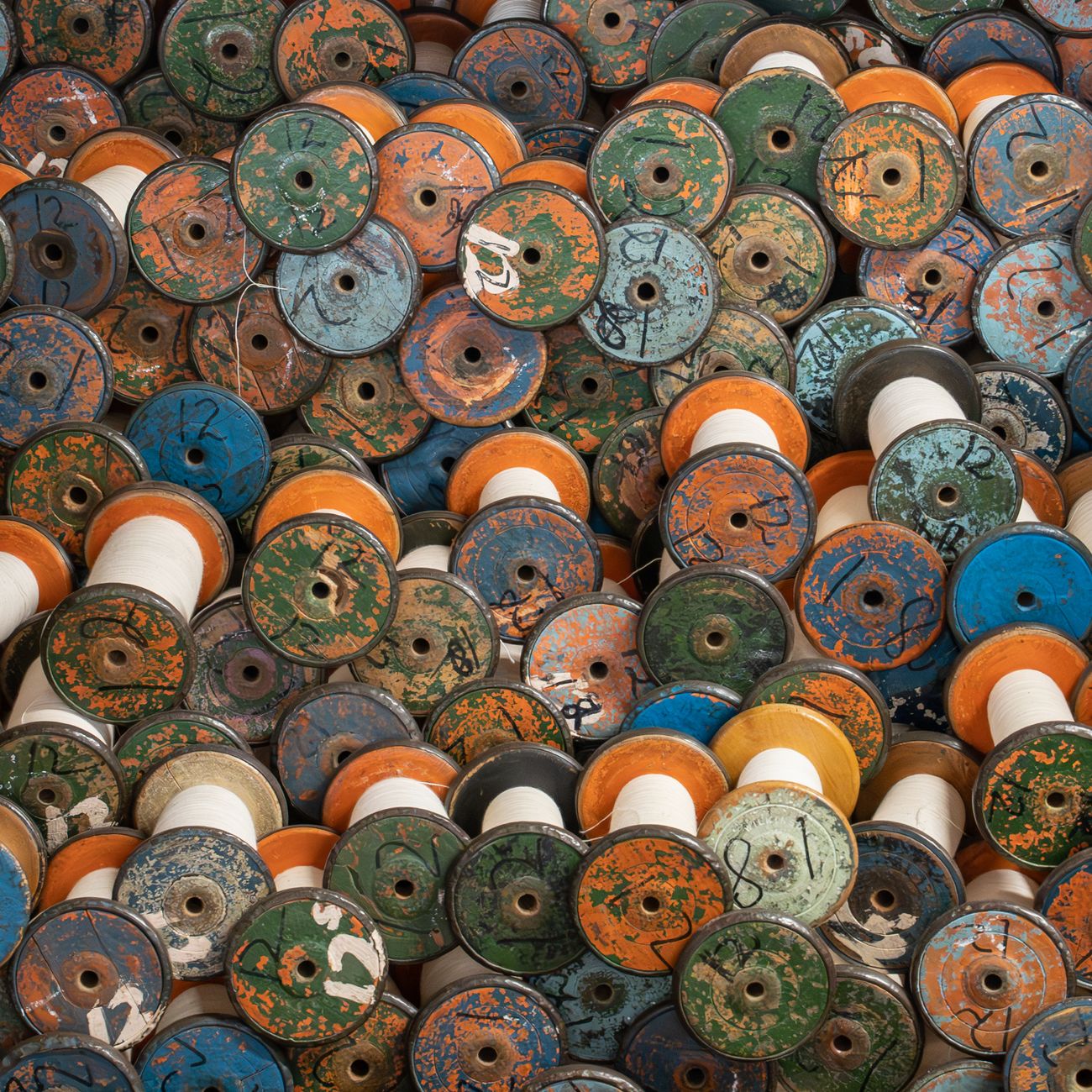
Art Warehouse refers to a dedicated space where fine art objects are stored, conserved, and managed before they move to exhibition, sale, or loan. The design of an art warehouse must balance security, climate control, and efficient workflow. For example, a museum may have a climate‑controlled basement with separate zones for paintings, sculptures, and archival documents. Each zone can have specific temperature and humidity settings based on the material composition of the objects it houses.
Climate control is the process of maintaining stable temperature, relative humidity, and light levels within the storage environment. A typical guideline for paintings on canvas is 18–22 °C with 45–55 % relative humidity. Deviations outside this range can cause canvas to expand or contract, leading to tension cracks in the paint layer. Sculptures made of wood or ivory may require tighter humidity control because they are more hygroscopic. Monitoring devices such as thermometers, hygrometers, and data loggers record environmental data continuously, allowing staff to detect and correct fluctuations before damage occurs.
Relative humidity (RH) is the amount of moisture in the air expressed as a percentage of the maximum amount the air can hold at a given temperature. RH is critical because most fine art materials are porous. When RH rises, materials absorb moisture, swell, and become more pliable; when RH drops, they release moisture, shrink, and become brittle. A practical challenge is that external weather conditions can vary dramatically, especially in regions with seasonal extremes. To mitigate this, warehouses often use humidification and dehumidification systems, as well as buffer materials such as silica gel or calcium sulfate that absorb or release moisture to stabilise the interior climate.
Temperature stability is equally important. Rapid temperature changes can cause thermal expansion and contraction, leading to warping of wooden frames, cracking of varnish, or delamination of layered works. In practice, many institutions aim for a temperature variation of no more than ±2 °C over a 24‑hour period. This stability is achieved through HVAC (heating, ventilation, and air conditioning) systems that are calibrated and regularly maintained. A common pitfall is the reliance on a single thermostat for a large space; multiple sensors and zoned control are required to avoid micro‑climates that could jeopardise specific collections.
Light exposure is measured in lux and is a key factor for works on paper, textiles, and other light‑sensitive media. Even low levels of ultraviolet (UV) radiation can cause fading and degradation of pigments. In a warehouse setting, lighting is typically kept to the minimum required for safe handling, often under 50 lux for paper objects. UV filters are installed on windows and lighting fixtures to block harmful wavelengths. For example, a gallery may use UV‑blocking acrylic panels on skylights to allow natural daylight while protecting the artwork.
Fire suppression systems must be compatible with fine art. Traditional sprinkler systems can cause water damage, so many art warehouses install inert gas suppression (e.G., FM‑200 or inert nitrogen) or pre‑action sprinkler systems that only release water when a fire is confirmed. The choice of system is guided by risk assessments that balance fire protection with the potential for water damage. A challenge arises when historic buildings lack the infrastructure for modern suppression systems; retrofitting may require structural alterations that must be carefully planned to preserve the building’s heritage value.
Security systems encompass alarms, motion detectors, CCTV, and access control mechanisms. High‑value artworks demand layered security. Access control may involve keycard readers, biometric scanners, and visitor logs that record who entered each zone and when. For instance, a warehouse might restrict entry to the sculpture zone to senior conservators and senior registrars, while allowing broader access to a less valuable storage area. Security challenges include balancing openness for staff workflow with the need to prevent unauthorized handling, especially in shared facilities where multiple institutions operate under the same roof.
Access control is the practice of limiting entry to authorized personnel through locks, electronic keycards, and sign‑in procedures. An effective system logs each entry and exit, providing an audit trail that can be reviewed during investigations of missing or damaged items. In practice, a museum may assign unique access codes to each staff member based on their role, ensuring that a registrar cannot enter the conservation lab without supervision. The challenge lies in maintaining the system’s integrity; lost or shared credentials can undermine security, so regular reviews and updates are essential.
Palletization is the method of placing items on standardized pallets to facilitate handling with forklifts or pallet jacks. While pallets are common in general logistics, fine art requires additional considerations. For example, a large framed painting may be placed on a pallet with a custom‑sized protective cradle to prevent tilting. The pallet must be stable, and the load distribution must avoid point pressure that could warp frames. Palletization speeds up loading and unloading, reducing manual handling time and the associated risk of accidental damage.
Crating involves constructing a protective enclosure, often from wood, around an artwork for transport or long‑term storage. Crates are designed to absorb shocks, protect against vibration, and provide a barrier against environmental fluctuations. A typical crate for a delicate sculpture includes interior foam padding, corner protectors, and an outer layer of plywood. The crate’s dimensions are calculated to allow a minimum of 2–3 inches of clearance on all sides, preventing contact with the object. Crating challenges include ensuring the crate is both strong enough to protect the object and light enough to be handled safely by staff.
Packing materials encompass a range of consumables used to protect artworks during handling, storage, and shipment. Archival‑grade materials such as acid‑free tissue, unbuffered cotton, and polyethylene foam are preferred because they do not chemically interact with the artwork. For example, a painting may be wrapped in a layer of acid‑free tissue, then placed inside a sealed polyethylene bag to create a micro‑climate. Non‑archival materials, like standard cardboard or plastic wrap, can off‑gass acids or release harmful chemicals, accelerating degradation. Selecting the correct material often requires consultation with a conservator.
Custom crates are built to the specific dimensions and protection needs of a single artwork. For a large, irregularly shaped sculpture, a custom crate may include internal braces that secure the piece in place, preventing movement during transport. The crate may also incorporate moisture‑absorbing packets to manage humidity. Custom crates are typically more expensive than standard wooden crates but provide a tailored solution that reduces risk. A practical challenge is the time required to design, fabricate, and test a custom crate, especially when tight shipping deadlines exist.
Archival materials are those that are chemically stable and will not degrade or cause deterioration of the objects they contact. Common examples include museum‑grade glassine, acid‑free paper, and low‑ph cotton. In practice, a registrar may use museum‑grade glassine to wrap a delicate drawing before placing it in a storage box. The use of archival materials is a core principle of collection care, and failure to adhere can result in long‑term damage that is difficult to reverse.
Acid‑free refers to paper or board that has been processed to remove acid content, typically achieving a pH of 7.5 Or higher. Acidic paper can cause yellowing and brittleness in adjacent artworks. Consequently, all storage boxes, folders, and interleaving sheets for paper‑based works should be acid‑free. A challenge arises when legacy storage supplies, purchased before the adoption of acid‑free standards, remain in inventory; these must be identified and replaced to protect the collection.
Conservation is the professional practice of preserving and restoring artworks. Within a warehouse, conservators may conduct condition assessments, perform preventive treatments, and advise on appropriate storage methods. For example, before a painting is placed on a shelf, a conservator may apply a micro‑climate enclosure to stabilise humidity and protect the surface from dust. Conservation challenges include balancing the need for accessibility with the requirement for stable environments; frequent handling can increase the risk of damage, so procedures must be documented and limited to essential movements.
Condition report is a documented description of an artwork’s state at a specific point in time. It records any existing damage, surface characteristics, and any changes observed since the previous report. Condition reports are critical for insurance, loan agreements, and internal tracking. A typical report includes photographs, a narrative description, and a checklist of observed issues such as cracks, flaking paint, or structural instability. In practice, a registrar may complete a condition report before an artwork is shipped abroad, ensuring that any damage incurred during transit can be accurately identified upon return.
Provenance is the documented history of ownership and custody of an artwork. Provenance records are essential for authenticity, legal compliance, and ethical considerations. In a warehouse, provenance information is stored alongside the physical object, often in a database that links the artwork’s accession number to its documented chain of custody. For example, a painting acquired at auction may have a provenance file that includes previous owners, exhibition history, and any relevant export licenses. Challenges include incomplete historical records, especially for older works, which can complicate due diligence processes.
Cataloguing is the systematic recording of information about each item in a collection. Cataloguing entries typically include the artist’s name, title, dimensions, medium, accession number, location, and condition notes. Modern catalogues are maintained in digital asset management systems that allow searchable queries and integration with other modules such as conservation and loan management. In practice, a registrar enters new acquisition data into the system, assigns a unique accession number, and links the digital record to the physical label affixed to the artwork. Accurate cataloguing is foundational; errors can lead to misplacement, loss, or mishandling of objects.
Barcoding involves attaching a machine‑readable code to each item to facilitate rapid identification and tracking. Barcodes can be printed on acid‑free labels and attached to storage boxes, frames, or directly to the artwork where appropriate. When an item is moved, staff scan the barcode with a handheld device, and the system updates the location automatically. Barcoding speeds up inventory processes, reduces manual data entry errors, and provides a clear audit trail. A challenge is ensuring barcode durability; exposure to moisture or handling can cause the label to peel, necessitating protective lamination.
RFID (Radio‑Frequency Identification) is an alternative to barcoding that uses electromagnetic fields to automatically identify tags attached to objects. RFID tags can be embedded in protective sleeves or frames, allowing staff to locate items without line‑of‑sight scanning. For high‑value artworks, RFID offers an additional layer of security, as tags can trigger alarms if moved outside designated zones. Implementing RFID requires investment in readers, software integration, and careful placement of tags to avoid interference with conservation materials.
Asset management software is the digital platform that integrates cataloguing, inventory control, condition reporting, and reporting functions. Popular systems may include modules for loan management, insurance tracking, and environmental monitoring. In practice, a museum’s registrar uses the software to generate a stocktake report, which lists all items, their current locations, and any discrepancies. The software can also calculate key performance indicators such as turnover ratio and space utilisation. Selecting appropriate software involves evaluating scalability, user‑friendliness, and compatibility with existing workflows.
Stocktaking is the systematic process of verifying the physical presence of each item against the records in the asset management system. Regular stocktakes, typically performed annually or semi‑annually, help detect missing or misplaced items, identify errors in location data, and assess the condition of stored objects. A full stocktake may involve physically moving each artwork out of storage, which carries inherent risk; therefore, many institutions adopt a cycle count approach, where a subset of items is counted on a rotating schedule. This reduces disruption while still providing comprehensive coverage over time.
Cycle count is a method of inventory verification that focuses on a small, manageable portion of the collection on a regular basis. Items are selected based on criteria such as value, frequency of use, or risk level. For example, a museum may cycle count all works on loan each quarter, while high‑value paintings are counted monthly. This approach spreads the workload throughout the year and allows staff to address discrepancies quickly, reducing the likelihood of large‑scale losses.
Reorder point is the inventory level at which new stock should be ordered to avoid running out of a critical consumable, such as acid‑free tissue or protective gloves. The reorder point is calculated based on average usage rates and lead time for delivery. In practice, a warehouse manager sets the reorder point for archival boxes at a level that ensures a three‑month supply, allowing time for orders to be processed and delivered. Failure to maintain proper reorder points can result in shortages that delay packing or conservation activities.
Lead time is the period between placing an order for a material and receiving it. Lead times vary depending on supplier reliability, shipping distance, and product availability. For specialized conservation supplies, lead times may be several weeks. Understanding lead time is essential for planning packaging projects, especially when tight exhibition deadlines are involved. A challenge is that unexpected delays, such as customs holdups for imported materials, can disrupt schedules and increase costs.
Minimum stock level is the lowest quantity of a consumable that should be kept on hand before reordering. Maintaining a minimum stock level helps prevent stockouts. In practice, a registrar may set a minimum stock level of 50 sheets of acid‑free paper, ensuring that even during a supplier delay, there is enough material to complete ongoing projects. The minimum level must be balanced against storage space constraints, as over‑stocking can lead to clutter and increased fire risk.
Maximum stock level is the highest quantity of a consumable that should be kept to avoid unnecessary storage costs and potential waste. For perishable items like certain adhesives, exceeding the maximum stock level can lead to product expiration. Setting both minimum and maximum levels creates a controlled inventory range that optimises space utilisation and reduces waste. Continuous monitoring of usage trends helps adjust these thresholds over time.
Just‑in‑time (JIT) inventory management aims to minimise inventory holdings by ordering items only when they are needed for a specific project. While JIT reduces storage costs, it can be risky for critical conservation supplies that have long lead times. A fine‑art warehouse may adopt a hybrid approach, keeping a small buffer of essential items while using JIT for lower‑risk consumables. The main challenge is ensuring that the supply chain is reliable enough to meet urgent project demands without causing delays.
Buffer stock is an additional quantity of inventory kept on hand to protect against uncertainties such as supplier delays, sudden spikes in demand, or unexpected project requirements. For fine‑art logistics, a buffer stock of protective sleeves may be essential when an unexpected loan request arrives. Determining the appropriate buffer size requires analysis of historical usage patterns and risk tolerance. Too much buffer stock can occupy valuable space, while too little can jeopardise project timelines.
Handling equipment includes the tools and machinery used to move, lift, and position artworks safely. Common equipment includes forklifts, pallet jacks, trolleys, and hydraulic lifts. Each piece of equipment must be selected and operated with the specific needs of the artwork in mind. For instance, a forklift equipped with a soft‑rubber fork may be used to move a crate containing a sculpture, reducing the risk of impact damage. Training staff on proper use of handling equipment is essential to prevent accidents.
Forklift operators must be certified and familiar with the warehouse’s layout, especially the narrow aisles that often exist in art storage facilities. Forklifts should have smooth, low‑profile tires to avoid vibrations that could affect delicate objects. When transporting a large crate, the forklift’s load must be secured with straps to prevent shifting. A challenge is that many fine‑art warehouses have height restrictions; therefore, low‑profile forklifts or specialized pallet trucks may be required.
Pallet jack is a manual or electric device used to move pallets over short distances. In an art warehouse, pallet jacks are frequently employed to relocate crates from receiving docks to storage racks. Staff must ensure that the load is balanced on the pallet and that the jack’s forks are fully inserted beneath the pallet to avoid tipping. Regular maintenance of pallet jacks, such as checking hydraulic fluid levels, is necessary to maintain safe operation.
Trolley refers to a wheeled platform used for transporting smaller items that do not fit on a pallet. A trolley may be fitted with a padded surface to protect a framed photograph being moved from a storage cabinet to the packing area. Trolleys should be kept free of debris that could scratch surfaces. The challenge is that trolleys can become overloaded, leading to instability and potential drops; clear load limits must be communicated to staff.
Lift in the context of art handling can refer to a hydraulic or mechanical device used to raise heavy objects to a working height. For example, a lift may be used to position a large sculpture onto a platform for cleaning. Lifts must be equipped with safety locks and be operated by trained personnel. Inadequate lifting procedures can result in injury to staff or damage to the artwork.
Art handling gloves are made from nitrile or cotton and are worn to prevent oils, sweat, and contaminants from transferring from the handler’s skin to the artwork. Nitrile gloves are preferred for tasks that require a higher degree of chemical resistance, such as cleaning with solvents. Cotton gloves are used when handling delicate surfaces where a softer touch is necessary. Gloves must be changed regularly to avoid cross‑contamination, especially when moving between objects of different materials.
Protective sleeves are custom‑made or off‑the‑shelf covers that encase artworks during transport and storage. They often consist of a soft inner layer (such as polyethylene foam) and an outer layer of durable fabric or canvas. For a framed drawing, a protective sleeve can shield the surface from dust while providing a barrier against light. The challenge is ensuring that sleeves fit precisely to avoid movement within the sleeve, which can cause abrasion.
Shock absorbers are components placed within crates or packing systems to reduce the impact forces experienced during handling and transport. Materials such as high‑density foam, bubble wrap, or molded pulp can serve as shock absorbers. In a custom crate for a marble sculpture, shock absorbers may be positioned at the corners and along the sides to cushion the weight. Testing the effectiveness of shock absorbers often involves drop‑test simulations, where a crate is dropped from a predetermined height to evaluate the protective performance.
Vibration dampening is the use of materials and design features that minimise the transmission of vibrations to an artwork. Vibrations can be generated by forklift movement, nearby construction, or transport on roadways. To dampen vibration, a crate may incorporate a layer of visco‑elastic polymer sandwiched between the outer shell and the inner cushion. A practical example is the use of “vibration‑isolating pallets” when shipping a delicate glass sculpture across a rough road network. Monitoring vibration levels with accelerometers helps verify that the dampening strategy is effective.
Packing tape is used to seal cartons and crates. In fine‑art logistics, low‑solvent, acid‑free tape is preferred to avoid chemical interaction with sensitive surfaces. Reinforced tape with a strong adhesive can prevent accidental opening during transport. However, excessive tape can be difficult to remove without damaging the artwork’s protective layers, so a balance must be struck. Tape choices should also consider fire safety; some tapes emit toxic fumes when exposed to flame.
Edge protectors are rigid strips placed along the edges of frames or boxes to prevent impact damage. Made from cardboard, plastic, or wood, edge protectors distribute forces away from the vulnerable corners. For a framed oil painting, cardboard edge protectors can be applied before wrapping the frame in bubble wrap, ensuring that any knock does not transmit directly to the frame. The challenge is that improper sizing can create gaps, reducing their effectiveness.
Corner guards serve a similar purpose to edge protectors but focus on the corners of objects, which are often the most vulnerable points. Corner guards may be made of foam or reinforced cardboard and are affixed with tape. In practice, a conservator may place corner guards on a delicate fresco before moving it to a transport crate. Corner guards must be securely attached, yet removable without leaving residue on the artwork.
Sealing refers to the process of closing a crate or box to protect its contents from dust, moisture, and unauthorized access. Sealing methods include tape, straps, and mechanical locks. In high‑security environments, crates may be sealed with tamper‑evident devices that indicate any attempted opening. Sealing must be performed after all protective layers are in place; premature sealing can trap moisture, leading to condensation inside the crate. Regular inspection of seals during storage ensures continued protection.
Documentation is the collection of all paperwork and digital records associated with an artwork’s movement, condition, and handling. Essential documents include packing lists, invoices, customs declarations, insurance certificates, and condition reports. Accurate documentation provides a clear chain of custody and is vital for legal compliance. For example, when exporting a painting to an overseas museum, the exporter must include a customs declaration that lists the artwork’s HS code, value, and any required export licenses. Missing or inaccurate documentation can result in customs delays, fines, or even seizure of the artwork.
Packing list outlines the contents of a shipment, detailing each item’s description, quantity, weight, and dimensions. The packing list is used by customs officials, carriers, and receiving staff to verify that the shipment matches the documentation. In practice, a registrar prepares a packing list that includes the accession number, title, and condition notes for each piece in a crate. Discrepancies between the packing list and the physical contents must be resolved before the shipment can be cleared.
Invoice provides the financial details of a transaction, including the value of the artwork, shipping costs, and any applicable taxes. For insurance purposes, the invoice’s declared value is used to calculate coverage limits. Accurate invoicing is essential for customs valuation; under‑declaring value to reduce duties is illegal and can lead to severe penalties. Conversely, over‑declaring can increase insurance premiums unnecessarily.
Customs declaration is the formal statement submitted to the customs authority of the exporting and importing country, describing the goods being moved. The declaration must include the HS (Harmonized System) code, which classifies the type of artwork, its material composition, and its intended use (e.G., “Temporary exhibition”). In practice, a freight forwarder prepares the customs declaration for a shipment of sculptures, ensuring that each item’s HS code reflects its material (e.G., “9701.00 – Paintings”) to avoid misclassification. Errors in the declaration can cause clearance delays and additional duties.
HS code is an internationally standardized system of numbers that categorizes traded products. Fine art typically falls under Chapter 97, but the specific sub‑heading depends on the medium. For example, a bronze sculpture might be classified under “9703.00 – Works of art, collectors’ pieces and antiques.” Correct HS coding is essential for determining tariff rates and complying with import/export regulations. Misclassification can trigger audits and penalties.
Export license is a government‑issued permit required for shipping certain cultural objects out of a country. Many nations have heritage protection laws that restrict the export of artworks deemed national treasures. Obtaining an export license involves providing provenance documentation, condition reports, and proof of ownership. In practice, a museum applying for an export license for a 19th‑century painting must submit a detailed justification that the loan will enhance cultural exchange. Delays in licensing can affect exhibition schedules, so early planning is critical.
Import permit is the counterpart to an export license, required by the destination country to receive cultural goods. Import permits may stipulate conditions such as temporary import for exhibition only, with a requirement to re‑export the artwork within a specified timeframe. Failure to secure the appropriate import permit can result in the artwork being held in customs for extended periods, potentially incurring storage fees and risking damage.
Incoterms are a set of international trade terms published by the International Chamber of Commerce that define the responsibilities of buyers and sellers. Common Incoterms in fine‑art logistics include FOB (Free On Board), CIF (Cost, Insurance, and Freight), DAP (Delivered At Place), and DDP (Delivered Duty Paid). Understanding Incoterms clarifies who bears the cost and risk at each stage of transport. For instance, under CIF, the seller arranges and pays for transportation and insurance to the destination port, but the buyer assumes risk once the goods cross the ship’s rail. Misinterpretation of Incoterms can lead to disputes over who is responsible for loss or damage.
FOB means that the seller delivers the goods on board the vessel chosen by the buyer, at which point risk transfers to the buyer. In fine‑art shipping, FOB is often used when the buyer has a preferred carrier and wants control over insurance. The seller’s responsibility ends once the artwork is loaded onto the ship, so proper documentation and secure loading are critical to avoid claims of damage occurring before the transfer of risk.
CIF includes cost, insurance, and freight; the seller arranges transportation and insurance to the destination port. This term is convenient for buyers who prefer a single point of contact, but the seller must ensure that the insurance coverage is adequate for the artwork’s value. In practice, a gallery may negotiate CIF terms for a loaned sculpture, requiring the seller to provide a certificate of insurance that matches the artwork’s declared value.
DAP (Delivered At Place) obliges the seller to deliver the goods to a named destination, ready for unloading. The buyer is responsible for import clearance and duties. For fine‑art shipments, DAP can be useful when the receiving institution wants to manage customs and tax payments directly. The seller must still provide accurate documentation and ensure the artwork is protected until it reaches the agreed location.
DDP (Delivered Duty Paid) places the maximum responsibility on the seller, who handles transport, insurance, customs clearance, and payment of duties. This term simplifies the buyer’s logistics but requires the seller to have expertise in the destination country’s import regulations. In fine‑art logistics, DDP is sometimes used for small, low‑value items where the seller can absorb the additional costs.
Insurance is a contractual arrangement that provides financial protection against loss, damage, or theft of artworks during storage, handling, and transport. All‑risk policies are common, covering a wide range of perils including fire, water damage, accidental breakage, and acts of terrorism. The insured value should reflect the artwork’s market value, appraised value, or a combination of both, depending on the insurer’s requirements. In practice, a museum may obtain an all‑risk policy that includes a deductible clause; the deductible amount must be considered when assessing the overall cost of coverage.
All‑risk coverage is the most comprehensive form of art insurance, protecting against accidental damage, natural disasters, and theft. Policies often require the insured party to implement preventive measures such as climate control, security systems, and proper packing. Failure to meet these conditions can result in reduced claim payouts. The insurer may also require a condition report at the time of policy inception to establish the artwork’s baseline state.
Valuation determines the monetary worth of an artwork for insurance and customs purposes. Valuation can be based on recent auction results, expert appraisals, or market analysis. Accurate valuation is essential; undervaluation can lead to insufficient insurance coverage, while overvaluation can inflate premiums and customs duties. In practice, a conservator may recommend a lower valuation for a heavily damaged piece, reflecting its reduced marketability.
Claims are formal requests for compensation filed with the insurer after loss or damage occurs. The claims process requires detailed documentation, including photographs, condition reports, and incident reports. Prompt notification of the incident, usually within 24‑48 hours, is essential to avoid claim denial. For example, if a crate is damaged in transit, the carrier’s incident report, combined with the pre‑shipment condition report, forms the basis of the insurance claim. Challenges include reconciling differing assessments from the insurer and the owner, which may require independent expert evaluation.
Risk assessment is the systematic identification and analysis of potential hazards that could affect artworks. This process considers factors such as environmental threats, security vulnerabilities, handling procedures, and transportation routes. A risk assessment matrix may assign likelihood and impact scores, guiding the development of mitigation strategies. In practice, a museum may conduct a risk assessment for a proposed overseas exhibition, identifying potential threats such as political instability, customs delays, or climate extremes at the destination venue. The assessment informs decisions on packaging, insurance, and contingency planning.
Hazard identification is the first step in risk assessment, focusing on recognizing specific dangers. Common hazards in an art warehouse include water leaks, fire, power outages, pest infestation, and mechanical failure of handling equipment. For each hazard, a mitigation plan is created; for example, installing water sensors near ceiling pipes to detect leaks early, coupled with automatic shut‑off valves to prevent flooding.
Emergency procedures are predefined actions to be taken in response to incidents such as fire, flood, or security breach. These procedures include evacuation routes, fire‑extinguisher locations, and communication protocols. Staff must be trained regularly through drills to ensure swift, coordinated responses. In a fine‑art warehouse, emergency procedures also address the protection of artworks; for instance, fire suppression systems may be designed to activate a pre‑action water spray only in the immediate vicinity of a fire, minimizing water exposure to the surrounding collection.
Disaster recovery outlines the steps to restore normal operations after a major incident. The plan includes inventory verification, condition assessments, restoration priorities, and communication with insurers and stakeholders. A disaster recovery plan may designate a temporary storage location, such as a climate‑controlled off‑site facility, to house artworks while repairs are made to the primary warehouse. Practically, after a flood event, the recovery team would first secure the premises, then begin a systematic assessment of each affected object, documenting any water damage before initiating conservation treatment.
Pest control is the proactive management of insects, rodents, and other organisms that can damage artworks. Integrated pest management (IPM) combines monitoring, preventive measures, and, when necessary, targeted treatments. Monitoring devices such as sticky traps and pheromone traps are placed throughout the warehouse to detect early signs of infestation. In practice, a museum may schedule quarterly inspections, reviewing trap data and adjusting environmental controls (e.G., Lowering humidity) to deter pests. Chemical treatments are used sparingly, as many pesticides can be toxic to both staff and artworks.
Dehumidification reduces excess moisture in the air, preventing mold growth and material swelling. Dehumidifiers are calibrated to maintain target RH levels, often integrated with the HVAC system for continuous control. In a warehouse storing wooden panel paintings, dehumidification is crucial because high humidity can promote fungal growth that deteriorates the wood and paint layers. Challenges include maintaining consistent performance in high‑traffic areas where doors are frequently opened, which can introduce humid outdoor air.
Humidity buffer materials, such as silica gel packets, absorb or release moisture to stabilise RH within a confined space. These buffers are placed inside sealed containers or crates to create a micro‑environment that protects the artwork from external fluctuations. For a small drawing stored in a sealed box, a set of calibrated silica gel packets can maintain RH within ±5 % of the target level for several weeks. Monitoring the condition of the buffer (e.G., Colour change indicating saturation) ensures timely replacement.
Moisture meter devices measure the water content in materials, providing an indication of potential risk. In conservation, a moisture meter may be used to assess the condition of wooden frames or canvas backs before packing. High moisture readings can signal the need for acclimatisation before moving the object to a drier environment. Portable moisture meters are useful for spot checks, but they must be calibrated regularly to ensure accuracy.
Thermometer devices are used to verify temperature at various points within the warehouse. Precision digital thermometers with data‑logging capabilities allow staff to track temperature trends over time. For instance, a museum may place thermometers at the top, middle, and bottom of a storage rack to detect stratification, where warm air rises and cooler air settles, potentially creating temperature gradients that affect sensitive objects.
Data loggers record environmental parameters such as temperature, RH, and sometimes light levels at set intervals. These devices are placed within storage containers, on display cases, or in the warehouse’s ambient space. The recorded data provides an audit trail for compliance with conservation standards and can be used to support insurance claims. In practice, a data logger left inside a crate during international shipping can demonstrate that the environment remained within acceptable limits, protecting the shipper from liability.
Environmental monitoring encompasses the ongoing measurement and analysis of factors that affect artwork preservation. A comprehensive monitoring program includes regular checks of HVAC performance, verification of sensor calibration, and review of data logger outputs. The results are documented in a logbook or digital system, enabling trends to be identified and corrective actions to be taken. For example, a gradual increase in average RH over several months may indicate a failing humidifier, prompting preventive maintenance before the RH exceeds critical thresholds.
Compliance refers to adherence to legal, regulatory, and industry standards governing art handling and logistics. Compliance requirements may include ISO certifications, customs regulations, and cultural heritage laws. In practice, a museum may seek ISO 9001 certification to demonstrate a commitment to quality management, which involves documenting procedures, conducting internal audits, and implementing continuous improvement processes. Failure to maintain compliance can result in fines, loss of accreditation, or restrictions on future loans.
ISO 9001 is an international standard for quality management systems. It outlines requirements for documenting processes, managing resources, and measuring performance. For an art warehouse, ISO 9001 can be applied to standardise procedures for receiving, cataloguing, storage, and dispatch. The standard encourages a process‑oriented approach, where each activity is mapped, measured, and continually improved. Implementing ISO 9001 often involves training staff, establishing key performance indicators (KPIs), and conducting regular internal audits.
ISO 14001 focuses on environmental management systems, guiding organisations to minimise their environmental impact. In a fine‑art warehouse, ISO 14001 may address waste reduction, energy efficiency, and responsible disposal of packaging materials. For example, a warehouse could implement a recycling programme for cardboard and plastic, reducing landfill waste and aligning with sustainability goals. Compliance with ISO 14001 may also improve the institution’s public image, demonstrating stewardship of both cultural and natural resources.
GHS (Globally Harmonised System) classifies and labels hazardous chemicals.
Key takeaways
- Art Warehouse refers to a dedicated space where fine art objects are stored, conserved, and managed before they move to exhibition, sale, or loan.
- Monitoring devices such as thermometers, hygrometers, and data loggers record environmental data continuously, allowing staff to detect and correct fluctuations before damage occurs.
- To mitigate this, warehouses often use humidification and dehumidification systems, as well as buffer materials such as silica gel or calcium sulfate that absorb or release moisture to stabilise the interior climate.
- A common pitfall is the reliance on a single thermostat for a large space; multiple sensors and zoned control are required to avoid micro‑climates that could jeopardise specific collections.
- In a warehouse setting, lighting is typically kept to the minimum required for safe handling, often under 50 lux for paper objects.
- A challenge arises when historic buildings lack the infrastructure for modern suppression systems; retrofitting may require structural alterations that must be carefully planned to preserve the building’s heritage value.
- Security challenges include balancing openness for staff workflow with the need to prevent unauthorized handling, especially in shared facilities where multiple institutions operate under the same roof.