
Art Transportation and Freight Forwarding
In the realm of art transportation and freight forwarding, understanding key terms and vocabulary is essential for ensuring the safe and efficient movement of valuable and often fragile items. One of the primary concerns in this field is th…
In the realm of art transportation and freight forwarding, understanding key terms and vocabulary is essential for ensuring the safe and efficient movement of valuable and often fragile items. One of the primary concerns in this field is the handling and care of the artwork itself, as it can be easily damaged during transit. This requires specialized equipment and materials, such as custom-built crates and padding to protect the artwork from shock and vibration.
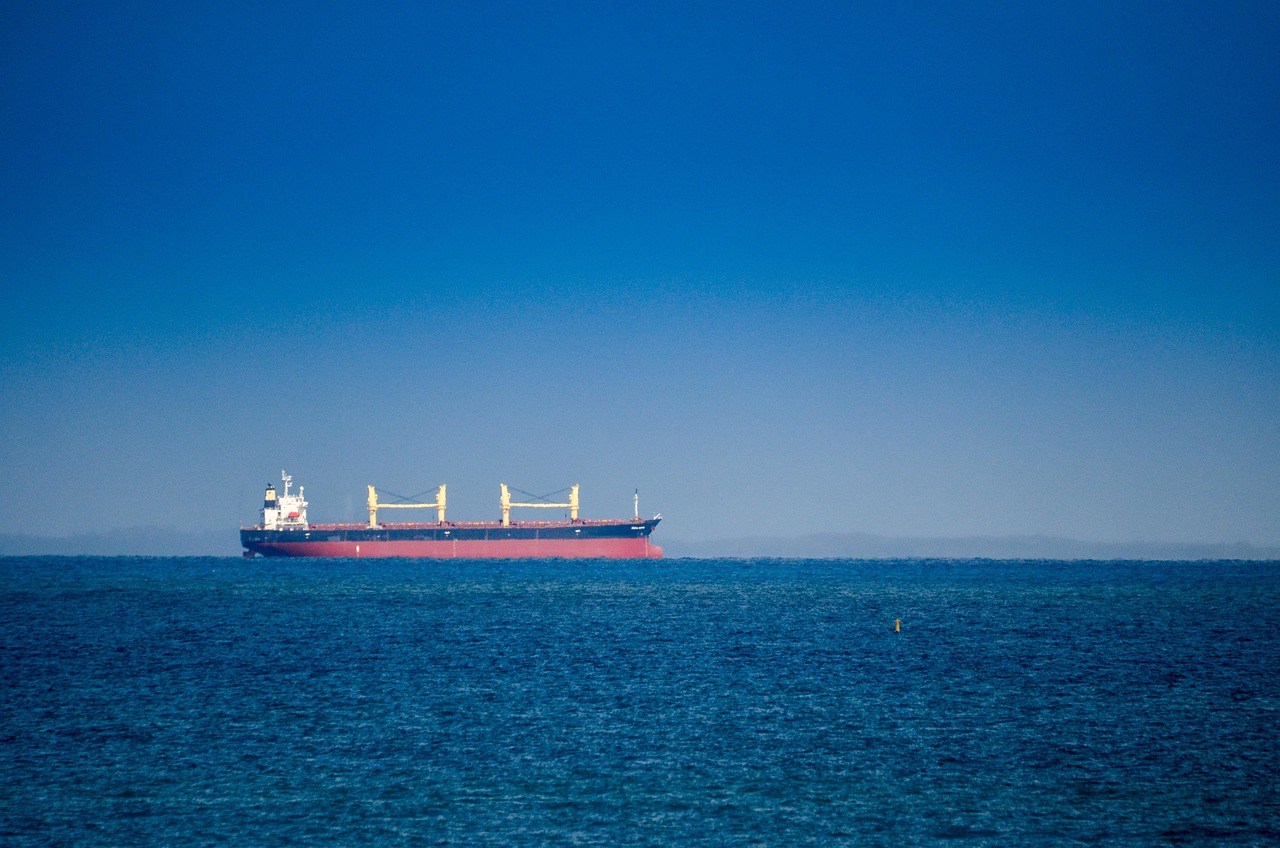
Art handlers and freight forwarders must also be knowledgeable about the various types of transportation methods available, including ground, air, and sea freight. Each mode of transportation has its own unique challenges and requirements, such as navigating through congested city streets or ensuring compliance with international customs regulations. For example, shipping a valuable painting by air freight may require the use of a specialized container that can maintain a consistent temperature and humidity level to prevent damage to the artwork.
In addition to understanding the physical aspects of art transportation, it is also important to be familiar with the legal and regulatory requirements that govern the movement of artwork. This includes compliance with customs regulations, tax laws, and insurance requirements. For instance, shipping a artwork from one country to another may require the completion of complex forms and documents, such as commercial invoices and certificates of origin.
Freight forwarders and art handlers must also be skilled in the art of logistics and coordination, as they must often work with multiple parties, including artists, galleries, museums, and collectors, to ensure that the artwork is delivered safely and on time. This requires strong communication and problem-solving skills, as well as the ability to think strategically and creatively to overcome any obstacles that may arise during the shipping process.
One of the most critical aspects of art transportation is the use of insurance to protect against loss or damage to the artwork. This requires a deep understanding of the various types of insurance policies available, including all-risk, named-peril, and valuation policies. For example, a freight forwarder may recommend that a client purchase an all-risk policy to cover against loss or damage to the artwork during transit, while also ensuring that the policy includes a warranty that covers against any errors or omissions on the part of the freight forwarder.
In addition to insurance, freight forwarders and art handlers must also be knowledgeable about the various types of packaging materials and techniques used to protect artwork during transit. This includes the use of custom-built crates, boxes, and pallets, as well as specialized wrapping and padding materials. For instance, a fragile sculpture may require the use of a custom-built crate with specialized foam inserts to protect it from shock and vibration during transit.
The use of technology is also playing an increasingly important role in the art transportation and freight forwarding industry. This includes the use of tracking devices and software to monitor the movement of artwork in real-time, as well as the use of digital platforms to facilitate communication and coordination between parties. For example, a freight forwarder may use a transportation management system to track the movement of a shipment and provide real-time updates to the client.
Despite the many advances in art transportation and freight forwarding, there are still many challenges that must be overcome. One of the primary concerns is the risk of damage or loss to the artwork during transit, which can result in significant financial losses for the client. Other challenges include navigating complex regulations and customs procedures, as well as ensuring compliance with security and safety protocols.
To overcome these challenges, freight forwarders and art handlers must be highly trained and experienced in the art of art transportation and freight forwarding. This includes having a deep understanding of the technical and logistical aspects of art transportation, as well as the ability to think strategically and creatively to overcome any obstacles that may arise during the shipping process. For example, a freight forwarder may need to coordinate with multiple parties, including artists, galleries, and museums, to ensure that the artwork is delivered safely and on time.
In addition to training and experience, freight forwarders and art handlers must also have access to the latest technology and equipment to ensure that the artwork is handled and transported safely and efficiently. This includes the use of specialized vehicles and equipment, such as climate-controlled trucks and cranes, as well as the latest software and tracking systems to monitor the movement of the artwork in real-time.
The future of art transportation and freight forwarding is likely to be shaped by a number of factors, including advances in technology and logistics, as well as changes in the global economy and trade patterns. For example, the increasing use of digital platforms and e-commerce is likely to create new opportunities for art transportation and freight forwarding, while also presenting new challenges and risks that must be overcome.
One of the most significant trends in the art transportation and freight forwarding industry is the increasing use of sustainable and eco-friendly practices. This includes the use of biodegradable packaging materials and fuel-efficient vehicles, as well as the implementation of carbon offsetting and reduction programs. For example, a freight forwarder may choose to use a hybrid vehicle or a solar-powered warehouse to reduce its carbon footprint and minimize its impact on the environment.
In addition to sustainability, another key trend in the art transportation and freight forwarding industry is the increasing use of specialized and customized services. This includes the provision of white-glove services, such as personalized delivery and installation, as well as the use of custom-built crates and packaging materials to protect valuable and fragile artwork. For example, a freight forwarder may offer a premium service that includes door-to-door delivery and installation of the artwork, as well as real-time tracking and monitoring of the shipment.
The use of data and analytics is also becoming increasingly important in the art transportation and freight forwarding industry. This includes the use of predictive models and machine learning algorithms to forecast demand and optimize logistics operations. For example, a freight forwarder may use data and analytics to identify trends and patterns in the movement of artwork, and to optimize its routes and schedules to minimize delays and costs.
In terms of security, the art transportation and freight forwarding industry is subject to a number of risks and threats, including theft, vandalism, and damage to the artwork. To mitigate these risks, freight forwarders and art handlers must implement robust security protocols, including the use of alarms and surveillance systems, as well as background checks and screening of personnel. For example, a freight forwarder may use GPS tracking and real-time monitoring to track the movement of a shipment and prevent theft or loss.
The art transportation and freight forwarding industry is also subject to a number of regulations and standards, including those related to customs, taxation, and insurance. Freight forwarders and art handlers must be knowledgeable about these regulations and standards and ensure that they are complied with at all times. For example, a freight forwarder may need to comply with customs regulations when shipping artwork from one country to another, and must ensure that all documentation and paperwork is in order.
In terms of insurance, the art transportation and freight forwarding industry is subject to a number of risk factors, including damage, loss, and theft. To mitigate these risks, freight forwarders and art handlers must have adequate insurance coverage in place, including all-risk, named-peril, and valuation policies.
The global art market is a significant sector of the economy, with millions of dollars' worth of artwork being bought, sold, and transported every year. The art transportation and freight forwarding industry plays a critical role in this market, providing the necessary logistics and support to facilitate the movement of artwork around the world. As the global art market continues to grow and evolve, the demand for specialized art transportation and freight forwarding services is likely to increase, creating new opportunities for freight forwarders and art handlers who are knowledgeable about the technical and logistical aspects of art transportation.
In addition to the technical and logistical aspects of art transportation, freight forwarders and art handlers must also be knowledgeable about the business and financial aspects of the industry. This includes understanding the market trends and forces that shape the global art market, as well as the financial and legal implications of buying, selling, and transporting artwork. For example, a freight forwarder may need to negotiate with clients and suppliers to secure the best possible rates and terms for the transportation of artwork, while also ensuring that all financial and legal requirements are met.
The art transportation and freight forwarding industry is also subject to a number of ethical and moral considerations, including the need to protect the integrity and authenticity of the artwork, as well as the need to respect the rights and interests of the artists, collectors, and other stakeholders involved in the transportation process. For example, a freight forwarder may need to ensure that the artwork is handled and transported in a way that respects its cultural and historical significance, while also ensuring that all legal and regulatory requirements are met.
In terms of training and education, freight forwarders and art handlers must have access to the latest information and resources to stay up-to-date with the latest trends and developments in the industry. This includes attending workshops and seminars, as well as participating in online forums and communities to network with other professionals and stay informed about best practices and standards in the industry. For example, a freight forwarder may attend a conference on art transportation and logistics to learn about the latest trends and technologies in the industry, and to network with other professionals and experts in the field.
The future of the art transportation and freight forwarding industry is likely to be shaped by a number of factors, including advances in technology and logistics, as well as changes in the global economy and trade patterns. As the industry continues to evolve and grow, freight forwarders and art handlers must be prepared to adapt to new challenges and opportunities, and to stay up-to-date with the latest trends and developments in the industry. By doing so, they can provide the best possible service and support to their clients, and help to ensure the safe and efficient transportation of artwork around the world.
Key takeaways
- In the realm of art transportation and freight forwarding, understanding key terms and vocabulary is essential for ensuring the safe and efficient movement of valuable and often fragile items.
- For example, shipping a valuable painting by air freight may require the use of a specialized container that can maintain a consistent temperature and humidity level to prevent damage to the artwork.
- In addition to understanding the physical aspects of art transportation, it is also important to be familiar with the legal and regulatory requirements that govern the movement of artwork.
- This requires strong communication and problem-solving skills, as well as the ability to think strategically and creatively to overcome any obstacles that may arise during the shipping process.
- This requires a deep understanding of the various types of insurance policies available, including all-risk, named-peril, and valuation policies.
- In addition to insurance, freight forwarders and art handlers must also be knowledgeable about the various types of packaging materials and techniques used to protect artwork during transit.
- This includes the use of tracking devices and software to monitor the movement of artwork in real-time, as well as the use of digital platforms to facilitate communication and coordination between parties.