
Fire Safety and Prevention
Fire is the rapid oxidation of a material releasing heat, light, and various reaction products. In a hotel environment, fire can originate from a wide range of sources such as kitchen equipment, electrical faults, smoking materials, and hea…
Fire is the rapid oxidation of a material releasing heat, light, and various reaction products. In a hotel environment, fire can originate from a wide range of sources such as kitchen equipment, electrical faults, smoking materials, and heating appliances. Understanding the nature of fire is the foundation for all prevention and protection measures.
Combustion is the chemical process that produces fire. It requires three essential elements: Fuel, oxygen, and heat. The removal of any one of these elements will stop the combustion process. This principle is the basis for many fire‑suppression techniques used in hotels.
Fuel refers to any material that can burn. In a hotel setting, fuel includes upholstered furniture, bedding, carpets, paper documents, and even certain cleaning chemicals. Identifying high‑fuel‑load areas helps prioritize preventive actions.
Oxidizing agent is a substance that provides oxygen to support combustion. Air is the most common oxidizing agent, but some chemicals, such as chlorine trifluoride, can also act as potent oxidizers. Controlling ventilation can limit the availability of oxygen to a fire.
Heat source is any element that can raise the temperature of a fuel to its ignition point. Typical heat sources in hotels include electrical equipment, cooking appliances, heating systems, and open flames from candles or cigarettes. Regular maintenance of electrical and heating systems reduces the likelihood of accidental ignition.
Ignition source is the specific point at which heat, fuel, and oxygen combine to start a fire. It may be a spark from a faulty switch, a hot surface on a kitchen range, or a lit cigarette. Staff training on identifying and eliminating ignition sources is a key preventive measure.
Fire triangle illustrates the three elements required for fire: Fuel, heat, and oxygen. Modern fire science expands this to the fire tetrahedron, which adds a chemical chain reaction as the fourth element. Suppression strategies target one or more of these components to extinguish a fire.
Fire tetrahedron adds the concept of a self‑sustaining chemical chain reaction. Breaking this chain, for example by using a dry chemical extinguisher, disrupts the fire’s ability to continue burning even if fuel, heat, and oxygen are still present.
Fire class categorizes fires based on the type of fuel involved. Recognizing the correct class is crucial for selecting the appropriate extinguishing agent.
- Class A fires involve ordinary combustibles such as wood, paper, cloth, and plastics. Water or foam extinguishers are typically effective. - Class B fires involve flammable liquids, gases, or greases. Foam, carbon dioxide, or dry chemical agents are used. - Class C fires involve energized electrical equipment. Non‑conductive agents such as carbon dioxide or clean agents are required to avoid electrical shock. - Class D fires involve combustible metals such as magnesium or titanium. Specialized dry powder agents are needed. - Class K fires are specific to cooking oils and greases, common in hotel kitchens. Wet chemical extinguishers are designed for this class.
Understanding these classes enables hotel staff to respond quickly and safely, reducing damage and protecting lives.
Fire load is the total amount of combustible material present in a specific area, expressed in megajoules per square meter (MJ/m²). High fire loads increase the potential severity of a fire. Hotels often perform fire‑load assessments during the design phase to ensure that construction materials and interior finishes meet the required fire‑resistance ratings.
Fire‑resistance rating indicates how long a building element, such as a wall, floor, or door, can withstand fire exposure while maintaining its structural integrity. Ratings are typically expressed in minutes (e.G., 60‑Minute fire‑rated wall). Selecting appropriate fire‑resistance ratings is a key part of the hotel’s fire‑protection strategy.
Fire‑rated door is a door that has been tested and certified to resist fire for a specific period, usually 30, 60, or 90 minutes. These doors must be self‑closing and equipped with appropriate hardware, such as fire‑rated hinges and intumescent seals, to prevent the spread of smoke and flame.
Intumescent seal expands when exposed to heat, sealing gaps around doors and windows to block smoke and fire. Proper installation of intumescent seals on fire doors is essential for maintaining the door’s rating.
Fire wall is a structural barrier designed to compartmentalize a building, limiting fire spread between sections. In a hotel, fire walls often separate guest floors, service areas, and egress routes.
Compartmentation refers to dividing a building into fire‑resistant sections to contain a fire and protect escape routes. Effective compartmentation reduces the need for extensive fire‑suppression systems and improves overall safety.
Fire detection system includes devices that sense the presence of fire or its by‑products and initiate an alarm. The most common devices are smoke detectors, heat detectors, and flame detectors.
Smoke detector senses particles produced by combustion. There are two primary types: Ionization detectors, which are more responsive to flaming fires, and photoelectric detectors, which are better at detecting smoldering fires. Hotels typically install a combination of both types to ensure comprehensive coverage.
Heat detector responds to a rise in temperature rather than smoke. These detectors are ideal for areas where smoke detectors may generate false alarms, such as kitchens, boiler rooms, and garages. Heat detectors can be fixed‑temperature devices, which trigger at a set temperature, or rate‑of‑rise devices, which activate when temperature increases rapidly.
Manual call point (also known as a fire alarm pull‑station) allows occupants to manually initiate the fire alarm system. In hotels, these are usually placed near exits, in corridors, and in public areas. Staff must be trained to locate and operate call points swiftly.
Automatic sprinkler system is a network of water‑filled pipes with sprinkler heads that discharge water when a fire’s heat reaches a predetermined temperature. Sprinklers are highly effective at controlling or extinguishing fires, especially in high‑occupancy areas such as ballrooms and conference rooms.
Wet pipe sprinkler system holds water in the pipe network at all times. When a sprinkler head opens, water immediately flows onto the fire. This is the most common type used in hotels.
Dry pipe sprinkler system contains pressurized air or nitrogen instead of water, making it suitable for unheated spaces where pipes might freeze. When a sprinkler head opens, the air is released, allowing water to flow.
Pre‑action sprinkler system combines elements of wet and dry systems. The water is held back by a detection system; only after a fire is confirmed does water fill the pipes and activate the sprinklers. This reduces the risk of accidental discharge during maintenance.
Deluge sprinkler system features open sprinkler heads that discharge a large volume of water instantly when a detection system activates. It is used in high‑hazard areas such as fuel storage rooms, but is rarely needed in standard hotel environments.
Fire extinguishing system includes a variety of agents designed to suppress fire without water. Common types in hotels include foam, carbon dioxide (CO₂), clean agents, and water mist systems.
Foam extinguisher creates a blanket of foam that smothers the fire, cutting off oxygen. It is especially effective on Class B fires involving flammable liquids. In hotel kitchens, foam systems can be integrated into the fire‑suppression system for cooking equipment.
Carbon dioxide extinguisher displaces oxygen and cools the fire. CO₂ is non‑conductive, making it suitable for electrical fires (Class C). However, it does not leave a residue, which can be advantageous for protecting sensitive equipment.
Clean agent extinguisher uses halogenated or halogen‑free gases that interrupt the chemical chain reaction. These agents are ideal for areas with valuable electronics, such as data centers or hotel management offices, because they leave no residue.
Water mist system releases a fine spray of water droplets, which absorb heat and reduce the fire’s temperature. The small droplet size also limits water damage, making it suitable for historic hotels where preservation of interiors is important.
Fire alarm system integrates detection devices, notification appliances, and control panels to alert occupants and initiate emergency procedures. Modern systems are often addressable, allowing each device to be identified individually for precise troubleshooting.
Addressable fire alarm system assigns a unique address to each detector or call point, enabling the control panel to pinpoint the exact location of a fault or alarm. This feature streamlines maintenance and reduces response times.
Notification appliance includes devices such as horns, sirens, strobe lights, and voice evacuation messages. In hotels, loud, clear audible alerts combined with visual strobes are required to accommodate guests with hearing impairments.
Voice evacuation system delivers pre‑recorded or live instructions during an emergency. It can guide guests to the nearest exit, inform them of assembly points, and provide instructions for assisting people with disabilities.
Emergency lighting illuminates escape routes when normal power fails. Battery‑backed or generator‑powered lights must be positioned along corridors, stairwells, and exit doors to ensure visibility.
Exit signage uses illuminated signs to indicate the direction of egress. Signs must be illuminated continuously and be visible from any point in the egress path. In hotels, signage should also be multilingual to accommodate international guests.
Evacuation plan outlines the steps occupants must follow to leave the building safely. It includes routes, assembly points, responsibilities of staff, and procedures for assisting persons with reduced mobility. Regular drills reinforce the plan and reveal any weaknesses.
Assembly point (or muster point) is a designated safe location where occupants gather after evacuating. In hotels, the assembly point is typically located a safe distance from the building, such as a parking lot or open field, and is clearly marked on evacuation maps.
Fire drill is a simulated evacuation exercise that tests the effectiveness of the evacuation plan, the functionality of fire‑protection equipment, and the readiness of staff. Drills should be conducted at least quarterly in a hotel setting, with variations to address different scenarios (e.G., Night‑time evacuation, blocked exits).
Fire risk assessment is a systematic evaluation of potential fire hazards, the likelihood of occurrence, and the possible consequences. The assessment identifies control measures, prioritizes actions, and documents compliance with local regulations. In hotels, risk assessments are typically performed annually and after any major renovation.
Fire safety plan consolidates the findings of the risk assessment, outlines preventive measures, and details emergency response procedures. The plan must be accessible to all staff members and reviewed regularly.
Fire marshal is a designated staff member responsible for overseeing fire safety, conducting inspections, coordinating drills, and ensuring compliance with regulations. In a hotel, multiple fire marshals may be assigned to different shifts to maintain continuous coverage.
Fire door inspection involves checking the integrity of fire doors, ensuring they close properly, that hardware is functional, and that gaps are sealed with intumescent material. Inspections should be performed monthly and documented.
Sprinkler head inspection requires visual checks for corrosion, blockage, or mechanical damage. A sprinkler head should be free of paint, dust, and debris that could impede discharge. Annual maintenance by a qualified contractor is mandatory.
Fire alarm testing includes functional checks of detectors, call points, and notification appliances. Tests must be scheduled to minimize disruption to guests, often during low‑occupancy periods. Results are recorded and any deficiencies are corrected promptly.
Fire safety training equips hotel staff with knowledge of fire hazards, proper use of extinguishers, evacuation procedures, and the role of each employee during an emergency. Training should be refreshed annually and after any incident.
Fire extinguisher inspection follows a monthly visual check and an annual professional service. The inspection ensures the pressure gauge is in the correct range, the tamper seal is intact, and the extinguisher is not expired.
Fire safety signage includes signs indicating fire‑extinguishers, alarm pull stations, exit routes, and assembly points. Signs must comply with local codes regarding size, color, and illumination.
Fire compartment is a defined area within a building that is separated from other areas by fire‑resistant construction. Compartmentation limits fire spread and protects escape routes. In hotels, each floor is often treated as a separate compartment.
Fire load calculation is performed by multiplying the weight of combustible materials by their calorific value. The result helps determine the required fire‑resistance rating for structural elements. For example, a ballroom with heavy drapery and seating will have a higher fire load than a small office.
Fire safety audit is an external review conducted by a qualified fire protection engineer or consultant. The audit evaluates compliance with codes, effectiveness of existing measures, and recommends improvements. Hotels often commission audits during major refurbishments.
Fire prevention measures are proactive steps taken to reduce the likelihood of fire. These include regular electrical inspections, proper storage of flammable liquids, smoking policies, and housekeeping practices that keep combustible waste away from heat sources.
Electrical safety involves ensuring that wiring, circuit breakers, and appliances are maintained to prevent overloads and short circuits. In hotels, each guest room’s electrical system should be protected by a circuit breaker that trips at a safe current level.
Housekeeping practices such as regular removal of trash, proper disposal of oily rags, and cleaning of kitchen hoods reduce fire risk. Housekeeping staff should be trained to recognize fire hazards and report them promptly.
Smoking policy restricts smoking to designated areas and enforces strict disposal of cigarette ends. Hotels that permit smoking must provide clearly marked, fire‑resistant smoking rooms with appropriate ash trays.
Cooking fire safety includes regular cleaning of grease filters, proper ventilation, and installation of automatic fire‑suppression systems over cooking appliances. Staff must be trained to use kitchen fire blankets and to operate the fire‑suppression system manually if needed.
Hot work permit is required for any activity that generates sparks or high temperatures, such as welding, soldering, or cutting. The permit process includes risk assessment, fire watch assignment, and post‑work inspection to ensure no smoldering materials remain.
Fire watch is a person assigned to monitor a hot‑work area for the duration of the activity and for a specified time afterward. The fire watch must have a portable fire extinguisher and be trained to respond immediately if a fire ignites.
Fire‑resistant materials are construction products that can withstand fire exposure without losing structural integrity. Examples include gypsum board, concrete, fire‑treated timber, and steel with fire‑protective coatings. Selecting these materials for walls, ceilings, and floors enhances overall safety.
Fire‑stop refers to sealing penetrations in fire‑rated walls or floors with fire‑resistant material to prevent fire and smoke from traveling through openings. Common fire‑stop products include mineral wool, silicone fire‑sealants, and fire‑rated caulks.
Fire‑rated glazing is a type of glass that can resist fire for a specified period. It is used in fire doors, windows, and partitions to maintain visibility while providing protection. The glazing must be installed with appropriate framing to retain its rating.
Smoke control system manages the movement of smoke in a building, often using mechanical fans and dampers to direct smoke away from egress routes. In hotels, smoke control is essential for high‑rise structures where smoke can accumulate rapidly.
Pressurization system supplies filtered air to stairwells and refuge areas, creating a higher pressure that prevents smoke infiltration. The system must be designed to maintain a pressure differential of at least 0.05 Inches water column (approximately 12 Pa).
Refuge area provides a safe space for occupants who cannot evacuate immediately, such as those with mobility impairments. The area must be fire‑rated, equipped with emergency lighting, communication equipment, and a supply of fire‑resistant furnishings.
Fire‑fighter access involves ensuring that fire‑fighting personnel have clear routes to the fire, with appropriate dimensions for hoses and equipment. Hotels must maintain unobstructed access to stairwells, fire‑engine bays, and service elevators.
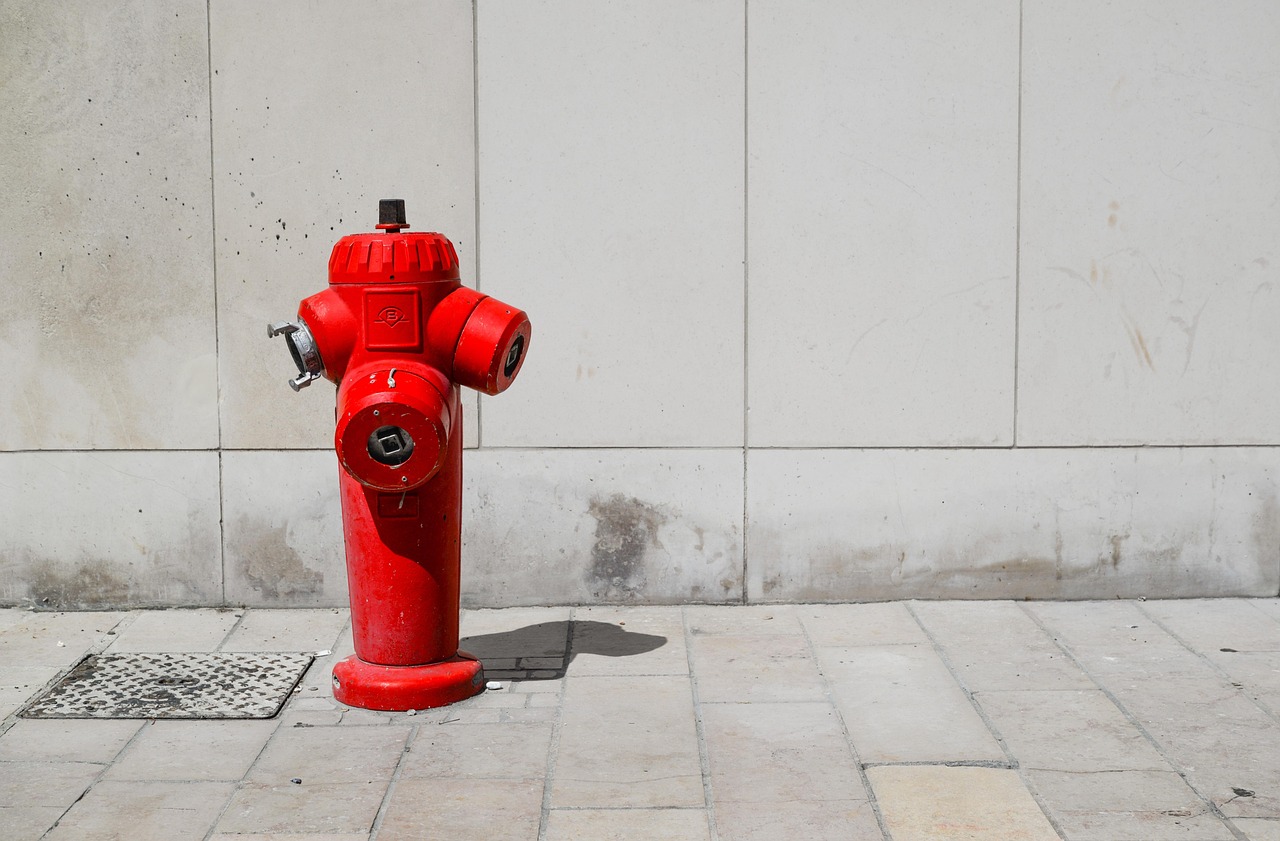
Fire hydrant is a water supply point located outside the building, used by fire‑fighters to connect hoses. The hydrant must be readily visible, unobstructed, and maintained according to local standards.
Fire‑engine access road provides a clear path for fire‑engine vehicles to reach the building. In urban hotel settings, this may involve keeping a curb space free of parked cars and ensuring the road surface can support the weight of fire‑fighting equipment.
Fire safety regulations vary by jurisdiction but typically include building codes, fire codes, and occupational health and safety standards. Hotels must stay informed of changes to these regulations and adjust their fire‑safety programs accordingly.
International Fire Code (IFC) provides model fire safety standards used in many countries. The IFC addresses construction, fire protection systems, and emergency planning. Hotels operating internationally often adopt IFC guidelines as a baseline.
National Fire Protection Association (NFPA) publishes a series of standards, such as NFPA 1 (Fire Code), NFPA 10 (Portable Extinguishers), NFPA 13 (Sprinkler Systems), and NFPA 72 (Fire Alarm and Signaling). Compliance with NFPA standards is widely recognized as best practice in fire safety.
Local building authority issues permits for construction, renovation, and fire‑protection system installation. The authority conducts inspections to verify compliance with the approved plans and applicable codes.
Fire‑safety management system (FSMS) integrates policies, procedures, and resources to achieve fire safety objectives. An FSMS includes elements such as risk assessment, training, maintenance, incident reporting, and continuous improvement.
Incident reporting documents any fire‑related event, including false alarms, near‑misses, and actual fires. Detailed reports help identify trends, evaluate the effectiveness of preventive measures, and support regulatory compliance.
Root‑cause analysis examines the underlying factors that contributed to a fire incident. By addressing root causes, hotels can implement lasting solutions rather than superficial fixes.
Fire‑safety culture describes the attitudes, beliefs, and behaviors that influence how fire safety is prioritized within an organization. A strong culture encourages proactive reporting, regular training, and continuous vigilance.
Fire‑safety committee is a cross‑functional group that reviews fire‑safety performance, sets goals, and oversees implementation of corrective actions. In hotels, the committee may include representatives from housekeeping, engineering, front desk, and senior management.
Fire‑safety metrics are quantitative measures used to track performance, such as number of fire drills completed, percentage of fire doors inspected on schedule, or average response time to alarms. Monitoring these metrics drives accountability.
Fire‑resistant interior finish includes wall coverings, ceiling tiles, and floor coverings that meet fire‑rating requirements. Materials such as mineral‑based ceiling tiles and fire‑treated wood paneling are common choices.
Fire‑protected structural steel is steel that has been coated with intumescent paint or encased in concrete to delay temperature rise during a fire. This protection maintains load‑bearing capacity, allowing occupants more time to evacuate.
Fire‑retardant-treated wood undergoes a chemical treatment that slows combustion. It is often used for decorative woodwork, doors, and furniture in hotels to meet fire‑rating criteria while preserving aesthetic appeal.
Fire‑rated partition creates a fire barrier within a larger space, such as a hallway separating a kitchen from a dining area. Partitions must be installed with proper fire‑stop detailing at joints and penetrations.
Fire‑blocking involves sealing gaps in walls, floors, and ceilings to prevent fire and smoke spread. Common fire‑blocking materials include mineral wool and fire‑rated board.
Fire‑escape route is a path that leads occupants from any point in the building to a safe exit. Routes must be kept clear of obstacles, well‑lit, and signposted. In hotels, corridors, stairwells, and external fire escapes constitute the primary escape routes.
Fire‑exit door must swing in the direction of egress and be equipped with panic hardware that allows easy opening without a key. The hardware must be maintained to ensure it does not become stuck.
Panic bar (or crash bar) is a type of door hardware that releases the latch when pressure is applied, enabling rapid egress. Panic bars are mandatory on all fire‑exit doors in many jurisdictions.
Deadbolt provides additional security but must be releasable from the inside without a key. In fire‑exit doors, deadbolts are often combined with panic bars to balance security and safety.
Magnetic lock (maglock) is an electronic lock that can be released automatically during a fire alarm. The lock must be fail‑safe, meaning it unlocks when power is lost, ensuring egress is not impeded.
Access control system integrates locks, card readers, and alarms. During a fire, the system must override normal security protocols to allow free movement of occupants and fire‑fighters.
Fire‑fighter communication system includes dedicated radios or intercoms that allow fire‑fighters to coordinate with hotel staff. The system should be operable even if the building’s main power fails.
Fire‑fighter lift (or fire service elevator) is a specially designed elevator that can be used by fire‑fighters during a fire. The lift must have fire‑rated shafts, emergency power, and a dedicated control panel.
Fire‑fighter elevator recall automatically returns the elevator to a designated floor (usually the ground floor) when a fire alarm activates, providing immediate access for rescue operations.
Fire‑fighter lobby is a protected area near the building entrance where fire‑fighters can coordinate their response. It should be free of obstacles and have access to fire‑hose connections.
Fire‑fighter hose connection provides a ready‑to‑use water supply for fire‑fighters. In hotels, connections are typically located on the exterior and sometimes inside the fire‑fighter lobby.
Fire‑fighter water supply must have sufficient pressure and flow to support fire‑fighting operations. The supply may be municipal mains, on‑site tanks, or dedicated fire pumps.
Fire‑pump boosts water pressure for sprinkler systems and fire‑hose connections. Pumps must be tested regularly, with performance records kept on file.
Fire‑pump controller monitors pump operation, pressure, and flow. Automatic controllers start the pump when water pressure drops below a set point, ensuring a reliable water source.
Fire‑pump test is performed annually, involving a flow test to verify that the pump can deliver the required volume at the specified pressure. Results are documented and any deficiencies are corrected.
Fire‑sprinkler head types include pendent, upright, sidewall, and recessed heads, each suited for different ceiling configurations. Selecting the correct type ensures proper water distribution.
Temperature rating of a sprinkler head indicates the temperature at which the head will open (e.G., 68 °C, 135 °C). The rating is chosen based on the ambient temperature of the protected space to avoid premature activation.
Response time index (RTI) measures how quickly a heat detector responds to a temperature rise. Low‑RTI detectors react faster, making them suitable for areas where rapid detection is critical.
Smoke detector sensitivity is calibrated to detect a specific concentration of smoke particles. Adjustments may be necessary in areas with high dust or steam levels to reduce nuisance alarms.
Fire alarm zone groups devices in a logical area, allowing the control panel to identify the location of an alarm. Zones simplify troubleshooting and help responders focus on the affected area.
Fire‑alarm annunciator displays visual and audible information about the status of the alarm system, indicating which zones are active and whether there are any faults.
Fault monitoring continuously checks the health of detectors, power supplies, and communication circuits. Faults are reported to the control panel and must be investigated promptly.
Fire‑alarm power supply includes primary mains power and a backup battery. The battery must be capable of sustaining the system for at least 24 hours of standby and 90 minutes of alarm operation.
Battery maintenance involves periodic testing of capacity, voltage, and connections. Batteries should be replaced before the end of their service life to avoid loss of protection.
Fire‑alarm testing schedule typically includes weekly functional tests of audible devices, monthly visual inspections of detectors, and annual full system tests. The schedule must be documented and reviewed.
Fire‑alarm documentation comprises as‑built drawings, operation manuals, maintenance records, and test reports. Accurate documentation is essential for regulatory compliance and for guiding maintenance personnel.
Fire‑safety signage compliance requires that signs meet size, color, and illumination standards. Non‑compliant signs can lead to confusion during an evacuation and may result in regulatory penalties.
Fire‑safety equipment inventory tracks the location, type, and service status of all fire‑related assets. An up‑to‑date inventory assists during inspections and ensures that replacement parts are available when needed.
Fire‑safety budgeting allocates funds for preventive maintenance, equipment replacement, training, and audits. A well‑planned budget prevents cost‑driven shortcuts that could compromise safety.
Fire‑safety procurement involves selecting certified products that meet recognized standards. Purchasing non‑certified equipment can void insurance coverage and breach regulatory requirements.
Fire‑safety insurance provides coverage for property loss, business interruption, and liability arising from fire incidents. Insurers often require evidence of compliance with fire codes as a condition of coverage.
Fire‑safety legal liability holds hotel owners and operators accountable for negligence in fire protection. Failure to meet standards can result in civil lawsuits, fines, and criminal charges.
Fire‑safety incident investigation follows a structured process: Securing the scene, gathering evidence, interviewing witnesses, and analyzing data. The investigation aims to determine cause, assess response effectiveness, and recommend corrective actions.
Fire‑safety corrective action plan outlines specific steps to address deficiencies identified during inspections or incidents. The plan includes responsibilities, timelines, and verification methods.
Fire‑safety continuous improvement adopts a cycle of planning, doing, checking, and acting (PDCA). Regular review of performance data, audit findings, and incident reports drives ongoing enhancements.
Fire‑safety communication ensures that all staff members receive timely information about hazards, procedures, and changes to the fire‑safety program. Effective communication uses multiple channels, such as briefings, posters, and digital alerts.
Guest fire‑safety awareness can be promoted through in‑room information cards, welcome briefings, and signage. Educating guests on the location of exits, fire alarms, and assembly points improves overall safety.
Fire‑safety challenges in hotels include high occupant turnover, diverse guest demographics, complex building layouts, and the need to balance security with rapid egress. Addressing these challenges requires an integrated approach that combines engineering controls, administrative policies, and human factors.
High occupancy increases the number of people who must be evacuated quickly. To manage this, hotels must ensure that egress routes are wide enough, that exit signage is clear, and that evacuation drills account for peak occupancy periods.
Diverse guest demographics mean that some guests may have limited English proficiency, hearing impairments, or mobility limitations. Multilingual signage, visual alarms, and accessible refuge areas address these needs.
Complex building layout often results from multiple extensions, annexes, and service corridors. Detailed evacuation maps, zone‑based alarm systems, and regular drills help occupants navigate the structure safely.
Balancing security and egress is critical; security doors that lock from the inside must release automatically on fire alarm activation. Integrating access control with fire‑alarm systems prevents conflicts between security and safety.
Maintenance of fire‑protection equipment is a recurring challenge due to the size of hotel properties. Implementing a computerized maintenance management system (CMMS) can schedule inspections, track work orders, and generate compliance reports.
Integration with building management systems (BMS) allows fire‑alarm signals to trigger HVAC shutdown, elevator recall, and door release functions automatically. Coordination between fire engineers and BMS specialists is essential for seamless operation.
Training turnover is common in hospitality, where staff may change frequently. Ongoing training programs, competency assessments, and refresher courses help maintain a consistent level of fire‑safety knowledge.
Regulatory updates require that hotels stay current with changes to fire codes, especially when operating in multiple jurisdictions. Assigning a compliance officer to monitor regulatory publications ensures timely adoption of new requirements.
Technology adoption introduces both benefits and risks. For example, wireless fire‑alarm devices reduce installation time but may be vulnerable to interference. Conducting risk assessments before implementing new technology mitigates potential drawbacks.
Fire‑safety documentation management can be streamlined using cloud‑based platforms that provide version control, access logs, and automated reminders for upcoming inspections.
Case study: Kitchen fire prevention illustrates how a hotel reduced kitchen fire incidents by 70 % after installing an automatic foam suppression system over each cooking line, implementing a weekly grease filter cleaning schedule, and training staff on the use of fire blankets. The hotel also introduced a hot‑work permit process for any maintenance that involved open flames.
Case study: Sprinkler system retrofit describes a historic boutique hotel that needed to preserve its original plaster walls while upgrading fire protection. Engineers selected concealed recessed sprinkler heads with low‑profile covers that blended with the décor. The retrofit also included fire‑rated plasterboard behind decorative moldings, satisfying both preservation and safety objectives.
Case study: Evacuation drill optimization shows how a large resort chain improved evacuation times by analyzing drill data with a performance dashboard. The analysis revealed that certain corridors were congested during night‑time drills. The hotel responded by re‑routing signage, widening doorways where possible, and assigning additional staff to guide guests during emergencies.
Practical application: Manual call‑point operation instructs staff to locate the nearest call point, remove the protective cover, and depress the lever firmly until it clicks. The alarm should sound immediately; the staff member must then announce the evacuation, assist guests, and contact the fire‑brigade. After the incident, the call point must be reset by a qualified technician.
Practical application: Sprinkler head inspection checklist includes verifying that the head is unobstructed, free of paint or dust, securely mounted, and that the temperature rating matches the design specifications. Any head that fails inspection must be replaced before the next scheduled test.
Practical application: Fire‑extinguisher use follows the PASS acronym: Pull the pin, Aim the nozzle at the base of the fire, Squeeze the handle, and Sweep the nozzle side‑to‑side. Staff should practice this on training units annually and be aware of the appropriate extinguisher class for each fire type.
Practical application: Evacuation map placement requires that maps be posted at every floor entrance, in each guest room, and in staff areas. Maps must indicate the location of exits, fire alarms, assembly points, and refuge areas. They should be laminated for durability and updated after any structural changes.
Practical application: Smoke detector testing involves using a smoke test aerosol to generate a controlled concentration of smoke near the detector. The alarm should activate within the manufacturer’s specified time. Testing must be coordinated with the fire‑alarm monitoring service to avoid false alarms.
Practical application: Emergency lighting verification checks that each emergency light illuminates for at least 90 minutes at the required brightness. The test is performed by disconnecting the main power and observing the battery‑powered operation. Any light that fails the test must be replaced.
Practical application: Exit door hardware maintenance includes lubricating hinges, checking that the panic bar releases smoothly, and confirming that any magnetic lock disengages when the fire alarm is triggered. Faulty hardware is a common cause of blocked egress.
Practical application: Fire‑fighter lift operation requires training staff on the manual recall button, the fire‑fighter control panel, and the proper communication protocol with fire‑fighters. Regular drills should include simulated use of the fire‑fighter lift to ensure familiarity.
Practical application: Hot‑work permit workflow begins with a written request describing the work, location, and duration. The permit is reviewed by the fire marshal, who assesses the fire risk and assigns a fire watch. After completion, the area is inspected for smoldering residues before the permit is closed.
Practical application: Housekeeping fire‑risk checklist covers tasks such as removing waste from service elevators, ensuring that linen carts are not overloaded, checking that laundry rooms have functional exhaust fans, and confirming that cleaning chemicals are stored in fire‑rated cabinets.
Practical application: Guest room fire‑safety brief can be delivered during check‑in by the front desk staff. The brief highlights the location of the nearest exit, how to operate the manual call point, and the importance of not tampering with fire‑door hardware. A printed card in the room reinforces the message.
Practical application: Fire‑stop inspection uses a flashlight to examine all wall and floor penetrations for proper sealing. The inspector checks for gaps larger than 3 mm, verifies that fire‑stop material is in place, and records any deficiencies for corrective action.
Practical application: Smoke control system testing involves activating the smoke fans and verifying that pressure differentials are maintained across fire doors. Duct dampers should close automatically, and smoke should be directed away from egress routes. Results are logged and any abnormal readings investigated.
Practical application: Fire‑pump performance test measures flow rate using a calibrated flow meter and records pressure at the discharge point. The test must be conducted at the design flow rate and compared against the pump curve. Any deviation beyond allowable tolerances triggers maintenance.
Practical application: Fire‑alarm panel backup requires periodic battery load testing to confirm the battery can sustain the panel for the required duration. The test is performed by disconnecting the mains supply and observing panel operation until battery depletion.
Practical application: Fire‑safety training record keeping involves maintaining a digital log of each employee’s training date, topics covered, and competency assessment results.
Key takeaways
- In a hotel environment, fire can originate from a wide range of sources such as kitchen equipment, electrical faults, smoking materials, and heating appliances.
- This principle is the basis for many fire‑suppression techniques used in hotels.
- In a hotel setting, fuel includes upholstered furniture, bedding, carpets, paper documents, and even certain cleaning chemicals.
- Air is the most common oxidizing agent, but some chemicals, such as chlorine trifluoride, can also act as potent oxidizers.
- Typical heat sources in hotels include electrical equipment, cooking appliances, heating systems, and open flames from candles or cigarettes.
- Ignition source is the specific point at which heat, fuel, and oxygen combine to start a fire.
- Modern fire science expands this to the fire tetrahedron, which adds a chemical chain reaction as the fourth element.