
Management of Chronic Diseases in the Elderly
Chronic disease refers to a health condition that persists for months or years and typically progresses slowly. In the elderly, chronic diseases often co‑exist, creating complex clinical pictures that require a holistic approach. Understand…
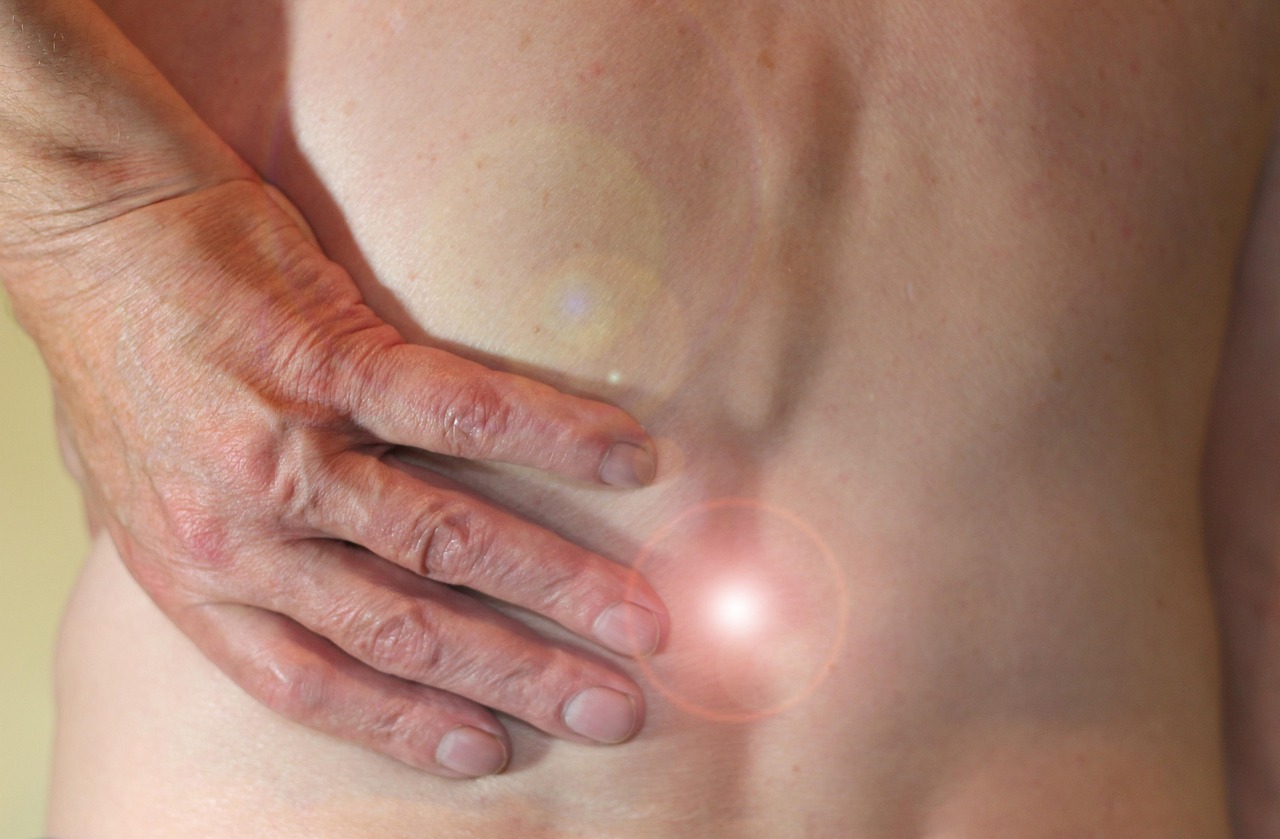
Chronic disease refers to a health condition that persists for months or years and typically progresses slowly. In the elderly, chronic diseases often co‑exist, creating complex clinical pictures that require a holistic approach. Understanding the terminology used to describe these conditions, their impact on function, and the strategies for management is essential for physical therapists working with older adults.
Geriatric syndrome is a collection of symptoms and signs that do not fit neatly into discrete disease categories but have a high prevalence in older adults. Examples include falls, incontinence, delirium, and frailty. These syndromes are often multifactorial and signal underlying vulnerabilities that may be exacerbated by chronic disease.
Functional capacity is the ability of an individual to perform tasks that require physical, mental, and social abilities. It is measured in relation to daily activities and is a critical outcome for therapy. Functional capacity declines with age and disease, but targeted interventions can slow or reverse loss.
Activities of daily living (ADL) encompass basic self‑care tasks such as bathing, dressing, toileting, transferring, feeding, and continence. Successful performance of ADL is a primary goal of rehabilitation. When ADL performance is compromised, the risk of institutionalization and loss of independence rises dramatically.
Instrumental ADL (IADL) involve more complex activities required for independent living, including meal preparation, medication management, financial handling, and transportation. Chronic conditions such as arthritis or heart failure often first affect IADL before basic ADL, providing an early indicator of functional decline.
Balance is the ability to maintain the body’s center of mass over its base of support. Age‑related changes in vestibular function, proprioception, and muscle strength contribute to balance impairment. Chronic conditions such as peripheral neuropathy, stroke, or Parkinson’s disease further degrade balance, increasing fall risk.
Gait refers to the pattern of walking. Gait analysis is a core assessment tool; alterations such as reduced step length, slower cadence, or increased double‑support time can signal underlying disease processes. For example, a shuffling gait is often associated with Parkinsonian disorders, whereas an antalgic gait may indicate joint pain.
Falls risk is the probability that an individual will experience a fall within a given period. Multiple factors—muscle weakness, medication side effects, environmental hazards—contribute to falls risk. Physical therapists assess falls risk through screening tools and design interventions to mitigate these hazards.
Polypharmacy describes the use of multiple medications, typically five or more, concurrently. In older adults, polypharmacy is common due to multiple chronic conditions. It raises the likelihood of drug‑drug interactions, adverse drug events, and medication non‑adherence, all of which can exacerbate functional impairment.
Multimorbidity is the coexistence of two or more chronic diseases in a single individual. This concept differs from comorbidity, which usually denotes additional diseases that co‑occur with a primary index disease. Multimorbidity challenges clinicians to prioritize treatment goals and balance benefits against burdens.
Comorbidity often appears in research to describe the presence of secondary diseases alongside a primary condition. For instance, a patient with chronic obstructive pulmonary disease (COPD) may also have hypertension and osteoarthritis. Recognizing comorbidities helps tailor interventions that address the whole person rather than isolated systems.
Frailty is a state of increased vulnerability resulting from age‑related decline across multiple physiological systems. Two common conceptual models are the frailty phenotype and the frailty index.
The frailty phenotype defines frailty by the presence of at least three of five criteria: unintentional weight loss, exhaustion, low physical activity, slow walking speed, and weak grip strength.
The frailty index quantifies deficits across a broader range of domains, including comorbidities, cognition, mood, and functional abilities. Both models provide a framework for risk stratification and guide interventions such as progressive resistance training to improve muscle mass and strength.
Cognitive impairment denotes a decline in mental processes that affect memory, attention, language, and executive function. It ranges from mild cognitive impairment (MCI) to severe dementia. Cognitive impairment can hinder learning, adherence to exercise programs, and safety during ambulation.
Dementia is a progressive neurodegenerative disorder characterized by loss of memory, language, problem‑solving, and other cognitive abilities severe enough to interfere with daily life. Alzheimer’s disease and vascular dementia are the most common forms. Physical therapists must adapt communication and instruction strategies when working with individuals with dementia, emphasizing simple cues, repetition, and environmental modifications.
Alzheimer’s disease is the most frequent cause of dementia, marked by amyloid plaque deposition and neurofibrillary tangles. Functional decline often follows a predictable pattern from memory loss to impaired ADL performance. Early engagement in physical activity may delay progression, making early identification of functional changes crucial.
Vascular dementia results from cerebrovascular disease, such as multiple small strokes or chronic hypoperfusion. It may present with stepwise decline and focal neurological deficits. Physical therapy can address gait instability and balance deficits that arise from ischemic lesions.
Osteoporosis is a systemic skeletal disorder characterized by reduced bone density and microarchitectural deterioration, increasing fracture risk. The disease is silent until a fracture occurs, often at the hip, vertebrae, or wrist. Screening with dual‑energy X‑ray absorptiometry (DXA) and implementing weight‑bearing exercise are primary preventive strategies.
Osteoarthritis (OA) is a degenerative joint disease marked by cartilage loss, osteophyte formation, and synovial inflammation. The most affected joints are the knee, hip, hand, and spine. OA leads to pain, stiffness, and limited range of motion, which compromise functional mobility. Physical therapy interventions include joint mobilization, strengthening, and gait training.
Chronic obstructive pulmonary disease (COPD) is a progressive airway disease characterized by airflow limitation, chronic bronchitis, and emphysema. Dyspnea, reduced exercise tolerance, and systemic inflammation are hallmarks. Pulmonary rehabilitation, which includes aerobic conditioning, breathing techniques, and education, is a cornerstone of COPD management.
Heart failure denotes the inability of the heart to pump sufficient blood to meet tissue demands. Symptoms such as dyspnea on exertion, fatigue, and peripheral edema limit activity. Exercise prescription for heart failure follows the principle of “low‑intensity, high‑frequency” initially, progressing based on tolerance and cardiac monitoring.
Hypertension is a chronic elevation of arterial blood pressure, often asymptomatic but a major risk factor for stroke, myocardial infarction, and renal disease. Physical activity lowers systolic and diastolic pressures and improves vascular compliance. Therapists should monitor blood pressure before and after sessions, especially when using high‑intensity protocols.
Diabetes mellitus is a metabolic disorder characterized by hyperglycemia due to insulin deficiency or resistance. Long‑term complications include peripheral neuropathy, retinopathy, and vascular disease. Diabetes influences rehabilitation through altered wound healing, increased infection risk, and balance deficits caused by sensory loss.
Peripheral arterial disease (PAD) is a manifestation of atherosclerosis in the lower extremities, leading to intermittent claudication and, in severe cases, critical limb ischemia. Exercise therapy, particularly supervised walking programs, improves collateral circulation and walking distance.
Chronic kidney disease (CKD) progresses through stages based on glomerular filtration rate (GFR). Reduced renal function can cause anemia, bone disease, and fluid imbalance, all of which impact exercise capacity. Therapy must be tailored to avoid overexertion while preserving functional independence.
Pain management is central to chronic disease care. Pain may be nociceptive, neuropathic, or mixed. Understanding the underlying mechanisms guides treatment selection.
Neuropathic pain arises from nerve injury or dysfunction, common in diabetic peripheral neuropathy. It is often described as burning, tingling, or electric shock‑like sensations. Physical therapists use modalities such as transcutaneous electrical nerve stimulation (TENS), desensitization techniques, and graded exposure to activity.
Musculoskeletal pain is typically associated with joint degeneration, muscle strain, or overuse. Strategies include manual therapy, therapeutic exercise, and patient education on activity modification.
Psychosocial factors such as depression, anxiety, and social isolation influence disease perception, motivation, and adherence. The Geriatric Depression Scale (GDS) and the Hospital Anxiety and Depression Scale (HADS) are screening tools that help identify patients needing additional support.
Self‑efficacy is the belief in one’s capacity to execute behaviors necessary to produce specific performance attainments. High self‑efficacy predicts better adherence to exercise programs. Therapists can enhance self‑efficacy through mastery experiences, verbal persuasion, and modeling.
Behavioral change models, such as the Transtheoretical Model and Motivational Interviewing, provide frameworks for encouraging lifestyle modifications. Setting realistic, patient‑centered goals fosters engagement and sustainability.
Exercise prescription follows the FITT principle: Frequency, Intensity, Time, and Type. For older adults with chronic disease, the prescription must be individualized, progressive, and safe.
Aerobic training improves cardiovascular endurance and metabolic health. Options include walking, stationary cycling, and aquatic exercise. The target intensity often utilizes the “talk test” or heart rate reserve (HRR) calculations, aiming for 40‑70% of HRR depending on disease severity.
Resistance training addresses sarcopenia and muscle weakness, common in frailty and chronic disease. Programs typically involve 2‑3 sets of 8‑12 repetitions at 60‑80% of one‑repetition maximum (1RM). Progressive overload, where resistance is increased gradually, is essential for strength gains.
Balance training incorporates static and dynamic activities, such as tandem stance, single‑leg support, and perturbation training. The goal is to improve postural control and reduce falls risk.
Flexibility exercises maintain joint range of motion and reduce stiffness. Stretching protocols should be performed gently, holding each stretch for 15‑30 seconds, and avoiding ballistic movements that may exacerbate joint pathology.
Home exercise program (HEP) extends therapeutic gains beyond the clinic. Effective HEPs are concise, clearly written, and include visual cues when possible. Regular follow‑up ensures compliance and allows for progression.
Adherence measures the extent to which patients follow prescribed regimens. Barriers include pain, transportation, health literacy, and lack of social support. Strategies to improve adherence encompass goal setting, caregiver involvement, and technology‑based reminders.
Outcome measures provide objective data on functional status, quality of life, and disease progression. Selecting appropriate tools depends on the condition, patient capability, and clinical setting.
The Timed Up and Go (TUG) assesses mobility, balance, and fall risk. The patient rises from a chair, walks 3 meters, turns, returns, and sits. Times >12 seconds often indicate increased fall risk.
The 6‑Minute Walk Test (6MWT) measures aerobic capacity and endurance. Distance covered in six minutes correlates with functional status in COPD, heart failure, and peripheral arterial disease. Standardized instructions and encouragement are essential for reliable results.
The Berg Balance Scale (BBS) evaluates static and dynamic balance through 14 tasks. Scores below 45 suggest high fall risk, prompting comprehensive balance interventions.
The Barthel Index quantifies independence in basic ADL, ranging from 0 (total dependence) to 100 (full independence). It helps track functional changes over time and informs discharge planning.
The SF‑36 is a generic health‑related quality‑of‑life questionnaire covering physical functioning, bodily pain, and mental health. While not disease‑specific, it provides a broad perspective on patient well‑being.
The Mini‑Mental State Examination (MMSE) screens for cognitive impairment, with scores ≤23 indicating possible dementia. It guides communication strategies and safety precautions during therapy.
The Montreal Cognitive Assessment (MoCA) is more sensitive for detecting MCI, especially in highly educated individuals. Scores ≤25 suggest cognitive concerns that may affect treatment planning.
Pain intensity is frequently measured using the Visual Analog Scale (VAS) or the Numeric Rating Scale (NRS)**. These tools are simple, reliable, and facilitate monitoring of treatment efficacy.
Patient‑reported outcome measures (PROMs) capture the patient’s perspective on symptoms, function, and satisfaction. Examples include the Knee injury and Osteoarthritis Outcome Score (KOOS) and the COPD Assessment Test (CAT). Incorporating PROMs enhances shared decision‑making.
Clinical reasoning is the cognitive process that links assessment findings to intervention choices. It involves hypothesis generation, testing, and modification. In chronic disease management, reasoning must integrate medical history, functional goals, and psychosocial context.
Interprofessional collaboration brings together physicians, nurses, pharmacists, occupational therapists, dietitians, and social workers to address the multifaceted needs of older adults. Regular case conferences and clear communication pathways improve care coordination and reduce duplication of services.
Care coordination ensures that interventions across settings—hospital, outpatient, home—are aligned. A care coordinator may track medication changes, follow‑up appointments, and progress on exercise goals, thereby reducing readmission rates.
Tele‑rehabilitation utilizes video conferencing, remote monitoring, and mobile applications to deliver therapy services when in‑person visits are impractical. It expands access, particularly for rural or mobility‑limited patients, but requires reliable technology and patient training.
Evidence‑based practice (EBP) integrates the best available research, clinical expertise, and patient preferences. For each chronic condition, systematic reviews and clinical guidelines inform the selection of interventions with proven efficacy.
Clinical guidelines such as those from the American College of Sports Medicine (ACSM), the European Society of Cardiology, or the American Geriatrics Society provide disease‑specific recommendations on exercise dosage, safety precautions, and monitoring parameters.
Risk stratification categorizes patients based on the likelihood of adverse events, functional decline, or hospitalization. Tools like the Charlson Comorbidity Index or the Frailty Index assist in prioritizing resources for high‑risk individuals.
Screening tools help identify problems early. The Falls Risk Assessment Tool (FRAT), the Stop‑BANG questionnaire for medication review, and the Functional Independence Measure (FIM)** assess various domains that influence therapeutic planning.
Falls risk assessment includes evaluating gait, balance, vision, footwear, home environment, and medication profile. A comprehensive assessment may reveal modifiable factors such as loose rugs, inappropriate antihypertensive dosing, or inadequate lighting.
Environmental modifications are practical changes to the home or community that reduce hazards. Installing grab bars, improving lighting, and removing clutter are simple yet effective strategies that complement therapeutic interventions.
Assistive devices such as canes, walkers, or orthoses support mobility when intrinsic function is insufficient. Selection should be based on a gait analysis, patient preference, and safety considerations. Training in proper use is essential to prevent falls.
Medication reconciliation is the process of verifying that a patient’s medication list is accurate and complete. Physical therapists should communicate with pharmacists to identify drugs that may cause dizziness, orthostatic hypotension, or muscle weakness, which can increase fall risk.
Nutrition plays a pivotal role in maintaining muscle mass and bone health. Adequate protein intake (1.0‑1.2 g/kg body weight) is recommended for older adults engaged in resistance training. Vitamin D supplementation supports calcium absorption and may reduce falls.
Sleep hygiene influences recovery, pain perception, and cognition. Chronic disease patients often experience insomnia due to pain or nocturia. Educating patients on regular sleep schedules, limiting caffeine, and creating a conducive sleep environment can improve overall outcomes.
Motivation is a dynamic construct influenced by personal goals, perceived benefits, and support systems. Incorporating enjoyable activities—such as dancing, gardening, or group classes—can increase intrinsic motivation and sustain long‑term participation.
Goal setting should follow the SMART criteria: Specific, Measurable, Achievable, Relevant, and Time‑bound. For example, “Increase 6MWT distance by 50 m within eight weeks” provides a clear target for both therapist and patient.
Progress monitoring involves regular re‑assessment using the same outcome measures employed at baseline. Tracking changes allows for timely adjustments, reinforces patient confidence, and documents the efficacy of interventions.
Barriers to care often include transportation difficulties, financial constraints, and cultural beliefs. Addressing these barriers may involve arranging community transport, exploring insurance coverage, or adapting communication to respect cultural norms.
Adverse events such as cardiac events, falls, or musculoskeletal injuries must be anticipated and mitigated. Pre‑exercise screening, monitoring vital signs, and ensuring a safe environment reduce the likelihood of complications.
Safety protocols for patients with cardiovascular disease include a gradual warm‑up, avoidance of Valsalva maneuvers, and immediate cessation of activity if chest pain or undue dyspnea occurs. For patients with osteoporosis, high‑impact activities should be avoided to prevent fracture.
Monitoring parameters may include heart rate, blood pressure, oxygen saturation, and perceived exertion (Borg Scale). Recording these values before, during, and after sessions assists in evaluating tolerance and progression.
Health literacy affects a patient’s ability to understand instructions, medication regimens, and the importance of lifestyle changes. Using plain language, visual aids, and teach‑back methods enhances comprehension.
Caregiver involvement is often essential, especially when cognitive impairment or severe frailty limits patient independence. Training caregivers in safe transfer techniques, exercise assistance, and fall‑prevention strategies extends therapeutic benefits into the home.
Community resources such as senior centers, walking clubs, and disease‑specific support groups provide social interaction and opportunities for physical activity. Referrals to these resources can complement formal therapy.
Policy and reimbursement influence service delivery. Understanding billing codes, insurance limitations, and value‑based care models helps therapists advocate for necessary services and ensure sustainability of programs.
Research gaps in the field include limited data on optimal exercise dosing for multimorbid elderly, the long‑term impact of tele‑rehabilitation on adherence, and strategies to integrate mental health care within physical therapy practice. Ongoing investigation is required to refine evidence‑based protocols.
Technology integration encompasses wearable sensors, mobile health apps, and virtual reality platforms. Wearables can track step count, gait symmetry, and heart rate, providing objective data for personalized program adjustments.
Virtual reality (VR) offers immersive environments for balance training, gait retraining, and cognitive engagement. Preliminary studies suggest VR can improve motivation and adherence, though cost and accessibility remain challenges.
Outcome tracking dashboards compile patient data into visual formats that aid clinicians in identifying trends, setting benchmarks, and communicating progress to patients and families.
Ethical considerations include respecting autonomy, ensuring informed consent, and balancing risk versus benefit. When cognitive impairment is present, surrogate decision‑makers may be involved, requiring clear documentation of patient preferences.
Legal responsibilities pertain to documentation accuracy, adherence to scope of practice, and reporting of adverse events. Maintaining thorough records of assessments, interventions, and patient responses protects both the clinician and the patient.
Professional development is essential to stay current with evolving guidelines, emerging technologies, and best practices. Participation in continuing education, conferences, and peer review fosters competency and improves patient care.
Case example – Mrs. L., 78 years old:
Mrs. L. presents with hypertension, type 2 diabetes, mild osteoarthritis of the knees, and a recent episode of dizziness after standing quickly. She reports difficulty climbing stairs and fear of falling, leading to reduced activity. A comprehensive assessment reveals a TUG time of 14 seconds, a 6MWT distance of 280 m, and a GDS score of 8, indicating mild depression. Her medication list includes a thiazide diuretic, metformin, and a low‑dose beta‑blocker.
The therapist initiates a multifaceted program:
1. Medication review with the pharmacist identifies the thiazide as a possible contributor to orthostatic hypotension. The prescriber reduces the dose, resulting in fewer dizziness episodes. 2. Balance training incorporates static single‑leg stance, tandem walking, and perturbation exercises twice weekly, progressing from support‑assisted to independent practice. 3. Resistance training targets quadriceps and hip abductors using elastic bands, beginning at an intensity of 50 % 1RM and advancing to 70 % over six weeks. 4. Aerobic conditioning includes walking on a treadmill at a moderate intensity (RPE = 11–13) for 20 minutes, gradually increased to 30 minutes. 5. Home exercise program provides printed instructions with pictures for daily balance and strengthening exercises, reinforced through weekly telephone check‑ins. 6. Education addresses self‑efficacy, encouraging Mrs. L. to set a goal of climbing a flight of stairs without rest within eight weeks. 7. Environmental modifications are arranged through a home safety assessment, resulting in the installation of grab bars in the bathroom and removal of loose rugs. 8. Psychosocial support involves referral to a community senior walking group and counseling for depressive symptoms.
After 12 weeks, Mrs. L.’s TUG improves to 10 seconds, her 6MWT distance increases to 340 m, and she reports confidence in stair navigation. The multidisciplinary approach illustrates how integrated terminology guides comprehensive care.
Case example – Mr. J., 82 years old:
Mr. J. has COPD, chronic heart failure (NYHA class II), and moderate cognitive impairment (MoCA = 22). He experiences chronic dyspnea and limited endurance, leading to dependence on a walker for outdoor ambulation. The therapist conducts a baseline assessment: a 6MWT of 150 m, BBS score of 38, and a VAS pain rating of 3/10 due to occasional knee discomfort.
Intervention plan:
1. Pulmonary rehabilitation emphasizes interval walking, starting with 2‑minute bouts at a pace that elicits a Borg dyspnea rating of 3, followed by 1‑minute rest, repeated five times. 2. Heart‑failure‑specific monitoring includes daily weight checks and weekly blood pressure measurements to detect fluid overload. 3. Resistance training uses low‑load, high‑repetition exercises for upper‑body muscles to assist with activities of daily living, such as reaching and dressing. 4. Cognitive support incorporates simple, step‑by‑step verbal cues and visual cue cards for each exercise, reinforcing learning through repetition. 5. Tele‑rehabilitation is employed for weekly video check‑ins, allowing the therapist to observe technique, adjust intensity, and provide encouragement without travel barriers. 6. Family education focuses on recognizing signs of exacerbation, medication adherence, and facilitating safe ambulation at home.
At the 10‑week mark, Mr. J.’s 6MWT distance rises to 210 m, BBS improves to 44, and he reports using his walker less frequently. The integration of chronic disease terminology—COPD, heart failure, cognitive impairment—ensured a coordinated, patient‑centered approach.
Practical application of terminology in documentation:
When recording a session, the therapist might write: “Patient demonstrated improved gait speed from 0.78 m/s to 0.85 m/s during the 10‑meter walk test. Balance training focused on dynamic postural control using tandem walking and obstacle negotiation. Pain level decreased from 5 to 3 on the VAS, likely related to reduced load‑bearing stress on the knees. Education provided on medication timing to reduce orthostatic symptoms, addressing polypharmacy concerns.”
Using precise terminology clarifies the rationale for interventions, facilitates communication across disciplines, and supports continuity of care.
Challenges in managing chronic disease in the elderly:
1. Heterogeneity of the older population means that disease manifestations, functional abilities, and psychosocial contexts vary widely. A one‑size‑fits‑all protocol is rarely effective. 2. Comorbidity burden complicates decision‑making. For example, an exercise program designed for knee OA must be adjusted if the patient also has severe peripheral neuropathy that limits proprioception. 3. Limited resources such as transportation, insurance coverage, and access to specialized equipment can restrict the availability of comprehensive programs. 4. Adherence fatigue often emerges when patients are asked to manage multiple self‑care tasks simultaneously. Simplifying regimens and prioritizing high‑impact interventions are essential. 5. Safety concerns when exercising individuals with cardiac risk, severe osteoporosis, or advanced cognitive decline require vigilant monitoring and contingency planning. 6. Technology adoption may be hindered by unfamiliarity with digital devices, visual or auditory impairments, and lack of technical support. Tailored training and user‑friendly interfaces are needed. 7. Research translation is a persistent obstacle; many studies exclude frail or multimorbid participants, limiting the generalizability of findings to real‑world settings.
Strategies to overcome challenges include:
- Conducting comprehensive initial assessments that capture medical history, functional status, psychosocial factors, and environmental risks. - Employing shared decision‑making to align therapeutic goals with patient values and priorities. - Implementing graded activity progression to build confidence and reduce fear of exertion. - Leveraging community partnerships for transportation assistance, group exercise opportunities, and peer support. - Utilizing simple, low‑cost equipment such as resistance bands, balance pads, and step platforms that can be used at home. - Providing continuous education for patients and caregivers on disease management, safety, and the importance of activity. - Engaging in interprofessional case conferences to integrate medical, pharmacologic, nutritional, and psychosocial perspectives.
Key take‑away terms and their interrelationships:
- Multimorbidity ↔ Polypharmacy ↔ Falls risk - Frailty ↔ Functional capacity ↔ Exercise prescription - Cognitive impairment ↔ Self‑efficacy ↔ Adherence - Chronic pain ↔ Psychosocial factors ↔ Outcome measures - Tele‑rehabilitation ↔ Technology integration ↔ Access to care
Understanding these connections enables therapists to devise holistic, evidence‑based plans that address the full spectrum of challenges faced by older adults with chronic disease.
Future directions:
The field is moving toward precision rehabilitation, where genetics, biomarkers, and advanced analytics inform individualized interventions. Wearable technology will likely provide real‑time feedback on gait symmetry, heart rate variability, and activity levels, allowing dynamic adjustment of exercise intensity. Moreover, integration of mental health services within physical therapy clinics promises to address the intertwined nature of physical and psychological well‑being.
Continued research on optimal dosing for resistance training in frail elders, the efficacy of virtual reality for balance improvement, and the long‑term sustainability of tele‑rehabilitation programs will shape best practices. As the population ages, the demand for skilled professionals capable of navigating the complex terminology and applying it to patient‑centered care will only increase.
In summary, mastery of the key terms and vocabulary outlined above equips physical therapists with the language necessary to assess, plan, implement, and evaluate interventions for chronic disease in the elderly. Precise usage promotes clear communication across disciplines, supports evidence‑based decision‑making, and ultimately enhances the quality of life for older adults living with chronic health conditions.
Key takeaways
- Understanding the terminology used to describe these conditions, their impact on function, and the strategies for management is essential for physical therapists working with older adults.
- Geriatric syndrome is a collection of symptoms and signs that do not fit neatly into discrete disease categories but have a high prevalence in older adults.
- Functional capacity is the ability of an individual to perform tasks that require physical, mental, and social abilities.
- Activities of daily living (ADL) encompass basic self‑care tasks such as bathing, dressing, toileting, transferring, feeding, and continence.
- Instrumental ADL (IADL) involve more complex activities required for independent living, including meal preparation, medication management, financial handling, and transportation.
- Chronic conditions such as peripheral neuropathy, stroke, or Parkinson’s disease further degrade balance, increasing fall risk.
- Gait analysis is a core assessment tool; alterations such as reduced step length, slower cadence, or increased double‑support time can signal underlying disease processes.