
Physical Therapy for Balance and Mobility Disorders
Balance is the ability to maintain the body’s center of mass within the base of support. In the elderly, this capacity is often compromised by age‑related changes in sensory systems, muscle strength, and neural processing speed. Understandi…
Balance is the ability to maintain the body’s center of mass within the base of support. In the elderly, this capacity is often compromised by age‑related changes in sensory systems, muscle strength, and neural processing speed. Understanding balance requires familiarity with several sub‑components. Static balance refers to maintaining posture when the body is stationary, such as standing still with eyes open or closed. Dynamic balance involves maintaining stability while the body is moving, for example during gait or when reaching for an object. A practical example of static balance assessment is the single‑leg stance test, where the therapist records how long the patient can stand on one foot without support. The challenge in this test is that many older adults experience a rapid decline in postural sway after the first few seconds, making it difficult to differentiate between true balance deficits and fear‑driven hesitation.
Postural sway is the natural oscillation of the body’s center of mass while a person is trying to remain still. It can be quantified using a force plate, which records the movement of the center of pressure. Increased sway is a predictor of fall risk, especially when the sway amplitude exceeds the limits of stability. In clinical practice, therapists often use a portable sway meter or a simple visual observation of trunk movement to estimate sway. One challenge is that sway measurements can be affected by footwear, surface compliance, and the patient’s level of attention, requiring the therapist to standardize testing conditions as much as possible.
Center of mass (COM) is the point at which the total mass of the body is considered to be concentrated. It is a theoretical point that moves as the body changes position. The therapist must understand how the COM relates to the base of support (BOS) during functional tasks. For instance, when a patient lifts a foot to step over an obstacle, the COM must remain over the supporting foot’s BOS; otherwise, they risk losing balance. A common challenge is that older adults with hip osteoarthritis may adopt a “waddling” gait that shifts the COM laterally, increasing the demand on the weaker abductors and making the task more unstable.
Base of support is the area beneath a person that includes every point of contact with the supporting surface. In a normal two‑foot stance, the BOS is the area between the feet. When a patient uses a cane, the BOS expands to include the cane tip, which can improve stability if the cane is correctly positioned. However, improper cane placement can create a new, unstable BOS, leading to a paradoxical increase in fall risk. Therapists must educate patients on the correct angle (approximately 15–20 degrees from the vertical) and height (roughly 2 cm below the wrist crease) of their cane to ensure the BOS is effectively enlarged.
Proprioception is the sense of body position and movement derived from receptors in muscles, tendons, and joint capsules. It provides the central nervous system with essential feedback for postural control. Age‑related degeneration of proprioceptive receptors, especially in the ankles, reduces the accuracy of joint position sense. A practical application is the use of ankle joint position matching tasks, where the patient attempts to replicate a target angle with the opposite limb. The therapist can challenge the patient by performing the task with eyes closed, forcing reliance on proprioceptive input. Difficulty performing this task often indicates the need for targeted proprioceptive training, such as wobble board or foam surface exercises.
Vestibular system contributes to balance by detecting head movements and spatial orientation through the semicircular canals and otolith organs. Dysfunction in this system, common after benign paroxysmal positional vertigo (BPPV) or vestibular neuritis, can cause dizziness and unsteady gait. The Dix‑Hallpike maneuver is a diagnostic test that the therapist may perform to identify BPPV. In treatment, canalith repositioning maneuvers are used to relocate displaced otolith crystals. The challenge lies in patient compliance; many elderly individuals experience discomfort during repositioning and may be reluctant to complete the full set of repetitions, necessitating a gentle, step‑by‑step approach.
Visual input plays a crucial role in balance by providing external reference points for orientation. Age‑related visual deficits, such as cataracts or macular degeneration, reduce the quality of visual information. The therapist often assesses visual contributions using the Romberg test with eyes open and closed. When the patient’s eyes are closed, reliance on proprioceptive and vestibular cues increases; excessive sway in this condition suggests a visual dependence. A practical intervention is the incorporation of contrast‑enhancing flooring or lighting modifications at home to improve visual cues and reduce falls.
Somatosensory information, derived from skin receptors, informs the therapist about surface characteristics and pressure distribution. Reduced foot sensitivity, common in diabetic peripheral neuropathy, impairs the ability to detect uneven terrain. A common assessment is the monofilament test, where a 10‑gram filament is applied to specific foot locations. Failure to perceive the filament indicates a loss of protective sensation, prompting the therapist to recommend protective footwear and balance training on compliant surfaces to compensate for the sensory deficit.
Anticipatory postural adjustments (APAs) are pre‑emptive muscle activations that occur before a voluntary movement to maintain stability. For example, before raising an arm to pick up a cup, the trunk muscles contract to counteract the shift in COM. In the elderly, APAs are often delayed or reduced in magnitude, leading to instability during functional tasks. Therapists assess APAs by observing the timing of trunk muscle activation with surface electromyography (EMG) during a reaching task. Training strategies include slow, controlled reaching with cueing to “engage core before reaching,” which helps re‑establish appropriate APA timing.
Compensatory postural adjustments (CPAs) are reactive muscle responses that occur after an unexpected perturbation to restore balance. A common clinical test is the perturbation‑induced stepping test, where the therapist delivers a sudden forward push to the patient’s shoulders. The patient must step quickly to regain stability. Successful CPAs involve rapid activation of hip extensors and ankle plantarflexors. A challenge is that many older adults have slower reaction times, making it difficult to recover from larger perturbations. Training CPAs involves graded perturbation training on a harness system, allowing safe exposure to increasingly challenging forces.
Gait is the manner or pattern of walking, encompassing spatial and temporal parameters. Key gait variables include stride length, step width, cadence, and gait speed. In the elderly, gait speed often declines to less than 0.8 M/s, a threshold associated with increased risk of hospitalization. The 10‑meter walk test is a quick assessment of gait speed; the therapist records the time taken to walk a set distance, excluding acceleration and deceleration phases. A practical application is to set a goal of increasing gait speed by 0.1 M/s over six weeks through strength and endurance training. The challenge is that comorbidities such as chronic obstructive pulmonary disease (COPD) may limit endurance, requiring the therapist to integrate interval training and breathing techniques.
Stride length is the distance between successive foot contacts of the same limb. Shortened stride length is a common compensatory strategy to increase stability, but it reduces efficiency. A therapist may use visual feedback, such as a tape line on the floor, to encourage patients to take longer steps while maintaining safety. The challenge is that increasing stride length may initially increase fear of falling, so the therapist must progress gradually and provide a supportive environment.
Step width refers to the lateral distance between the feet during walking. A wider step width can increase the base of support, enhancing stability, but may also indicate a compensatory pattern due to weakness or balance deficits. Assessment of step width can be performed using a pressure‑sensing walkway that calculates the average width over several gait cycles. In practice, therapists may encourage a moderate step width by using visual cues, such as two parallel lines spaced 10 cm apart, to promote a more natural gait pattern.
Cadence is the number of steps taken per minute. It is closely linked to gait speed; however, cadence can be modified independently of stride length. Rhythmic auditory stimulation, such as a metronome set to a target beats‑per‑minute, is often used to improve cadence in patients with Parkinson’s disease or age‑related bradykinesia. The therapist must monitor for fatigue, as increasing cadence may raise metabolic demand, especially in patients with limited cardiovascular reserve.
Functional reach is a simple test that measures the distance a person can reach forward beyond arm’s length while maintaining a stable base. It provides an estimate of the limits of stability. A reach distance less than 15 cm in older adults is associated with a higher fall risk. The therapist can use this test to set individualized goals, such as increasing reach by 5 cm after a series of trunk strengthening exercises. Challenges arise when patients have upper extremity pain, which may limit reach despite adequate trunk control; in such cases, the therapist must address shoulder mobility concurrently.
Berg Balance Scale (BBS) is a 14‑item scale that evaluates static and dynamic balance tasks, ranging from sitting to standing, turning, and reaching. Scores below 45 indicate a high fall risk. The BBS is widely used because it is easy to administer and has strong predictive validity. However, its ceiling effect limits its usefulness for high‑functioning elderly patients who score near the maximum. In those cases, the therapist may supplement the BBS with more challenging assessments such as the Community Balance and Mobility Scale.
Timed Up and Go (TUG) measures the time required for a patient to rise from a chair, walk three meters, turn, walk back, and sit down. A TUG time greater than 13.5 Seconds is associated with increased fall risk. The test also allows for dual‑task variations, where the patient performs a cognitive task (e.G., Counting backward) while walking. Dual‑task TUG can reveal hidden deficits in attentional control that are not evident in single‑task performance. A practical challenge is that some patients may feel embarrassed by the cognitive component, requiring the therapist to explain its relevance to everyday multitasking.
Dynamic Gait Index (DGI) assesses gait under varying conditions, such as walking with head turns, stepping over obstacles, and walking on a treadmill. The DGI score ranges from 0 to 24; scores below 19 suggest a high risk of falls. The DGI is valuable for detecting deficits that may not appear during straight‑line walking. Practically, the therapist can use the DGI to monitor progress during vestibular rehabilitation programs, adjusting the difficulty of tasks as the patient improves.
Fear of falling is a psychological factor that can exacerbate balance deficits by reducing activity levels and promoting a more cautious, less efficient gait. The Falls Efficacy Scale‑International (FES‑I) quantifies this fear. A high FES‑I score often correlates with reduced community participation. Intervention strategies include cognitive‑behavioral therapy techniques, exposure to safe mobility tasks, and education about fall‑prevention strategies. The challenge lies in balancing encouragement with patient safety; overly aggressive exposure may increase anxiety, while overly protective approaches may reinforce fear.
Assistive devices such as canes, walkers, and crutches extend the base of support and provide mechanical support. Proper selection depends on the patient’s strength, balance, and functional goals. For instance, a single‑point cane is appropriate for individuals with mild balance impairment, whereas a quad cane or walker may be needed for those with more severe instability. Training includes device fitting, gait pattern modification, and safety education. A common challenge is that patients may develop a dependency on the device, limiting the progression of independent balance strategies. Therapists must regularly reassess device necessity and encourage gradual weaning when appropriate.
Orthotics such as ankle‑foot orthoses (AFOs) can improve gait stability by controlling ankle dorsiflexion and preventing foot drop. In elderly patients with peripheral neuropathy, an AFO can reduce the risk of tripping on uneven surfaces. The therapist must ensure proper fit, alignment, and patient comfort, as ill‑fitted orthotics can cause skin breakdown or alter gait mechanics unfavorably. An example of a practical application is using a posterior‑leaf spring AFO during treadmill training to allow for a more natural ankle motion while providing support.
Strength training is a cornerstone of balance rehabilitation. Age‑related sarcopenia leads to reduced muscle mass and power, especially in the lower extremities. Resistance exercises using elastic bands, weight machines, or body weight can improve muscle strength. The principle of progressive overload, where the resistance is gradually increased, is essential. For example, a therapist may start a patient on a seated leg press at 30 % of one‑repetition maximum (1‑RM) and progress to 60 % over six weeks. The challenge is that many elderly patients experience delayed onset muscle soreness (DOMS), which can discourage adherence. Therefore, the therapist should educate patients about expected sensations and schedule adequate recovery periods.
Power training emphasizes rapid force production, which is more closely related to functional tasks such as rising from a chair or climbing stairs. Power can be trained by performing resistance exercises at a faster concentric speed while maintaining control during the eccentric phase. An example is a sit‑to‑stand exercise performed with a “explosive” upward movement, aiming for a rise time of less than one second. Research shows that power training yields greater improvements in gait speed compared with traditional strength training alone. However, safety concerns arise because rapid movements may increase fall risk; thus, the therapist must provide external support or use a harness system during early training phases.
Motor learning involves the acquisition and refinement of movement patterns through practice, feedback, and repetition. Principles such as variable practice, external focus of attention, and augmented feedback enhance motor learning. For balance training, an external focus (e.G., “Reach toward the target” rather than “extend your hip”) often results in better performance. Therapists may use visual or auditory cues to provide real‑time feedback, such as a laser pointer indicating the desired path of the foot during gait training. A challenge is that older adults may have reduced neuroplastic capacity, requiring longer practice sessions and more frequent repetitions to achieve lasting changes.
Task‑specific training is an evidence‑based approach that emphasizes practicing functional tasks that closely resemble real‑world activities. Rather than isolated balance exercises, therapists incorporate activities such as stepping over obstacles, turning while carrying a bag, or navigating a simulated kitchen environment. This method promotes transfer of skills to daily life. For example, a therapist may set up a “home safety circuit” with a floor mat representing a rug, a low‑height step mimicking a threshold, and a narrow hallway to practice turning. The main challenge is ensuring that the simulated tasks are safe yet sufficiently challenging to promote adaptation.
Dual‑task training addresses the ability to perform a motor task while simultaneously engaging in a cognitive task, reflecting everyday situations like walking while talking. Dual‑task training improves attentional allocation and reduces the likelihood of falls caused by divided attention. A typical protocol involves having the patient walk while performing serial subtractions or naming objects. Progression is achieved by increasing the cognitive load or reducing the walking speed. A common difficulty is that patients may prioritize the cognitive task, leading to unsafe gait patterns. Therapists must balance task difficulty and provide clear instructions on maintaining safe walking priorities.
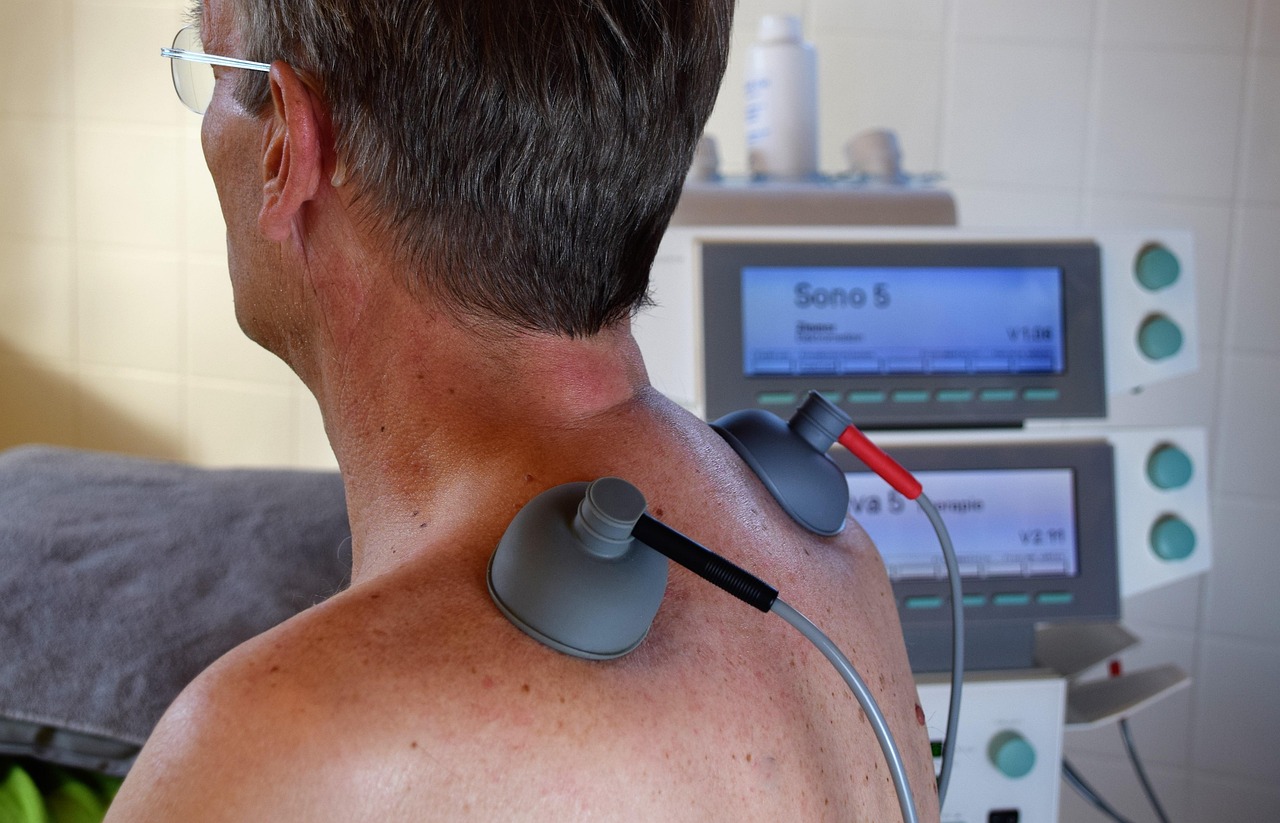
Neuromuscular electrical stimulation (NMES) can be used to activate weakened muscles, especially the tibialis anterior in cases of foot drop. Low‑frequency stimulation (20‑35 Hz) is applied for several minutes per session, producing a muscle contraction that can be incorporated into gait training. NMES may also improve proprioceptive input by stimulating cutaneous receptors. The practical challenge is patient tolerance; some individuals experience skin irritation or discomfort, requiring adjustments in electrode placement or stimulation parameters.
Functional mobility encompasses the ability to move safely and efficiently within the environment, including transfers, ambulation, and stair negotiation. Transfer training focuses on bed‑to‑chair, chair‑to‑standing, and sit‑to‑stand maneuvers. A common technique is the “sit‑to‑stand” progression, beginning with a high chair to reduce knee flexion demands, then gradually lowering the seat height as strength improves. Stair training often starts with a handrail on the “up” side, encouraging the patient to lead with the stronger leg. The therapist must assess the patient’s confidence and provide appropriate support, as fear of stair descent is a major contributor to falls.
Frailty is a multidimensional syndrome characterized by reduced physiological reserve and increased vulnerability to stressors. Frailty assessment tools, such as the Fried phenotype (including criteria like unintentional weight loss, exhaustion, low activity, slow gait, and weak grip strength), help identify patients who may need more gradual and supportive interventions. For frail elders, the therapist may adopt a “low‑intensity, high‑frequency” approach, delivering shorter sessions multiple times per week to avoid over‑exertion while still promoting adaptation. The challenge is balancing the need for sufficient stimulus to improve function with the risk of exacerbating fatigue or comorbid conditions.
Sarcopenia specifically refers to the loss of skeletal muscle mass and function with aging. Diagnosis involves measuring muscle mass (e.G., Via DXA) and strength (e.G., Hand‑grip dynamometry). Intervention strategies combine resistance training, protein supplementation, and, when appropriate, pharmacologic agents such as selective androgen receptor modulators. A practical example is a community‑based resistance program that uses resistance bands with progressive tension, performed three times per week. Monitoring progress with periodic strength assessments ensures that the program remains appropriately challenging.
Osteoporosis increases fracture risk, particularly in the hip and vertebrae, making fall prevention paramount. Exercise programs for osteoporotic patients emphasize weight‑bearing activities, balance training, and posture improvement. The therapist must avoid high‑impact or high‑velocity movements that could increase fracture risk. Instead, low‑impact activities such as tai chi, gentle dance, or controlled squat variations are preferred. A challenge is that many patients with osteoporosis have chronic pain that limits participation; therefore, the therapist should incorporate pain‑modulating strategies such as heat, gentle stretching, and pacing.
Arthritis—especially osteoarthritis of the knee and hip—affects gait mechanics by reducing range of motion and causing pain‑related gait adaptations. Therapists use joint mobilization, therapeutic exercise, and activity modification to improve function. For example, a patient with knee osteoarthritis may benefit from closed‑chain quadriceps strengthening combined with patellar taping to reduce pain during weight‑bearing. The challenge is that pain can inhibit muscle activation, leading to a cycle of weakness and further joint degeneration. Pain education and graded exposure are essential components of successful intervention.
Peripheral neuropathy is a common condition in older adults with diabetes, leading to diminished sensation, proprioceptive loss, and impaired gait. Assessment includes the monofilament test, vibration perception threshold, and gait observation. Intervention focuses on balance training on unstable surfaces, footwear modification, and education on foot care. An example of a therapeutic activity is the “heel‑to‑toe walk” on a foam pad, which challenges the patient’s sensory integration. The therapist must also address the underlying metabolic control, coordinating with medical providers to optimize glycemic management.
Orthostatic hypotension (OH) is a drop in blood pressure upon standing, causing dizziness and increasing fall risk. OH assessment involves measuring blood pressure and heart rate after the patient has been supine for five minutes, then again after standing for one and three minutes. A systolic decline of ≥20 mmHg or diastolic decline of ≥10 mmHg is indicative of OH. Management includes gradual positional changes, compression stockings, adequate hydration, and medication review. Physical therapy can incorporate “standing tolerance” exercises, where the patient practices slow transitions from sitting to standing while monitoring symptoms.
Home safety assessment is a critical component of discharge planning. Therapists evaluate environmental hazards such as loose rugs, poor lighting, cluttered pathways, and lack of grab bars. Recommendations may include installing night‑lights, securing loose carpets, removing throw‑away furniture, and adding handrails in bathrooms. A practical tool is the “Checklist for Safe Home Environment,” which the therapist can complete with the patient and caregiver. The primary challenge is patient compliance; many elders resist modifications due to aesthetic concerns or fear of losing independence. Collaborative goal‑setting and education about fall statistics can improve acceptance.
Environmental modification extends beyond the home to community settings. For instance, therapists may advise patients on safe routes to the grocery store, recommending sidewalks with even surfaces and well‑maintained crosswalks. Community‑based programs such as “Senior Walking Clubs” provide supervised group walks, fostering both physical activity and social engagement. The challenge lies in individualized planning, as each patient’s functional level, transportation options, and personal preferences differ.
Patient education is a continuous process that empowers individuals to manage their own health. Topics include proper footwear selection, medication adherence, nutrition for bone health, and strategies to maintain activity levels. Motivational interviewing techniques can enhance engagement by exploring the patient’s values and intrinsic motivations. For example, a therapist may ask, “What activities are most important to you?” And then link balance exercises to the ability to continue those activities. Barriers such as low health literacy or cognitive impairment may require simplified materials, visual aids, or caregiver involvement.
Motivational interviewing is a counseling approach that helps patients resolve ambivalence toward behavior change. Core principles include expressing empathy, developing discrepancy, rolling with resistance, and supporting self‑efficacy. In the context of balance training, the therapist may use open‑ended questions (“What concerns do you have about falling?”) And reflective listening to uncover underlying fears. This method has been shown to improve adherence to home exercise programs, a critical factor for long‑term success.
Home exercise program (HEP) design should be individualized, realistic, and progressive. Typical components include static balance tasks (e.G., Single‑leg stance), dynamic balance activities (e.G., Tandem walking), and strength exercises (e.G., Sit‑to‑stand repetitions). Frequency is often prescribed as “three times per week, 10‑15 minutes per session,” with clear written instructions and visual diagrams. The therapist should schedule follow‑up visits or phone calls to monitor adherence and adjust the program as needed. Challenges include patient forgetfulness, limited space, and lack of equipment; solutions may involve using a sturdy chair, a rolled towel, or resistance bands that are inexpensive and easy to store.
Tele‑rehabilitation has emerged as a valuable tool for delivering balance training to patients who cannot attend in‑person sessions. Video conferencing platforms allow therapists to observe patients performing exercises, provide real‑time feedback, and adjust difficulty. Safety considerations are paramount; the therapist must ensure the patient has a clear, obstacle‑free area and a caregiver present if needed. Tele‑rehabilitation also enables the use of wearable sensors that transmit gait data for remote analysis. A practical challenge is technology literacy; older adults may need assistance setting up devices and learning to navigate software interfaces.
Wearable technology such as inertial measurement units (IMUs) can track gait parameters, step count, and postural sway. Data from these devices help therapists objectively monitor progress and detect early signs of deterioration. For example, an IMU placed on the lumbar spine can provide real‑time feedback on trunk sway during balance tasks. Integration of wearable data into electronic health records allows for trend analysis over weeks or months. However, issues of data accuracy, device comfort, and patient acceptance must be addressed before widespread adoption.
Community‑based fall prevention programs such as “Otago Exercise Programme” and “Tai Chi for Arthritis” have strong evidence bases. These programs combine strength, balance, and flexibility training, often delivered in group settings. Participation improves not only physical function but also social connectivity, which is linked to better mental health outcomes. The therapist’s role may involve referring patients, providing initial instruction, and conducting periodic assessments to ensure proper technique. Barriers include transportation difficulties and program availability in rural areas; partnerships with local senior centers can help mitigate these obstacles.
Gait analysis is a comprehensive assessment that examines kinematic and kinetic variables using motion capture systems, force plates, and EMG. While high‑tech gait labs provide detailed data, many clinicians rely on observational gait analysis, which uses standardized checklists to evaluate symmetry, step length, and foot placement. For example, the “Observational Gait Scale” rates each component on a 0‑3 scale, guiding targeted interventions. The challenge is that observational methods are less sensitive to subtle abnormalities; therefore, therapists should combine both approaches when possible.
Force plate assessment quantifies ground reaction forces and center of pressure trajectories during static and dynamic tasks. Parameters such as sway area, velocity, and symmetry provide insight into postural control strategies. In older adults, increased mediolateral sway is often linked to lateral instability and fall risk. A practical application is using force plate data to design individualized balance exercises that specifically target identified deficits, such as “lateral weight‑shifting drills” for patients with excessive mediolateral sway. The primary limitation is cost and accessibility, making such assessments more common in research or specialized clinics.
Electromyography (EMG) records muscle activation patterns, offering information on timing and intensity of muscle recruitment. Surface EMG can be used to monitor activity of key muscles such as the gluteus medius, tibialis anterior, and gastrocnemius during functional tasks. EMG biofeedback can help patients learn to activate under‑used muscles, particularly after stroke or joint replacement. A challenge is ensuring proper electrode placement and minimizing cross‑talk, which requires therapist training and patient cooperation.
Neuroplasticity refers to the brain’s capacity to reorganize neural pathways in response to training and experience. Even in older adults, neuroplastic changes can be induced through repetitive, task‑specific practice. For balance rehabilitation, this means that consistent exposure to perturbations and functional tasks can improve the central integration of sensory information. An example is the “perturbation‑based balance training” program, where patients experience controlled pushes while wearing a safety harness, encouraging adaptive neural responses. The challenge lies in maintaining motivation, as neuroplastic changes often require months of consistent practice.
Motor control encompasses the processes that coordinate movement, including planning, execution, and feedback integration. Age‑related declines in motor control manifest as slower movement speeds, reduced coordination, and decreased ability to adapt to unexpected changes. Rehabilitation strategies focus on enhancing motor planning through “pre‑movement visualization” and improving execution via “repetitive practice.” For instance, a therapist may ask a patient to imagine stepping over a curb before actually performing the step, thereby priming the neural circuits involved.
Sensory integration is the brain’s ability to combine visual, vestibular, and somatosensory inputs to maintain balance. Impairments in any one system can be compensated by the others, but when multiple systems are compromised, balance deteriorates rapidly. The “Sensory Organization Test” (SOT) evaluates the contribution of each system by altering visual and support surface conditions. Although the SOT requires specialized equipment, the principles guide clinical practice: Training should challenge each sensory system individually (e.G., Eyes closed for proprioceptive focus) and then combine them for functional relevance.
Functional independence is the ultimate goal of balance and mobility rehabilitation, measured by tools such as the Functional Independence Measure (FIM) or the Barthel Index. Improvements in these scores reflect enhanced ability to perform activities of daily living (ADLs) without assistance. Therapists track progress through periodic reassessment, noting changes in tasks such as dressing, bathing, and community ambulation. A practical challenge is that gains in specific balance tasks may not automatically translate to ADL independence; therefore, therapy must always link exercises to real‑world functional outcomes.
Transfer training includes teaching safe techniques for moving between positions, such as bed‑to‑chair, chair‑to‑standing, and sit‑to‑stand. Key concepts involve weight shifting, momentum generation, and use of assistive devices. For example, the “hip‑hinge” technique teaches patients to initiate movement by flexing at the hips while keeping the trunk upright, reducing reliance on the lower back. The therapist may use a “step‑by‑step” cueing system: “Shift weight to the strong leg, push through the heel, and stand up.” Common obstacles include limited lower‑extremity strength and fear of falling during the transition; these can be addressed with progressive weight‑bearing drills and supportive handholds.
Stair negotiation is a high‑risk activity for older adults. Training should begin on a single step, focusing on safe foot placement and handrail use. The “up‑step” strategy emphasizes leading with the stronger leg, while the “down‑step” strategy often requires the patient to keep the weight on the stronger leg and use the handrail for support. A practical progression involves decreasing handrail reliance as confidence grows, eventually practicing stair descent without the rail under supervision. The therapist must assess the patient’s cardiovascular response, as stair climbing can be demanding for those with limited aerobic capacity.
Community ambulation refers to walking outside the home environment, which involves additional challenges such as uneven terrain, crowds, and traffic. Therapists can simulate community ambulation by incorporating obstacles, varied lighting, and auditory distractions in the clinic. For example, a “shopping aisle” setup with shelves, carts, and background music can mimic a supermarket environment. The therapist can then evaluate the patient’s ability to navigate while carrying a bag, turning, and maintaining balance. The challenge is ensuring safety while providing realistic stimulus; using a gait belt and having a spotter can mitigate risk.
Cardiovascular conditioning is essential for sustaining longer periods of walking and for improving overall functional capacity. Aerobic exercises such as stationary cycling, elliptical training, or walking on a treadmill can be incorporated into balance programs. The “talk test” is a simple method to gauge intensity: The patient should be able to speak in sentences but not sing. For patients with cardiac comorbidities, the therapist must coordinate with physicians to determine safe heart rate limits and monitor for signs of exertional dyspnea or chest discomfort during sessions.
Respiratory considerations are often overlooked in balance training. Efficient breathing patterns support trunk stability and reduce intra‑abdominal pressure fluctuations that can affect postural control. Instructors may teach diaphragmatic breathing during core exercises, emphasizing a “breath‑in‑through‑the‑nose, breath‑out‑through‑the‑mouth” pattern. For patients with chronic obstructive pulmonary disease, pacing the exercises and incorporating rest intervals prevent excessive dyspnea. The therapist should also assess oxygen saturation with a pulse oximeter when high‑intensity activities are performed.
Psychosocial factors such as depression, social isolation, and low self‑efficacy influence adherence to balance programs. Screening tools like the Geriatric Depression Scale (GDS) can identify patients who may benefit from counseling or social support services. Group‑based balance classes can provide peer encouragement and reduce feelings of isolation. The therapist can also involve family members in goal‑setting meetings, fostering a supportive environment that enhances motivation and accountability.
Medication review is a critical aspect of fall risk management. Certain drugs, including benzodiazepines, antihypertensives, and anticholinergics, can impair balance, cognition, and reaction time. The therapist should collaborate with physicians and pharmacists to identify high‑risk medications and discuss possible dose reductions or alternative therapies. For example, a patient on a high‑dose diuretic may experience orthostatic hypotension; adjusting the dosing schedule to earlier in the day can reduce morning dizziness. The challenge is that patients may be reluctant to change long‑standing medication regimens, requiring clear communication about the benefits for fall prevention.
Nutrition plays a role in maintaining muscle mass and bone health. Adequate protein intake (1.0‑1.2 G/kg body weight per day) supports muscle synthesis, while calcium and vitamin D are essential for bone mineralization. The therapist may provide dietary handouts and refer patients to a registered dietitian for personalized plans. In cases of malnutrition, supplementation with high‑protein shakes or fortified foods can be introduced. A practical barrier is that many older adults have reduced appetite or chewing difficulties; thus, texture‑modified, nutrient‑dense foods are recommended.
Sleep hygiene influences balance by affecting alertness and reaction time. Sleep disorders such as insomnia or sleep‑apnea can lead to daytime fatigue, increasing fall risk. The therapist can assess sleep quality using the Pittsburgh Sleep Quality Index and provide recommendations such as maintaining a regular bedtime, limiting caffeine, and creating a dark, quiet bedroom environment. Referral to a sleep specialist may be necessary for patients with suspected sleep‑apnea, as treatment with continuous positive airway pressure (CPAP) can improve daytime function and balance.
Cognitive impairment complicates balance rehabilitation because patients may have difficulty following multi‑step instructions, remembering home exercises, or recognizing hazards. The Mini‑Mental State Examination (MMSE) or Montreal Cognitive Assessment (MoCA) can help gauge cognitive status. For patients with mild cognitive impairment, the therapist can use “chunking” strategies, breaking tasks into small, manageable steps, and providing written cue cards. The challenge is ensuring safety while promoting independence; involving caregivers in training sessions can improve compliance and reduce the risk of accidents.
Assistive technology such as “smart walkers” equipped with sensors that detect obstacles and provide auditory warnings can enhance safety. These devices often integrate with smartphone apps that track usage patterns and provide feedback to therapists. A practical example is a walker with built‑in LED lights that illuminate the path in low‑light conditions, reducing the need for external lighting. Barriers include cost, technology acceptance, and maintenance; therefore, therapists should assess the patient’s willingness and ability to manage such devices before recommendation.
Environmental ergonomics involves adapting the physical surroundings to match the patient’s functional capabilities. This includes adjusting chair height to allow for easier sit‑to‑stand transitions (ideally 45‑48 cm), placing frequently used items within easy reach, and ensuring that pathways are wide enough for a walker (minimum 90 cm). The therapist may conduct a “home walk‑through” with the patient, noting potential hazards and suggesting modifications. A common challenge is that patients may resist changes that alter the aesthetic of their home; presenting modifications as “enhancements for comfort and safety” can improve acceptance.
Risk stratification tools such as the “Morse Fall Scale” or “St. Thomas’s Risk Assessment Tool” help prioritize patients who need intensive intervention. For instance, a patient scoring high on the Morse Scale (≥45) would benefit from a comprehensive program that includes balance training, home modifications, medication review, and caregiver education. The therapist must document the rationale for the chosen interventions, ensuring a systematic approach to fall prevention. The challenge lies in balancing resource allocation, as some settings may have limited staffing or equipment for high‑risk individuals.
Outcome measurement is essential for evaluating the effectiveness of balance and mobility interventions. Standardized tools such as the Berg Balance Scale, Timed Up and Go, and gait speed are widely used. In addition, patient‑reported outcome measures (PROMs) like the “Falls Efficacy Scale‑International” capture perceived confidence and quality of life. Regular re‑assessment (e.G.
Key takeaways
- The challenge in this test is that many older adults experience a rapid decline in postural sway after the first few seconds, making it difficult to differentiate between true balance deficits and fear‑driven hesitation.
- One challenge is that sway measurements can be affected by footwear, surface compliance, and the patient’s level of attention, requiring the therapist to standardize testing conditions as much as possible.
- A common challenge is that older adults with hip osteoarthritis may adopt a “waddling” gait that shifts the COM laterally, increasing the demand on the weaker abductors and making the task more unstable.
- Therapists must educate patients on the correct angle (approximately 15–20 degrees from the vertical) and height (roughly 2 cm below the wrist crease) of their cane to ensure the BOS is effectively enlarged.
- A practical application is the use of ankle joint position matching tasks, where the patient attempts to replicate a target angle with the opposite limb.
- The challenge lies in patient compliance; many elderly individuals experience discomfort during repositioning and may be reluctant to complete the full set of repetitions, necessitating a gentle, step‑by‑step approach.
- When the patient’s eyes are closed, reliance on proprioceptive and vestibular cues increases; excessive sway in this condition suggests a visual dependence.