
Orthopedic Rehabilitation for the Elderly
Orthopedic rehabilitation for the elderly encompasses a broad spectrum of terminology that reflects the unique physiological changes, common pathologies, and therapeutic strategies pertinent to this population. Mastery of these terms is ess…
Orthopedic rehabilitation for the elderly encompasses a broad spectrum of terminology that reflects the unique physiological changes, common pathologies, and therapeutic strategies pertinent to this population. Mastery of these terms is essential for clinicians who design, implement, and evaluate treatment plans that aim to restore function, reduce pain, and enhance quality of life. The following exposition delineates key concepts, providing definitions, clinical relevance, illustrative examples, and discussion of practical challenges.
Osteoporosis is a systemic skeletal disorder characterized by reduced bone mass and microarchitectural deterioration, leading to increased fracture risk. In older adults, the prevalence of osteoporosis rises dramatically, especially among post‑menopausal women. Clinically, a low‑energy fracture of the hip, wrist, or vertebra is often the first manifestation. Rehabilitation after an osteoporotic fracture emphasizes early mobilization while protecting the healing bone. For example, after a proximal femur fracture, weight‑bearing may be delayed to allow callus formation, and a graduated gait training program using a walker is introduced. A common challenge is balancing the need for mechanical loading, which stimulates bone remodeling, with the risk of re‑fracture.
Sarcopenia refers to the age‑related loss of skeletal muscle mass and strength, contributing to decreased functional capacity. The condition is often identified by a combination of reduced grip strength, slower gait speed, and diminished muscle cross‑sectional area on imaging. Rehabilitation strategies target muscle hypertrophy through progressive resistance training. A typical protocol might begin with low‑load, high‑repetition exercises using elastic bands, progressing to machine‑based resistance as tolerated. A practical obstacle is the high prevalence of comorbidities such as cardiovascular disease, which may limit exercise intensity and necessitate close monitoring of vital signs.
Frailty is a multidimensional syndrome marked by decreased physiological reserve and heightened vulnerability to stressors. It is often assessed using tools such as the Fried phenotype, which includes criteria like unintentional weight loss, exhaustion, low physical activity, slowed walking speed, and weak grip strength. In the context of orthopedic rehabilitation, frail patients may experience delayed recovery after joint replacement surgery. A comprehensive approach involves integrating nutritional supplementation, tailored exercise, and social support. For instance, a frail patient undergoing total knee arthroplasty may benefit from pre‑operative “pre‑hab” that includes protein‑rich meals and balance training to improve postoperative outcomes.
Joint arthroplasty is a surgical intervention that replaces a damaged joint surface with a prosthetic implant. Total hip replacement (THR) and total knee replacement (TKR) are among the most common procedures performed in the elderly. The terminology surrounding arthroplasty includes “cemented” versus “cementless” fixation, “unipolar” versus “bipolar” components, and “posterior” versus “anterior” surgical approaches. Post‑operative rehabilitation focuses on restoring range of motion (ROM), strengthening peri‑articular muscles, and facilitating safe ambulation. Early mobilization, typically within 24 hours, is encouraged to prevent complications such as deep vein thrombosis. However, adherence to prescribed exercises can be hindered by postoperative pain, fear of dislocation, or limited home support.
Spinal stenosis denotes the narrowing of the spinal canal, often caused by degenerative changes such as osteophyte formation, ligamentum flavum hypertrophy, and disc bulging. The condition commonly presents with neurogenic claudication—pain and weakness in the lower extremities that worsens with standing or walking and improves with sitting. Conservative management includes activity modification, physical therapy, and pharmacologic pain control. Rehabilitation focuses on flexion‑based exercises that open the spinal canal, core strengthening, and gait training with assistive devices. An example of a therapeutic exercise is the “standing lumbar flexion stretch,” performed by gently bending forward while maintaining a neutral pelvis. A challenge lies in differentiating symptoms of spinal stenosis from those of peripheral vascular disease, which may require additional diagnostic testing.
Rotator cuff pathology encompasses tendinopathy, partial‑ or full‑thickness tears, and calcific deposits affecting the supraspinatus, infraspinatus, teres minor, and subscapularis tendons. In older adults, rotator cuff tears often result from cumulative microtrauma and age‑related tendon degeneration. Clinical evaluation includes the “empty can” test and the “drop arm” test to assess supraspinatus integrity. Rehabilitation after conservative management or surgical repair emphasizes scapular stabilization, gradual loading, and progression to functional activities. For instance, the “scapular retraction” exercise using a Theraband helps activate the middle trapezius and rhomboids, improving shoulder mechanics. A common barrier is the patient’s tendency to avoid overhead activities due to fear of re‑injury, which may limit the attainment of full ROM.
Meniscal injuries in the knee, such as degenerative tears, are frequent in the elderly due to reduced tissue elasticity and cartilage wear. The meniscus serves as a shock absorber and stabilizer; damage can lead to joint effusion, mechanical locking, and accelerated osteoarthritis. Non‑operative treatment includes activity modification, quadriceps strengthening, and neuromuscular re‑education. A practical intervention is the “straight‑leg raise” performed with the knee in full extension to activate the quadriceps without loading the meniscus. When surgery is indicated, partial meniscectomy or meniscal repair may be performed, followed by a structured rehabilitation program that progresses from passive ROM to weight‑bearing as tolerated. Post‑operative challenges include managing swelling and ensuring adherence to the “no‑deep‑knee‑bend” precautions during the early healing phase.
Ligamentous sprains, particularly of the ankle and knee, are common in older adults due to decreased proprioception and balance deficits. The anterior cruciate ligament (ACL) and medial collateral ligament (MCL) injuries can result from low‑energy falls or twisting motions. Rehabilitation protocols differ based on the grade of the sprain. Grade I sprains may be treated with the RICE (rest, ice, compression, elevation) principle and early mobilization, while Grade III tears often require surgical reconstruction followed by an extensive physiotherapy regimen. An example of early functional exercise is the “ankle alphabet” where the patient traces the letters of the alphabet with the foot to improve range of motion and proprioceptive feedback. The main obstacle is patient compliance, especially when pain interferes with participation in the prescribed exercises.
Degenerative joint disease is another term for osteoarthritis, a chronic condition characterized by cartilage degradation, subchondral bone remodeling, and osteophyte formation. The knee, hip, and hand are typical sites of involvement in the elderly. Pain, stiffness, and functional limitation are hallmark symptoms. Rehabilitation aims to reduce pain, improve joint mobility, and strengthen the surrounding musculature. Low‑impact aerobic activities such as stationary cycling or aquatic therapy provide cardiovascular benefits while minimizing joint stress. Strengthening the quadriceps through “wall sits” or “step‑ups” can alleviate knee pain by improving joint alignment. A clinical challenge is the progressive nature of osteoarthritis, which may necessitate periodic adjustments to the exercise program to accommodate worsening symptoms.
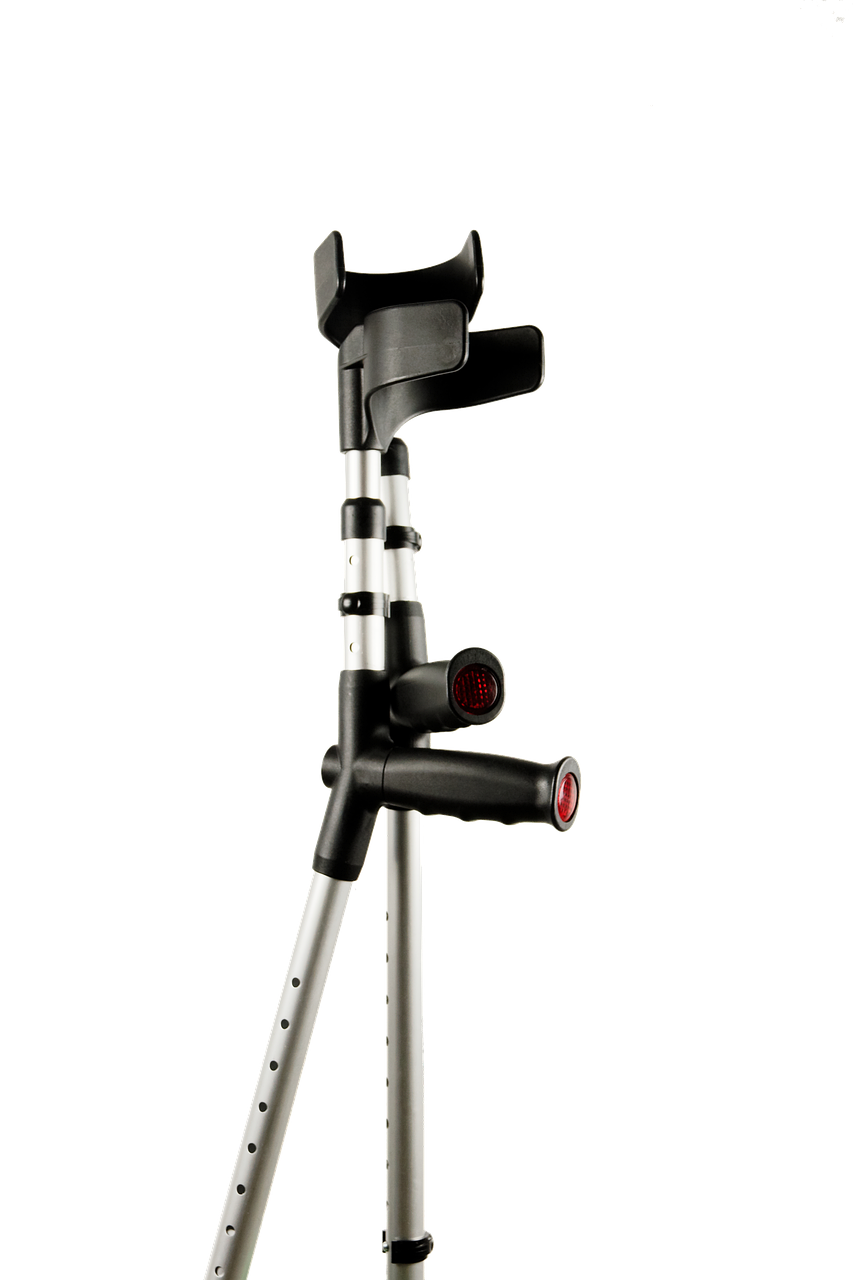
Assistive devices play a pivotal role in facilitating safe ambulation and independence. Common devices include canes, walkers, and crutches. The selection of an appropriate device depends on the patient’s balance, strength, and the specific orthopedic condition. For instance, a patient recovering from a distal radius fracture may use a cane to off‑load the affected upper extremity while walking. Instruction on proper device use, such as “weight‑bearing through the cane handle” and “maintaining a tripod base of support,” is essential to prevent falls. A frequent difficulty encountered in clinical practice is the patient’s reluctance to adopt an assistive device due to perceived stigma, which may be addressed through education and positive reinforcement.
Orthotics and bracing are external supports that protect fragile joints, provide alignment, or limit excessive motion. In the elderly, ankle‑foot orthoses (AFOs) are frequently prescribed for patients with foot drop secondary to peripheral neuropathy or post‑stroke weakness. Knee braces may be utilized after ligament reconstruction or to manage mild varus/valgus malalignment in osteoarthritis. The fitting process requires careful assessment of skin integrity, limb circumference, and gait pattern. An example of therapeutic use is a “hinged knee brace” that allows controlled flexion while preventing hyperextension during gait training. Complications can include skin irritation, pressure sores, and reduced proprioceptive input, necessitating regular monitoring and adjustments.
Weight‑bearing status is a directive that indicates how much load a patient may place on a limb after surgery or fracture. The categories include non‑weight‑bearing (NWB), touch‑down weight‑bearing (TDWB), partial weight‑bearing (PWB), and weight‑bearing as tolerated (WBAT). Accurate interpretation of these orders is crucial for preventing overload of the healing structure. For example, after an operative fixation of a distal femur fracture, the surgeon may prescribe PWB, meaning the patient can place approximately 30 % of their body weight on the limb, often measured using a bathroom scale. In practice, patients may have difficulty estimating load, so the therapist may use a “weight‑bearing scale” or “biofeedback device” to provide objective guidance. A typical hurdle is ensuring the patient’s confidence while adhering to weight‑bearing restrictions, especially when eager to resume daily activities.
Range of motion (ROM) is the angular measurement of joint movement in degrees. It is assessed using a goniometer or, increasingly, digital motion analysis systems. Normal ROM values vary by joint; for example, the knee normally flexes to 135 degrees and extends to 0 degrees. Limitations in ROM can arise from capsular contracture, postoperative scar tissue, or joint degeneration. Therapeutic interventions to improve ROM include passive stretching, joint mobilizations, and active‑assisted exercises. A common technique for the hip is the “hip flexion stretch” performed supine with the leg elevated using a strap, held for 30 seconds and repeated three times. Barriers to ROM improvement may include pain, patient guarding, and fear of harming the surgical repair.
Proprioception is the sense of joint position and movement, mediated by mechanoreceptors in ligaments, tendons, and muscles. Age‑related decline in proprioceptive acuity contributes to balance deficits and falls. Rehabilitation incorporates proprioceptive training through balance boards, foam surfaces, and functional tasks that challenge the sensory system. For example, standing on a wobble board while performing upper‑body reaching tasks can enhance lower‑extremity proprioceptive feedback. The therapist may progress the difficulty by reducing the base of support or adding dual‑task components such as mental arithmetic. A practical limitation is the patient’s fear of instability, which may be mitigated by providing a safety harness and gradual exposure.
Neuromuscular re‑education involves retraining the central nervous system to activate appropriate muscle patterns for functional movement. This concept is essential after joint replacement, where altered biomechanics and pain inhibition can lead to maladaptive motor control. Techniques include biofeedback, electrical stimulation, and task‑specific training. An illustrative exercise is “step‑up with cueing,” where the patient steps onto a platform while receiving verbal feedback to ensure knee alignment over the foot. The goal is to promote symmetrical loading and reduce compensatory hip hiking. Obstacles may include cognitive impairment, which can hinder the patient’s ability to process instructions and retain motor patterns.
Functional independence is the capacity to perform activities of daily living (ADL) without assistance. In the elderly, rehabilitation aims to preserve or restore independence to minimize institutionalization. The assessment of functional independence often utilizes standardized tools such as the Barthel Index or the Functional Independence Measure (FIM). Rehabilitation plans are individualized based on identified deficits; for instance, a patient with limited stair navigation may receive a “step‑training program” that includes strengthening of the gluteus medius, practice of the “step‑over” technique, and use of handrails. A frequent challenge is the presence of multiple comorbidities, which can limit the patient’s stamina and require interdisciplinary coordination.
Assistive technology extends beyond simple devices to include sophisticated equipment like powered exoskeletons, electronic gait trainers, and tele‑rehabilitation platforms. While still emerging, these technologies offer potential benefits for the elderly with severe mobility limitations. A powered exoskeleton can provide hip and knee extension assistance during walking, reducing the energetic cost of ambulation. Tele‑rehabilitation enables remote monitoring of exercise adherence through wearable sensors that transmit data to the therapist. Practical considerations involve cost, accessibility, and the patient’s technological literacy. Additionally, ensuring safety when using these devices at home is paramount, necessitating thorough training and periodic in‑person evaluations.
Bone healing phases consist of the inflammatory, reparative, and remodeling stages. Understanding these phases guides the timing and progression of rehabilitation interventions. During the inflammatory phase (days 1–7), the focus is on pain control and gentle range‑of‑motion exercises to prevent joint stiffness. In the reparative phase (weeks 2–6), callus formation permits the introduction of partial weight‑bearing and low‑impact strengthening. The remodeling phase (months 3–12) allows for progressive loading, functional training, and return to higher‑level activities. A case example is a senior patient with a tibial plateau fracture: early passive ankle dorsiflexion is performed to maintain ankle mobility, followed by gradual quadriceps strengthening as the callus matures. A recurrent issue is the tendency to accelerate progression, which can compromise fracture healing and increase the risk of non‑union.
Chronic pain is a pervasive problem in orthopedic conditions among older adults. It is often described as nociceptive, neuropathic, or mixed in origin. Pain modulation strategies include pharmacologic agents (e.g., acetaminophen, NSAIDs, topical analgesics), manual therapy, and graded exercise. The “pain gate theory” suggests that activating large‑diameter afferent fibers through movement can inhibit pain signal transmission. For instance, a gentle “pelvic tilt” exercise can activate low‑threshold mechanoreceptors, providing analgesic effects while improving lumbar stability. A major obstacle is the patient’s fear‑avoidance behavior, where pain anticipation leads to reduced activity, deconditioning, and further pain amplification. Cognitive‑behavioral approaches integrated into physiotherapy can help reframe pain perceptions and encourage gradual exposure to movement.
Gait training is a core component of orthopedic rehabilitation, aiming to restore efficient and safe walking patterns. Key parameters include step length, cadence, stance‑time symmetry, and ground reaction forces. Assessment tools range from observational gait analysis to instrumented gait labs. Rehabilitation techniques may involve treadmill training, overground walking with cueing, and use of gait belts for safety. An example of cueing is the “metronome” method, where the patient synchronizes steps to a rhythmic beat, promoting consistent cadence. In patients with hip arthroplasty, gait training often includes “hip abductor strengthening” to correct Trendelenburg gait. Challenges include addressing compensatory strategies such as “circumduction” or “vaulting,” which can increase energy expenditure and predispose to secondary joint issues.
Balance training incorporates static and dynamic tasks to improve postural control. Static balance exercises might include “single‑leg stance” with eyes open, progressing to eyes closed or on an unstable surface. Dynamic balance tasks involve weight shifts, step‑over obstacles, and gait perturbations. The “Timed Up and Go” (TUG) test is frequently employed to gauge functional mobility and fall risk; a completion time exceeding 13.5 seconds in older adults often indicates increased fall probability. An intervention could be “TUG with dual task,” where the patient carries a cup of water while performing the test, thereby challenging both motor and cognitive domains. Limitations arise when vestibular deficits coexist with orthopedic pathology, requiring a multidisciplinary approach to address the multifactorial nature of balance impairment.
Functional exercise progression follows the principle of specificity, overload, and adaptation. Initial stages emphasize low‑intensity, high‑repetition movements to develop neuromuscular control. As tolerance improves, resistance, speed, and complexity are increased. For example, a progression for the lower extremity after knee replacement may start with “isometric quadriceps contraction,” advance to “mini‑squats,” then to “lunges with a step,” and finally to “step‑ups onto a 15‑centimeter platform.” Each stage is contingent upon achieving predefined criteria such as pain < 3/10 on the visual analog scale and ability to complete the task without compensatory trunk sway. The therapist must balance the desire for rapid advancement with the risk of overloading the surgical site, especially in patients with comorbidities like diabetes that impair tissue healing.
Therapeutic modalities such as heat, ice, electrical stimulation, and ultrasound are adjuncts that can facilitate pain reduction and tissue healing. Cryotherapy is frequently applied in the acute postoperative period to diminish edema and inflammation. For instance, a 20‑minute ice pack applied to the knee after TKR can lower joint temperature by 2–3 °C, reducing swelling. Low‑frequency electrical stimulation (e.g., 20 Hz) may be used to activate quadriceps muscles in patients unable to perform voluntary contractions due to pain inhibition. However, the evidence supporting some modalities remains equivocal, and practitioners must consider patient preference, cost, and contraindications (e.g., pacemaker presence) when integrating them into the treatment plan.
Patient education is an integral facet of orthopedic rehabilitation, empowering seniors to engage actively in their recovery. Topics covered include activity modification, home safety, medication adherence, and signs of complications. Effective education utilizes plain language, visual aids, and teach‑back methods. For example, after a hip fracture, the therapist may demonstrate “safe sitting” techniques, emphasizing the “large‑seat‑to‑ground” distance to reduce hip flexion beyond 90 degrees, which can strain the surgical repair. A frequent barrier is health literacy variability, which necessitates individualized communication strategies and possibly involvement of caregivers to reinforce learning.
Home exercise program (HEP) design must account for the elderly’s physical environment, motivation, and cognitive status. The HEP should be concise, include clear instructions, and be tailored to available equipment. A typical HEP for a patient recovering from lumbar spine surgery may consist of “pelvic tilts,” “knee‑to‑chest stretches,” and “wall slides,” each performed twice daily. Providing a printed worksheet with illustrated steps and a checklist can improve adherence. Nonetheless, compliance is often limited by forgetfulness, lack of perceived benefit, or pain exacerbation during exercises. Strategies to enhance adherence include scheduling regular phone check‑ins, integrating exercises into daily routines (e.g., while brushing teeth), and setting realistic short‑term goals.
Multidisciplinary collaboration is essential for addressing the complex needs of elderly orthopedic patients. The team may comprise physicians, physical therapists, occupational therapists, nurses, dietitians, social workers, and pharmacists. Coordination ensures that medical management (e.g., pain control, osteoporosis treatment), rehabilitation goals, and psychosocial support are aligned. For instance, a patient with a chronic knee effusion may receive aspiration by the physician, anti‑inflammatory medication from the pharmacist, a compression therapy protocol from the nurse, and a strengthening program from the physical therapist. Communication challenges arise due to differing documentation systems and time constraints, highlighting the importance of regular case conferences and shared electronic health records.
Outcome measures provide objective data to evaluate the effectiveness of rehabilitation interventions. Commonly used instruments include the Western Ontario and McMaster Universities Osteoarthritis Index (WOMAC) for knee and hip osteoarthritis, the Lower Extremity Functional Scale (LEFS), and the Short Physical Performance Battery (SPPB). These tools assess pain, function, and physical performance, respectively. For example, an improvement of 10 points on the WOMAC pain subscale after a 12‑week exercise program is considered clinically meaningful. Selecting appropriate outcome measures requires consideration of the patient’s baseline abilities, language proficiency, and the specific goals of therapy. A limitation is that some instruments may have ceiling effects in high‑functioning seniors, necessitating supplemental assessments.
Psychosocial factors such as depression, anxiety, and social isolation significantly influence rehabilitation outcomes. Older adults with depressive symptoms may exhibit reduced motivation, slower progress, and higher dropout rates. Screening tools like the Geriatric Depression Scale (GDS) can identify individuals who may benefit from mental health referrals. Incorporating motivational interviewing techniques can enhance engagement; for instance, the therapist may explore the patient’s personal values (“regaining independence to play with grandchildren”) to reinforce adherence to the exercise regimen. Addressing psychosocial barriers often requires collaboration with social workers to arrange transportation, home modifications, or community support services.
Complication management is a critical component of orthopedic rehabilitation. Common postoperative complications include deep vein thrombosis (DVT), wound infection, and stiffness. Early mobilization and graduated weight‑bearing are primary preventive measures for DVT, supplemented by pharmacologic prophylaxis when indicated. In the event of wound infection, the therapist must coordinate with the surgical team to modify activity levels and monitor for signs of systemic involvement. Joint stiffness may be mitigated through aggressive ROM exercises and continuous passive motion (CPM) devices; however, the therapist must balance the benefits of CPM against patient tolerance and cost considerations. Recognizing and responding promptly to complications can prevent long‑term functional decline.
Evidence‑based practice (EBP) underpins the selection of rehabilitation strategies. Clinicians must appraise current literature, consider patient preferences, and apply clinical expertise to formulate treatment plans. Systematic reviews have demonstrated that high‑intensity resistance training yields greater improvements in muscle strength and functional performance compared with low‑intensity protocols in older adults. Nevertheless, individual variability necessitates a flexible approach; for a frail patient with limited cardiovascular reserve, a moderate‑intensity program may be more appropriate. Incorporating EBP fosters continual learning and ensures that interventions remain aligned with the latest scientific findings.
Technology‑assisted gait analysis utilizes instruments such as pressure‑sensing mats, inertial measurement units (IMUs), and motion capture systems to quantify gait parameters. These data can identify subtle asymmetries, temporal deviations, and abnormal loading patterns that are not readily observable. For instance, an IMU placed on the shank can detect reduced swing velocity in a patient after unilateral hip replacement, prompting targeted interventions. While these technologies enhance assessment precision, barriers include equipment cost, required technical expertise, and the need for integration into routine clinical workflow. Training staff and establishing standardized protocols can mitigate these challenges.
Fall prevention strategies are integral to orthopedic rehabilitation, given the high incidence of falls among seniors. Interventions encompass environmental modifications (e.g., removing loose rugs, installing grab bars), strength and balance training, vision correction, and medication review. The “Otago Exercise Program,” which combines strength, balance, and gait components, has demonstrated efficacy in reducing falls in community‑dwelling older adults. Implementation may involve weekly supervised sessions followed by a home exercise component. A common difficulty is sustaining long‑term engagement; therefore, incorporating enjoyable activities such as dancing or tai chi can improve adherence and enjoyment.
Nutrition and bone health are closely linked to orthopedic outcomes. Adequate intake of calcium, vitamin D, protein, and other micronutrients supports bone remodeling and muscle synthesis. In elderly patients with osteoporosis, supplementation with 1,200 mg of calcium and 800–1,000 IU of vitamin D daily is often recommended. Nutritional counseling should address barriers such as appetite loss, dental problems, and food insecurity. For example, recommending fortified dairy alternatives or protein‑rich smoothies can help meet nutritional goals. Malnutrition may impede wound healing, prolong hospitalization, and increase the risk of postoperative complications, emphasizing the need for early dietitian involvement.
Tele‑rehabilitation has expanded access to physical therapy services, especially for seniors with mobility constraints or residing in remote areas. Platforms may employ video conferencing, mobile applications, and sensor‑based feedback to deliver exercise instruction, monitor performance, and provide real‑time corrections. A tele‑rehab session might begin with the therapist observing the patient’s posture during a squat, offering cues to maintain neutral spine alignment, and then reviewing a recorded video of the patient’s home exercise to assess compliance. Limitations include technology literacy, internet connectivity, and the inability to perform hands‑on manual therapy. Hybrid models that combine occasional in‑person visits with remote monitoring can address many of these issues.
Chronic disease management often coexists with orthopedic conditions in the elderly. Diabetes mellitus, cardiovascular disease, and chronic obstructive pulmonary disease (COPD) can affect healing capacity, exercise tolerance, and overall functional status. Rehabilitation programs must be adapted to accommodate these comorbidities. For example, a diabetic patient undergoing ankle arthrodesis may require blood glucose monitoring before and after exercise sessions, and the therapist may schedule shorter, more frequent bouts of activity to prevent hypoglycemia. Collaboration with the primary care physician ensures that medical management aligns with the physical therapy plan, reducing the risk of adverse events.
Patient‑centered goal setting involves establishing realistic, measurable, and meaningful objectives that reflect the individual’s priorities. Goals should be written in the SMART format (Specific, Measurable, Achievable, Relevant, Time‑bound). An example goal for a patient recovering from a wrist fracture might be “increase grip strength to 15 kg within four weeks, enabling the patient to open a jar independently.” Engaging the patient in goal formulation fosters ownership and motivation. A challenge emerges when patient expectations exceed realistic outcomes; in such cases, the therapist must negotiate and educate while preserving optimism.
Manual therapy techniques such as joint mobilizations, soft‑tissue massage, and myofascial release are employed to improve tissue extensibility, reduce pain, and enhance mobility. In the elderly, tissues are often more fragile, necessitating gentle application and careful monitoring of response. For instance, a grade I glides mobilization of the lumbar spine may be used to alleviate stiffness without causing excessive joint stress. Soft‑tissue techniques can improve circulation and reduce muscle tension around a surgical site, but contraindications such as recent incision or anticoagulation therapy must be respected. Evidence suggests that when combined with therapeutic exercise, manual therapy can expedite functional gains.
Exercise prescription principles for older adults incorporate the FITT framework: Frequency, Intensity, Time, and Type. Frequency typically ranges from 2–5 sessions per week, while intensity is guided by perceived exertion scales (e.g., Borg Rating of Perceived Exertion 11–13 for moderate intensity). Duration may start at 10–15 minutes and progress to 30–45 minutes as tolerance improves. Types of exercise include aerobic (e.g., walking, cycling), resistance (e.g., weight machines, elastic bands), flexibility, and balance. Individualizing the FITT components ensures safety and effectiveness. For a patient with limited cardiovascular endurance, starting with short bouts of stationary cycling at low resistance and gradually increasing interval length can build aerobic capacity without overtaxing the heart.
Functional task training integrates therapeutic exercises within meaningful activities. This approach enhances transfer of gains from the clinic to real‑world contexts. Examples include “simulated stair climbing” using a step platform while holding a grocery bag, or “reach‑to‑shelf” exercises that mimic kitchen tasks. By practicing tasks that are directly relevant to the patient’s daily life, therapists can improve confidence and reduce fear of re‑injury. A barrier to functional task training is the need for adequate space and equipment in clinical settings; creative use of portable items (e.g., resistance bands, chairs) can overcome these limitations.
Motor learning strategies such as blocked versus random practice, variable sequencing, and augmented feedback influence the acquisition and retention of movement patterns. Random practice—mixing different exercises within a session—has been shown to enhance retention in older adults, albeit at the cost of greater short‑term difficulty. Augmented feedback, such as visual cues from a mirror or auditory signals from a metronome, can accelerate motor learning. For instance, using a mirror during gait training allows the patient to observe hip alignment and self‑correct. The therapist must balance the cognitive load imposed by these strategies with the patient’s attentional capacity, especially in those with mild cognitive impairment.
Cardiovascular considerations are paramount when prescribing aerobic exercise to seniors with orthopedic limitations. Monitoring heart rate, blood pressure, and perceived exertion ensures that activity remains within safe limits. The “talk test”—where the patient can speak comfortably during exercise—provides a simple gauge of moderate intensity. For patients with compromised cardiac function, low‑impact modalities such as aquatic therapy are advantageous because buoyancy reduces joint loading while allowing sufficient cardiovascular stimulus. A potential challenge is the availability of aquatic facilities; in such cases, recumbent cycling or seated step aerobics may serve as alternatives.
Medication interactions can influence rehabilitation outcomes. Non‑steroidal anti‑inflammatory drugs (NSAIDs) may increase the risk of gastrointestinal bleeding, especially in patients on anticoagulants, while opioids can cause sedation and impair balance. Physical therapists should be aware of these effects and adjust treatment plans accordingly—for example, scheduling balance training sessions at times when the patient’s medication levels are lowest to reduce fall risk. Communication with the prescribing physician facilitates medication optimization, potentially reducing reliance on high‑risk analgesics.
Environmental assessment involves evaluating the patient’s home for hazards that could impede safe mobility. Common issues include inadequate lighting, cluttered pathways, and lack of supportive handrails. Therapists may conduct a home visit or use a checklist to identify modifications such as installing grab bars in the bathroom, securing loose rugs, and recommending a bedside lamp. Implementing these changes can significantly reduce falls and improve confidence during ambulation. A limitation is that some patients may be resistant to altering long‑standing home arrangements; motivational interviewing and emphasizing the benefits for independence can aid acceptance.
Community resources provide additional support for elderly individuals undergoing orthopedic rehabilitation. Programs such as senior centers, exercise classes, and transportation services can complement formal therapy. Referring a patient to a “Silver Sneakers” program, for example, offers access to strength‑training equipment and group classes tailored for older adults. Engaging family members in the rehabilitation process also enhances compliance; family education sessions can teach caregivers how to assist with transfers, encourage active participation, and monitor for signs of complications. Coordinating with community agencies may require navigating eligibility criteria and funding sources, which can be time‑consuming but ultimately beneficial.
Documentation standards demand precise recording of assessment findings, treatment interventions, patient response, and plan of care. Using standardized terminology and outcome scores facilitates communication across disciplines and supports reimbursement processes. For instance, documenting “performed 3 sets of 12 repetitions of seated knee extensions at 40 % of one‑repetition maximum, patient reported pain 2/10, tolerated well” provides clear evidence of the therapeutic dosage and patient tolerance. Inadequate documentation can lead to delayed insurance authorization, fragmented care, and legal vulnerability. Therefore, therapists should allocate sufficient time for thorough charting and employ electronic health record templates that streamline entry while ensuring completeness.
Legal and ethical considerations are integral to practice. Informed consent requires that the patient understands the risks, benefits, and alternatives of the proposed interventions. Confidentiality must be maintained in accordance with HIPAA regulations, especially when sharing information with other providers. Ethical dilemmas may arise when a patient’s desire for rapid discharge conflicts with clinical judgment regarding readiness. The therapist must advocate for the patient’s safety while respecting autonomy, possibly involving an ethics committee if consensus cannot be reached. Documentation of these discussions is essential for transparency and accountability.
Research trends in orthopedic rehabilitation for the elderly highlight emerging areas such as regenerative medicine, wearable technology, and personalized exercise algorithms. Studies exploring the use of platelet‑rich plasma (PRP) injections for tendinopathy suggest potential benefits in accelerating tissue healing, though evidence remains inconclusive. Wearable inertial sensors are being integrated into home‑based programs to provide real‑time gait analysis and feedback, enabling remote adjustments by the therapist. Machine‑learning models are being developed to predict optimal exercise dosage based on individual characteristics such as age, comorbidity profile, and baseline functional status. Keeping abreast of these developments equips clinicians to adopt innovative approaches that may improve outcomes.
Professional development through continuing education, certification renewal, and participation in professional societies ensures that therapists maintain competence in the rapidly evolving field of geriatric orthopedic rehabilitation. Attending workshops on topics such as “advanced manual therapy for osteoporotic patients” or “implementation of tele‑rehab platforms” can expand skill sets. Engaging in peer‑reviewed research or quality‑improvement projects fosters a culture of evidence‑based practice and contributes to the broader knowledge base. Challenges include balancing clinical workload with educational pursuits, which can be mitigated by integrating learning into daily practice, such as discussing case studies during multidisciplinary meetings.
Patient safety culture emphasizes proactive identification and mitigation of risks. Conducting regular safety huddles, reviewing incident reports, and implementing checklists for equipment sterilization and environment preparation are strategies to uphold safety standards. For example, a “pre‑session safety checklist” may include verifying that the gait belt is intact, the assistive device is in good condition, and the treatment area is free of obstacles. Engaging patients in safety discussions—encouraging them to report discomfort, pain, or equipment issues—fosters a collaborative environment. A persistent challenge is sustaining vigilance over time; therefore, leadership support and continuous reinforcement are essential.
Adaptive equipment training extends beyond basic assistive devices to include more complex tools such as powered wheelchairs, stair lifts, and adaptive kitchen utensils. Training should be individualized, taking into account the patient’s dexterity, cognitive status, and environmental context. For instance, teaching a patient to operate a powered wheelchair involves instructing on joystick control, safety features, and obstacle avoidance. Demonstrating the use of a “button hook” can enable a patient with limited hand strength to dress independently. The therapist must assess the patient’s competence periodically and provide refresher training as needed to prevent misuse and accidents.
Psychomotor skill retention is a concern, particularly when therapy sessions are intermittent or when the patient experiences periods of inactivity due to illness or hospitalization. Strategies to promote retention include spaced repetition of exercises, incorporation of “home‑based boosters” that reinforce key movements, and use of mnemonic cues. For example, associating the phrase “Sit‑Stand‑Sit” with the sit‑to‑stand exercise can aid recall. Providing patients with a simple logbook to track exercise frequency and intensity can also reinforce habit formation. Nevertheless, motivation fluctuations and health setbacks can disrupt routine, underscoring the importance of flexible program design that accommodates variable participation levels.
Clinical reasoning integrates assessment data, patient history, and evidence to formulate a coherent treatment plan. In geriatric orthopedic rehabilitation, reasoning must account for age‑related physiological changes, comorbid conditions, psychosocial factors, and patient goals. A systematic approach might involve: (1) identifying the primary impairment (e.g., limited knee extension), (2) determining contributing factors (e.g., quadriceps weakness, joint pain, fear of loading), (3) selecting interventions (e.g., progressive resistance, analgesic modalities, education), (4) establishing measurable outcomes (e.g., increase knee extension by 10 degrees), and (5) monitoring progress and adjusting the plan. Cognitive biases such as “availability heuristic”—over‑relying on recent experiences—must be guarded against to ensure comprehensive care.
Age‑related sensory changes affect rehabilitation strategies. Visual acuity declines, peripheral neuropathy reduces tactile feedback, and vestibular function diminishes, all contributing to balance impairments. To compensate, therapists may enhance environmental cues (e.g., contrasting colors for steps), use tactile markers on the floor, and incorporate auditory cues during gait training. For a patient with diabetic peripheral neuropathy, the therapist might employ “foot‑sole stimulation” using textured insoles to augment sensory input. Adjusting exercise intensity to accommodate slower reaction times and
Key takeaways
- Orthopedic rehabilitation for the elderly encompasses a broad spectrum of terminology that reflects the unique physiological changes, common pathologies, and therapeutic strategies pertinent to this population.
- For example, after a proximal femur fracture, weight‑bearing may be delayed to allow callus formation, and a graduated gait training program using a walker is introduced.
- A practical obstacle is the high prevalence of comorbidities such as cardiovascular disease, which may limit exercise intensity and necessitate close monitoring of vital signs.
- It is often assessed using tools such as the Fried phenotype, which includes criteria like unintentional weight loss, exhaustion, low physical activity, slowed walking speed, and weak grip strength.
- The terminology surrounding arthroplasty includes “cemented” versus “cementless” fixation, “unipolar” versus “bipolar” components, and “posterior” versus “anterior” surgical approaches.
- Spinal stenosis denotes the narrowing of the spinal canal, often caused by degenerative changes such as osteophyte formation, ligamentum flavum hypertrophy, and disc bulging.
- Rotator cuff pathology encompasses tendinopathy, partial‑ or full‑thickness tears, and calcific deposits affecting the supraspinatus, infraspinatus, teres minor, and subscapularis tendons.