
Equine Environmental and Land Use Law
Chloe: Welcome to the London School of Business and Administration podcast—where breakthrough ideas meet real-world impact. I'm Chloe, and today we're diving into Equine Environmental and Land Use Law—the one concept that quietly shapes eve…
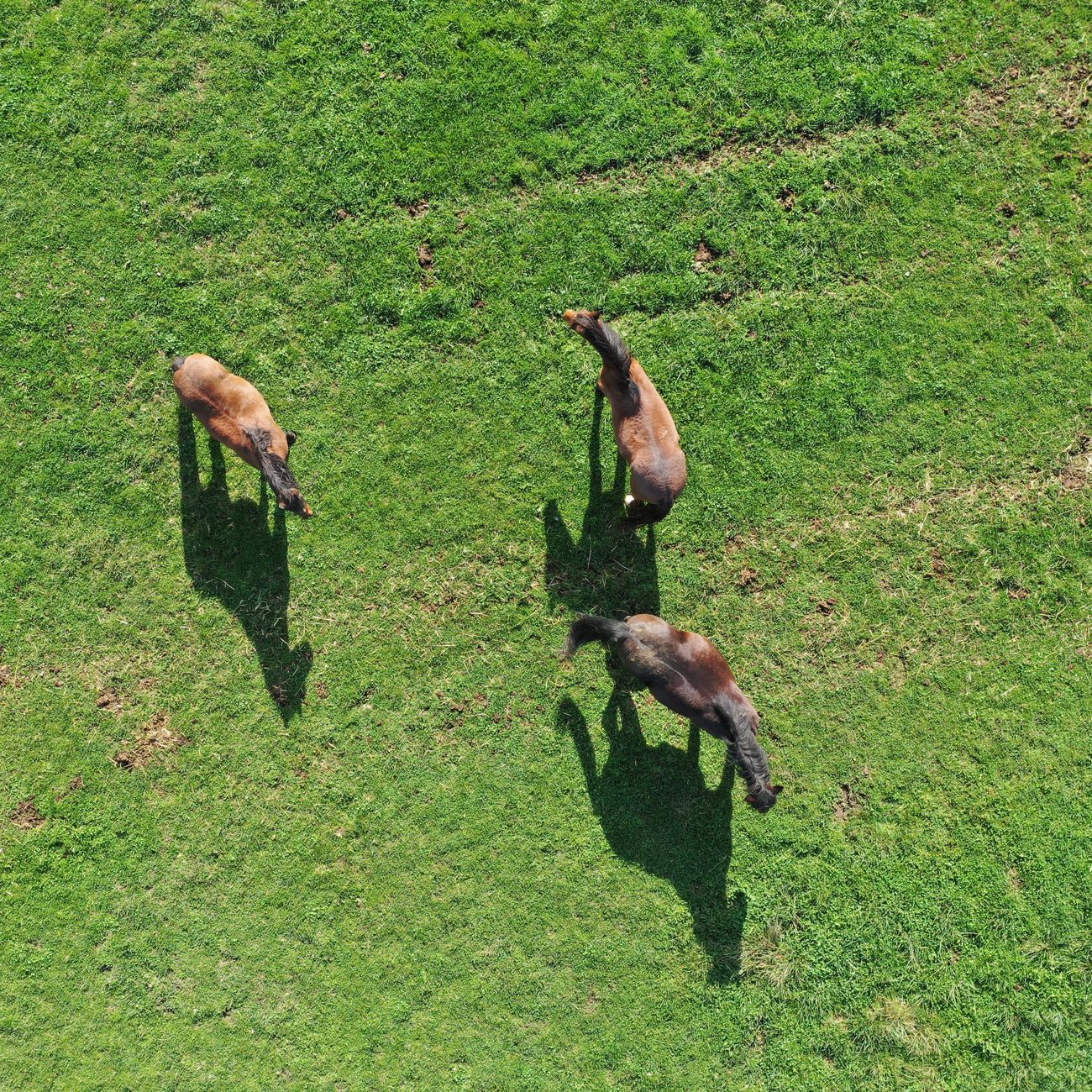
Photo from Pexels
Chloe: Welcome to the London School of Business and Administration podcast—where breakthrough ideas meet real-world impact. I'm Chloe, and today we're diving into Equine Environmental and Land Use Law—the one concept that quietly shapes everything from boardroom decisions to your daily workflow. Chloe: Have you ever wondered how a simple pasture boundary could stop a multi‑million‑dollar development in its tracks? Rohan: That's a great question, Chloe. It all comes down to the way the law balances environmental stewardship with property rights, especially when horses are involved. Historically, equine land use was treated like any other agricultural activity, but over the past two decades we've seen a surge in environmental protections that specifically reference grazing patterns, water runoff, and habitat preservation. Imani: I felt that shift first‑hand last quarter when a client wanted to expand a riding school onto adjacent wetlands. The county stopped us dead in our tracks because the wetlands were home to a protected amphibian species that thrives because of the horses' grazing habits. Chloe: Wow, that sounds like a perfect illustration of the tension between growth and conservation. Rohan, can you break down the key legal pillars that practitioners need to keep in mind? Rohan: Absolutely. Think of it as three intersecting layers: first, the statutory framework—national and regional statutes that define protected land categories; second, the planning permission process, which now often requires an environmental impact assessment that explicitly mentions equine activity; and third, the private agreements—like easements and covenants—that can either limit or enable certain uses of the land. When all three align, you have a smooth path; when they clash, you get the kind of roadblock Imani just described. Imani: And the devil’s in the details. In that wetlands case, we assumed the existing grazing lease automatically covered the new area, but the lease didn’t mention the specific watercourse that feeds the pond. The council flagged it as a non‑compliant alteration of a watercourse, and we had to halt construction for months. Chloe: So a missing clause can derail an entire project. What’s the most common mistake you see people make when drafting those agreements? Imani: I’d say it’s treating the equine operation as a static activity. Horses move, pasture management changes, and the environmental footprint evolves. We once drafted a lease that fixed the number of horses at ten, but the client later added five more without updating the environmental assessment. That led to a breach of the local “grazing intensity” regulation and a hefty fine. Rohan: That’s a classic pitfall. The solution is to build flexibility into the contract—include thresholds for horse numbers, seasonal grazing periods, and a clause that triggers a revised impact assessment if any of those thresholds are exceeded. It’s also wise to coordinate with a qualified environmental consultant early in the process, so you’re not caught off guard by a surprise regulation. Chloe: It sounds like proactive collaboration is the secret sauce. Rohan, could you share a quick framework for how a law‑focused professional can integrate environmental considerations from day one? Rohan: Sure thing. I like to call it the “Three‑Step Equine Land Scan.” Step one: map the property’s ecological features—wetlands, streams, protected habitats. Step two: overlay the equine operation’s current and projected use—grazing intensity, manure management, water consumption. Step three: cross‑reference those layers with statutory obligations and local planning policies. The output is a risk matrix that tells you where you need permits, where you need mitigation, and where you have a green light. Imani: I actually used that exact scan on a project last spring. We discovered a small riparian buffer that the client had ignored. By preserving that strip, we not only stayed compliant but also earned a “sustainability bonus” from the local council, which shaved 5% off the development fees. Chloe: That’s a fantastic win‑win. It shows how legal diligence can translate into financial upside. What about community perception? Do landowners worry about pushback from neighbors? Imani: All the time. In one case, a horse‑owner wanted to install solar panels on the barn roof. The neighbors complained that the panels would cast shadows on the pasture, affecting grass growth. We ended up conducting a simple shade‑analysis, adjusted the panel layout, and turned the whole thing into a community education event about renewable energy on farms. Rohan: Community engagement is often overlooked, but it’s a legal safeguard in many jurisdictions. Some planning authorities now require a “social impact statement” as part of the permit process. Demonstrating that you’ve consulted locals and addressed their concerns can tip the scales in your favor. Chloe: It seems the common thread is foresight—anticipating environmental, regulatory, and social factors before they become obstacles. As we wrap up, what’s one key insight you’d each like our listeners to take away? Rohan: Legal frameworks are living documents. Treat them as dynamic tools, not static checkboxes. Imani: Never assume your current lease or plan covers future growth. Build in review triggers and keep the dialogue open with regulators and the community. Chloe: And for me, the biggest takeaway is that equine environmental and land‑use law isn’t a niche corner—it’s a strategic lever that can protect your bottom line, your reputation, and the ecosystems we all rely on. Chloe: If this resonated, share it with one person who needs to hear it—and hit subscribe so you never miss an episode that moves you forward. Thanks for listening, and see you next time.
Key takeaways
- Chloe: And for me, the biggest takeaway is that equine environmental and land‑use law isn’t a niche corner—it’s a strategic lever that can protect your bottom line, your reputation, and the ecosystems we all rely on.