
Equine Property and Ownership Law
Chloe: Welcome to the London School of Business and Administration podcast—where breakthrough ideas meet real-world impact. I'm Chloe, and today we're diving into Equine Property and Ownership Law—the one concept that quietly shapes everyth…
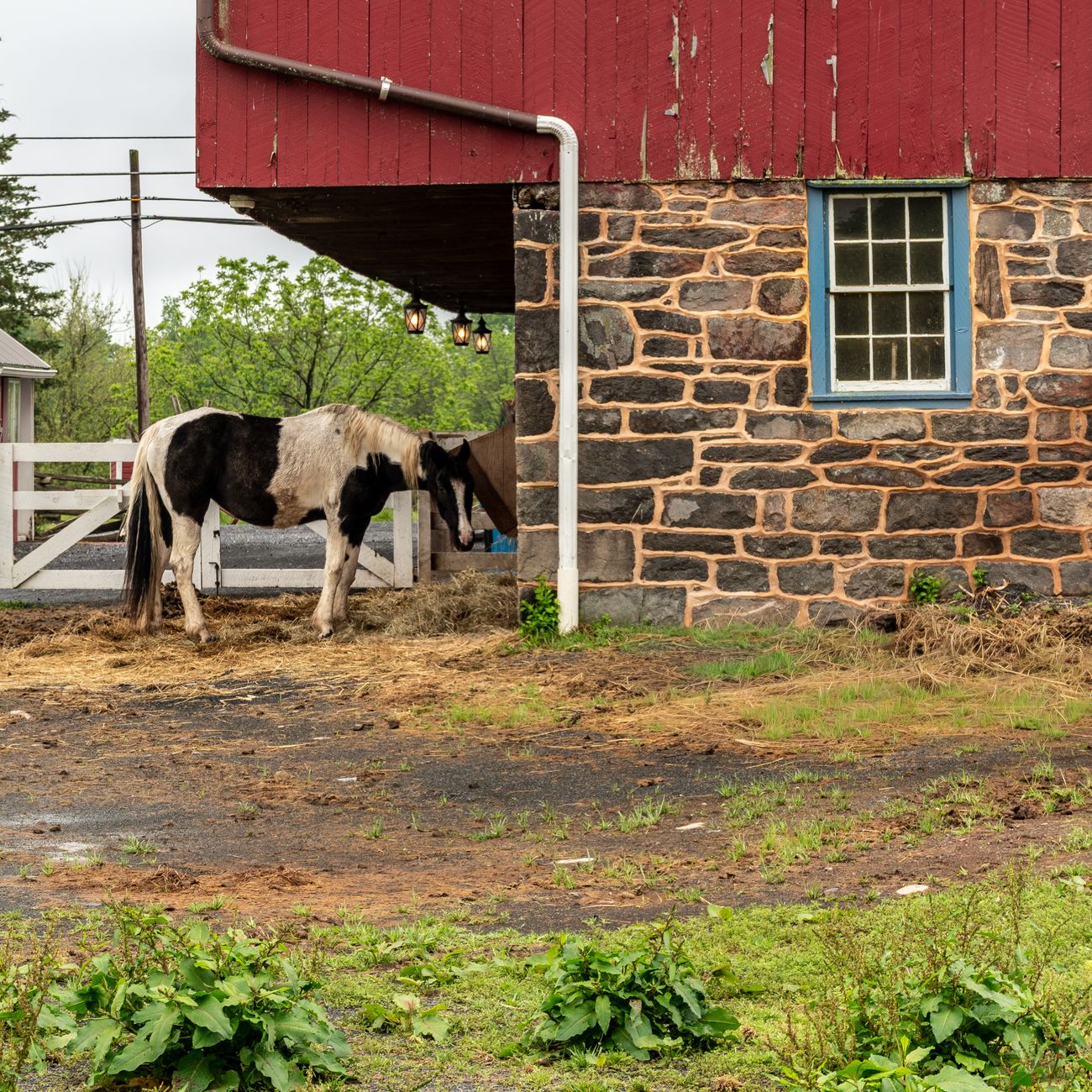
Photo from Pexels
Chloe: Welcome to the London School of Business and Administration podcast—where breakthrough ideas meet real-world impact. I'm Chloe, and today we're diving into Equine Property and Ownership Law—the one concept that quietly shapes everything from boardroom decisions to your daily workflow. Chloe: Have you ever wondered why a simple horse lease can turn a multimillion‑dollar dispute into a courtroom drama overnight? Marcus: Absolutely, Chloe. The law around equine property isn’t just about who holds the reins; it’s a living tapestry of property rights, fiduciary duties, and centuries‑old customs that have evolved alongside the sport itself. Priya: I actually saw this play out last quarter when a client tried to sell a prized stallion without checking the co‑ownership clause in the deed. The whole transaction fell apart, and we ended up in mediation. Chloe: That sounds intense. Marcus, can you break down the core elements that make equine ownership so uniquely complex? Marcus: Sure thing. First, there’s the question of “title” versus “possession.” Unlike a car, a horse can be simultaneously owned, leased, and used for breeding under separate agreements. Second, the concept of “equine property” extends beyond the animal to include tack, breeding rights, and even the land where the horse is housed. Historically, English common law treated horses as chattels, but modern statutes in many jurisdictions now recognize them as “special livestock,” granting them additional protections. Priya: In practice, that means every contract needs a clear schedule of assets—bloodlines, training records, and any future breeding royalties. I learned that the hard way when a client omitted the breeding clause and later sued for lost stud fees. Chloe: Ouch. So missing a clause can cost a fortune. What’s the most common pitfall you see, Priya? Priya: Overlooking “right of first refusal” clauses. A partner can claim they get the first chance to buy the horse before it hits the open market. One client ignored that, sold to an outsider, and then faced a costly injunction that halted the sale for months. Marcus: That’s a classic. The solution is to embed a clear “ROFR” provision with defined timelines and valuation methods. I like to use a “fair market value” formula tied to recent auction results, which gives both parties an objective benchmark. Chloe: It sounds like having a solid framework can prevent a lot of drama. Could you walk us through a quick step‑by‑step checklist for drafting an equine ownership agreement? Marcus: Certainly. Step one: Identify all parties and their ownership percentages. Step two: List every asset—horse, tack, breeding rights, and any intellectual property like training videos. Step three: Define use rights—who can ride, train, or exhibit the horse. Step four: Set financial terms—maintenance costs, insurance, and profit sharing. Step five: Include dispute resolution mechanisms—mediation first, then arbitration. Step six: Add termination clauses—what happens if a party wants out or if the horse passes away. Priya: And don’t forget to schedule a “regular review” clause. In my experience, the market shifts quickly; a review every two years keeps the agreement relevant and avoids surprises. Chloe: That’s a great tip. Speaking of surprises, what’s a mistake you wish you’d avoided early in your career? Priya: I once assumed verbal agreements were enough for a temporary boarding arrangement. The owner later claimed I’d promised exclusive training rights, and we ended up in a costly arbitration. Lesson learned: always get everything in writing, even the “small” details. Marcus: Exactly why the law emphasizes “written certainty.” A written contract is the strongest evidence, and it forces both sides to think through each scenario before they sign. Chloe: It’s fascinating how much foresight can save time, money, and relationships. Before we wrap up, what’s the biggest opportunity you see for professionals working with equine property law? Marcus: The rise of blockchain‑based registries for horse pedigrees and ownership. Imagine a tamper‑proof ledger that records every transfer, lease, and breeding right—reducing fraud and streamlining due diligence. Priya: I’m already piloting a digital ledger with a client’s stable. It’s cut our verification time from weeks to days, and the owners love the transparency. Chloe: That’s inspiring—turning a traditionally paper‑heavy process into something sleek and efficient. Thank you both for sharing such actionable insights. Marcus: My pleasure, Chloe. Keep pushing the boundaries of how we think about property law. Priya: Thanks for having us. I’m excited to apply these frameworks in my next client engagement. Chloe: If this resonated, share it with one person who needs to hear it—and hit subscribe so you never miss an episode that moves you forward. Until next time, stay curious and keep shaping the future of law.
Key takeaways
- The law around equine property isn’t just about who holds the reins; it’s a living tapestry of property rights, fiduciary duties, and centuries‑old customs that have evolved alongside the sport itself.