
Equine Competition and Regulatory Compliance
Chloe: Welcome to the London School of Business and Administration podcast—where breakthrough ideas meet real-world impact. I'm Chloe, and today we're diving into Equine Competition and Regulatory Compliance—the one concept that quietly sha…
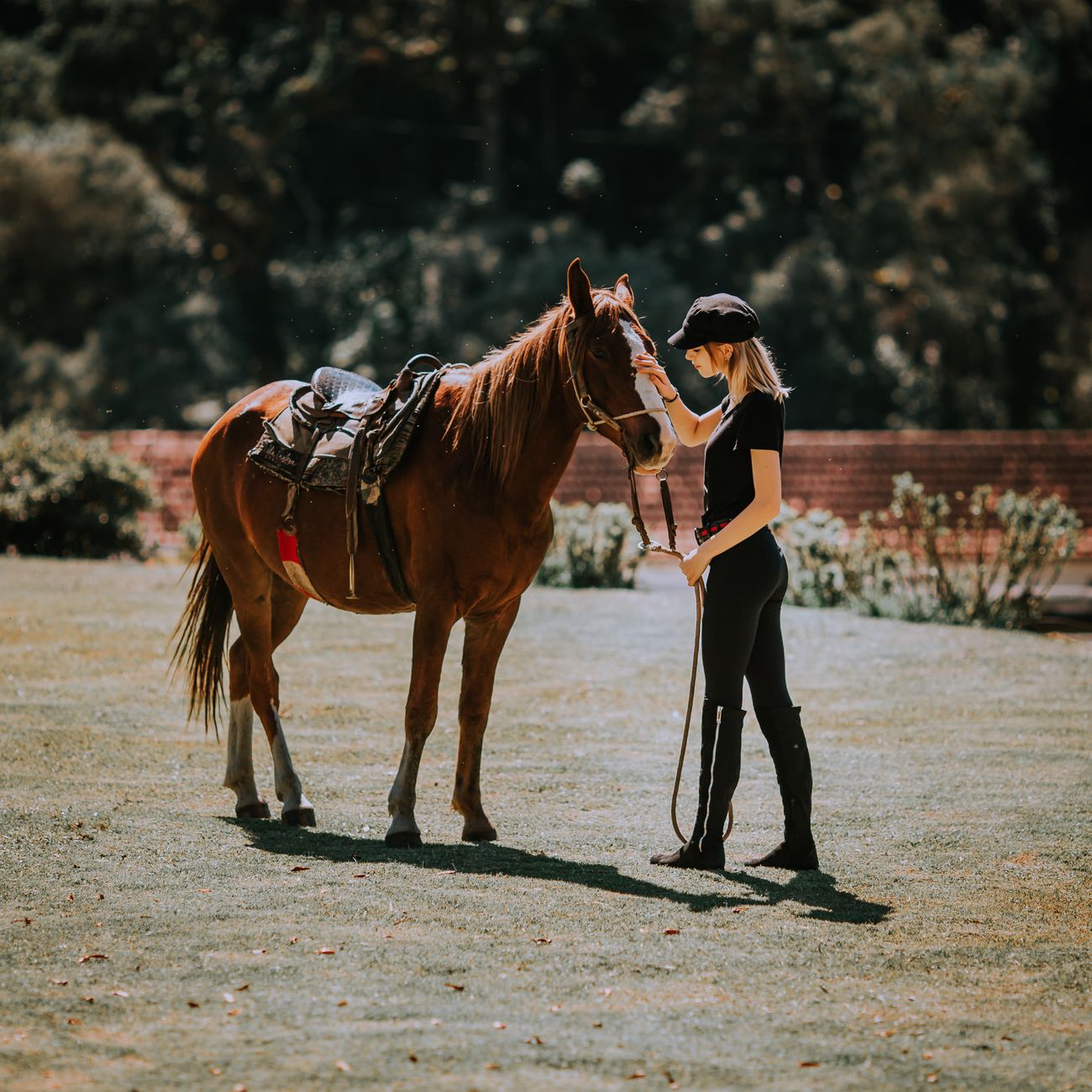
Photo from Pexels
Chloe: Welcome to the London School of Business and Administration podcast—where breakthrough ideas meet real-world impact. I'm Chloe, and today we're diving into Equine Competition and Regulatory Compliance—the one concept that quietly shapes everything from boardroom decisions to your daily workflow. Imagine you’re at a major championship, the crowd is roaring, and your rider crosses the line first. But then, a steward’s flag goes up. Not for a foul, but because the horse’s passport was three days overdue for a routine vaccination check. That victory? Gone. And that’s not even the worst part.
Rohan: It is a harsh reality, Chloe. It highlights that in equine sports, compliance isn't just paperwork; it is the foundation of integrity. Historically, we didn’t have this level of scrutiny. In the early days of modern equestrian sports, trust was largely interpersonal. But as the industry globalized, so did the risks. We moved from local clubs to international federations, and with that came the need for standardized, enforceable rules. The evolution of equine law has been driven by the need to protect the animal first, and the sport second. Without strict regulatory compliance, we lose the level playing field that makes competition fair.
Marcus: I actually saw this play out last quarter when I was advising a mid-level dressage team. They were brilliant competitors, but their administrative side was a mess. They had a star horse, a beautiful Hanoverian mare, who was scheduled for a Grand Prix. Two weeks before the event, we discovered that her microchip registration had a typo in the national database. It seemed minor, right? A single digit. But because it didn't match the passport exactly, she was ineligible to start. The team was devastated. They had traveled internationally, booked hotels, and trained for months. It was a complete waste of resources, not just financially, but emotionally.
Chloe: That is heartbreaking, Marcus. So, how do you even begin to prevent that? It sounds like a tiny error can have massive consequences. What is the framework that experts like Rohan recommend to avoid these disasters?
Rohan: It starts with a centralized compliance calendar. You cannot rely on memory. Every horse has a lifecycle of documents: passports, veterinary certificates, doping control records, and insurance policies. These all have expiration dates. The framework I teach involves creating a digital dashboard for every athlete. If a document is due in thirty days, it flags yellow. Seven days, it flags red. It’s about proactive management rather than reactive panic. We also emphasize the concept of "chain of custody" for medical records. Every vet visit, every medication administered, must be logged immediately and cross-referenced with the official database.
Marcus: I learned this the hard way when I first started consulting. I had a client who was a bit of a rebel. He thought, "My vet knows me, we’re good friends, he’ll remember the injections." He didn’t keep detailed logs. Then, during a random post-competition drug test, there was a trace of a permitted medication that looked suspicious because there was no record of when it was given. The horse was suspended for six months pending investigation. It wasn’t doping; it was just poor record-keeping. But the burden of proof was on us. I realized then that in equine law, if it isn’t written down, it didn’t happen. That suspension cost the owner his reputation and his livelihood.
Chloe: That is a powerful lesson. "If it isn’t written down, it didn’t happen." It’s a mantra that applies to so many industries, but here it feels even more critical because you’re dealing with living, breathing athletes who can’t speak for themselves. Rohan, how does the ethical side of this fit in? Is it just about avoiding penalties, or is there a deeper responsibility?
Rohan: Absolutely, it’s deeper. The ethical core of equine law is the duty of care. Regulatory compliance is the mechanism we use to enforce that duty. When we mandate specific rest periods, or restrict certain medications, we are legally encoding the ethical obligation to prioritize the horse’s welfare over the rider’s ambition. It’s a shift from an ownership model to a stewardship model. The regulations exist to ensure that the horse is treated as a partner in sport, not just a tool. When you comply, you are respecting the animal. When you cut corners, you are failing that ethical contract.
Marcus: I’ve seen that shift in my clients’ mindsets, too. Recently, I worked with a show jumper who initially resisted the new anti-doping protocols. He felt it was bureaucratic nonsense. But once we sat down and walked through the specific health risks of certain substances, and how the rules were designed to prevent long-term joint damage, his perspective changed. He started seeing compliance as part of his training regimen. He began documenting everything meticulously, not because he was afraid of getting caught, but because he wanted to ensure his horse stayed healthy and sound for years to come. It changed our relationship from adversaries to partners.
But once we sat down and walked through the specific health risks of certain substances, and how the rules were designed to prevent long-term joint damage, his perspective changed.
Chloe: That’s a beautiful transformation. From fear of punishment to a commitment to care. It sounds like mastering Equine Competition and Regulatory Compliance isn’t just about knowing the rules; it’s about embodying the values behind them. Rohan, for someone listening who is just starting this journey, perhaps a student or a new professional, what is the one thing they should focus on first?
Rohan: Understand the hierarchy of regulations. Start with the international federation rules, like those from the FEI, and then layer on the national and local rules. But more importantly, cultivate a habit of skepticism and verification. Never assume a document is correct. Always verify. And build a relationship with your legal and veterinary teams early. Don’t wait until a crisis hits. Prevention is always cheaper and less stressful than cure.
Marcus: And I’d add this: embrace the technology. There are so many apps and platforms now that automate much of this tracking. Don’t try to do it all with spreadsheets and paper files. Use the tools available to you. It removes the human error factor, which is where most mistakes happen. Make your compliance process as streamlined as your training routine.
Chloe: That is excellent advice. Embrace the tech, verify everything, and remember the ethical core. It’s clear that this field is complex, but it is also incredibly rewarding when you get it right. You’re protecting the sport and the animals. Rohan, Marcus, thank you so much for sharing your insights and stories. They really bring the material to life.
Rohan: Thank you, Chloe. It’s a pleasure to discuss such a vital topic.
Marcus: Thanks, Chloe. I hope my story about the typo serves as a wake-up call for anyone listening.
Chloe: It certainly did for me. If this resonated, share it with one person who needs to hear it—and hit subscribe so you never miss an episode that moves you forward.
Key takeaways
- I'm Chloe, and today we're diving into Equine Competition and Regulatory Compliance—the one concept that quietly shapes everything from boardroom decisions to your daily workflow.
- We moved from local clubs to international federations, and with that came the need for standardized, enforceable rules.
- Two weeks before the event, we discovered that her microchip registration had a typo in the national database.
- What is the framework that experts like Rohan recommend to avoid these disasters?
- Every horse has a lifecycle of documents: passports, veterinary certificates, doping control records, and insurance policies.
- Then, during a random post-competition drug test, there was a trace of a permitted medication that looked suspicious because there was no record of when it was given.
- " It’s a mantra that applies to so many industries, but here it feels even more critical because you’re dealing with living, breathing athletes who can’t speak for themselves.