
Introduction to Offshore Construction
The offshore construction industry is a complex and highly specialized field that requires a deep understanding of various technical terms and vocabulary. To begin with, offshore construction refers to the process of building, installing, a…
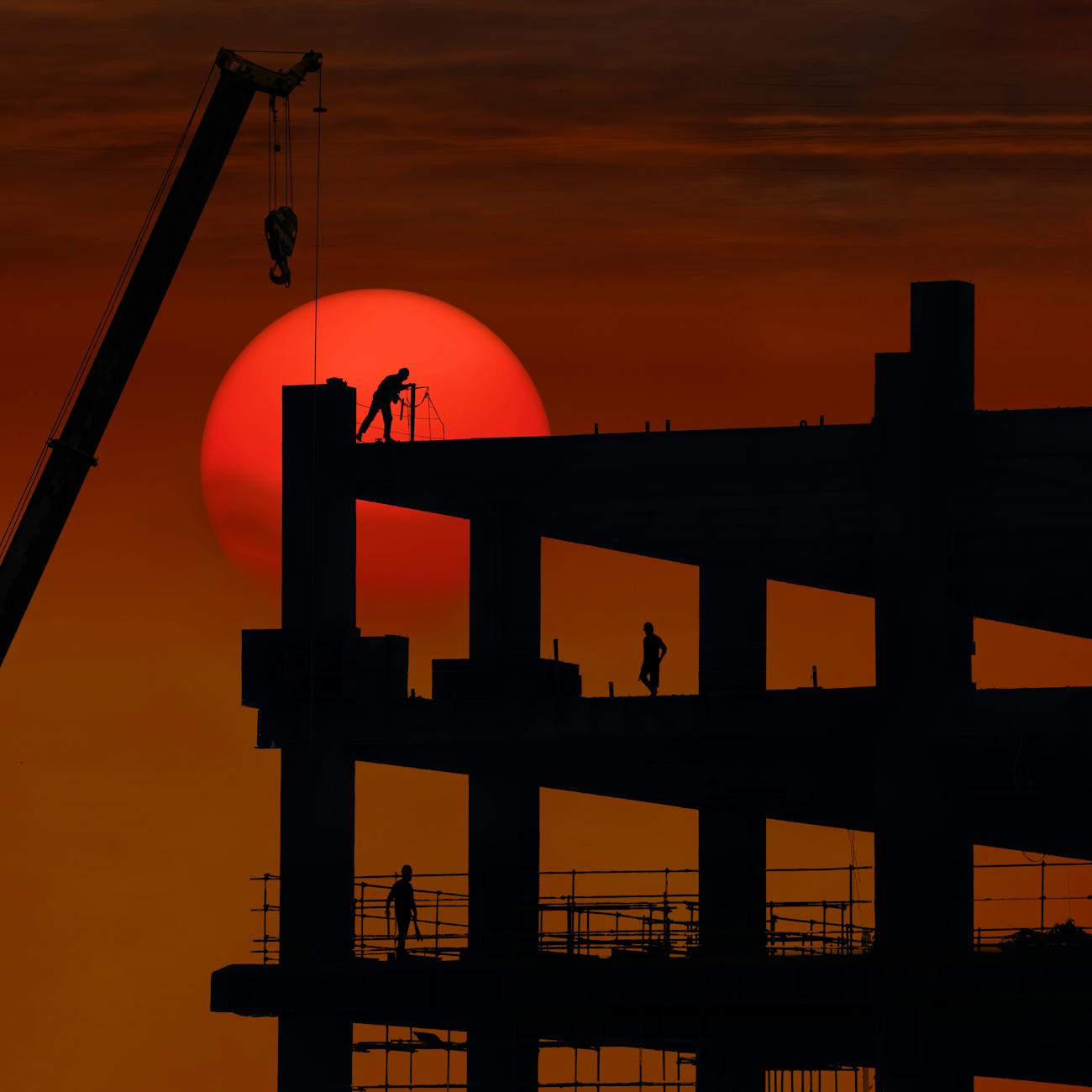
The offshore construction industry is a complex and highly specialized field that requires a deep understanding of various technical terms and vocabulary. To begin with, offshore construction refers to the process of building, installing, and maintaining structures and facilities in the ocean, typically for the purpose of extracting hydrocarbons such as oil and gas. This industry is a crucial part of the global energy sector, and its activities have a significant impact on the environment, economies, and societies.
One of the key terms in offshore construction is platform, which refers to a permanent structure built to support drilling, production, and processing operations. There are several types of platforms, including fixed platforms, compliant towers, and semi-submersibles. Fixed platforms are the most common type and are typically used in shallow waters, while compliant towers are used in deeper waters and are designed to flex in response to wind and wave forces. Semi-submersibles are floating structures that are used in deep waters and are capable of withstanding harsh weather conditions.
Another important term in offshore construction is installation, which refers to the process of placing a structure or facility in its final position. This can be a complex and challenging process, particularly in deep waters or in areas with harsh weather conditions. There are several installation methods, including lifting, towing, and pipelaying. Lifting involves using a crane or other device to lift the structure into place, while towing involves pulling the structure to its final position using a tugboat or other vessel. Pipelaying involves laying pipes along the seafloor to transport hydrocarbons from the wellhead to the platform or to shore.
The offshore construction industry also involves a range of marine vessels and equipment, including anchor handling tug supply vessels, crane vessels, and diving support vessels. Anchor handling tug supply vessels are used to supply and support platforms and other structures, while crane vessels are used to lift and install heavy equipment and structures. Diving support vessels are used to support underwater construction and inspection activities, and are equipped with specialized equipment such as remotely operated vehicles and diving bells.
In addition to these terms, the offshore construction industry also involves a range of technical concepts and principles, including stress analysis, fatigue analysis, and hydrodynamics. Stress analysis involves analyzing the loads and stresses that a structure is subjected to, in order to determine its strength and stability. Fatigue analysis involves analyzing the fatigue life of a structure, in order to determine its durability and reliability. Hydrodynamics involves the study of the behavior of fluids in motion, and is critical in the design and installation of offshore structures.
The offshore construction industry is also subject to a range of regulations and standards, including those related to safety, environmental protection, and quality control. These regulations and standards are designed to ensure that offshore construction activities are carried out in a safe and responsible manner, and that the environment is protected from harm. Some of the key regulations and standards in the offshore construction industry include the International Maritime Organization's MODU code, the American Petroleum Institute's API standards, and the International Organization for Standardization's ISO standards.
The offshore construction industry is a global industry, with activities taking place in many different countries and regions. Some of the key regions for offshore construction include the Gulf of Mexico, the North Sea, and South East Asia. Each of these regions has its own unique characteristics and challenges, and requires specialized knowledge and expertise to operate effectively.
In terms of challenges, the offshore construction industry faces a range of technical, environmental, and economic challenges. Some of the key challenges include the need to operate in harsh weather conditions, the need to protect the environment from harm, and the need to manage costs and schedules effectively. The industry is also subject to a range of risks, including safety risks, environmental risks, and financial risks.
To overcome these challenges and risks, the offshore construction industry uses a range of technologies and techniques, including advanced materials, robotics, and simulation modeling. Advanced materials such as composites and nanomaterials are being used to build offshore structures that are stronger, lighter, and more durable. Robotics and autonomous systems are being used to improve safety and efficiency in offshore construction, while simulation modeling is being used to optimize designs and operations.
In addition to these technologies and techniques, the offshore construction industry also relies on a range of specialized personnel, including engineers, technicians, and craftsmen. These personnel require specialized training and certification to work in the offshore construction industry, and must be able to work effectively in a fast-paced and dynamic environment.
The offshore construction industry is also a major employer of people, with thousands of jobs available in a range of disciplines. Some of the key jobs in the offshore construction industry include project managers, engineers, technicians, and craftsmen. These jobs require a range of skills and qualifications, including technical knowledge, communication skills, and problem-solving abilities.
In terms of future prospects, the offshore construction industry is expected to continue to grow and evolve in the coming years. Some of the key trends and developments that are expected to shape the industry include the increasing use of renewable energy sources, the growing demand for oil and gas in emerging markets, and the need for more sustainable and environmentally friendly offshore construction practices.
To meet these challenges and opportunities, the offshore construction industry will need to continue to innovate and adapt, using new technologies and techniques to improve efficiency, safety, and environmental sustainability. This will require a range of skills and knowledge, including technical expertise, business acumen, and leadership abilities.
The offshore construction industry is a complex and dynamic industry that requires a deep understanding of technical terms and vocabulary. By understanding these terms and concepts, individuals can gain a better appreciation of the challenges and opportunities in the offshore construction industry, and can develop the skills and knowledge needed to succeed in this exciting and rewarding field.
Some of the key skills and knowledge required to succeed in the offshore construction industry include technical knowledge of offshore structures and installation methods, communication skills, and problem-solving abilities. Individuals must also be able to work effectively in a fast-paced and dynamic environment, and must be able to adapt to new technologies and techniques as they become available.
In addition to these skills and knowledge, individuals must also be aware of the regulations and standards that govern the offshore construction industry. This includes knowledge of safety regulations, environmental regulations, and quality control standards.
The offshore construction industry is a global industry that operates in many different countries and regions.
In terms of job prospects, the offshore construction industry offers a range of career opportunities for individuals with the right skills and knowledge.
To succeed in the offshore construction industry, individuals must be able to work effectively in a fast-paced and dynamic environment, and must be able to adapt to new technologies and techniques as they become available. They must also be aware of the regulations and standards that govern the industry, and must be able to communicate effectively with colleagues and clients.
The offshore construction industry is a complex and highly specialized field that requires a deep understanding of technical terms and vocabulary.
In terms of education and training, there are a range of programs and courses available to help individuals develop the skills and knowledge needed to succeed in the offshore construction industry. These programs and courses may include degrees in engineering or related fields, as well as certification programs in safety, environmental management, and quality control.
Overall, the offshore construction industry is a complex and dynamic industry that requires a range of skills and knowledge to succeed. By understanding the technical terms and vocabulary used in the industry, individuals can gain a better appreciation of the challenges and opportunities available, and can develop the skills and knowledge needed to succeed in this exciting and rewarding field.
The installation of offshore structures is a complex and challenging process that requires careful planning and execution. There are several installation methods available, including lifting, towing, and pipelaying. The choice of installation method will depend on a range of factors, including the size and weight of the structure, the water depth, and the environmental conditions.
The offshore construction industry is a major employer of people, with thousands of jobs available in a range of disciplines.
The offshore construction industry is a complex and dynamic industry that requires a range of skills and knowledge to succeed.
To meet the challenges and opportunities in the offshore construction industry, individuals must be able to work effectively in a fast-paced and dynamic environment, and must be able to adapt to new technologies and techniques as they become available.
The future of the offshore construction industry is expected to be shaped by a range of trends and developments, including the increasing use of renewable energy sources, the growing demand for oil and gas in emerging markets, and the need for more sustainable and environmentally friendly offshore construction practices.
Key takeaways
- To begin with, offshore construction refers to the process of building, installing, and maintaining structures and facilities in the ocean, typically for the purpose of extracting hydrocarbons such as oil and gas.
- Fixed platforms are the most common type and are typically used in shallow waters, while compliant towers are used in deeper waters and are designed to flex in response to wind and wave forces.
- Lifting involves using a crane or other device to lift the structure into place, while towing involves pulling the structure to its final position using a tugboat or other vessel.
- Diving support vessels are used to support underwater construction and inspection activities, and are equipped with specialized equipment such as remotely operated vehicles and diving bells.
- In addition to these terms, the offshore construction industry also involves a range of technical concepts and principles, including stress analysis, fatigue analysis, and hydrodynamics.
- These regulations and standards are designed to ensure that offshore construction activities are carried out in a safe and responsible manner, and that the environment is protected from harm.
- Each of these regions has its own unique characteristics and challenges, and requires specialized knowledge and expertise to operate effectively.